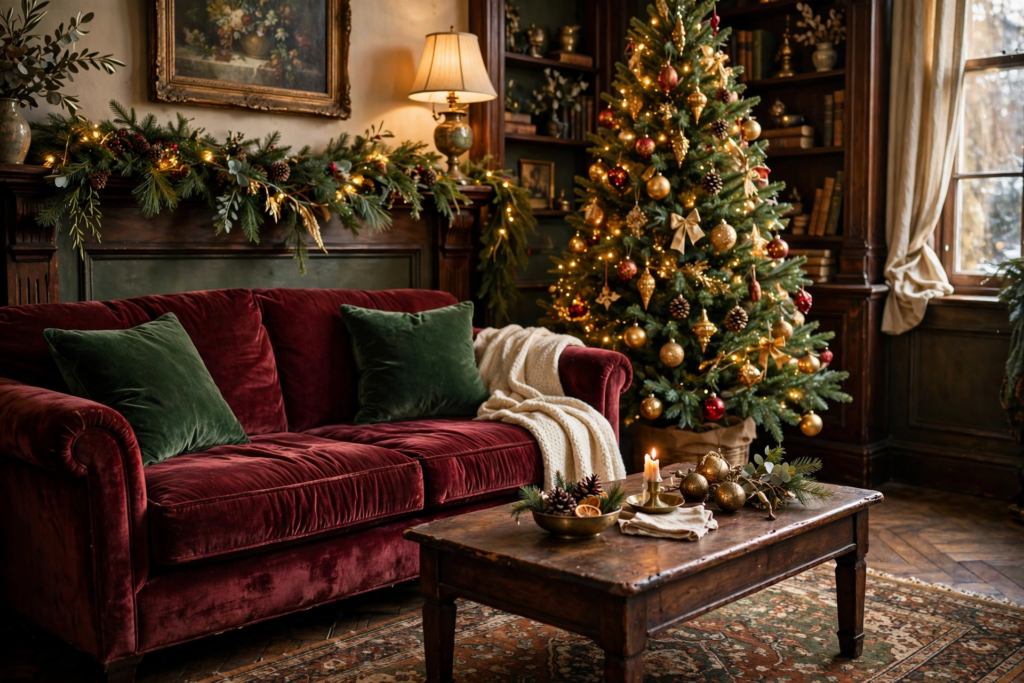
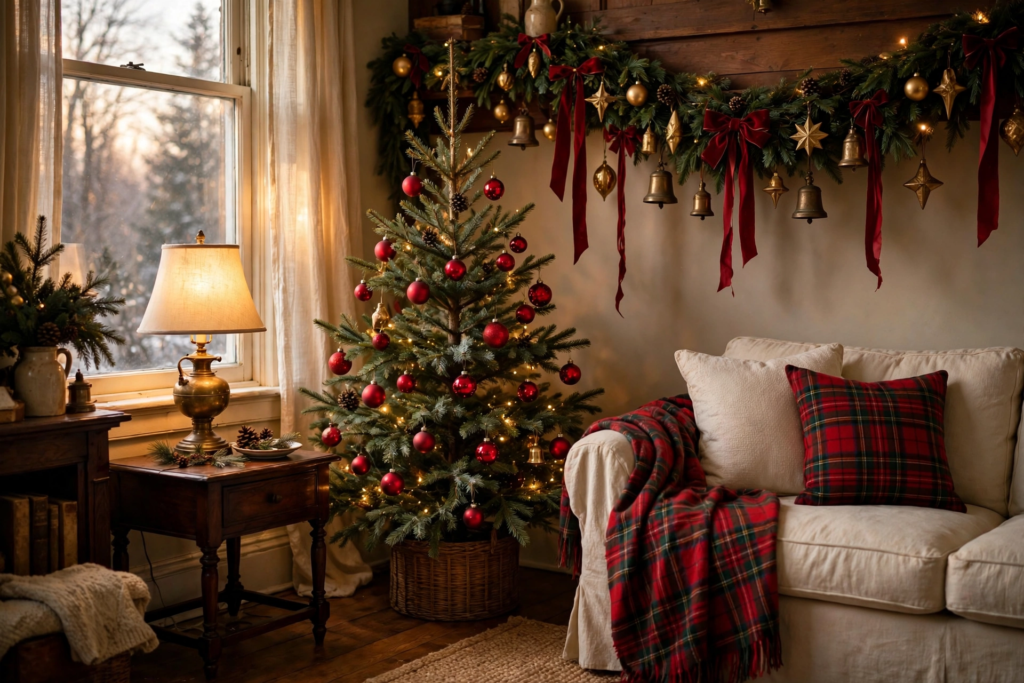
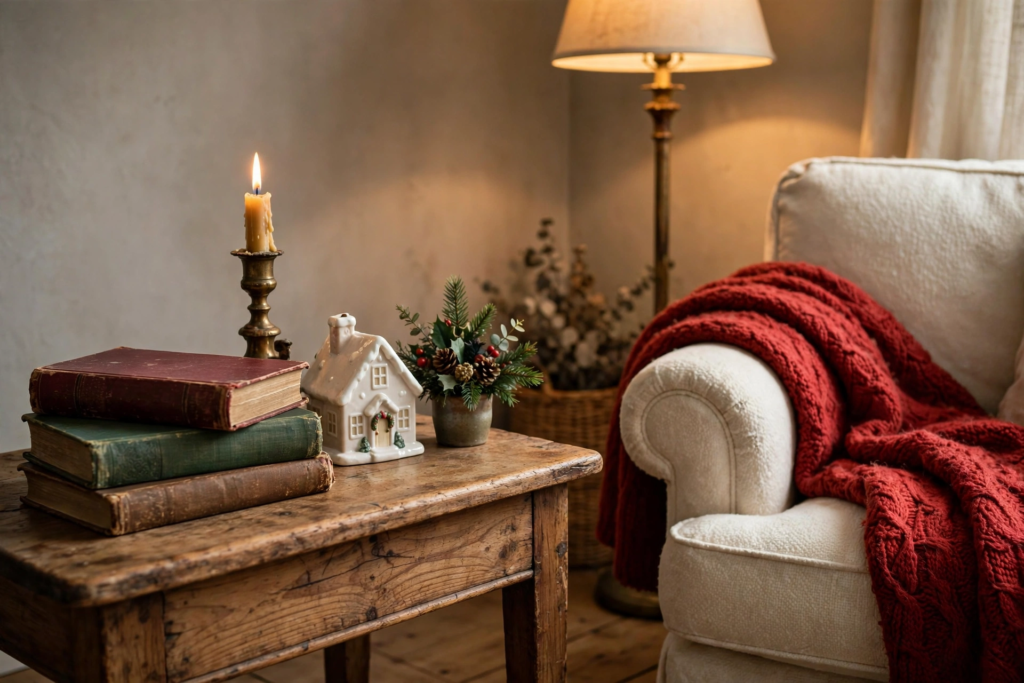
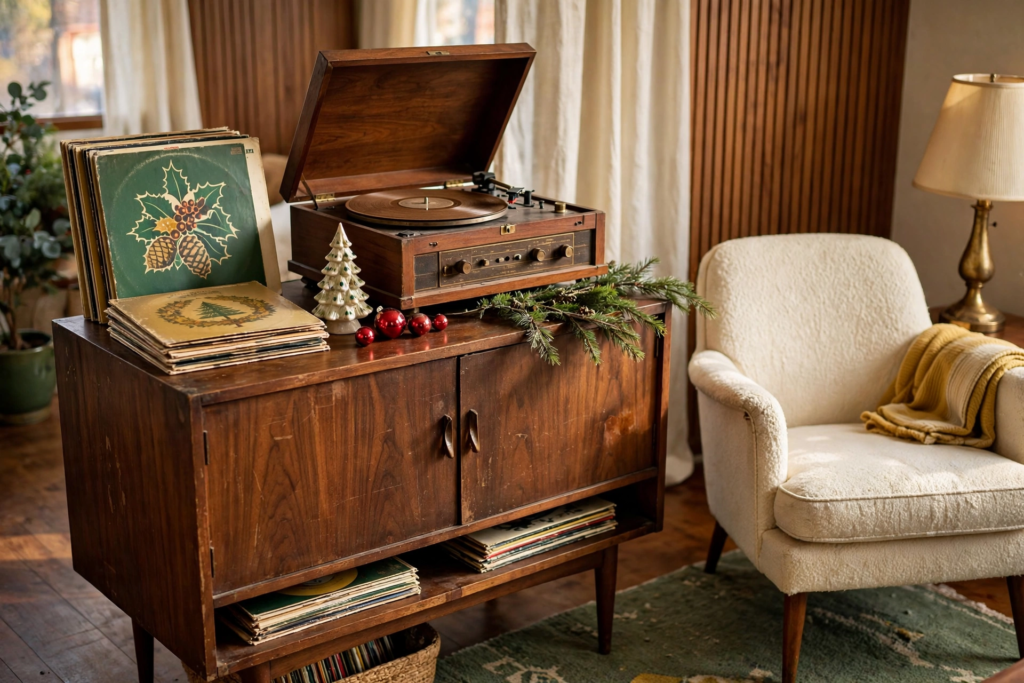
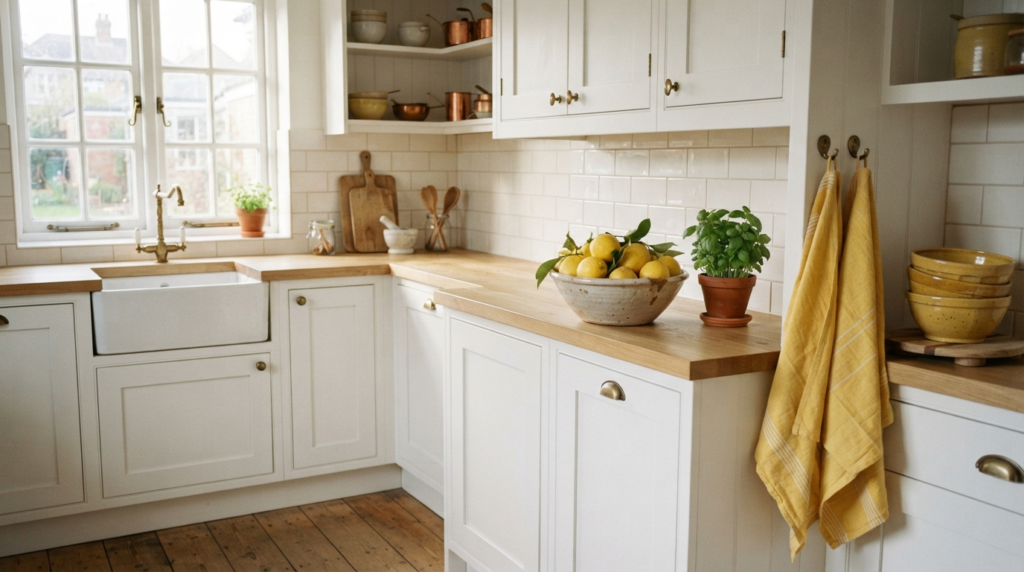
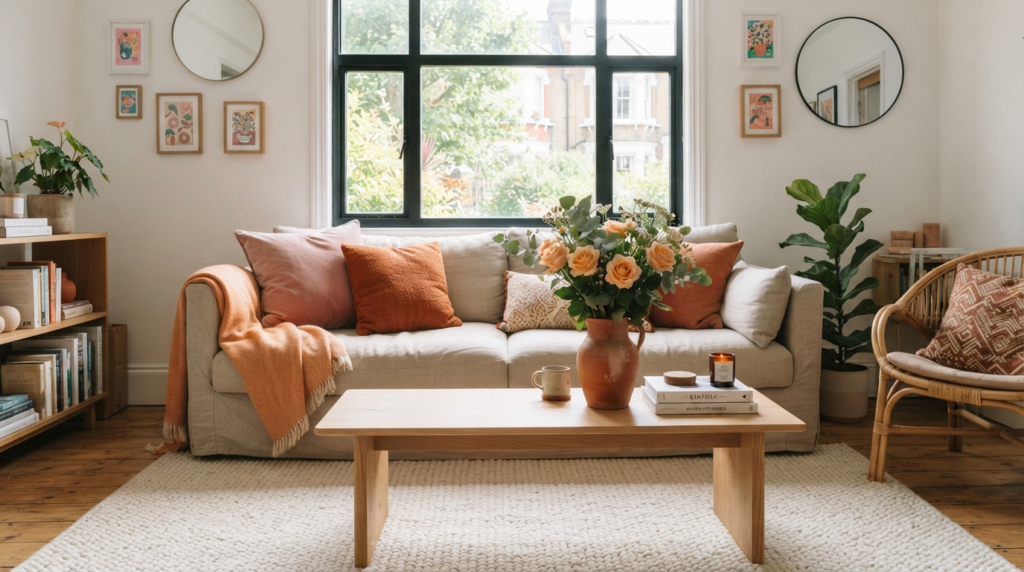
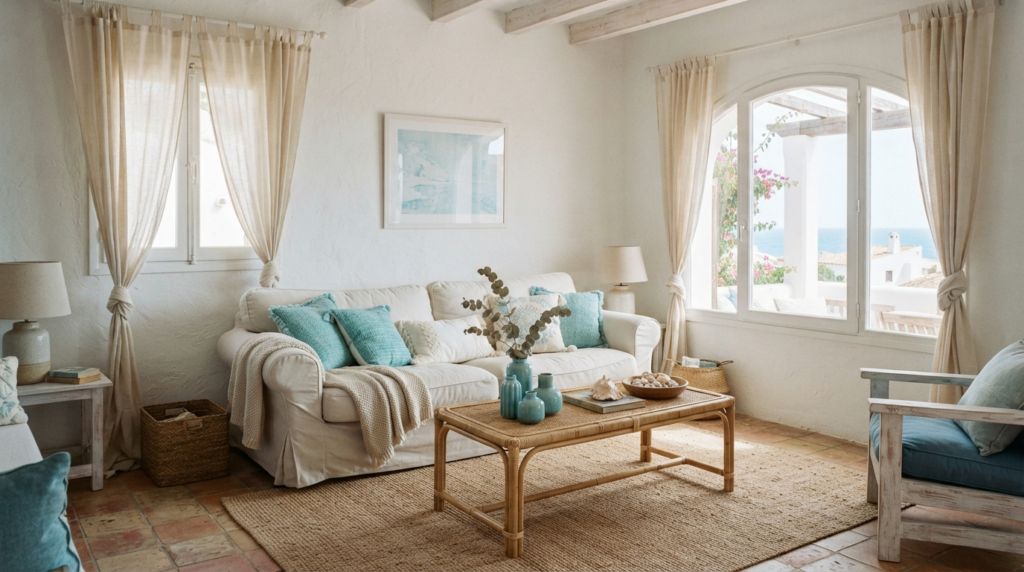
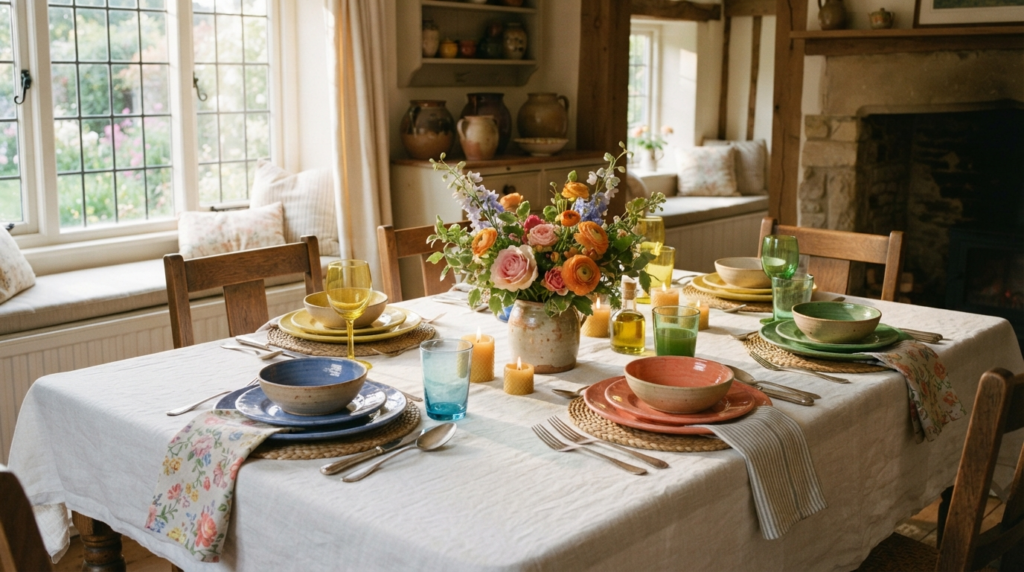
Vintage Christmas living room decor brings the warmth, charm, and nostalgia of holidays past into your home. Think antique brass ornaments, traditional red and green accents, nostalgic Christmas collectibles, velvet ribbons, old-fashioned stockings, and the soft glow of twinkling lights. These timeless details create a festive atmosphere that feels personal, cozy, and full of memories.
Whether you love the charm of an English country cottage, the elegance of a traditional Christmas parlor, or the playful colors of a retro holiday home, vintage-inspired decorating offers endless possibilities. You can mix treasured family heirlooms with thrifted finds and modern comforts to create a living room that feels both nostalgic and inviting.
Explore these 21 vintage Christmas living room decor ideas to create a beautiful, old-fashioned holiday setting filled with warmth, character, and timeless style.
1. Decorate With a Traditional Red and Green Christmas Palette
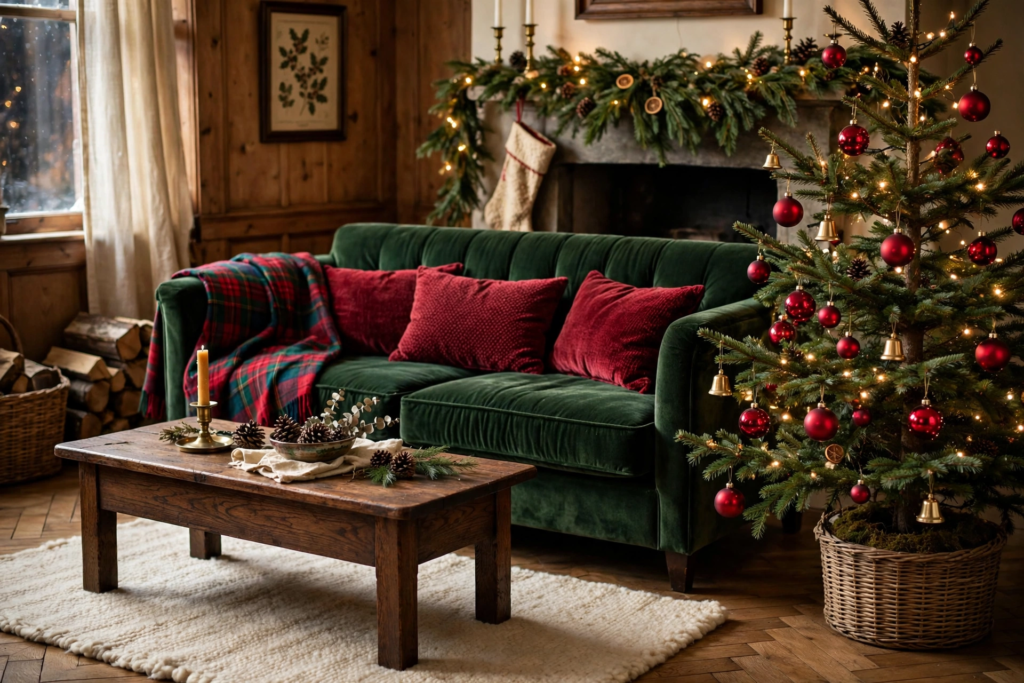
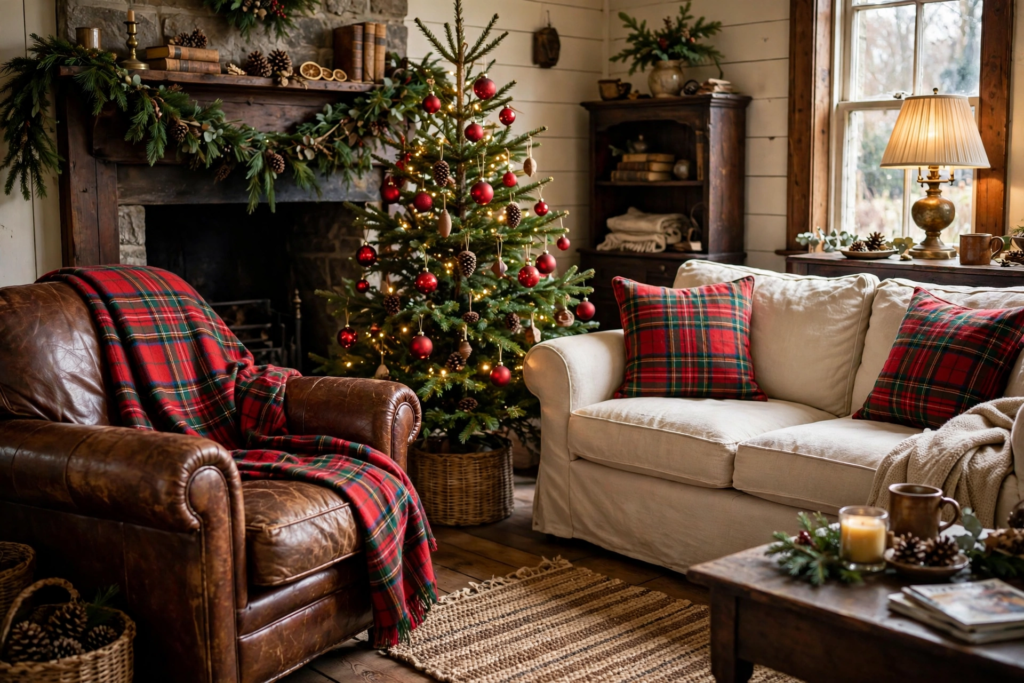
Classic red and green never go out of style when it comes to vintage Christmas decorating. Bring these traditional colors into your living room with deep red cushions, forest-green throws, plaid blankets, and a Christmas tree decorated with shiny red baubles.
Balance the bold colors with dark wood furniture, cream upholstery, and warm white lights. The result is a timeless holiday look that feels reminiscent of Christmas celebrations from generations past.
2. Create a Vintage Christmas Tree With Antique Ornaments
A vintage Christmas tree can become the centerpiece of your entire living room. Decorate a natural evergreen tree with glass baubles, delicate tinsel, old-fashioned bells, wooden ornaments, and a traditional star or angel tree topper.
Choose ornaments in different shapes, finishes, and sizes to create the collected appearance of a tree decorated over many years. If you have family heirlooms, display them alongside carefully selected vintage-style pieces to make the tree feel personal and meaningful.
3. Style a Cozy Vintage Christmas Fireplace Mantel
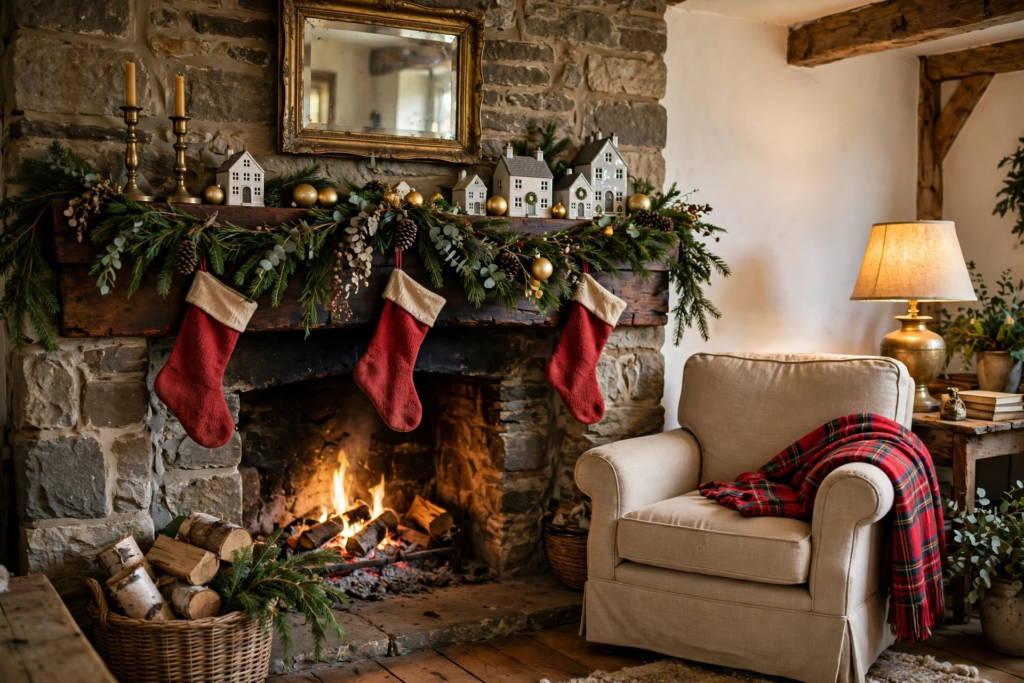
A fireplace mantel is an ideal place to showcase nostalgic Christmas decorations. Drape evergreen garland across the mantel, then add brass candlesticks, vintage stockings, small ceramic houses, and a few traditional ornaments.
A large antique mirror or an old-fashioned framed painting can complete the display. Keep the arrangement slightly imperfect and layered so it feels collected over time rather than overly coordinated.
4. Add Antique Brass Candle Holders and Warm Candlelight
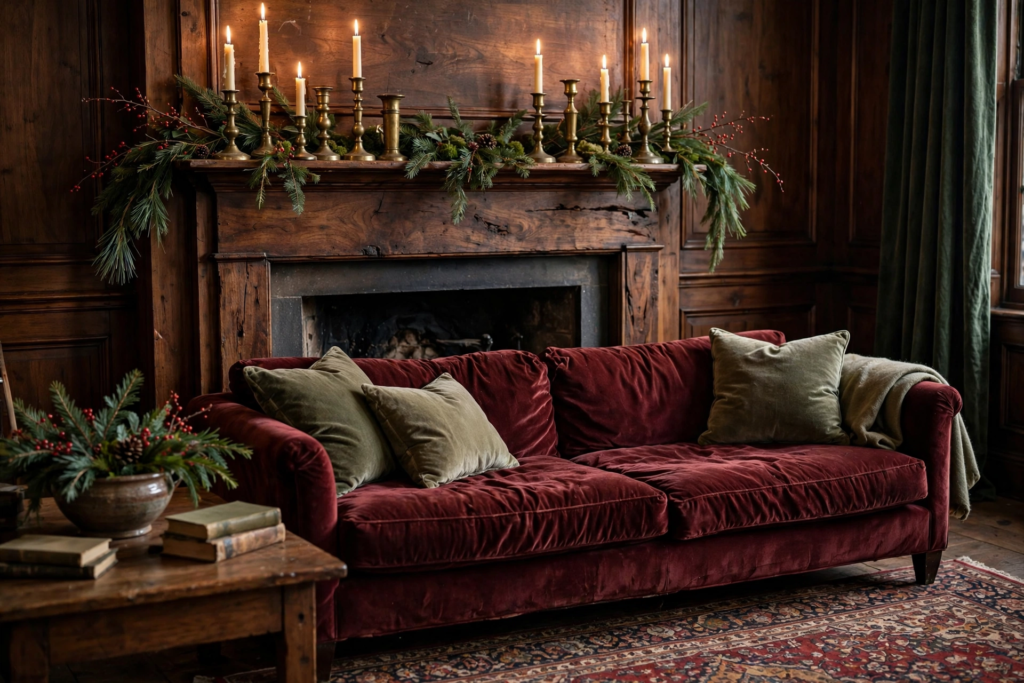
Antique brass candle holders bring a gentle golden glow to a vintage Christmas living room. Arrange them on the mantel, a wooden sideboard, or a coffee table, and pair them with traditional greenery or a few red berry branches.
Choose aged brass finishes rather than overly polished metallic accessories for a more authentic old-world appearance. Use flameless candles around greenery, curtains, and other flammable decorations, and keep real flames safely away from holiday foliage.
5. Decorate With Vintage Christmas Stockings
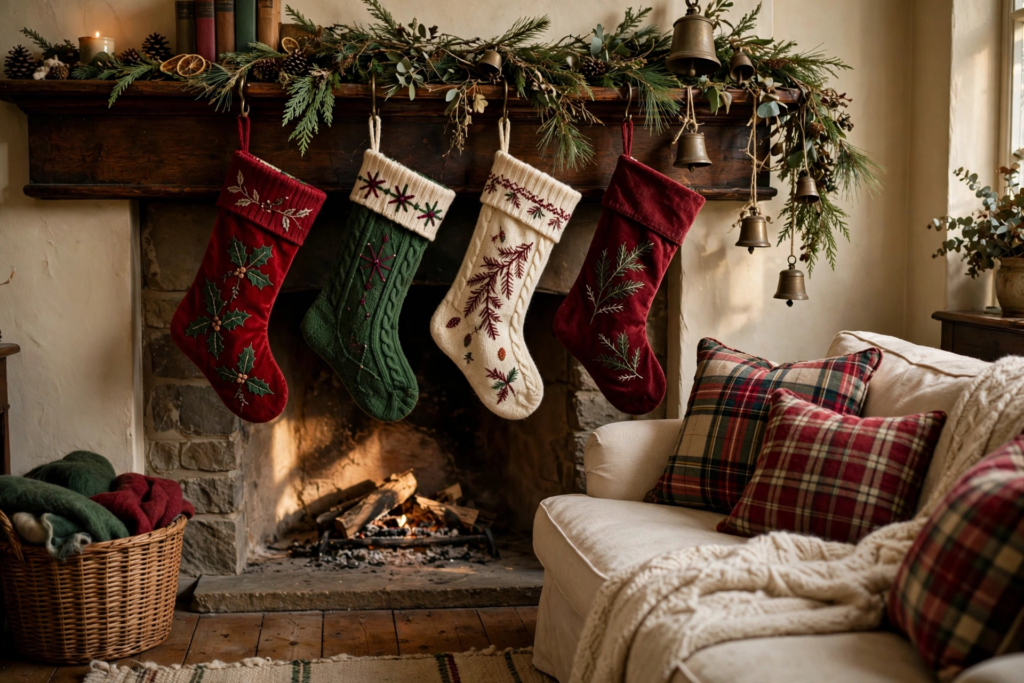
Traditional Christmas stockings add a nostalgic touch to a living room, especially when displayed above a fireplace or along a wooden mantel. Look for stockings made from wool, velvet, knitted fabric, or tapestry-inspired materials in red, cream, green, and burgundy.
Personalized stockings, embroidered details, and simple ribbon loops can make the display feel more meaningful. Even without a fireplace, you can hang stockings from a sturdy shelf or a decorative ladder secured safely in place.
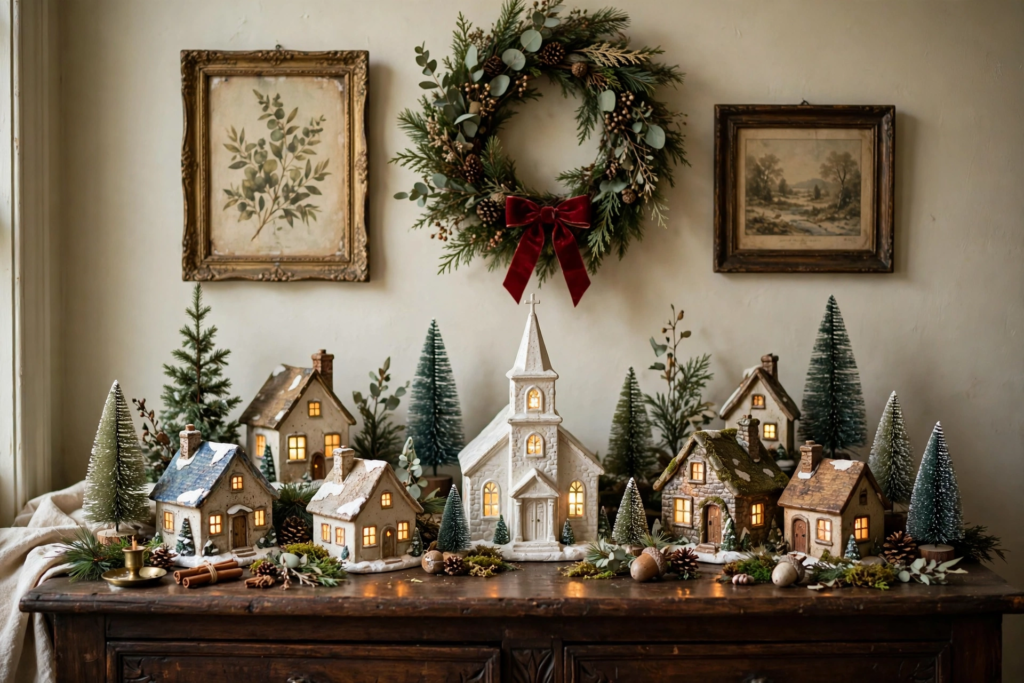
6. Create an Old-Fashioned Christmas Village Display
A miniature Christmas village brings a charming, storybook quality to vintage holiday decorating. Arrange ceramic cottages, tiny churches, miniature shops, and small evergreen trees on a console table or a sideboard.
Use warm-white lights to illuminate the village and add a soft layer of faux snow if it suits your style. Combine pieces of different heights to create depth, and keep the surrounding decor simple enough for the miniature buildings to stand out.
7. Style a Vintage Christmas Living Room With Plaid
Plaid is a timeless pattern that instantly makes a living room feel festive. Add red-and-green tartan cushions, a wool plaid throw, or a traditional blanket draped over an armchair.
Plaid works particularly well with dark wood furniture, leather seating, natural greenery, and cream-colored accessories. To avoid making the room look too busy, choose one dominant plaid pattern and complement it with solid-colored cushions and textured fabrics.
8. Add Retro Christmas Decorations From the 1950s and 1960s
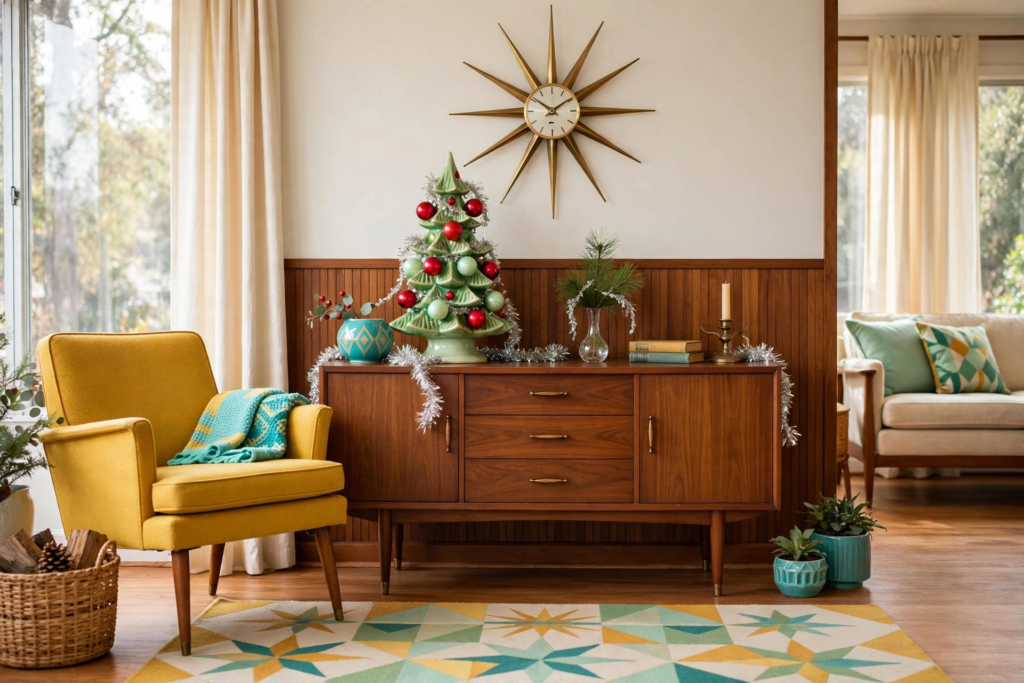
Retro Christmas decor brings playful color and mid-century nostalgia into the living room. Look for shiny vintage-style ornaments, colorful ceramic trees, kitschy Santa figurines, starburst accents, and decorations in cherry red, mint green, turquoise, and silver.
A simple mid-century sideboard or an accent chair with tapered wooden legs can reinforce the period-inspired look. Mix a few standout retro pieces with neutral furnishings to keep the room lively without making it feel cluttered.
9. Decorate With Vintage Santa Claus Figurines
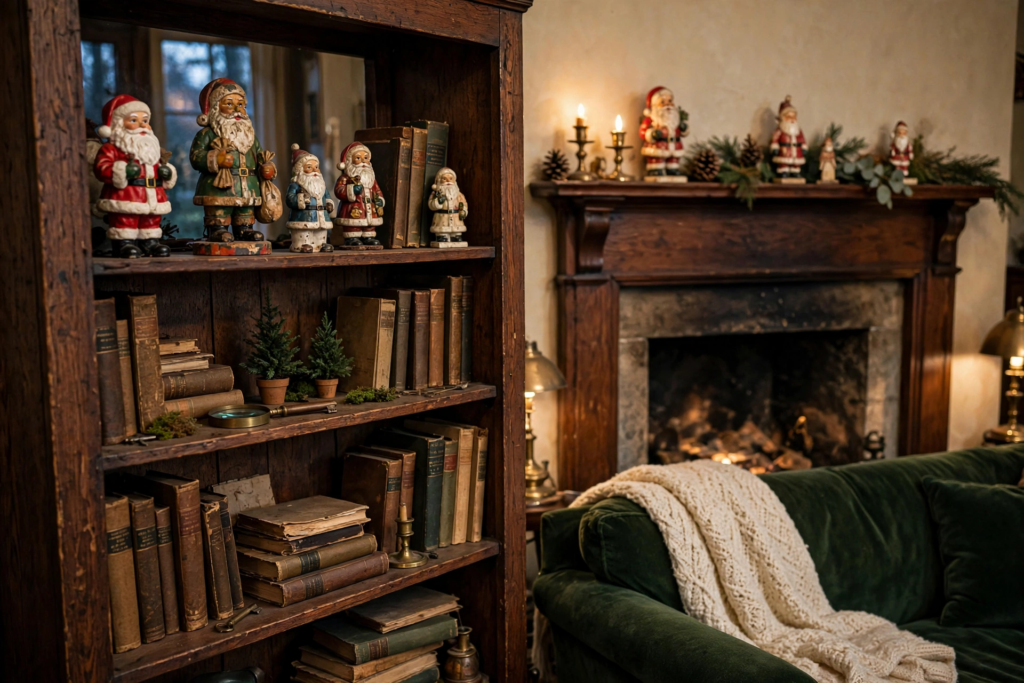
Vintage Santa figurines add personality and old-fashioned charm to Christmas decorating. Display a collection of ceramic Santas, traditional wooden figures, or nostalgic fabric decorations on a bookshelf, mantel, or console table.
Vary the sizes and group the figurines in small clusters rather than spreading them throughout the room. Pair them with miniature trees, antique books, and warm lighting to create a charming display that feels collected over time.
10. Create an English Country Vintage Christmas Living Room
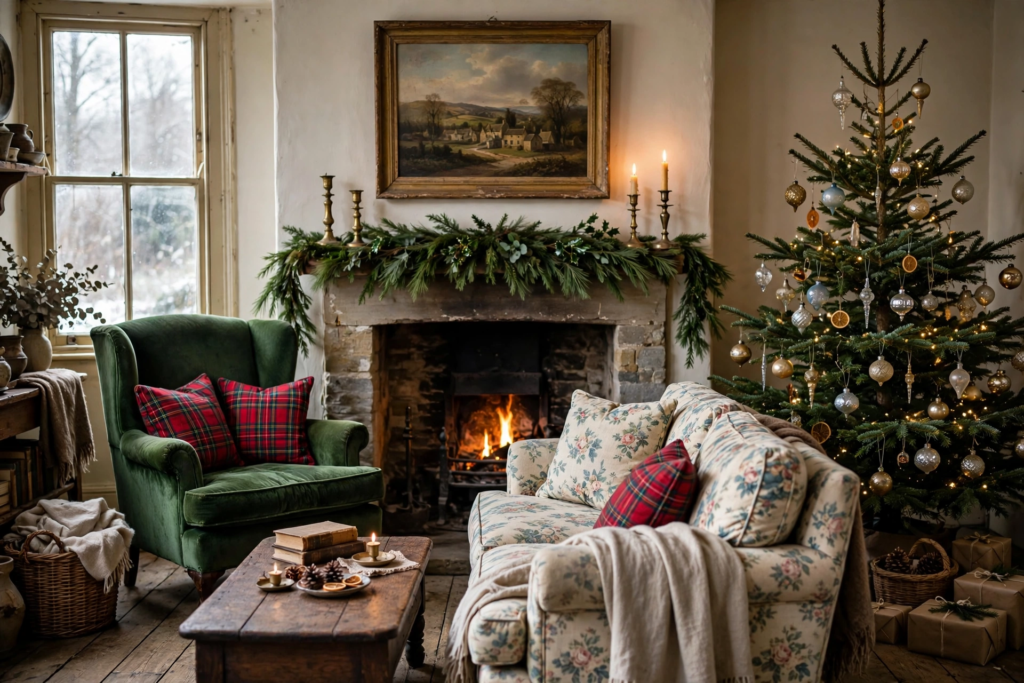
An English country-inspired Christmas living room combines traditional holiday colors with antique furniture, layered textiles, and natural greenery. Think a comfortable floral sofa, a dark wooden coffee table, plaid cushions, an evergreen garland, and a tree decorated with understated glass ornaments.
Add a vintage landscape painting, brass accessories, and a cozy wool rug for extra character. The overall look should feel relaxed and welcoming, as though the room has hosted generations of holiday gatherings.
11. Use Vintage Glass Baubles and Shiny Brite-Inspired Ornaments
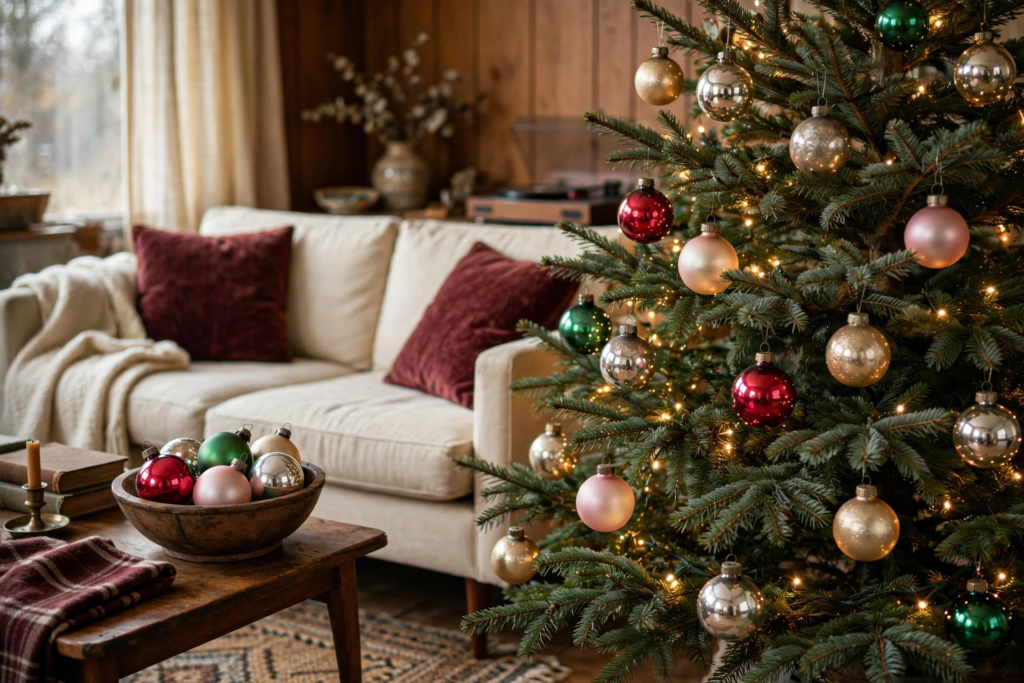
Vintage glass baubles bring beautiful color and delicate reflections to a Christmas tree. Choose traditional round ornaments in ruby red, emerald green, champagne gold, silver, and soft pink, mixing shiny, matte, and lightly textured finishes.
Shiny Brite-inspired ornaments are especially suitable for a mid-century Christmas look. Arrange them throughout the tree rather than clustering all the brightest colors in one area, and use a few larger ornaments to create visual balance.
12. Decorate With Antique Wooden Furniture and Christmas Greenery
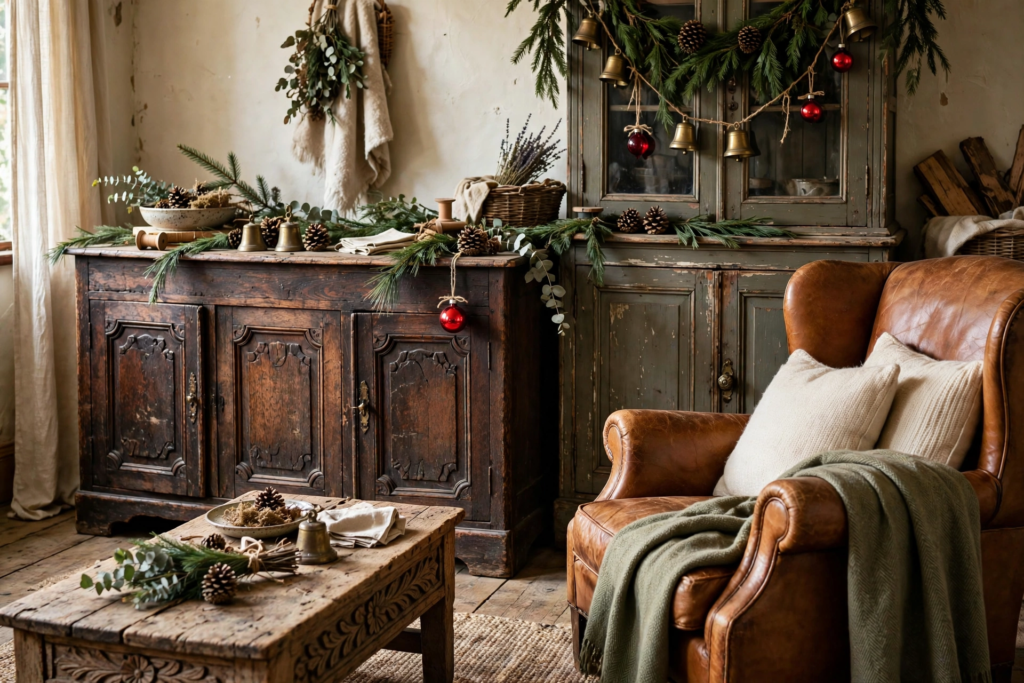
Antique wooden furniture provides a rich foundation for vintage Christmas decorations. A dark oak sideboard, a carved wooden coffee table, or an old-fashioned cabinet can bring natural warmth and character to the room.
Decorate these pieces with fresh evergreen branches, brass candle holders, small vintage ornaments, or a simple bowl of pinecones. The combination of aged wood and natural greenery creates a timeless holiday look that works especially well in traditional and farmhouse interiors.
13. Add a Nostalgic Christmas Card Display
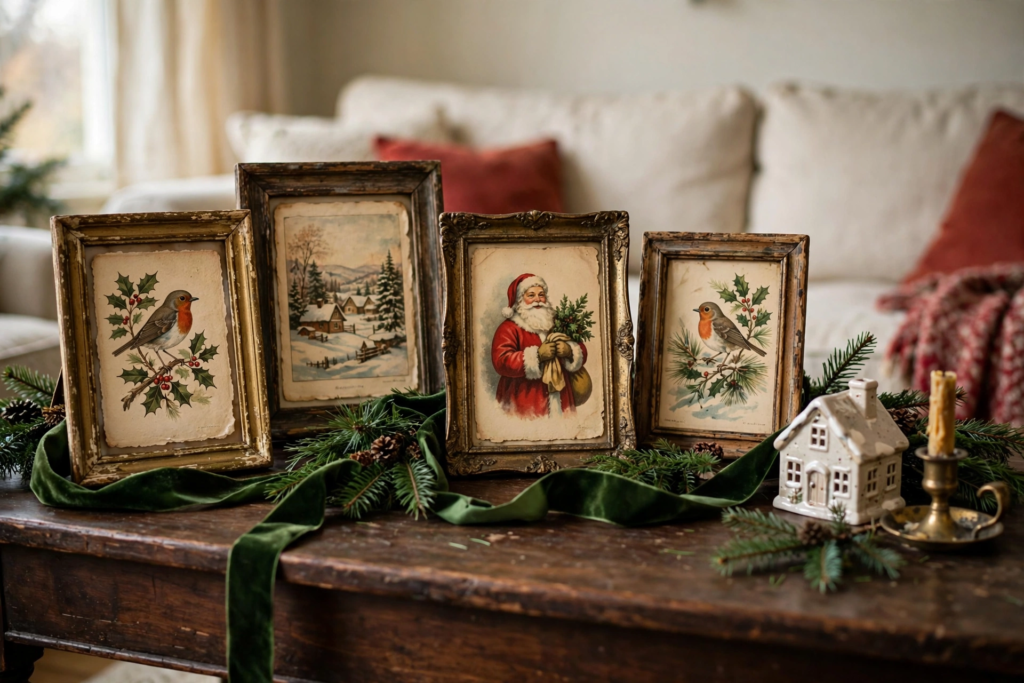
Old-fashioned Christmas cards can become a meaningful seasonal decoration. Display vintage-inspired cards featuring winter landscapes, red robins, holly, classic Santa illustrations, or traditional holiday greetings on a mantel or console table.
You can also attach cards to a ribbon garland or arrange them in simple antique-style frames. If using original family cards, include handwritten messages or dates when appropriate to make the display feel even more personal.
14. Style a Vintage Christmas Living Room With Velvet
Velvet adds luxurious texture to a nostalgic Christmas interior. Introduce deep red, forest-green, navy, or burgundy velvet cushions, a soft throw, or a vintage-inspired upholstered accent chair.
Pair these rich fabrics with antique brass, dark wood furniture, and traditional Christmas greenery. The contrast between plush textiles and aged finishes creates a room that feels elegant without losing its cozy, old-fashioned charm.
15. Decorate With Old-Fashioned Christmas Bells and Ribbon
Traditional bells and ribbons are simple details that can make vintage Christmas decor feel complete. Tie velvet or grosgrain ribbon around garlands, wreaths, and decorative baskets, then add brass bells or small antique-style ornaments.
Choose deep red, dark green, muted gold, or burgundy ribbon for a classic palette. Let the ribbons fall naturally rather than arranging every bow identically, creating a softer and more authentic vintage-inspired finish.
16. Create a Vintage Christmas Book and Candle Display
Old books and candlelight can make a living room feel especially cozy during the holidays. Stack a few vintage hardcovers on a side table, then add a brass candle holder, a small ceramic house, or a miniature evergreen tree.
Choose books with aged-looking covers in burgundy, forest green, brown, and cream. Keep the arrangement simple enough to remain functional, and use flameless candles near books and other flammable materials.
17. Add Nostalgic Christmas Music and Record Player Styling
A record player and a small collection of classic holiday records can reinforce the nostalgic mood of a vintage Christmas living room. Style a wooden record cabinet with a few seasonal records, a small ceramic tree, or a vintage-inspired tabletop decoration.
Choose a cozy corner with an accent chair and warm lamp to create a comfortable listening area. The combination of natural wood, old album covers, and traditional holiday details makes the space feel personal and lived-in.
18. Decorate With Vintage Wreaths and Evergreen Garlands
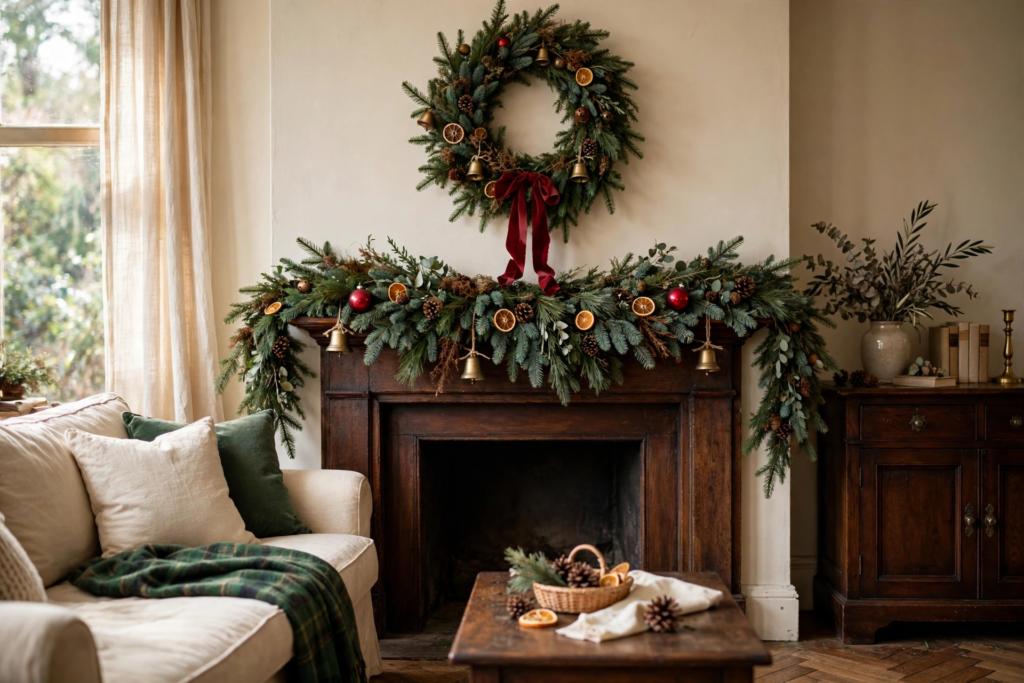
Evergreen wreaths and garlands are essential elements of a traditional Christmas interior. Choose natural-looking greenery and decorate it with velvet ribbon, small brass bells, dried orange slices, pinecones, or a few classic red ornaments.
Hang a wreath above the fireplace or on an interior door, and use garland along the mantel or a staircase railing. Keep the decorations coordinated with the tree and textiles so the room feels cohesive rather than overly themed.
19. Create a Rustic Vintage Christmas Living Room
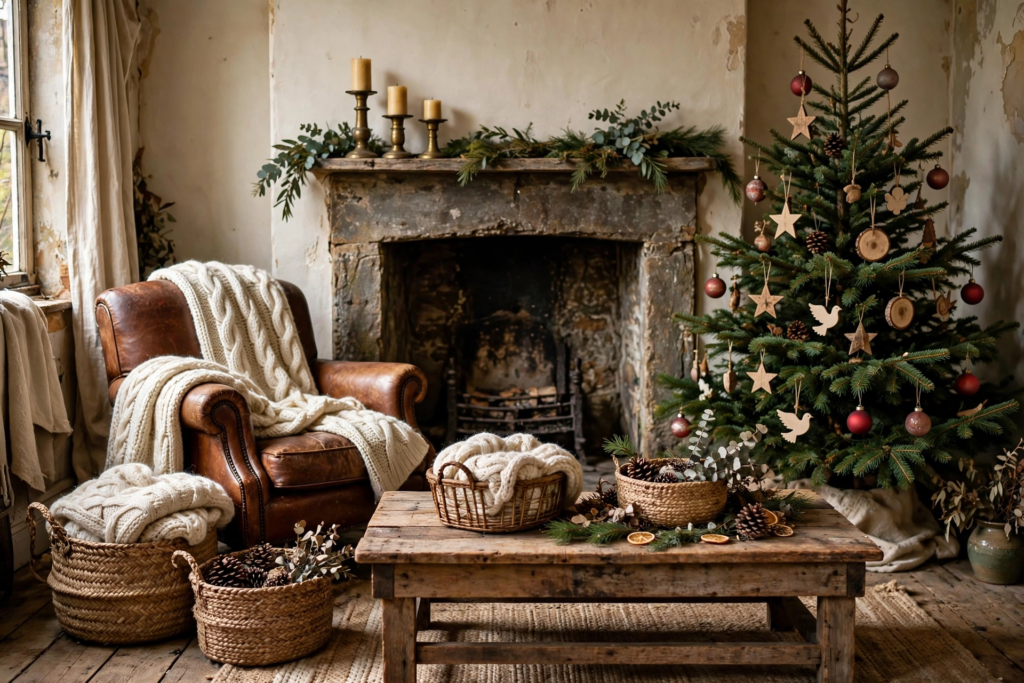
Rustic vintage Christmas decor combines weathered finishes, natural materials, and traditional holiday accents. Use a reclaimed wooden coffee table, a leather armchair, knitted throws, woven baskets, and simple evergreen arrangements.
Add red plaid cushions, antique brass accessories, and a tree decorated with wooden ornaments and muted glass baubles. The mix of rustic textures and nostalgic details creates a warm, relaxed holiday atmosphere.
20. Style a Vintage Christmas Living Room With Cream and Gold
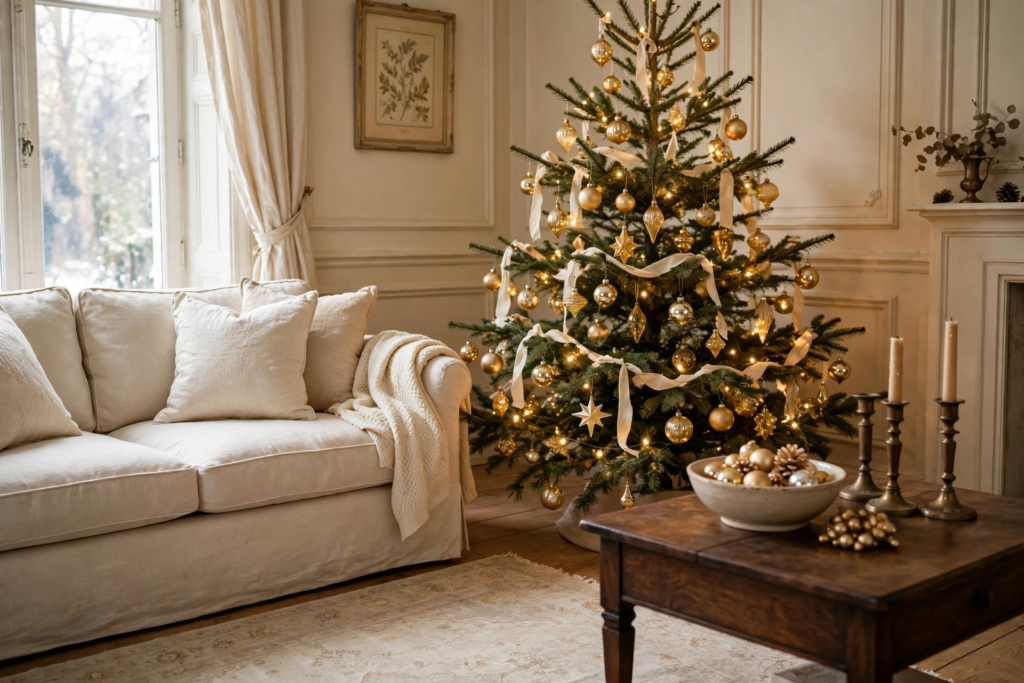
For a softer interpretation of vintage Christmas decor, combine warm cream, champagne gold, antique brass, and natural wood. Choose a tree decorated with delicate gold ornaments, soft ivory ribbons, and warm-white lights.
Layer a cream throw over the sofa, display brass candlesticks on the mantel, and add a few vintage-inspired decorations in muted metallic finishes. This palette feels timeless and elegant while preserving the warmth associated with old-fashioned holiday interiors.
21. Create a Nostalgic Christmas Living Room With Family Heirlooms
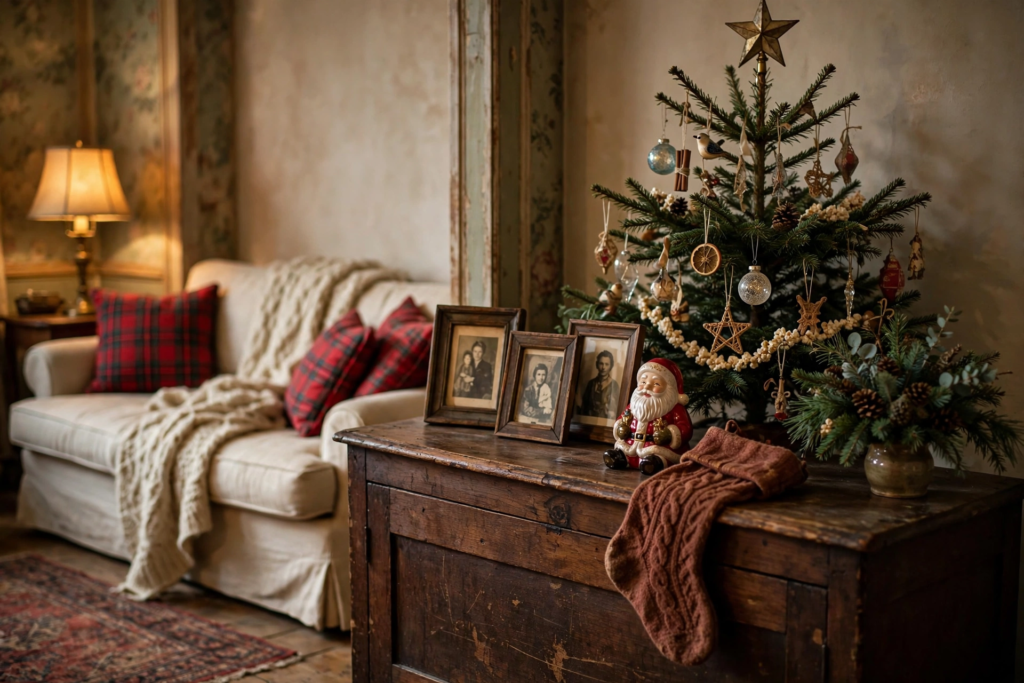
Family heirlooms can make a Christmas living room feel more meaningful than a perfectly coordinated display. Bring out treasured ornaments, handmade decorations, an old Christmas stocking, a family photo in a vintage frame, or a keepsake passed down through generations.
Mix these sentimental pieces with fresh greenery, warm lights, comfortable textiles, and traditional holiday colors. Allow a few objects to tell their own stories, creating a room that celebrates both Christmas traditions and the memories attached to them.
How to Make Your Christmas Living Room Look Vintage
Creating a vintage Christmas look is less about making everything look old and more about choosing decorations with character. Combine traditional colors, natural materials, aged finishes, and nostalgic accessories to create a layered space that feels collected rather than purchased all at once.
Thrift stores, antique shops, flea markets, and family storage boxes can be excellent places to discover unique ornaments and decorations. You can also mix modern reproductions with genuine vintage finds, especially when fragile heirlooms are too valuable to use around children or pets.
Best Colors for Vintage Christmas Living Room Decor
A traditional vintage Christmas palette can be rich and colorful or soft and understated. Choose colors that complement your furniture and repeat them throughout the room.
Classic red and forest green: Traditional, festive, and timeless.
Burgundy and antique gold: Rich, elegant, and nostalgic.
Cream and champagne gold: Soft, refined, and suitable for vintage-inspired neutral interiors.
Red, mint green, and silver: Playful colors associated with retro mid-century Christmas styling.
Forest green, brown, and warm cream: Natural, rustic, and ideal for country-inspired rooms.
You do not need to use every color. Two or three main shades, supported by natural wood and greenery, are usually enough to create a coordinated look.
Where to Find Vintage Christmas Living Room Decorations
Look for vintage ornaments, brass candle holders, old picture frames, traditional glass baubles, and nostalgic holiday figurines at antique shops, flea markets, thrift stores, and estate sales. Family collections may also contain meaningful decorations that can be reused each year.
When shopping for genuine vintage pieces, check for cracks, loose fittings, chipped paint, and damaged electrical components. Older lights and fragile ornaments may not meet modern safety standards, so use safe contemporary lighting where necessary and keep delicate collectibles out of reach of children and pets.
FAQs About Vintage Christmas Living Room Decor
What makes a Christmas living room look vintage?
Traditional holiday colors, antique-style ornaments, aged brass, dark wood furniture, plaid textiles, velvet ribbons, and nostalgic decorations help create a vintage Christmas look. Mixing these elements with natural greenery and warm lighting makes the room feel timeless and inviting.
What colors are best for vintage Christmas decor?
Classic red and green are the most traditional choices, while burgundy and gold create a richer look. Cream, champagne, and natural wood offer a softer alternative, and red, mint green, and silver work well for retro mid-century Christmas styling.
How can I decorate my living room for Christmas on a budget?
Reuse decorations you already own, shop for secondhand ornaments, and make simple garlands with evergreen branches or ribbon. A few carefully selected vintage-style pieces can create more impact than filling the entire room with new decorations.
How do I mix vintage and modern Christmas decorations?
Choose a consistent color palette and combine modern pieces with vintage accents. For example, pair a simple contemporary sofa with antique brass candle holders, traditional glass ornaments, and a plaid blanket. Repeating a few colors and materials helps the styles work together.
What is the difference between vintage and retro Christmas decor?
Vintage decor generally refers to authentic older items or designs inspired by earlier periods. Retro decor often recreates a particular past style, such as the colorful ornaments and playful accessories associated with the 1950s and 1960s. Both can be combined for a nostalgic holiday look.
How can I make my vintage Christmas living room feel cozy?
Layer soft blankets, textured cushions, warm lighting, and natural greenery. Add meaningful ornaments, traditional colors, and comfortable seating to create a space that feels welcoming rather than overly formal.
Final Thoughts
Vintage Christmas living room decor celebrates the charm of traditional holiday decorating through nostalgic ornaments, rich colors, antique details, and cozy textures. Whether you prefer a classic red-and-green Christmas, a rustic country style, or a playful retro look, small thoughtful details can make your living room feel special.
Start with a few pieces you genuinely love, mix old and new decorations, and incorporate meaningful family keepsakes wherever possible. The most memorable Christmas rooms are not necessarily the most elaborate—they are the ones that feel warm, personal, and full of holiday spirit.
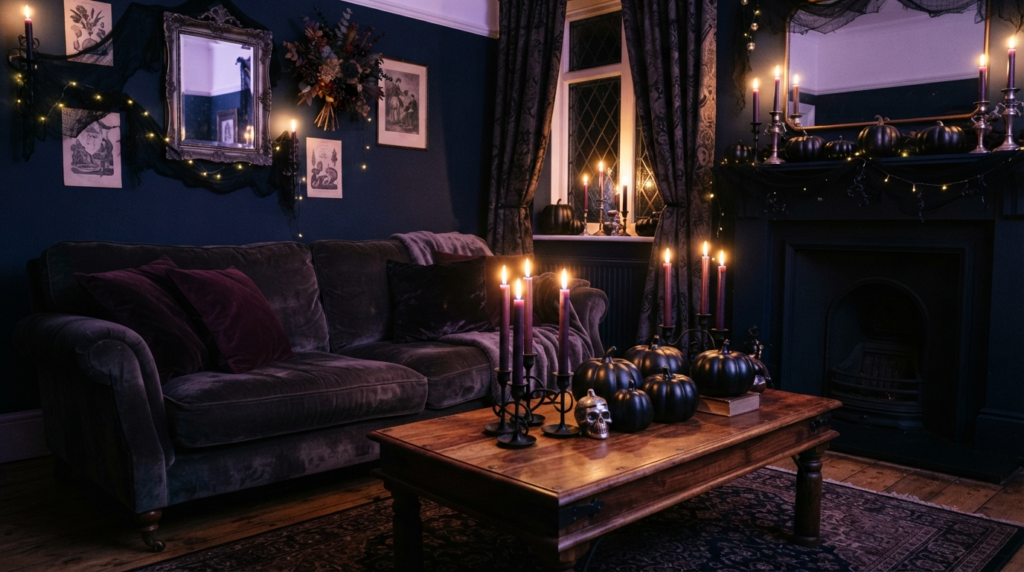
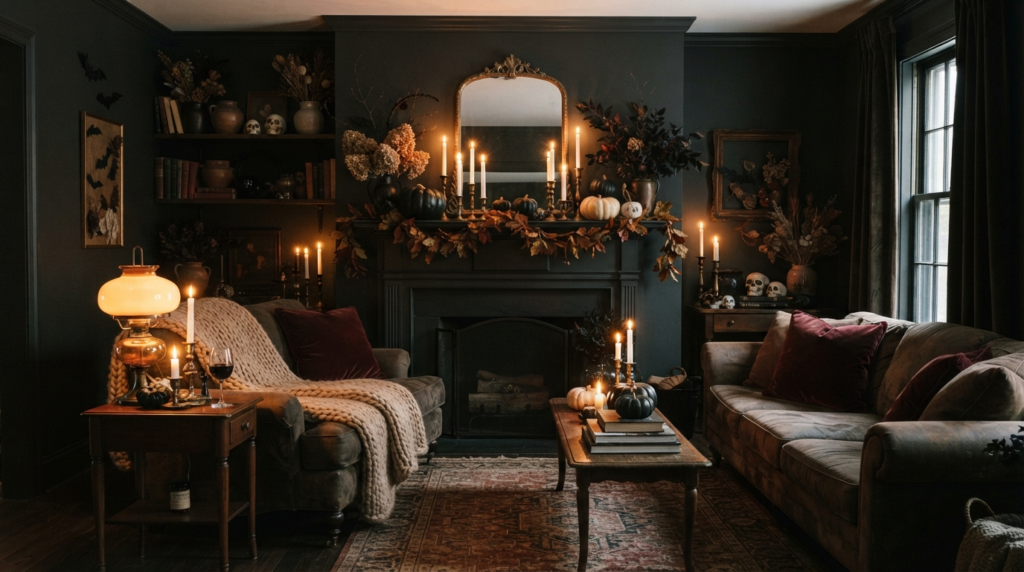
Halloween is the perfect time to give your living room a little seasonal magic. From flickering candlelight and moody fall colors to elegant pumpkins and cozy layered textiles, the right decorations can make your space feel festive without sacrificing comfort or style.
Whether you love dark, dramatic interiors or prefer a warm and subtle autumn look, there are plenty of ways to bring Halloween into your home. You can create a spooky atmosphere with black accents, add vintage-inspired decorations, or keep things simple with natural pumpkins, soft blankets, and warm lighting.
These 21 Halloween living room decor ideas will help you create a cozy, inviting space that feels perfectly suited to the spooky season.
1. Create a Moody Black and Orange Living Room
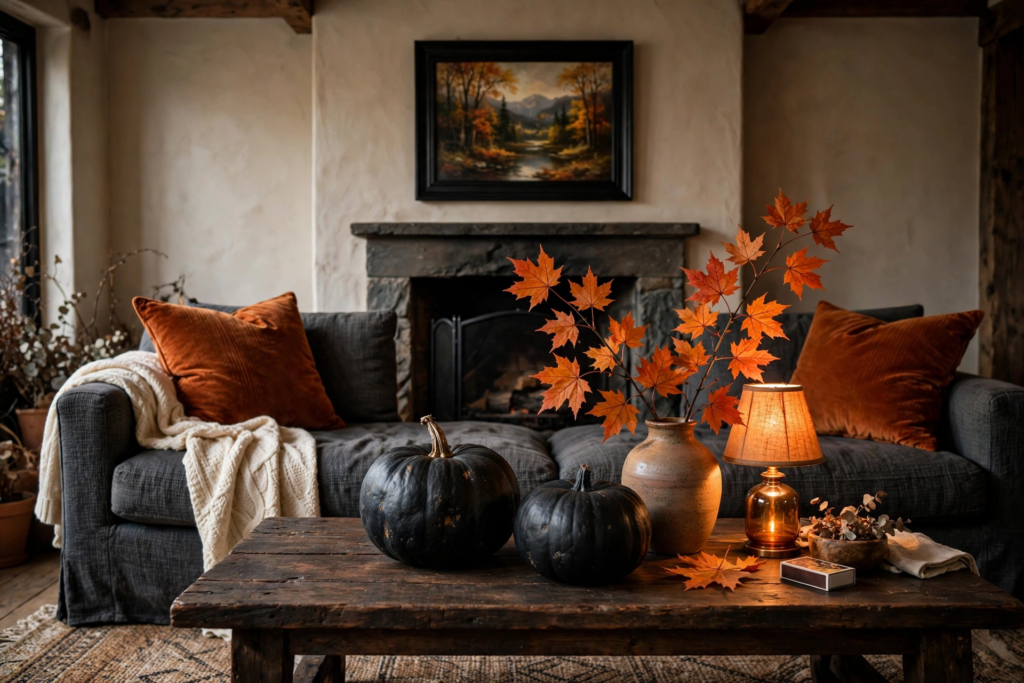
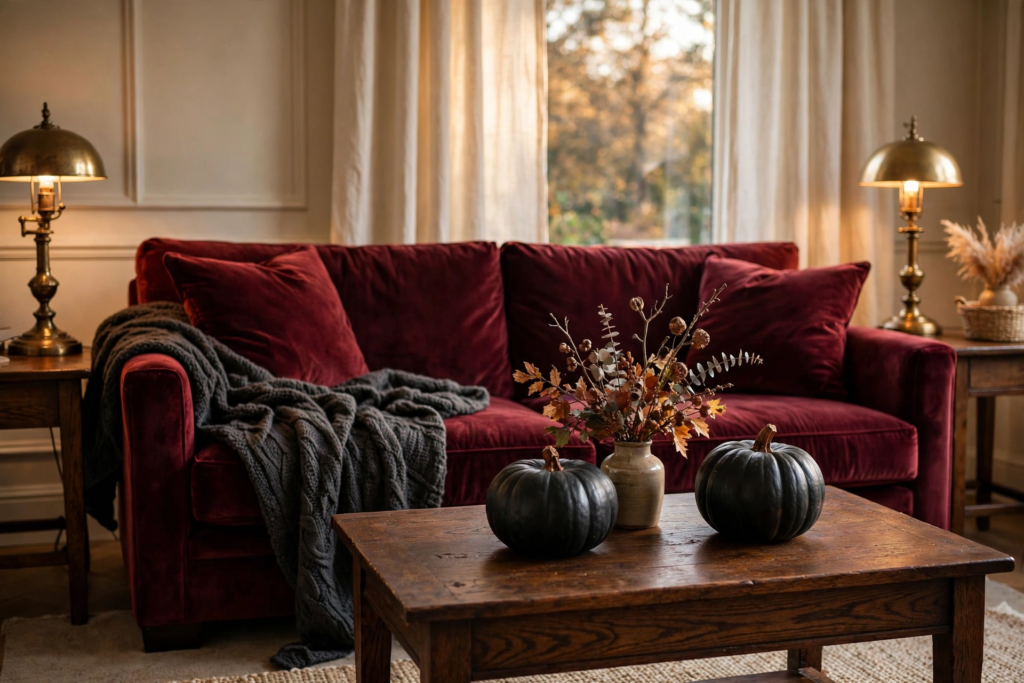
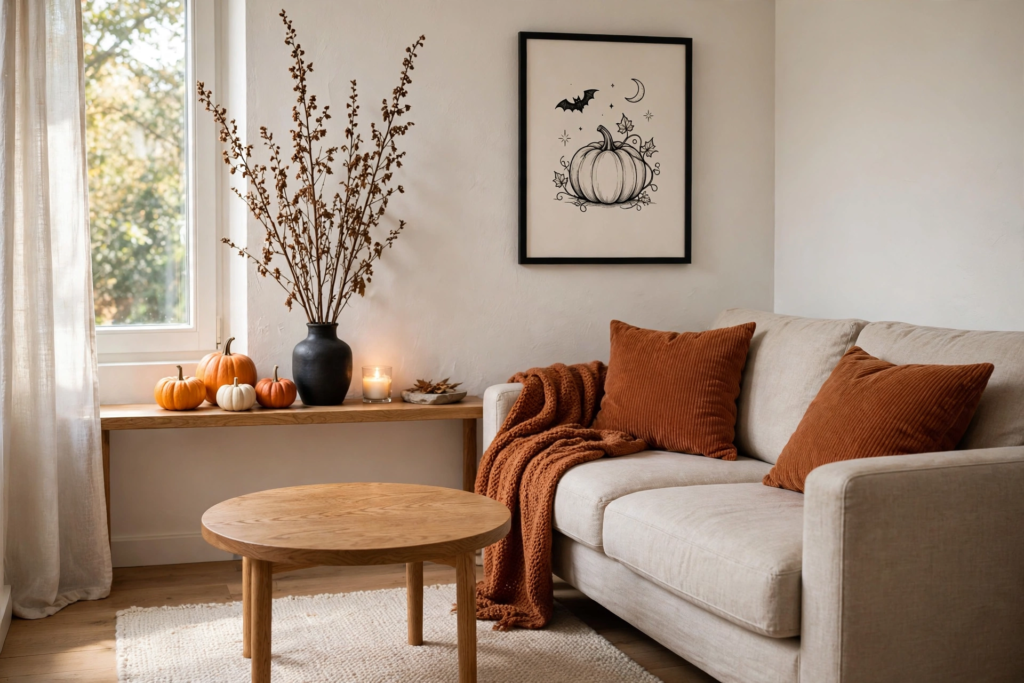
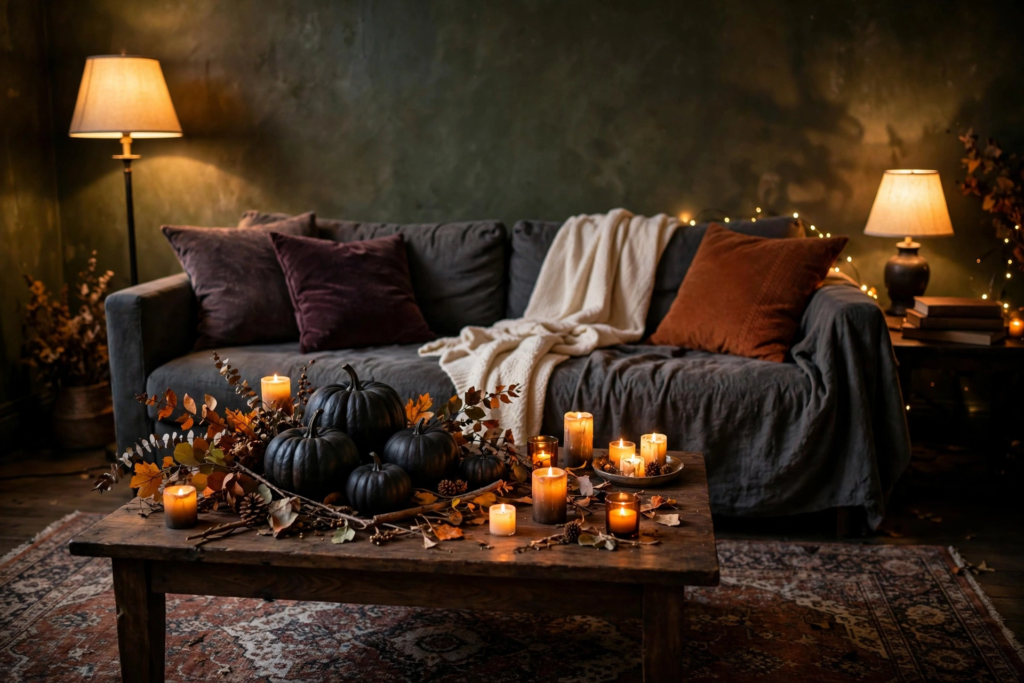
Black and orange are classic Halloween colors that instantly make a living room feel festive. Try adding burnt-orange cushions to a charcoal sofa, placing black decorative pumpkins on the coffee table, and styling a few orange branches in a dark vase.
For a more sophisticated look, balance the bold colors with cream textiles, natural wood, and warm lighting. This combination creates a traditional Halloween atmosphere without making the room feel overwhelming.
2. Decorate With Elegant Black Pumpkins
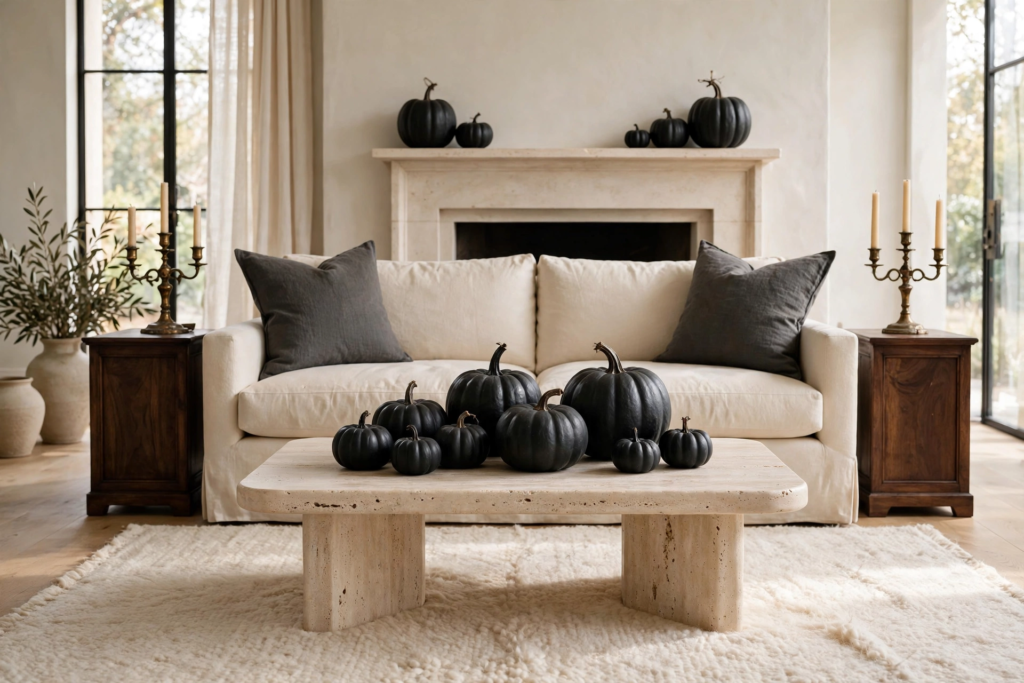
Black pumpkins are an easy way to create a dramatic Halloween display. Arrange matte black pumpkins in different sizes on your mantel, coffee table, or a decorative tray to create a simple but striking focal point.
Mix smooth ceramic pumpkins with velvet or subtly textured versions for added depth. Pair them with antique brass candle holders and cream accessories to soften the dark color palette.
3. Add Warm Candlelight for a Spooky Glow
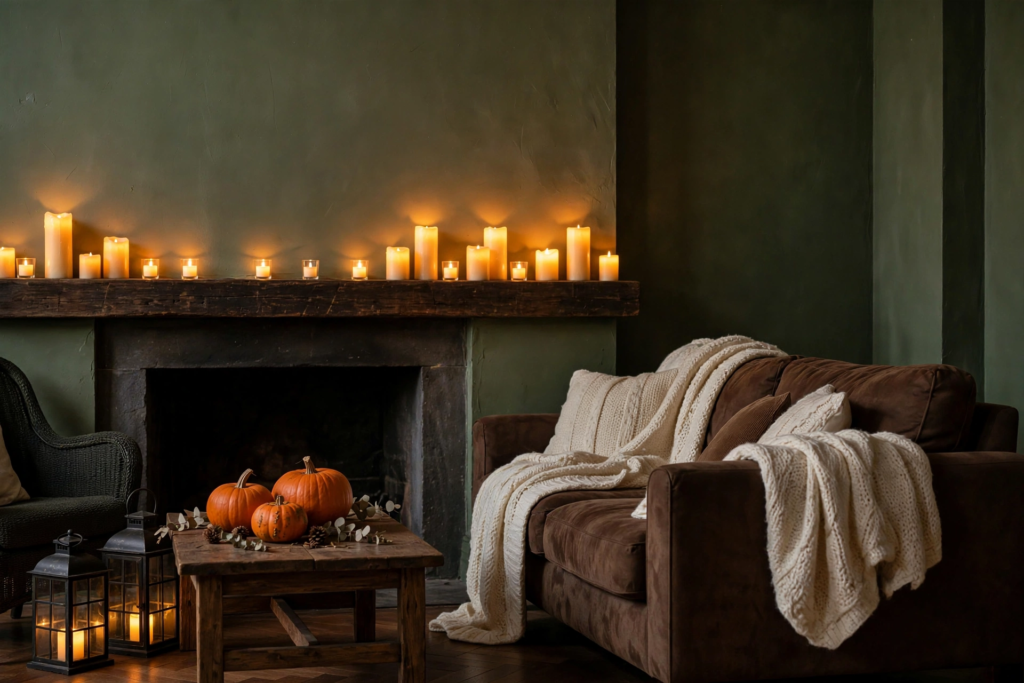
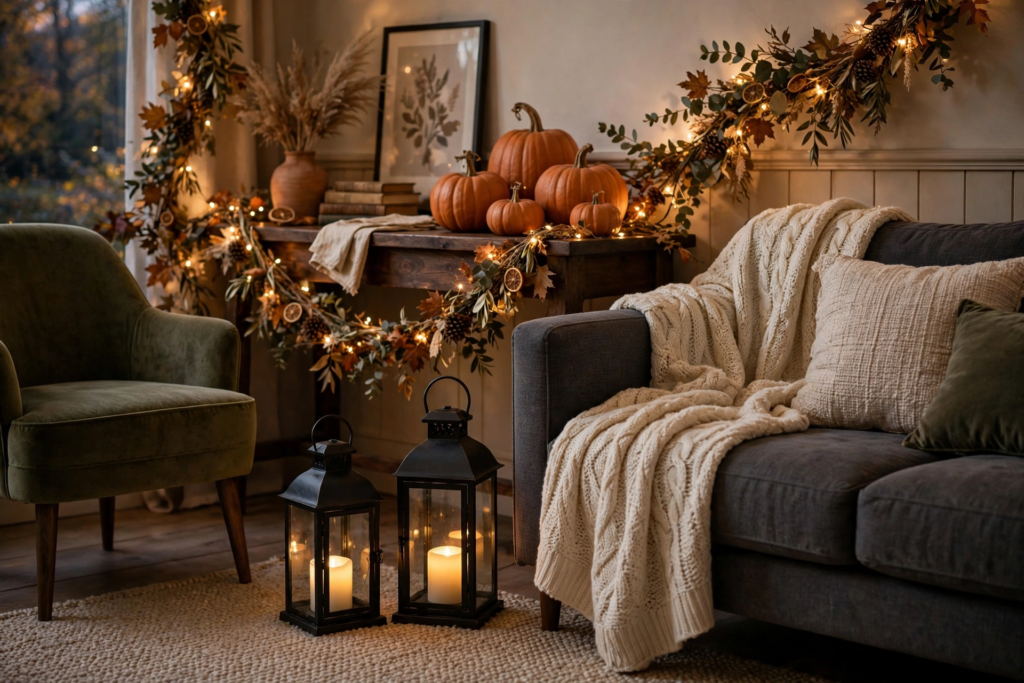
Candlelight can transform an ordinary living room into a cozy Halloween retreat. Place LED candles on the mantel, arrange a few on a coffee table, or use lanterns to create a gentle glow around the room.
Choose warm amber lighting rather than bright white bulbs for a softer, more atmospheric effect. Flameless candles are especially useful around fabrics, children, and pets while still delivering that inviting Halloween ambiance.
4. Style a Halloween Mantel With Dark Florals
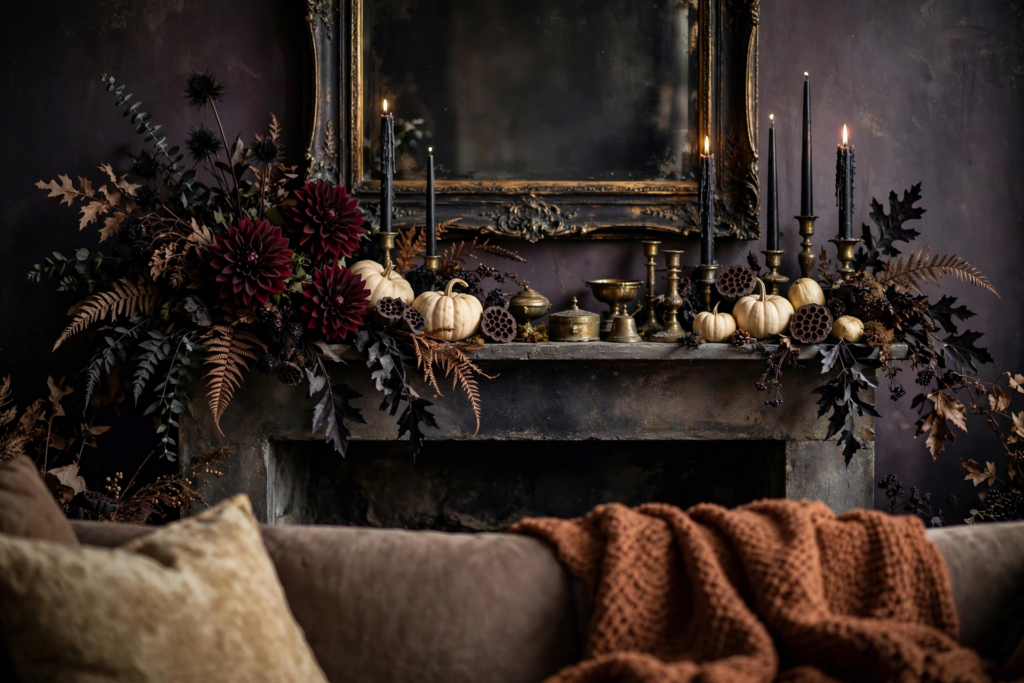
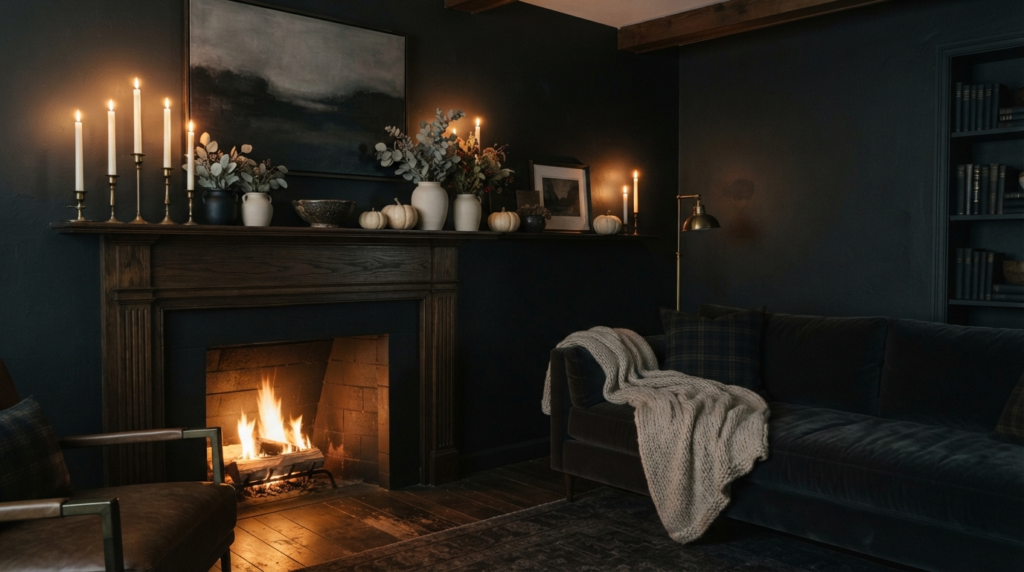
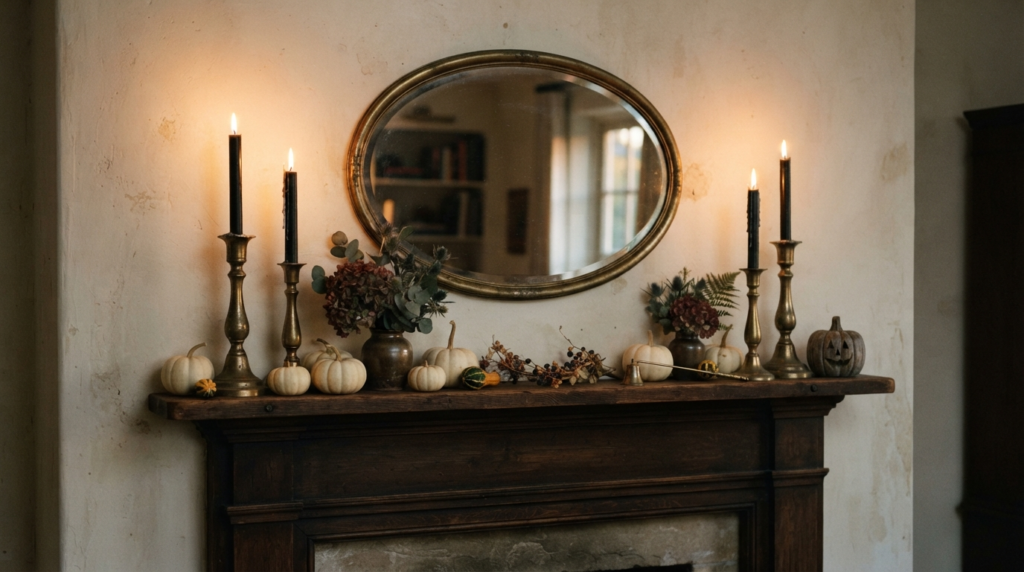
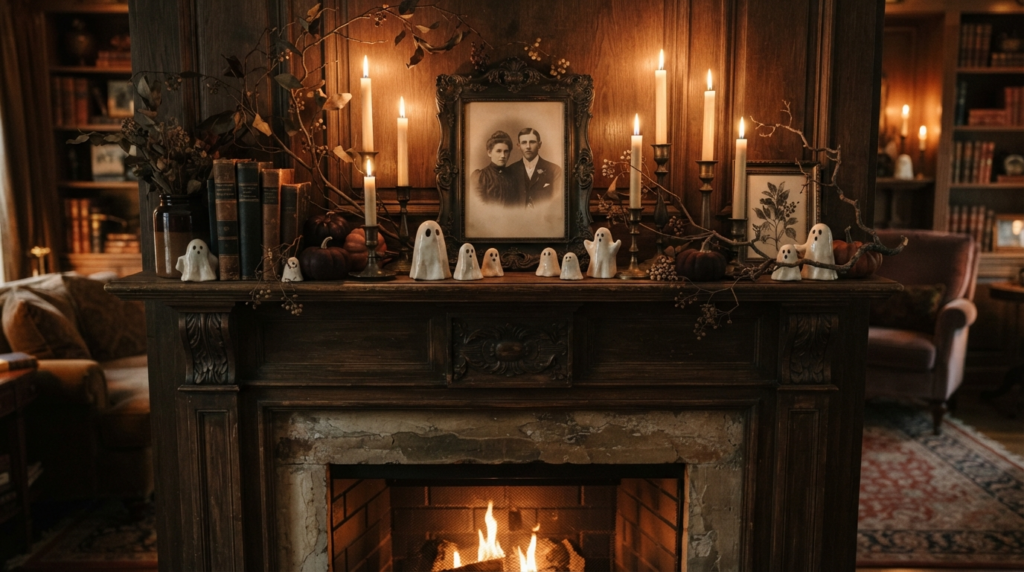
A Halloween mantel is the perfect place to experiment with dramatic seasonal styling. Arrange dark burgundy flowers, dried branches, black taper candles, and small decorative pumpkins across the mantel for a layered, moody display.
Keep the arrangement balanced by varying the heights of the objects. A dark-framed mirror or vintage artwork above the mantel can complete the look and make the entire living room feel more intentional.
5. Create a Cozy Halloween Living Room With Burgundy Accents
Burgundy adds warmth and richness to Halloween decorating. Introduce wine-red cushions, a burgundy throw blanket, or dark red flowers against a charcoal, brown, or cream background.
Finish the room with black candle holders, antique brass details, and a few understated pumpkins. This color combination feels sophisticated and autumnal, making it ideal for anyone who prefers elegant Halloween decor over bright seasonal colors.
6. Decorate With Vintage Halloween Artwork
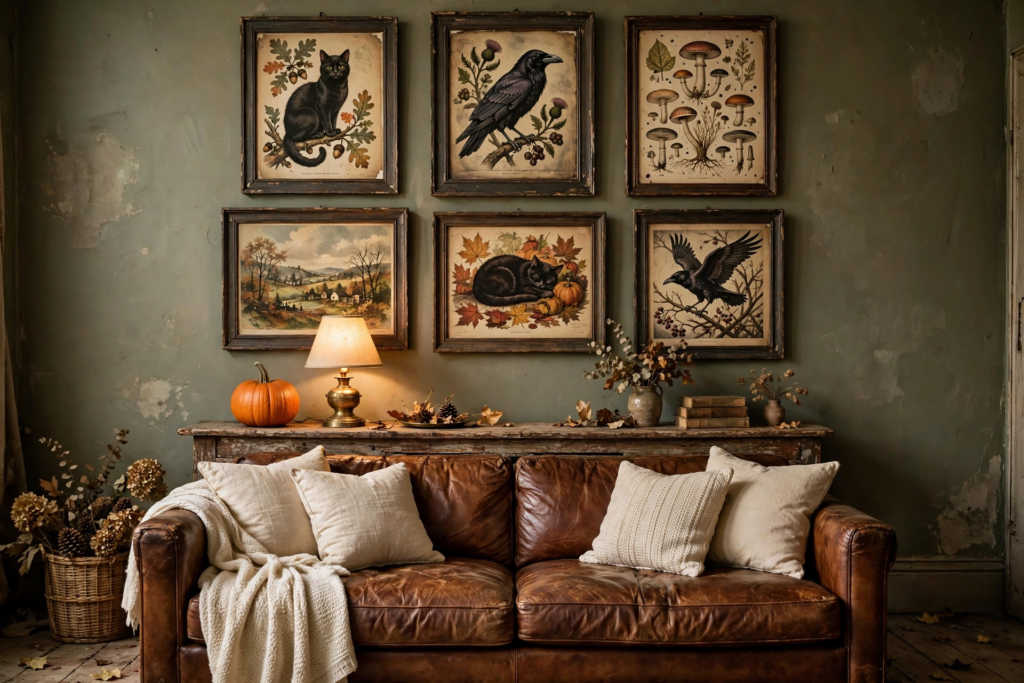
Vintage-inspired Halloween artwork adds personality and a touch of nostalgia to your living room. Look for framed illustrations featuring black cats, old-fashioned pumpkins, ravens, botanical sketches, or mysterious autumn landscapes.
Place the artwork on a mantel, create a small gallery wall, or lean framed prints against the wall on a console table. Dark wood frames and aged brass accents help the display feel collected rather than overly themed.
7. Add Black Cat Halloween Decorations
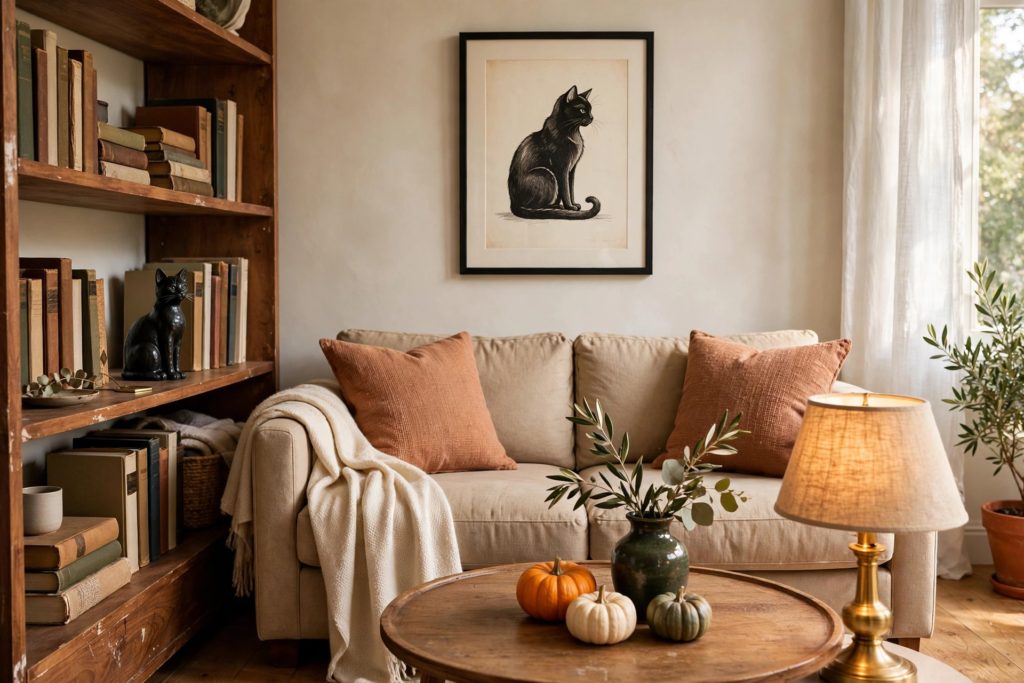
Black cat decorations bring a playful Halloween detail to your living room. Choose a small ceramic cat, a vintage-style framed illustration, or a simple black figurine for a shelf or side table.
Keep the surrounding decor understated with neutral books, a small pumpkin, and a warm candle. This approach adds a recognizable Halloween symbol while keeping the room stylish and uncluttered.
8. Style a Halloween Coffee Table With Mini Pumpkins
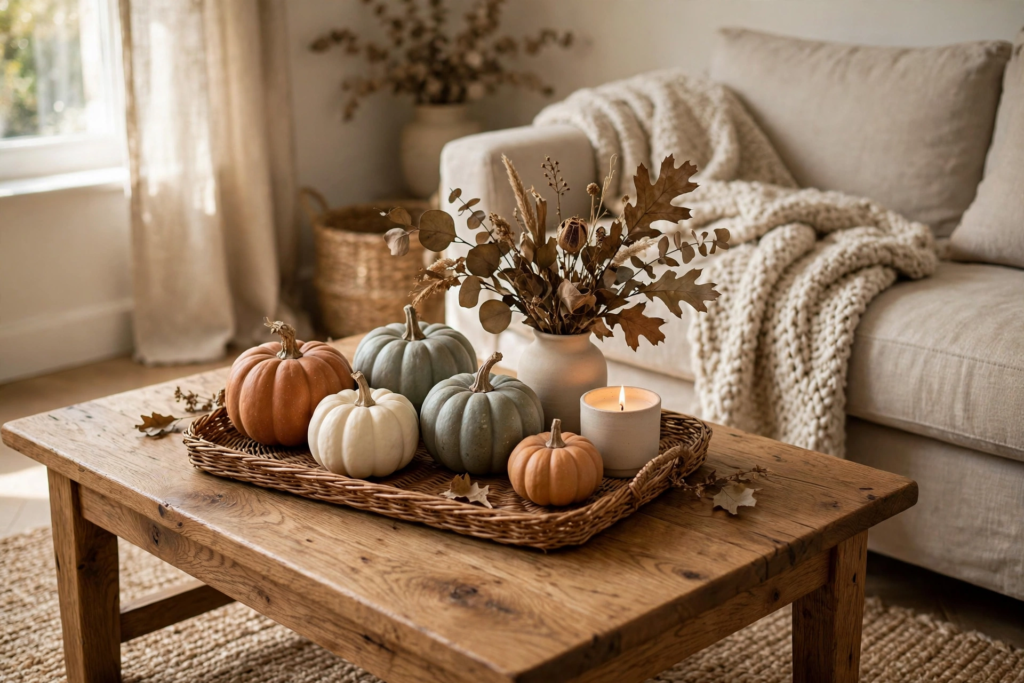
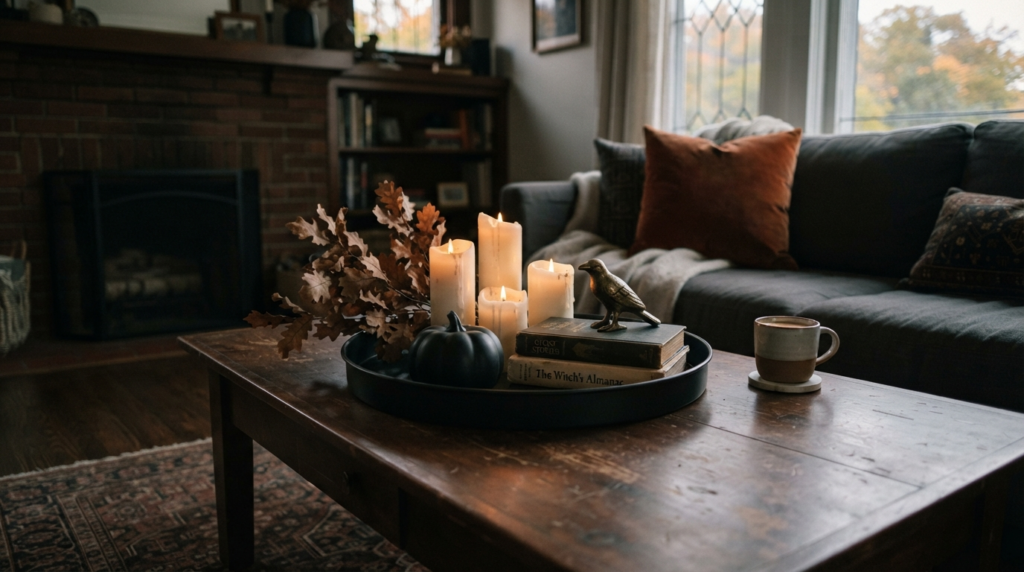
Your coffee table can become a simple seasonal centerpiece with just a few carefully chosen objects. Arrange mini pumpkins in cream, burnt orange, and black on a wooden tray, then add a small vase of dried flowers and a candle.
Vary the shapes and heights to make the display feel natural. Leave enough open space for everyday use, especially if your living room is a gathering spot for family and guests.
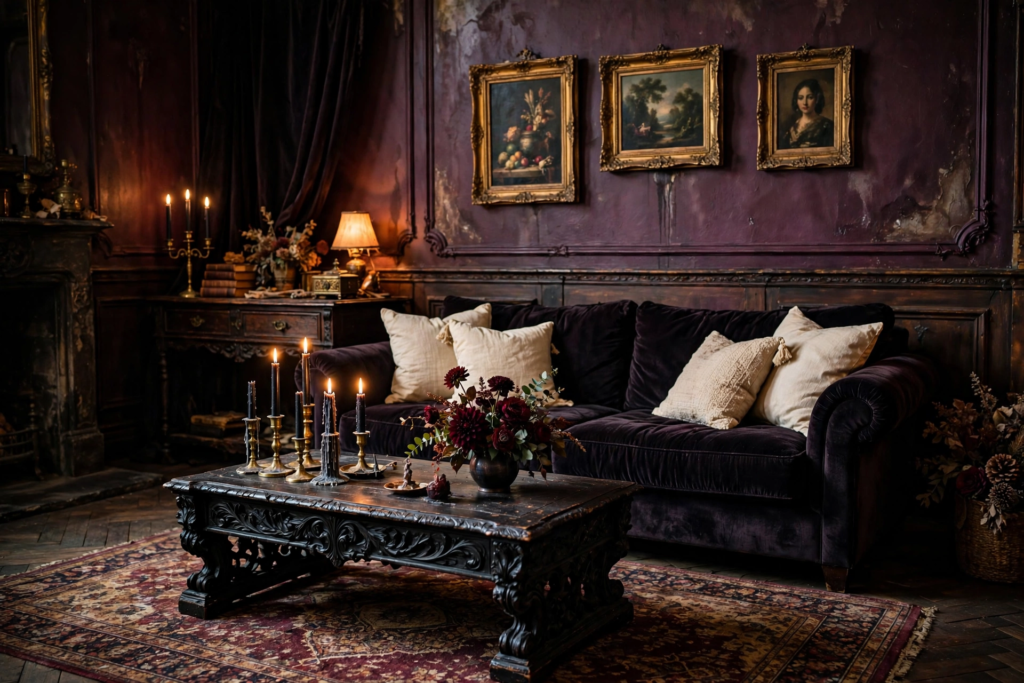
9. Create a Dark Gothic Halloween Living Room
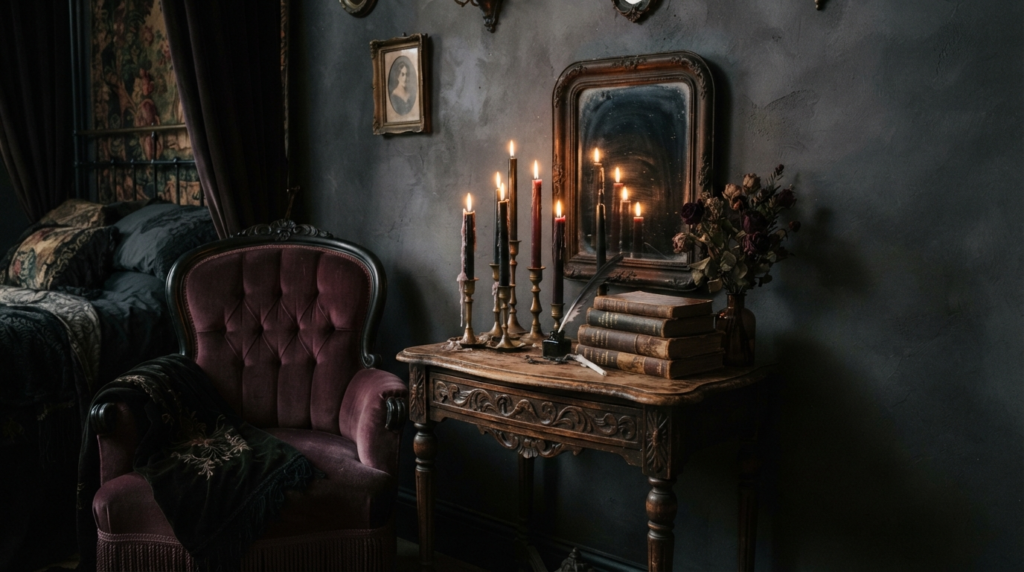
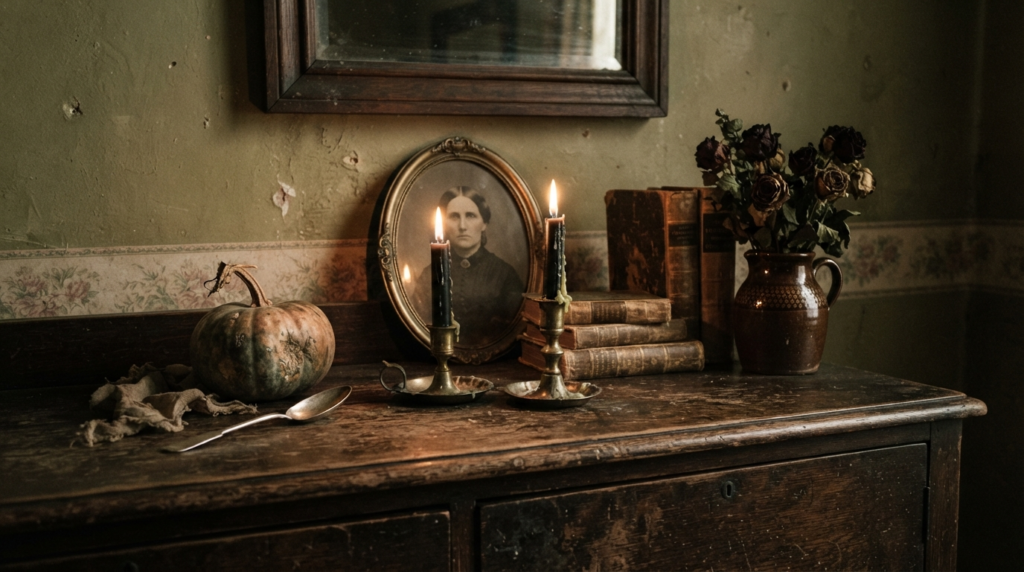
For a dramatic Halloween look, use deep charcoal, black, plum, and antique gold. A dark throw, ornate candle holders, vintage portraits, and a few black decorative branches can give the living room a gothic-inspired atmosphere.
Balance the darker elements with comfortable seating, soft rugs, and warm lighting. The goal is to create a mysterious, inviting room rather than a space that feels cold or overly theatrical.
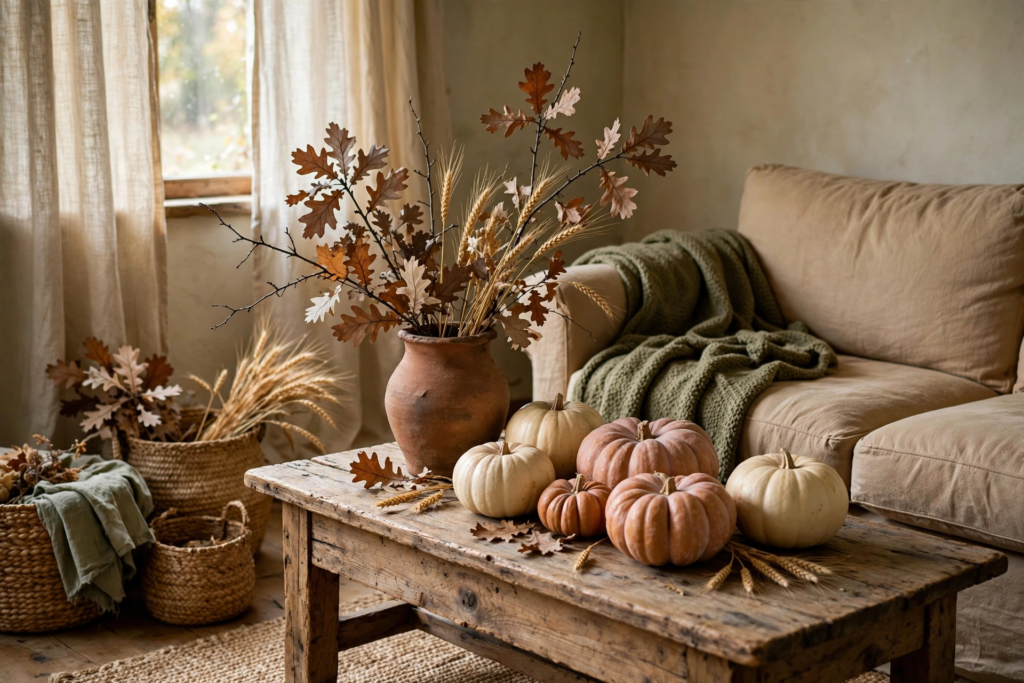
10. Decorate With Natural Pumpkins and Dried Leaves
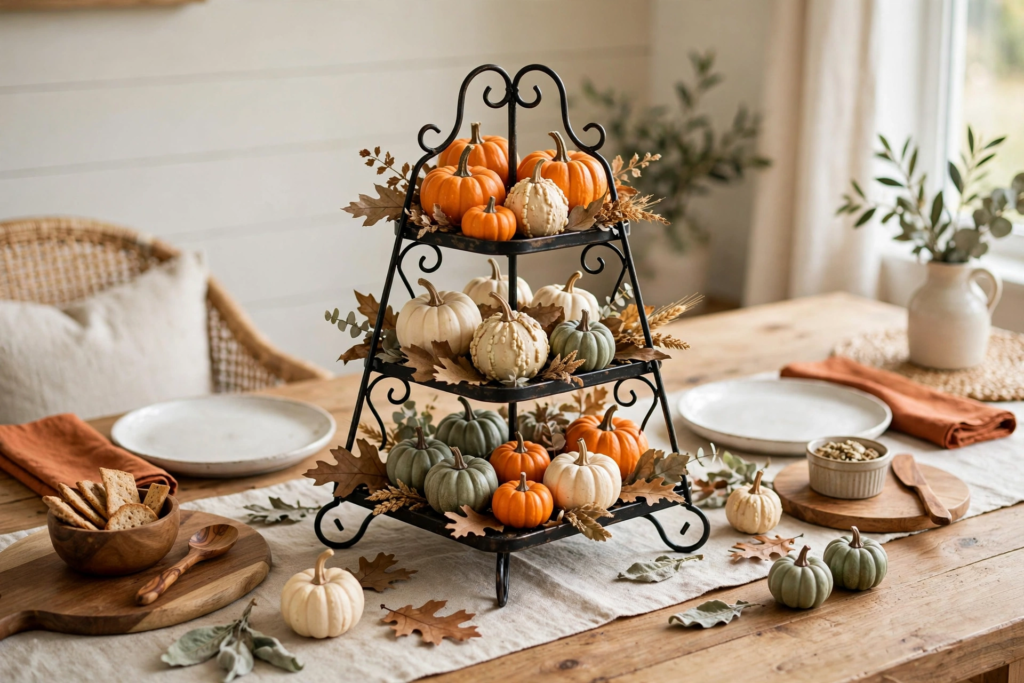
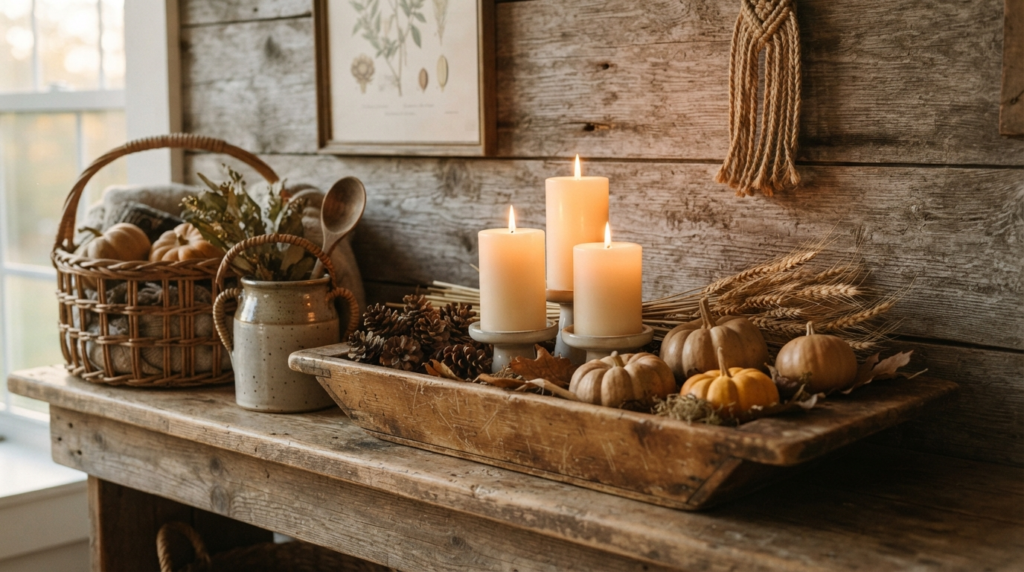
Natural pumpkins and dried foliage are perfect for a warm, rustic Halloween living room. Combine white, muted orange, and green pumpkins with dried oak leaves, wheat stems, and branches in a ceramic vase.
Place the arrangement near a window, on a console table, or beside the fireplace. Natural textures and earthy colors create a relaxed seasonal look that works beautifully with farmhouse, cottage, and neutral interiors.
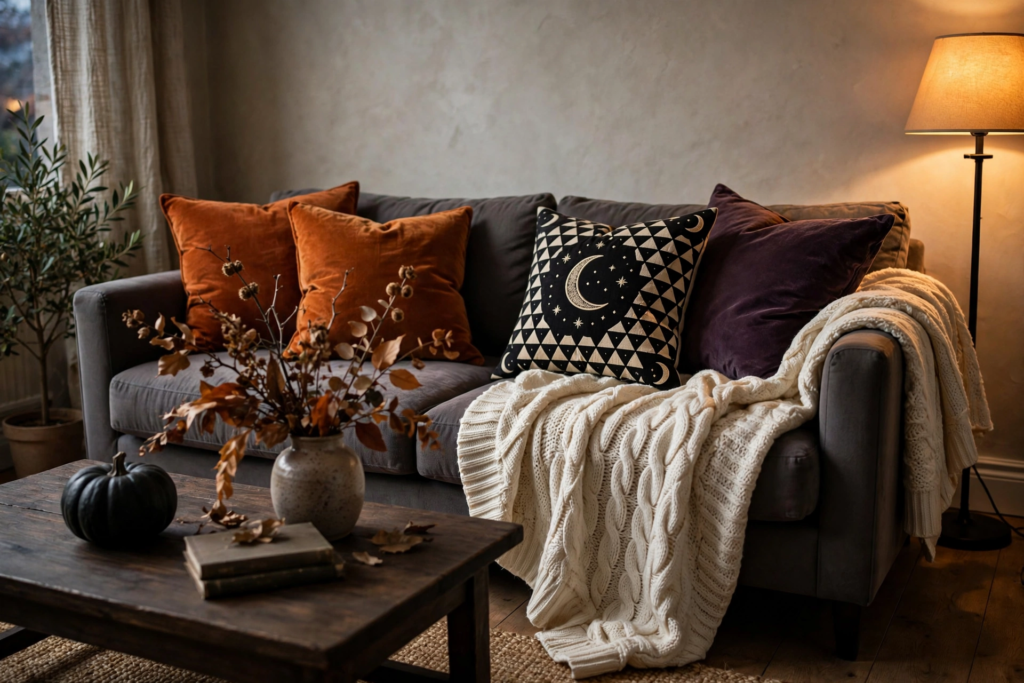
11. Add Halloween Throw Pillows and Cozy Blankets
Seasonal textiles are one of the easiest ways to decorate for Halloween without making permanent changes. Add cushions in black, rust, plum, or deep olive, and choose subtle patterns such as moons, stars, leaves, or vintage-inspired Halloween motifs.
Layer a chunky knit blanket over the sofa to make the room feel extra inviting. If you prefer a timeless look, choose solid colors and textured fabrics that can stay in use throughout fall.
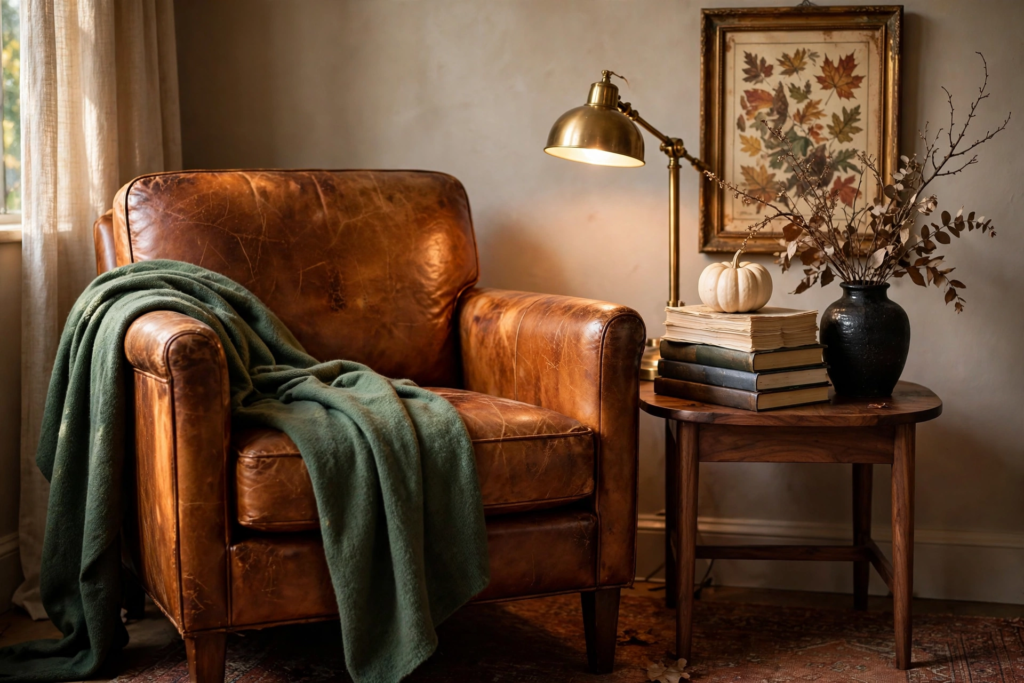
12. Create a Halloween Reading Corner
Turn an unused corner into a cozy Halloween reading nook. Add a comfortable armchair, a soft throw, a small side table, and a warm reading lamp. A stack of mystery novels or classic ghost stories adds a seasonal touch.
Decorate the corner with a mini pumpkin, a dark floral arrangement, or a small lantern. This creates a quiet, atmospheric spot for enjoying autumn evenings without needing to decorate the entire room.
13. Style a Neutral Halloween Living Room
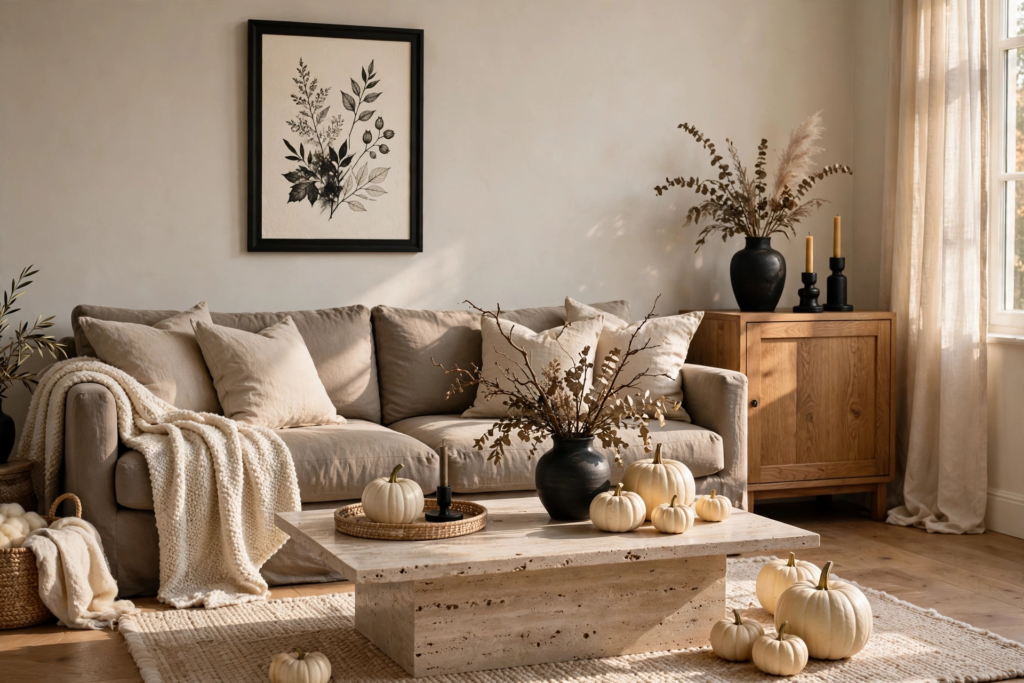
Halloween decor does not have to be colorful or dramatic. A neutral palette of ivory, beige, taupe, and warm gray can feel seasonal when paired with cream pumpkins, dried branches, textured cushions, and soft candlelight.
Add a few black accents to provide contrast, such as a dark vase or a simple framed print. The result is a calm, sophisticated Halloween living room that blends naturally with modern and minimalist interiors.
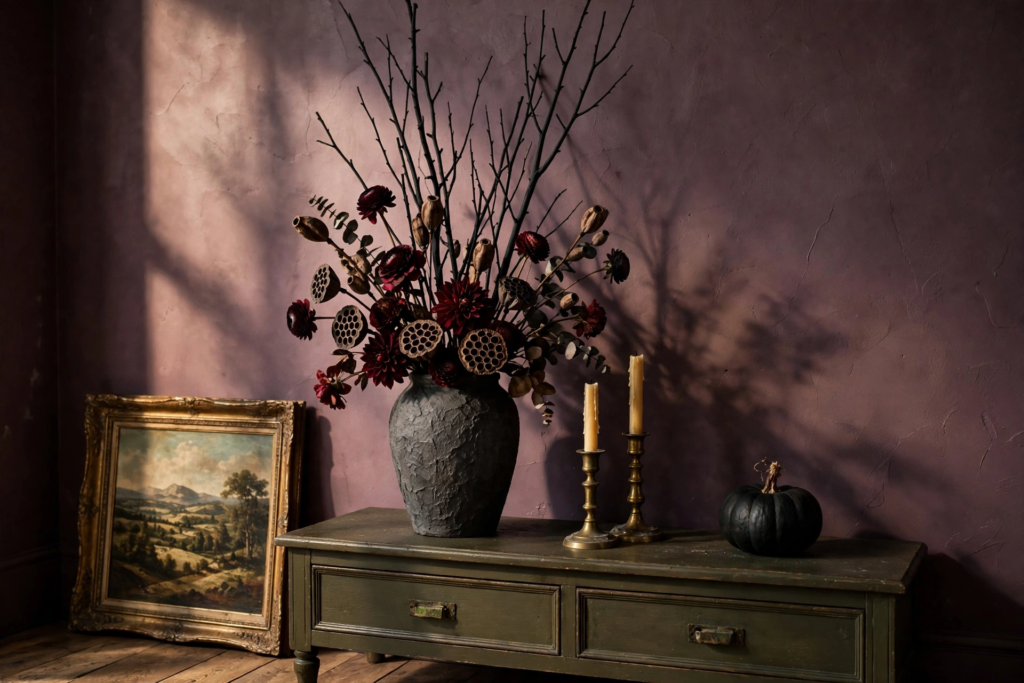
14. Decorate With Black Branches and Moody Florals
Black branches and dark flowers create height and drama without requiring many decorations. Place tall branches in a large ceramic vase, then add burgundy dahlias, dark foliage, or dried seed pods for texture.
Style the arrangement beside the fireplace or on a console table. Keep the rest of the display simple so the sculptural branches become the main feature.
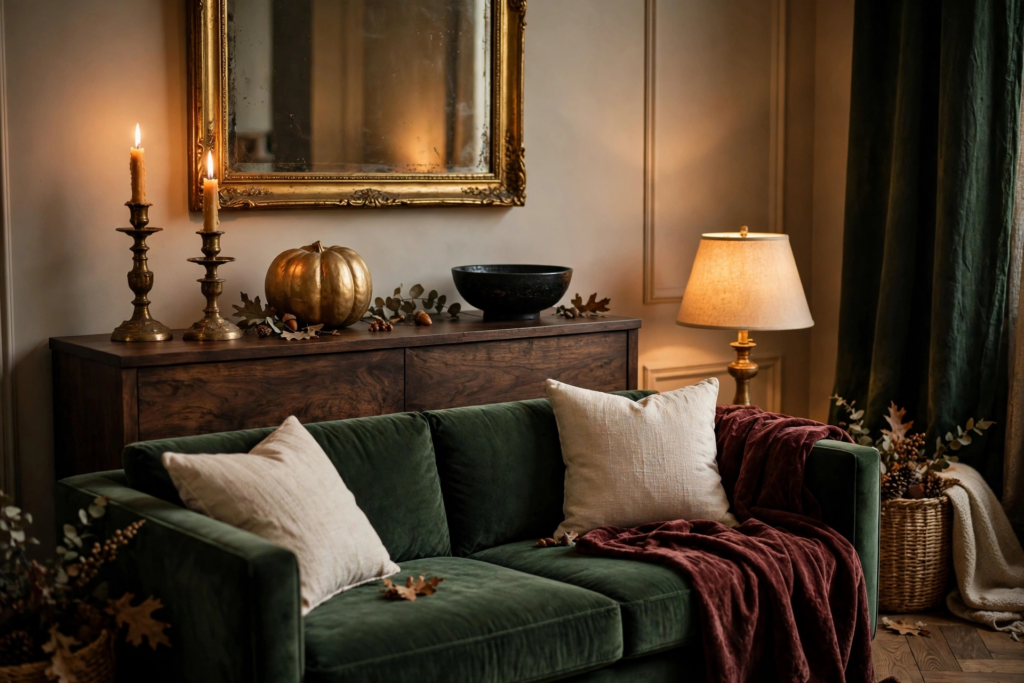
15. Add Antique Brass and Gold Halloween Accents
Antique brass and muted gold bring warmth to darker Halloween decorations. Use brass candle holders, gold-framed artwork, a small decorative bowl, or metallic pumpkins to introduce a subtle glow.
These finishes work especially well with black, forest green, burgundy, and chocolate brown. A few carefully placed metallic pieces can make even simple seasonal decorations feel elegant.
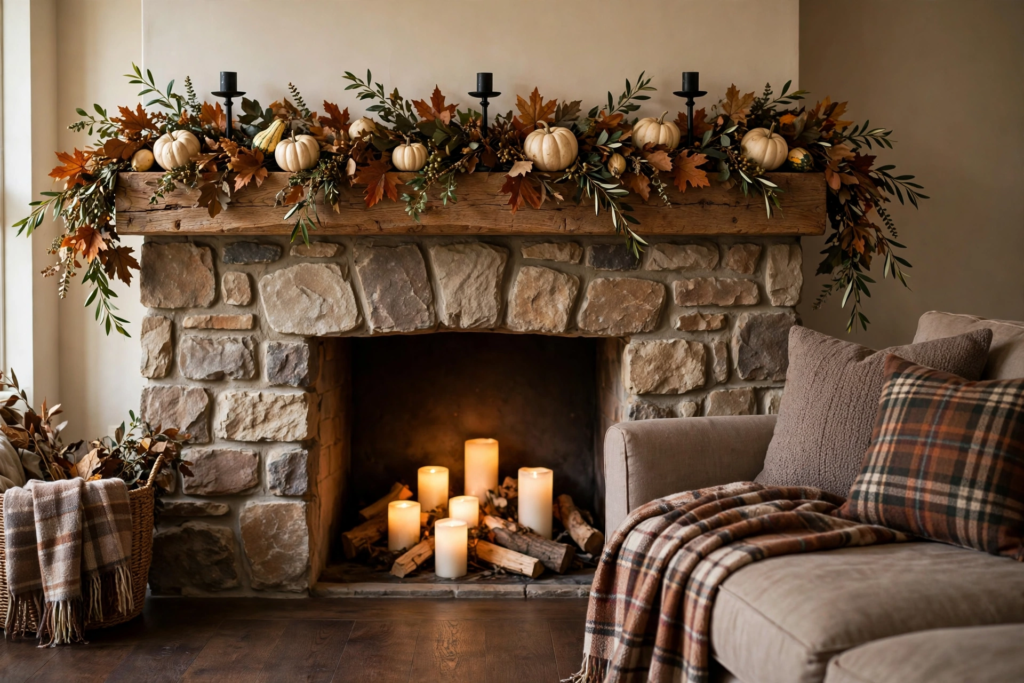
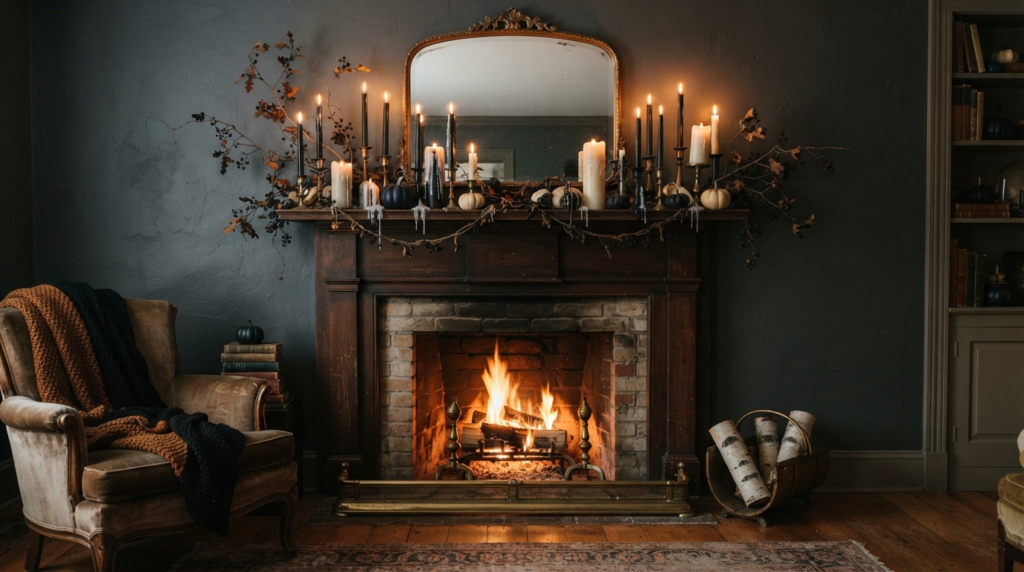
16. Create a Halloween Fireplace Display
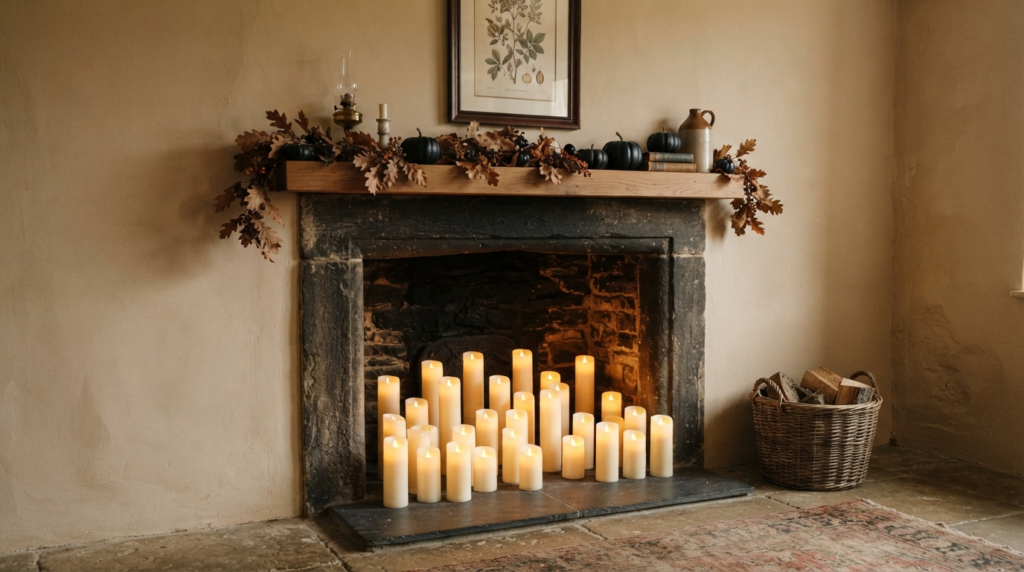
If your living room has a fireplace, use it as the main Halloween focal point. Decorate the mantel with mini pumpkins, dark foliage, candles, and a few vintage-inspired objects. A garland made from autumn leaves can add color and texture.
For a fireplace that is not in use, consider arranging LED candles inside the opening for a cozy glow. Always follow the fireplace manufacturer’s safety guidance and keep decorations away from heat sources.
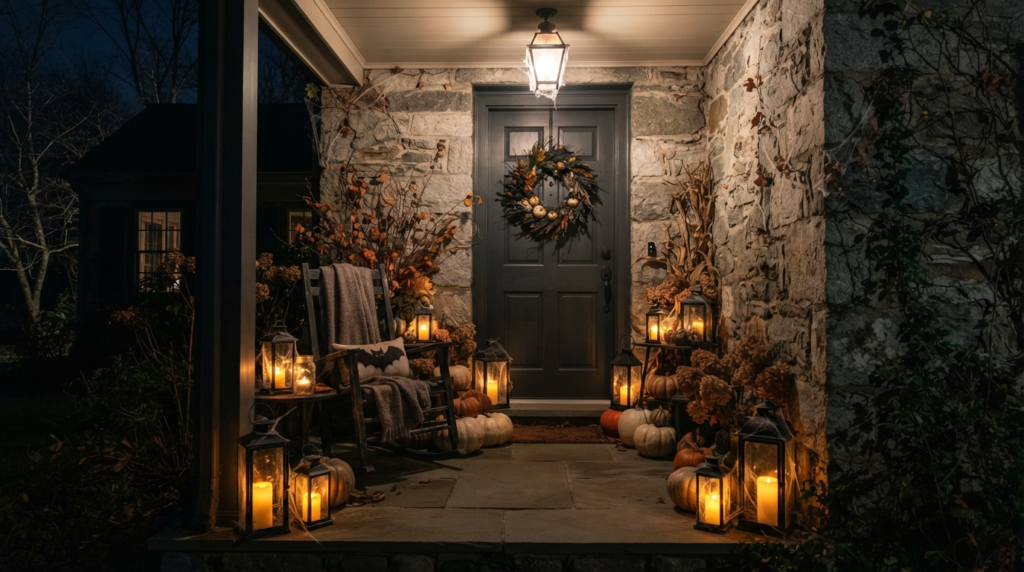
17. Decorate With Halloween Lanterns and Fairy Lights
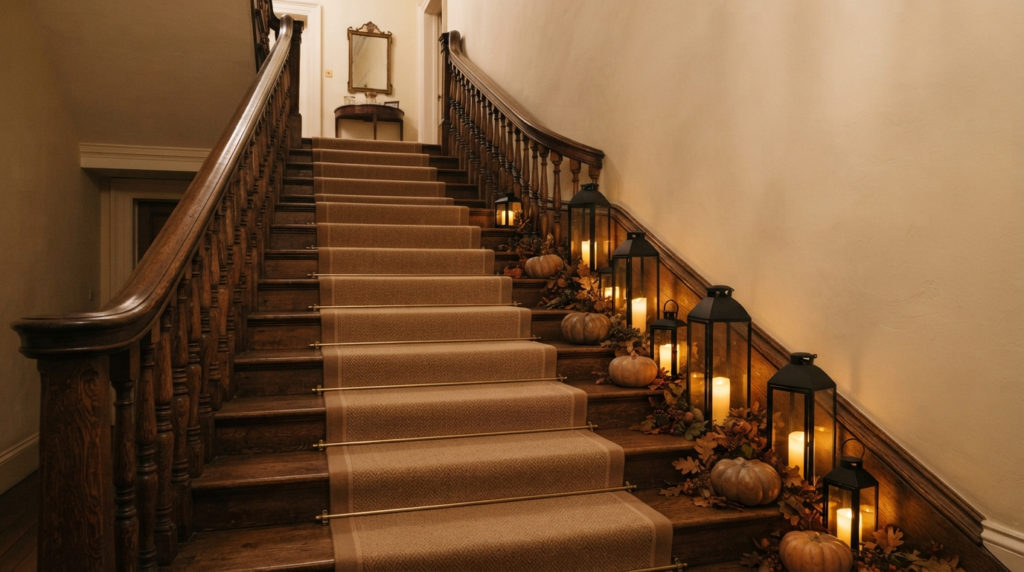
Lanterns and fairy lights add a soft, magical atmosphere to a Halloween living room. Place lanterns near the fireplace, beside a reading chair, or on a console table, and weave warm fairy lights through a garland or decorative branches.
Choose amber or warm-white lights to keep the room cozy. Black metal lanterns look especially striking with pumpkins, dried leaves, and dark wood furniture.
18. Create a Rustic Farmhouse Halloween Living Room
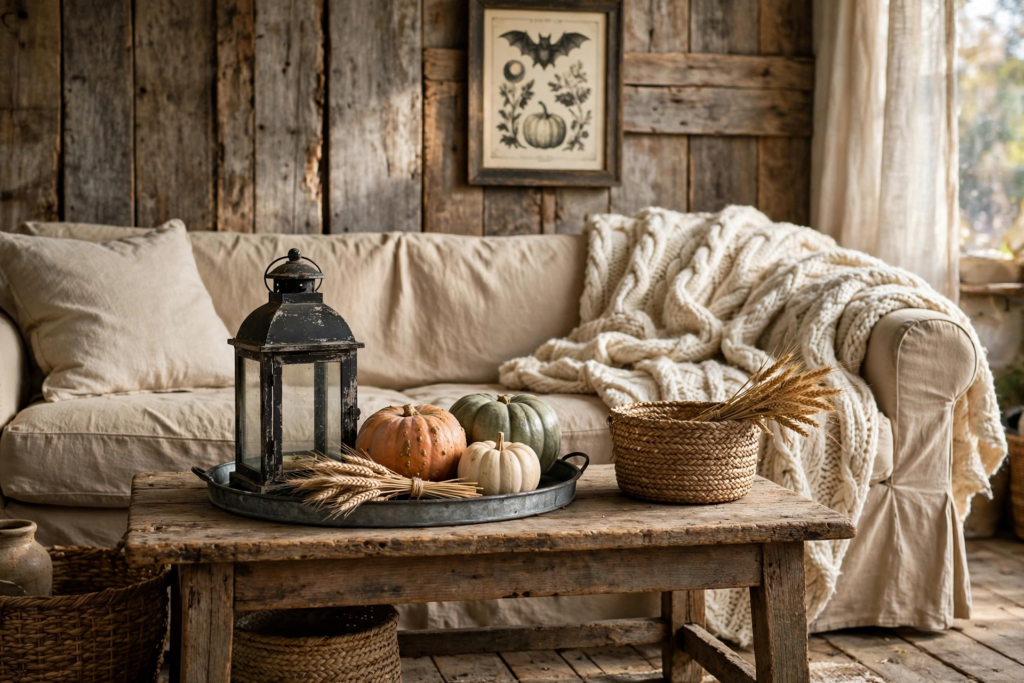
A farmhouse Halloween living room combines natural materials with simple seasonal accents. Use distressed wood, woven baskets, chunky knit throws, galvanized metal, and pumpkins in muted orange, cream, and sage green.
Add a small black sign or vintage-style Halloween print for a festive touch. The mix of weathered textures and warm colors creates a relaxed look that feels welcoming throughout the fall season.
19. Style a Witchy Halloween Living Room
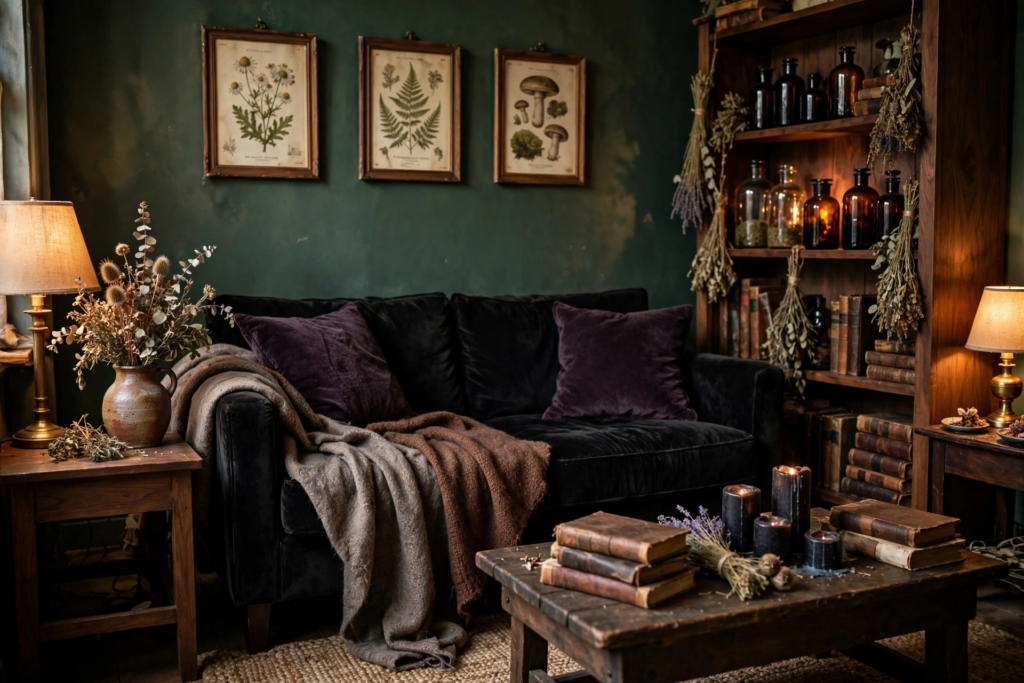
A witchy living room can feel mysterious, cozy, and beautifully layered. Decorate with dark botanical prints, amber glass bottles, dried herbs, black candles, vintage books, and deep purple or forest-green accents.
Use a few natural textures, such as linen, aged wood, and woven baskets, to keep the room from feeling too dark. Warm lamps and soft throws make the space comfortable enough for everyday lounging.
20. Decorate a Small Living Room for Halloween
Small living rooms can look festive with just a few well-placed decorations. Focus on one main area, such as the coffee table, mantel, or a narrow console, instead of spreading decorations throughout the room.
Choose compact pumpkins, a small vase of autumn branches, and a few cushions in seasonal colors. Using vertical space with wall art or a slim garland adds Halloween character without taking up valuable floor space.
21. Create a Cozy Spooky Living Room With Layered Lighting
Layered lighting is the secret to a cozy Halloween atmosphere. Combine a floor lamp, table lamps, warm fairy lights, and flameless candles to create different levels of soft illumination throughout the living room.
Pair the lighting with textured throws, dark cushions, natural pumpkins, and a few moody decorative accents. The combination of gentle light and comfortable materials creates a welcoming space for movie nights, reading, and relaxing during the spooky season.
How to Decorate Your Living Room for Halloween Without Overdoing It
The easiest way to keep Halloween decor stylish is to choose a clear color palette and repeat it throughout the room. Black and cream, burgundy and charcoal, or rust and olive are all combinations that feel seasonal without becoming too busy.
Focus on a few key areas, such as the mantel, coffee table, and sofa. Mixing seasonal decorations with items you already own—like books, vases, blankets, and candle holders—helps the room feel cohesive and personal.
Best Colors for a Cozy Halloween Living Room
Your color palette can determine whether your Halloween living room feels playful, dramatic, or understated.
Black and burnt orange: A classic Halloween combination with plenty of contrast.
Burgundy and charcoal: Rich, moody, and sophisticated.
Cream and warm beige: Soft, neutral, and easy to blend with everyday decor.
Forest green and antique gold: Elegant, natural, and slightly mysterious.
Rust and olive: Earthy autumn colors that create a cozy farmhouse feel.
Choose two or three main colors and use them consistently across pillows, pumpkins, artwork, and accessories.
How to Make Halloween Decorations Feel Cozy
Cozy Halloween decorating is all about balancing spooky details with comfortable textures. Soft blankets, plush cushions, warm rugs, and gentle lighting help counterbalance darker colors and dramatic decorations.
Natural materials also make a difference. Wood, linen, wool, dried foliage, and ceramic accessories add warmth and texture, helping seasonal decorations feel like part of your home rather than a temporary display.
FAQs About Halloween Living Room Decor
How can I decorate my living room for Halloween on a budget?
Start with decorations you already have, such as vases, candle holders, blankets, and picture frames. Add a few inexpensive pumpkins, dried branches, or printable Halloween artwork. Concentrating your decorations on one or two areas can make a big impact without requiring many purchases.
What are the best colors for Halloween living room decor?
Black and orange are classic choices, while burgundy, charcoal, forest green, cream, and rust create a more sophisticated seasonal look. Choose colors that complement your existing furniture and repeat them throughout the room.
How do I make Halloween decorations look elegant?
Use a limited color palette, choose quality-looking materials, and avoid overcrowding surfaces. Matte pumpkins, dark florals, antique brass, vintage artwork, and warm lighting can create an elegant Halloween atmosphere.
How can I decorate a small living room for Halloween?
Decorate a few small areas rather than the entire room. Use compact pumpkins, seasonal cushions, a small mantel display, or wall art. Avoid bulky floor decorations that make the room feel crowded.
When should I decorate my living room for Halloween?
Many people begin decorating in late September or early October. If you prefer a longer fall decorating season, start with pumpkins, autumn leaves, and cozy textiles, then add more distinctly Halloween-themed pieces as October progresses.
How can I make my Halloween living room feel spooky but cozy?
Use dark colors and mysterious decorative accents alongside warm lighting, soft blankets, comfortable seating, and natural textures. The contrast between moody styling and cozy materials creates the perfect balance.
Final Thoughts
Halloween living room decor can be as dramatic or understated as you like. From black pumpkins and vintage artwork to burgundy textiles, rustic foliage, and warm candlelight, small changes can make your space feel special for the season.
Choose a few ideas that suit your home’s style, keep your color palette consistent, and focus on creating a comfortable atmosphere. With the right mix of spooky details and cozy touches, your living room can become the perfect place to enjoy the magic of Halloween.
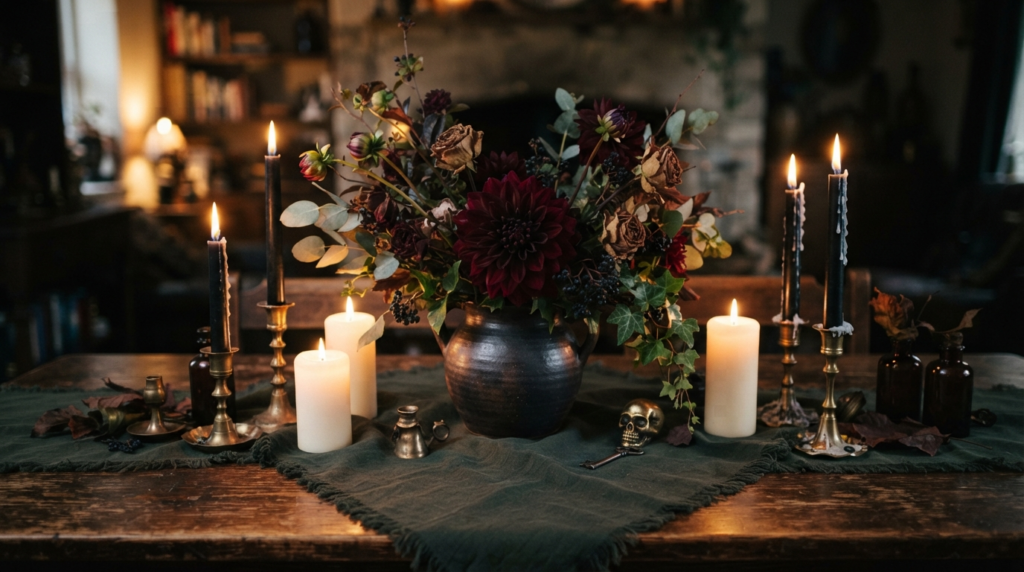
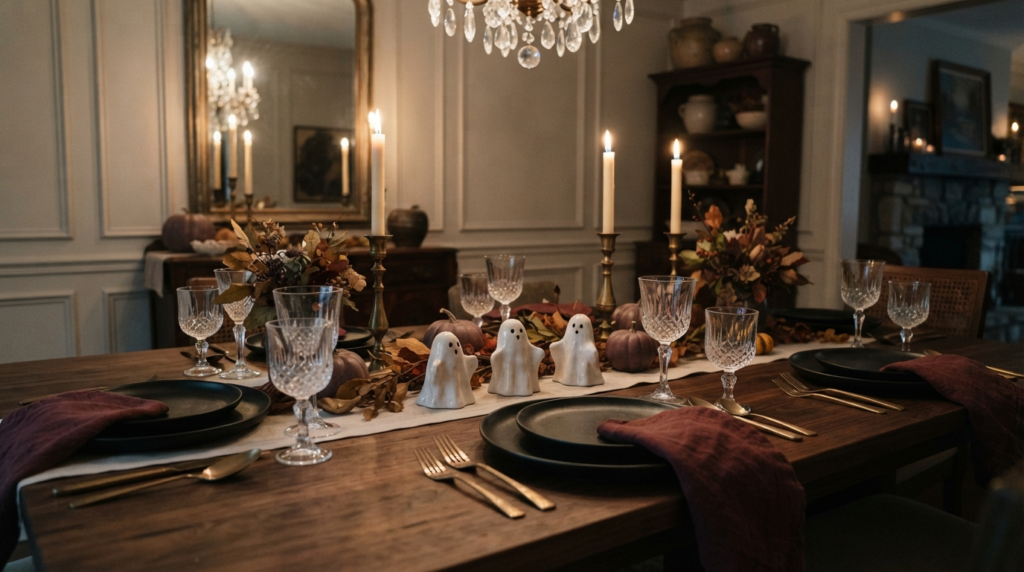
Halloween table decor can be spooky, elegant, and inviting all at once. With the right mix of pumpkins, candlelight, dark florals, and seasonal textures, you can create a dining table that feels festive without looking childish or overly cluttered.
Whether you’re planning a Halloween dinner party, an intimate autumn gathering, or a stylish seasonal dinner, these Halloween dining table centerpiece ideas will help you transform your table into a memorable focal point.
From moody black candles to beautiful pumpkin arrangements, these ideas combine Halloween character with sophisticated home styling.
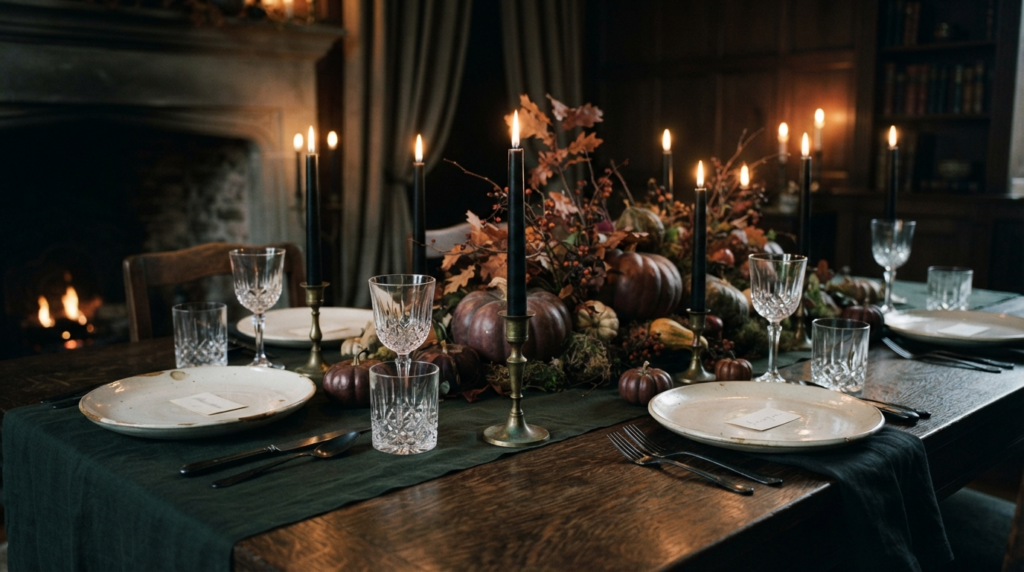
1. Create a Moody Black Candle Centerpiece
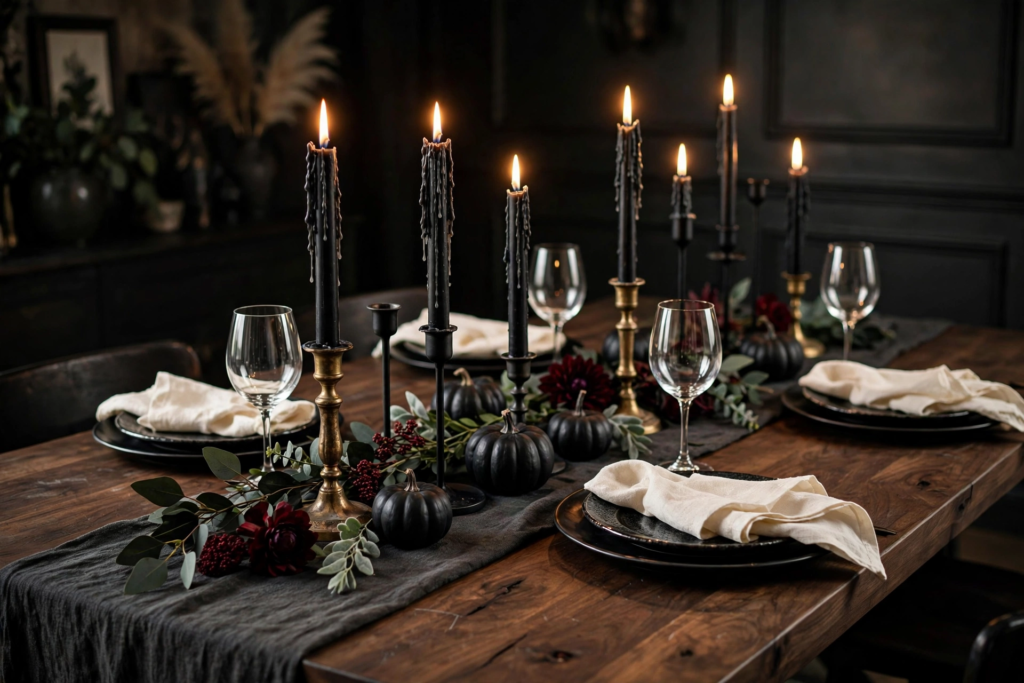
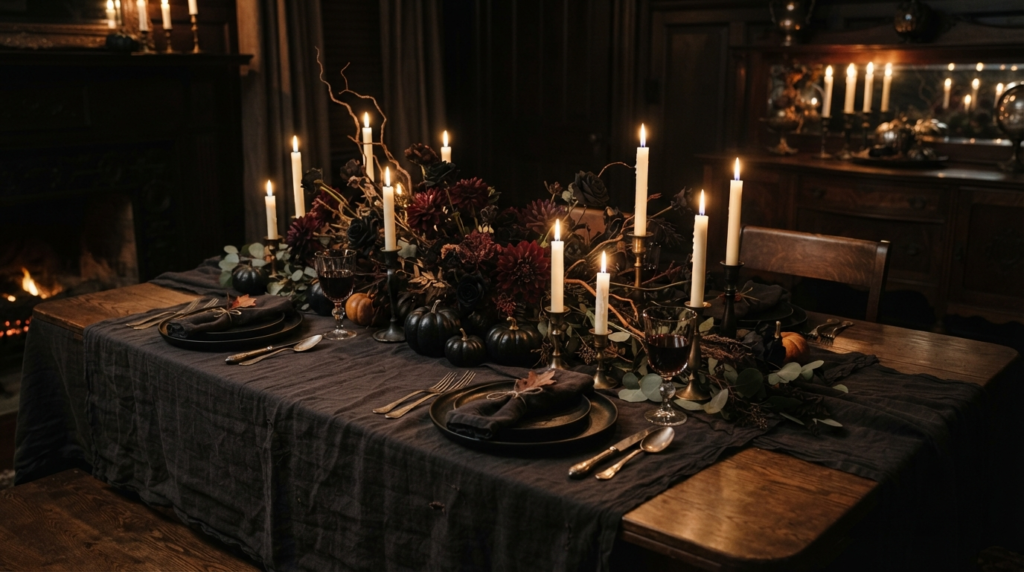
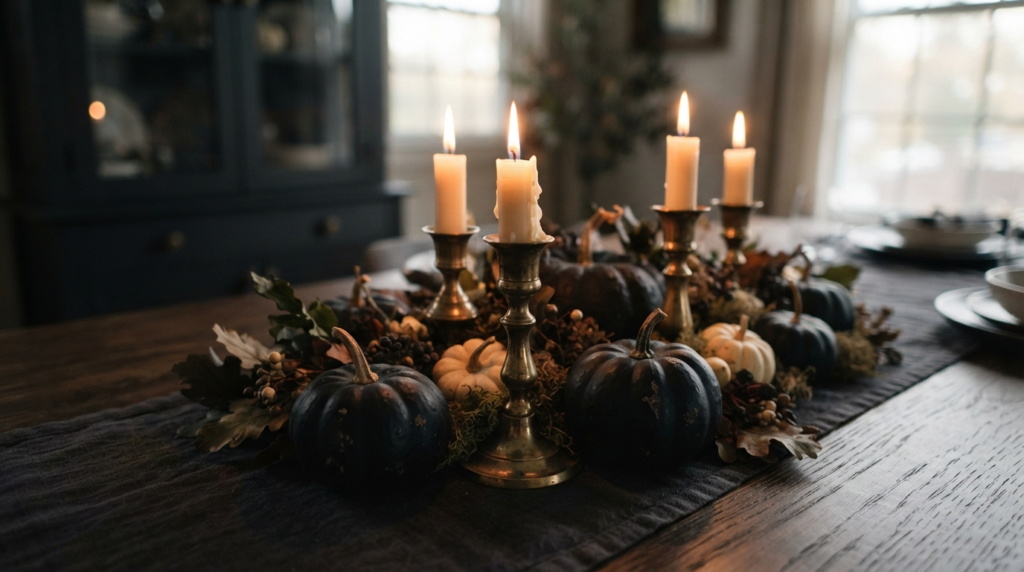
Black taper candles are an easy way to create a dramatic Halloween tablescape. Arrange them in different-height brass, black, or antique silver candleholders along the center of your dining table.
Pair the candles with a charcoal table runner, dark ceramic dishes, and a few small pumpkins in muted shades. The combination feels sophisticated and atmospheric, especially when the candles glow during an evening dinner.
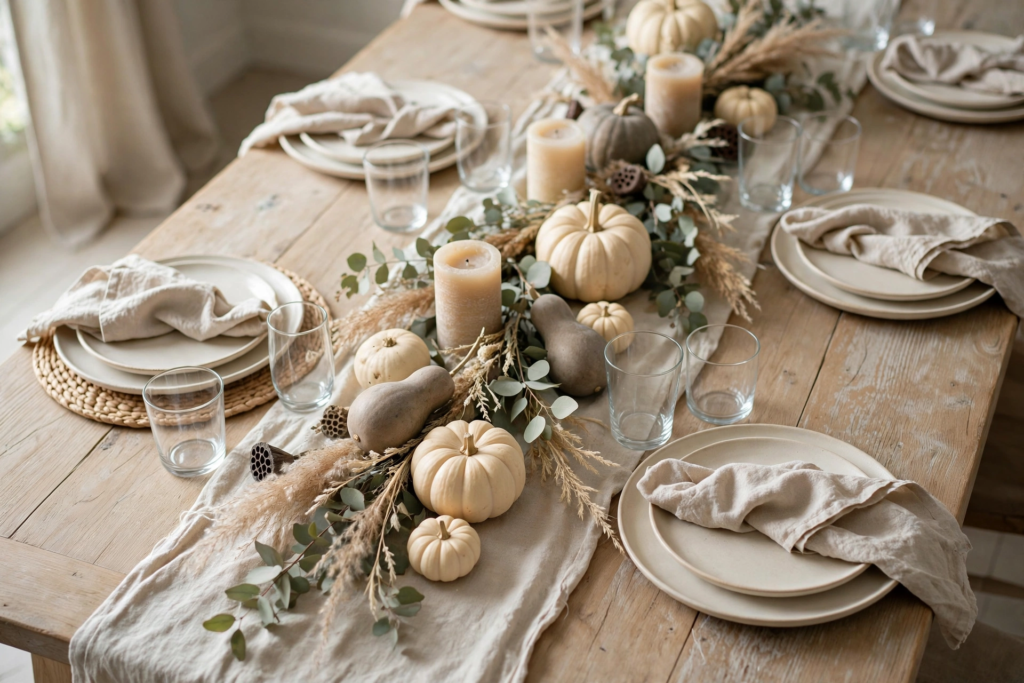
2. Arrange White Pumpkins With Eucalyptus
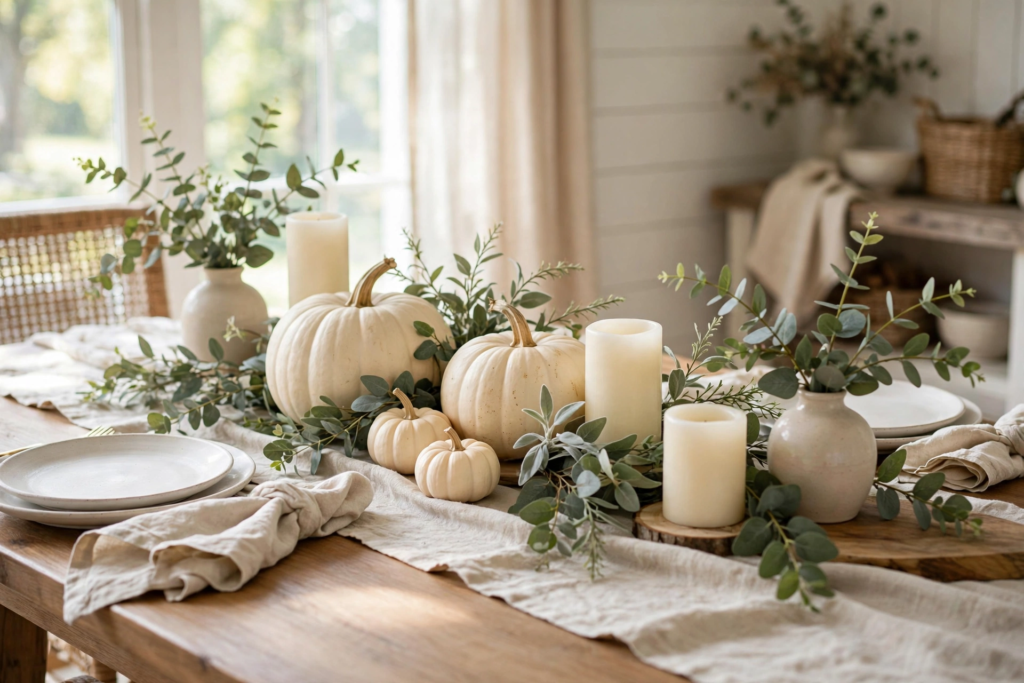
White pumpkins offer a softer, more elegant alternative to traditional bright orange Halloween decorations. Place pumpkins in several sizes down the center of the table, mixing miniature varieties with a few larger statement pieces.
Add fresh or faux eucalyptus branches for a natural green accent. A cream linen runner, ivory dishes, and clear glass candleholders help create a calm, modern farmhouse-inspired tablescape.
3. Style a Black and Gold Halloween Centerpiece
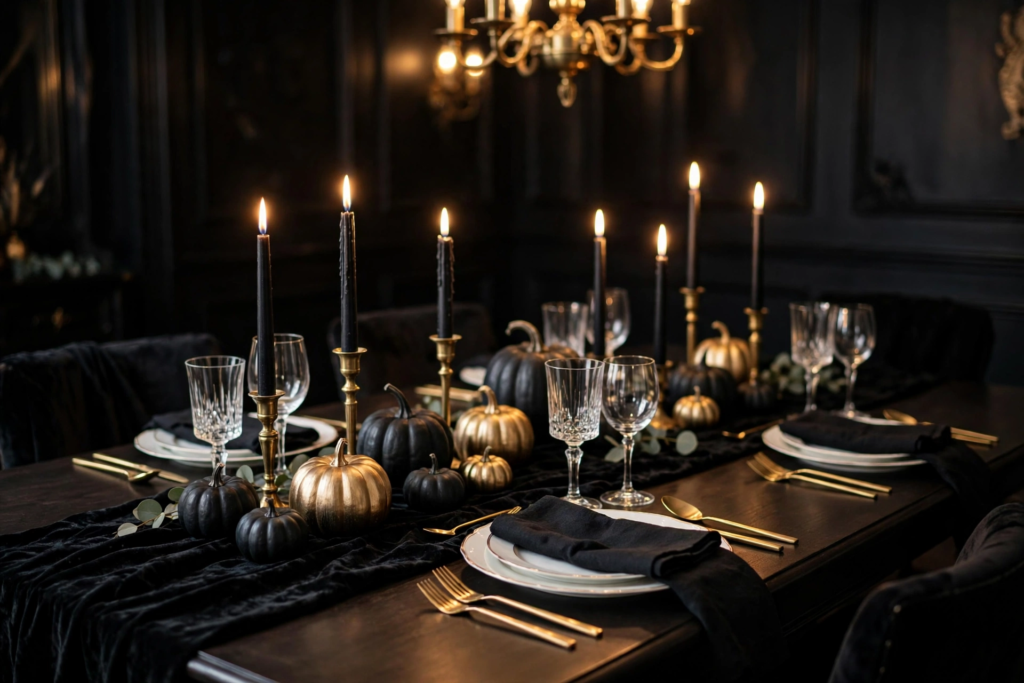
Black and gold create a luxurious color combination for Halloween entertaining. Start with a black table runner, then add gold candleholders, metallic mini pumpkins, and a few understated decorative accents.
Keep the rest of the table simple with white plates, black napkins, and clear glassware. The gold details catch the candlelight beautifully without making the arrangement feel too busy.
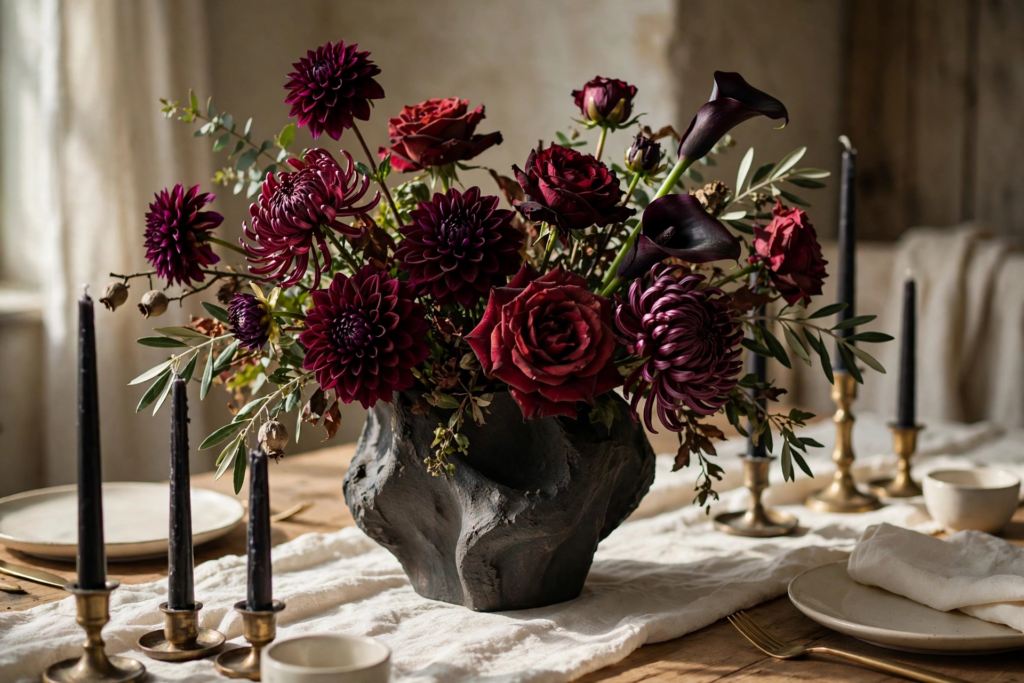
4. Display a Dramatic Dark Floral Arrangement
Dark florals can transform an ordinary dining table into a dramatic Halloween setting. Arrange burgundy roses, deep plum dahlias, dark red chrysanthemums, or nearly black calla lilies in a black ceramic or smoked-glass vase.
Add a few delicate branches and keep the surrounding decorations minimal. A dark floral centerpiece looks especially striking against an ivory tablecloth or a rich charcoal runner.
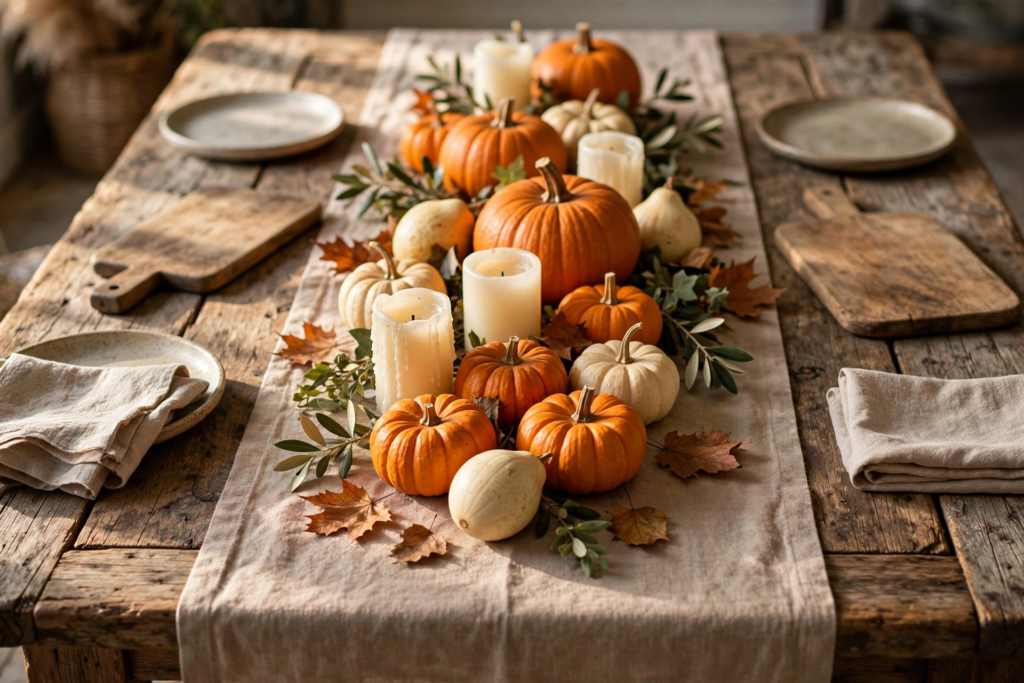
5. Make a Rustic Pumpkin and Candle Arrangement
For a cozy, rustic Halloween table, combine small orange pumpkins, cream gourds, and natural candles. Arrange them along a burlap, linen, or textured cotton runner, leaving enough space for serving dishes.
Add a few dried leaves, small wooden accents, or sprigs of seasonal greenery. The natural colors create a welcoming autumn atmosphere while still celebrating Halloween.
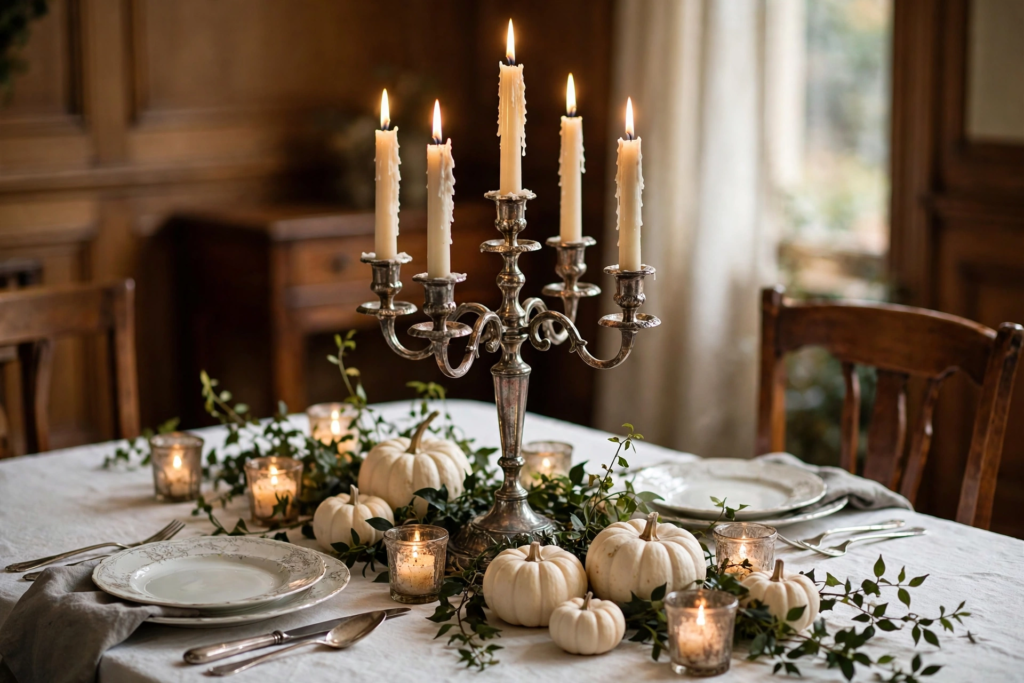
6. Use a Vintage Candelabra as the Focal Point
A vintage-inspired candelabra makes an elegant statement without requiring many additional decorations. Choose a black, antique brass, or aged silver design and place it in the center of your dining table.
Surround the base with a few mini pumpkins, dark greenery, or small glass votives. The aged finish adds character and works beautifully with traditional dining furniture, vintage tableware, and moody evening lighting.
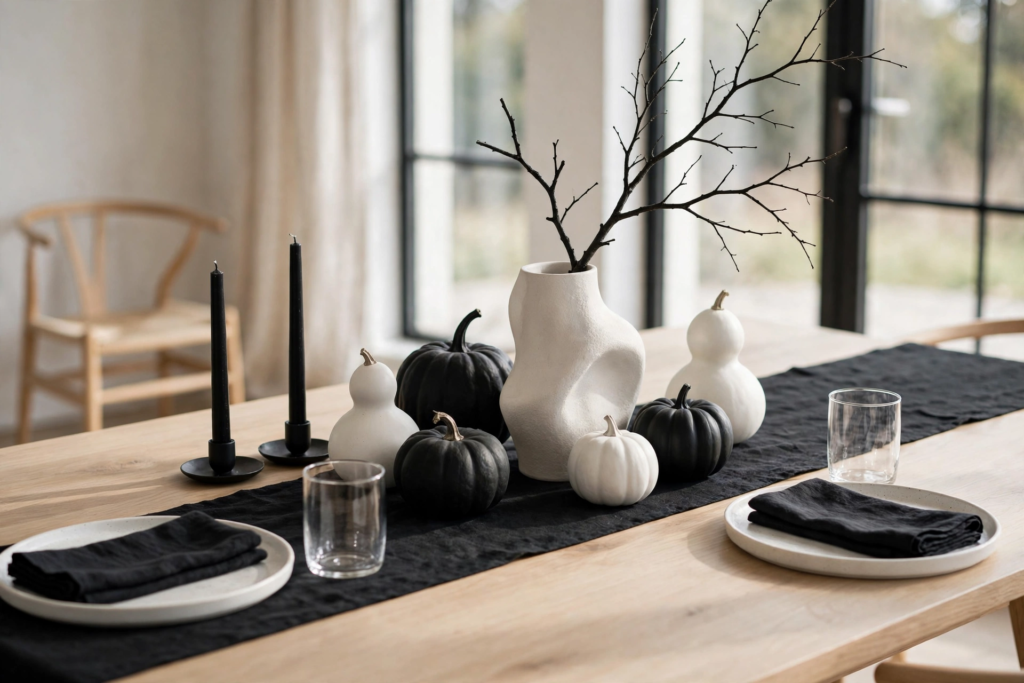
7. Create a Minimalist Black and White Centerpiece
A black and white Halloween centerpiece is perfect for a modern dining room. Combine matte black pumpkins, white ceramic gourds, black taper candles, and a simple neutral runner.
Use just a few carefully arranged pieces instead of filling the entire table. Clean lines and contrasting colors make the display feel intentional, stylish, and easy to coordinate with contemporary dinnerware.
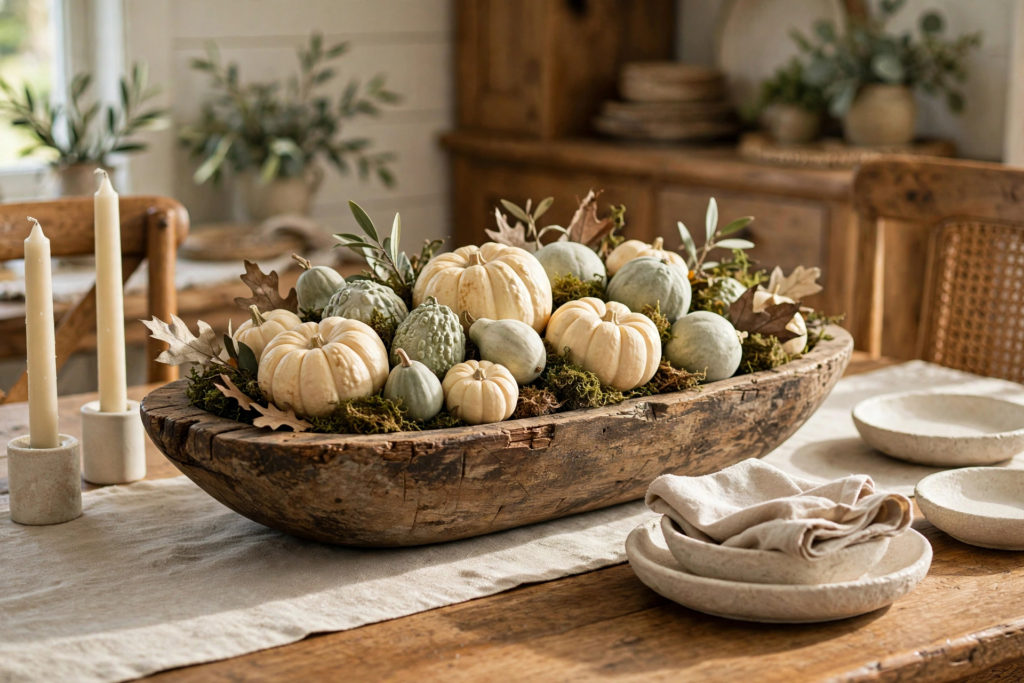
8. Arrange Mini Pumpkins in a Wooden Dough Bowl
A wooden dough bowl creates a beautiful base for a natural Halloween centerpiece. Fill it with miniature pumpkins, small cream gourds, preserved moss, and a few dried leaves.
Choose a bowl with a warm, weathered finish to bring texture to the table. This arrangement suits farmhouse, rustic, and cottage-inspired interiors, and it can be adapted with white pumpkins or darker seasonal accents.
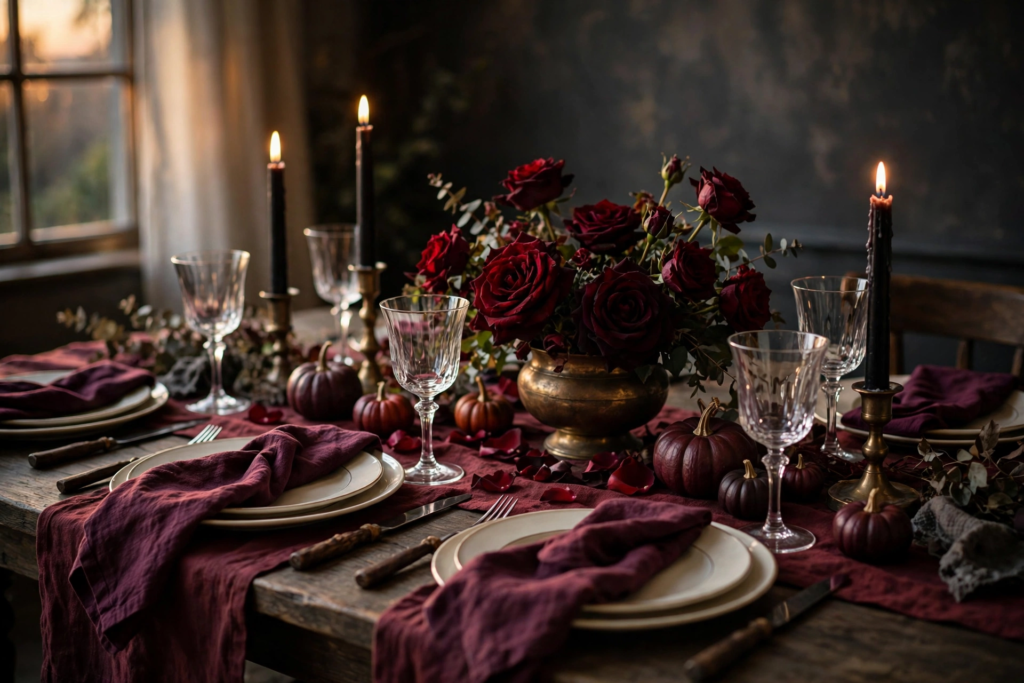
9. Design a Burgundy and Plum Halloween Tablescape
Burgundy and plum create a rich, romantic palette that feels perfect for an elegant Halloween dinner. Use a deep burgundy runner, dark plum napkins, and a centerpiece of burgundy flowers arranged in a ceramic vase.
Add black candleholders and a few muted metallic accents for depth. Cream plates and clear glassware help balance the darker colors, keeping the table sophisticated rather than overwhelming.
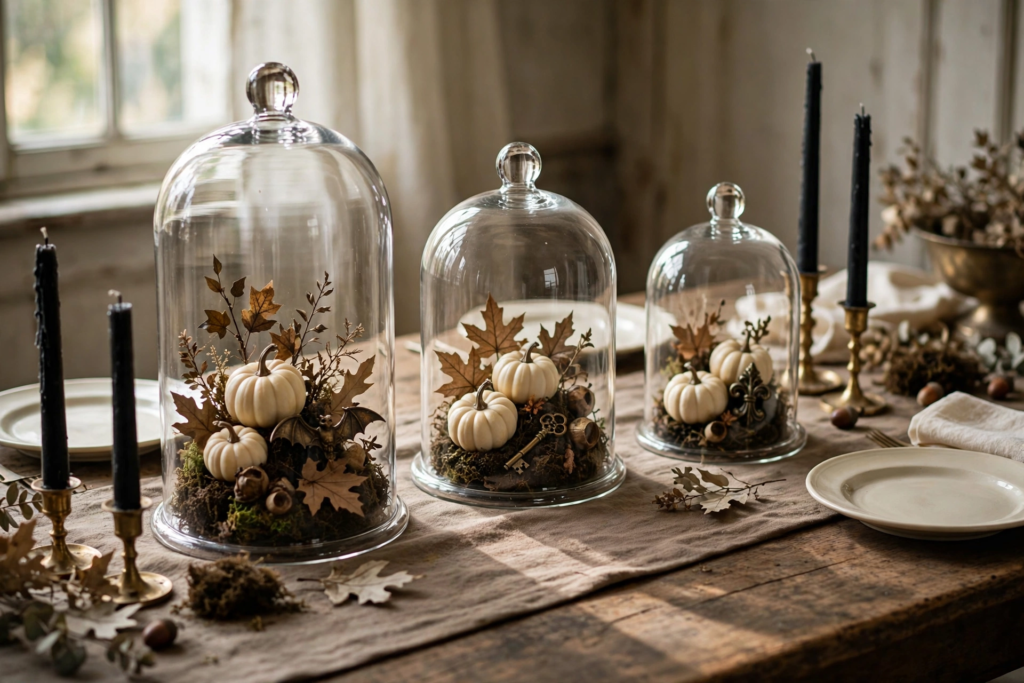
10. Use Glass Cloches for Spooky-Chic Displays
Glass cloches offer a creative way to display small Halloween decorations without making the table feel cluttered. Place miniature pumpkins, preserved leaves, dark moss, or a small decorative skull beneath individual glass domes.
Arrange one or two cloches beside candleholders or combine several at different heights. Their transparent glass creates a delicate, collected look that works particularly well with vintage, gothic, and modern Halloween decor.
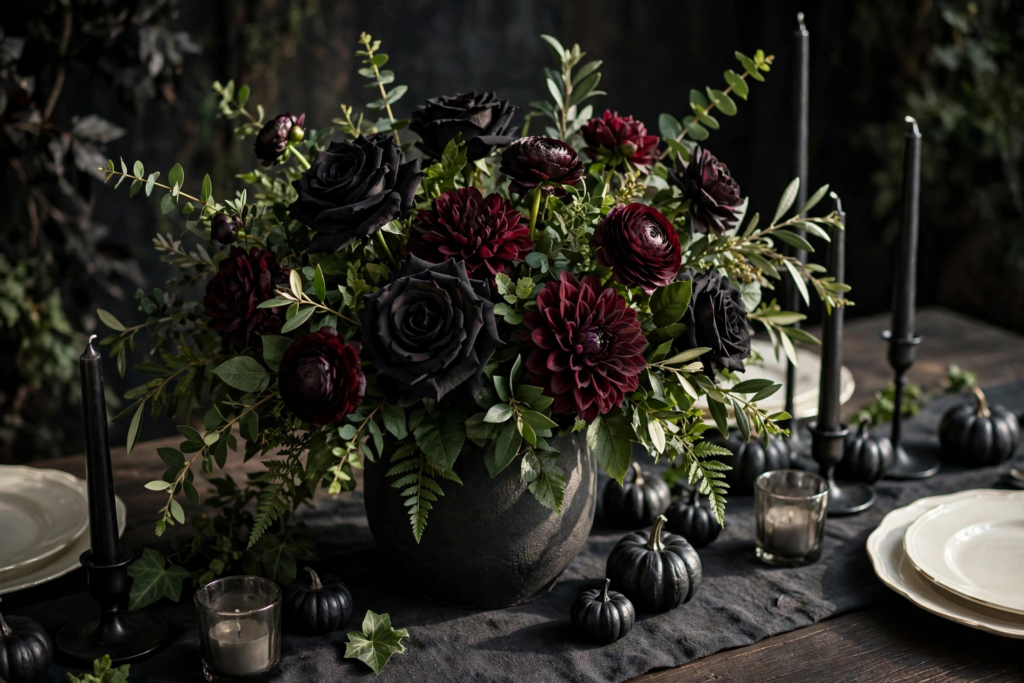
11. Create a Black Rose and Greenery Centerpiece
Black roses paired with rich greenery create a bold, dramatic centerpiece. Arrange black or very deep burgundy roses with dark foliage in a black vase, then place the arrangement on a charcoal or deep green runner.
Keep the surrounding decor restrained with black candles and simple ivory dishes. For a softer interpretation, use burgundy roses and dark green branches instead of flowers dyed completely black.
12. Decorate With Elegant Metallic Pumpkins
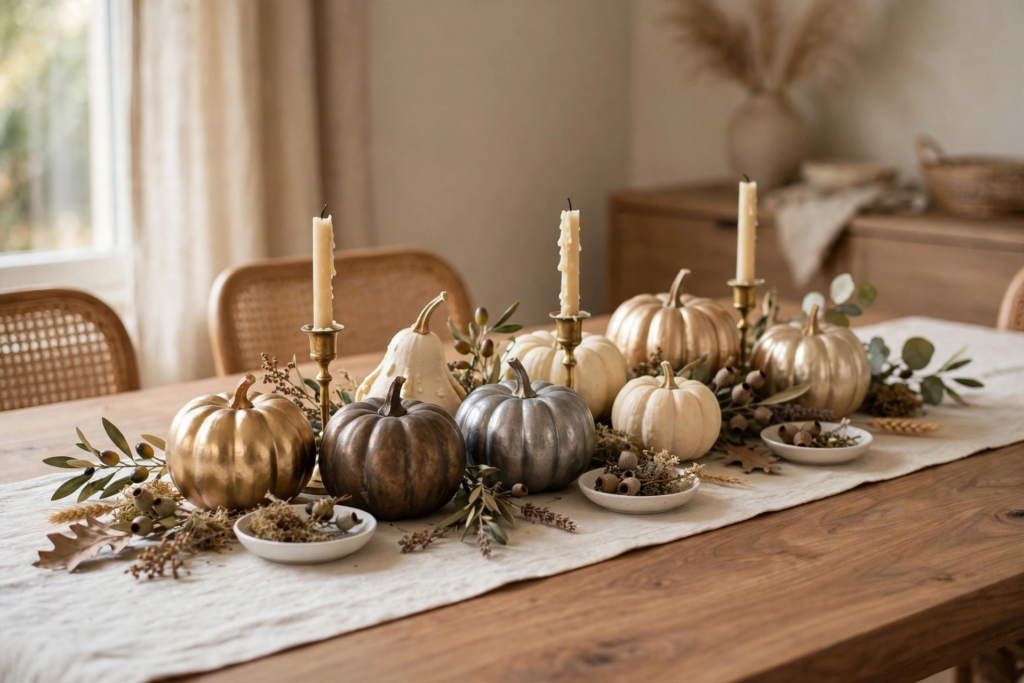
Metallic pumpkins add a subtle festive shine to a Halloween table. Choose brushed gold, aged bronze, pewter, or soft silver finishes, and arrange a few pieces along the center of a neutral runner.
Mix metallic pumpkins with natural mini gourds, linen napkins, and simple candleholders. Combining different textures makes the display feel layered and refined rather than overly glittery.
13. Build a Natural Centerpiece With Dried Branches
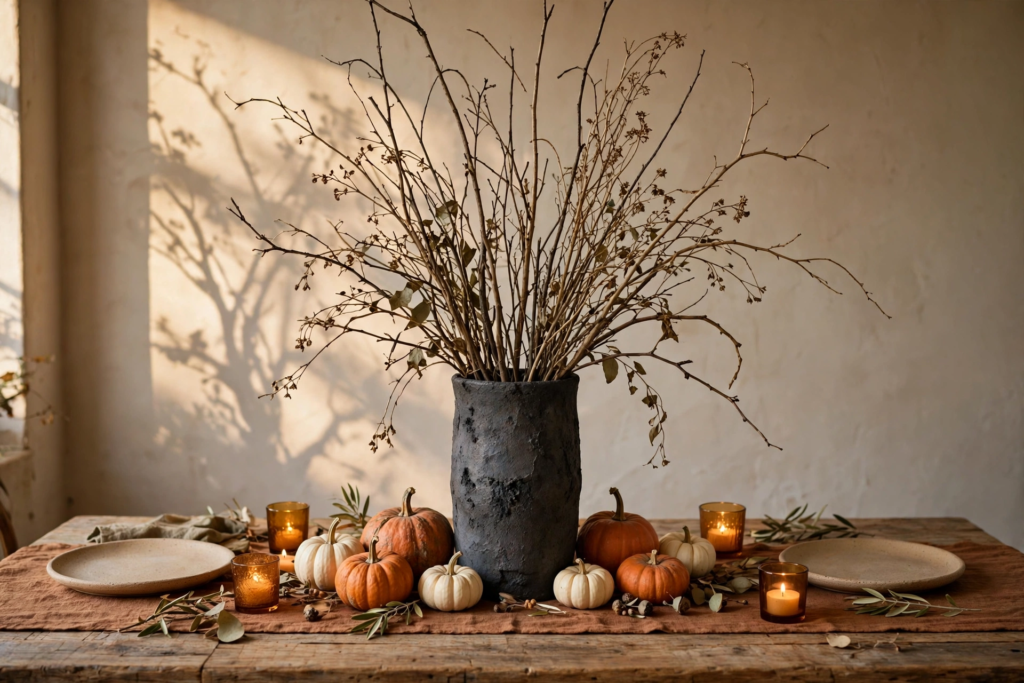
Dried branches create height and sculptural interest in a Halloween dining table centerpiece. Arrange a few branching stems in a tall dark vase, then add miniature pumpkins or small votive holders around the base.
For a moodier look, use dark-painted branches; for a natural autumn style, keep their original warm brown tones. Make sure the arrangement does not obstruct guests’ views across the table or interfere with overhead lighting.
14. Style an Elegant Halloween Fruit and Pumpkin Bowl
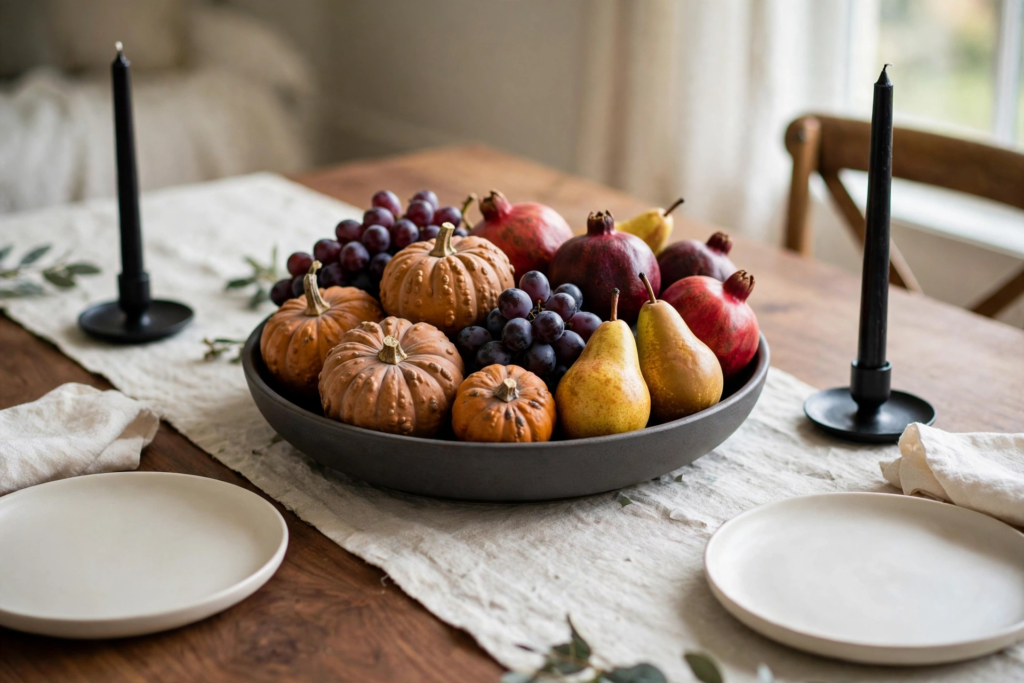
A seasonal fruit bowl can become a simple, natural centerpiece with the right styling. Fill a shallow ceramic bowl with miniature pumpkins, dark purple grapes, pears, and a few pomegranates for a rich mix of autumn colors.
Choose a black, cream, or weathered wood bowl to complement your dining room. This idea works particularly well for relaxed family dinners because it looks decorative while remaining easy to assemble.
15. Make a Gothic-Inspired Candle and Rose Arrangement
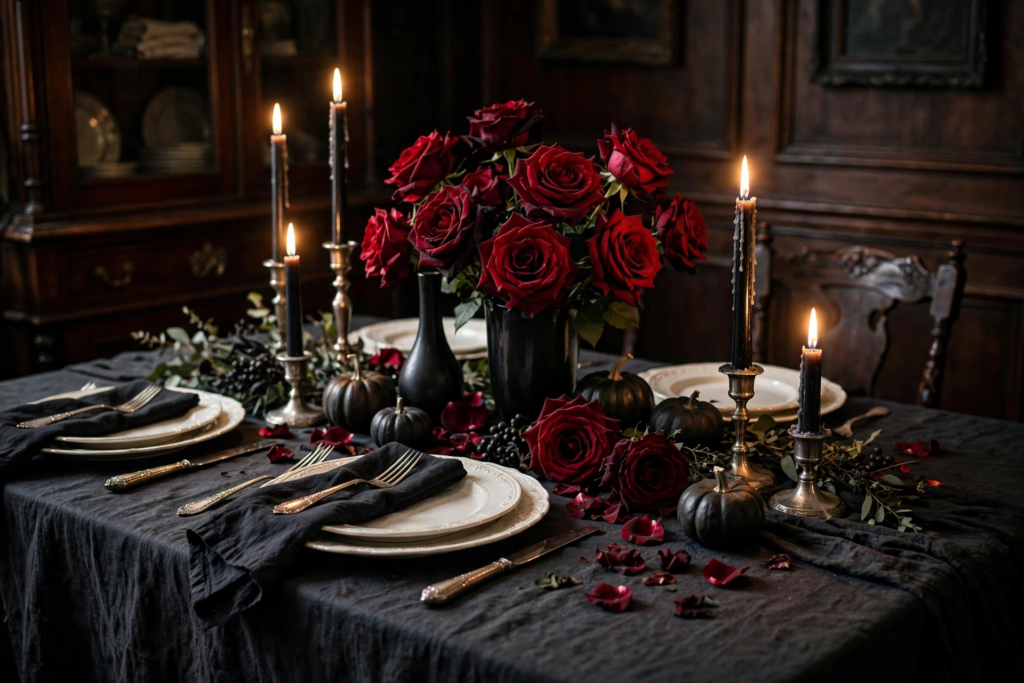
A gothic-inspired centerpiece combines dark roses, black taper candles, antique-style candleholders, and a few subtle metallic details. Place the flowers in a dark vase and arrange the candles at different heights around them.
A black tablecloth or deep charcoal runner enhances the dramatic effect, while ivory plates provide contrast. Keep the arrangement balanced and leave sufficient room for dishes, glasses, and comfortable conversation.
16. Arrange Pumpkins on a Tiered Stand
A tiered stand brings vertical interest to a Halloween table without taking up too much surface space. Use a black metal, aged brass, or rustic wooden stand and decorate its levels with mini pumpkins, tiny gourds, dried leaves, and a few small decorative accents.
Keep the objects secure and evenly distributed. A tiered centerpiece is especially useful for smaller dining tables, but choose a compact stand so it does not interfere with serving food.
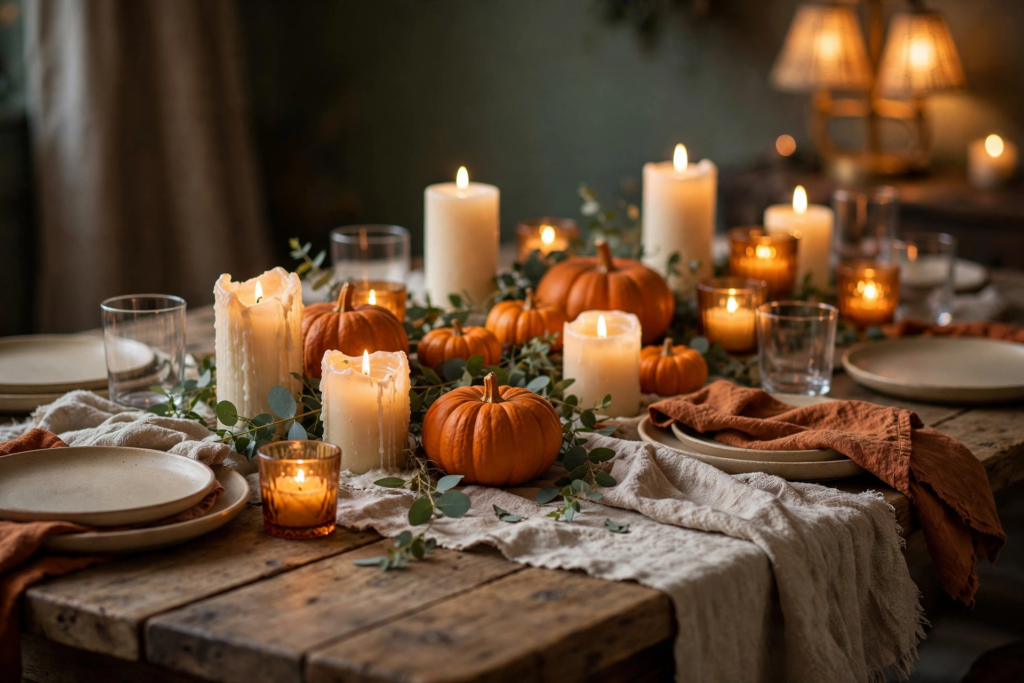
17. Create a Cozy Candlelit Autumn Centerpiece
For a warm and inviting Halloween dinner, combine cream pillar candles, amber glass votives, small pumpkins, and soft seasonal greenery. Arrange them on a natural linen runner in a relaxed, slightly asymmetrical layout.
Warm candlelight creates a beautiful evening atmosphere, while cream, caramel, rust, and muted green tones keep the decor cozy. Use stable candleholders and keep open flames away from dried leaves, fabric, and other flammable decorations.
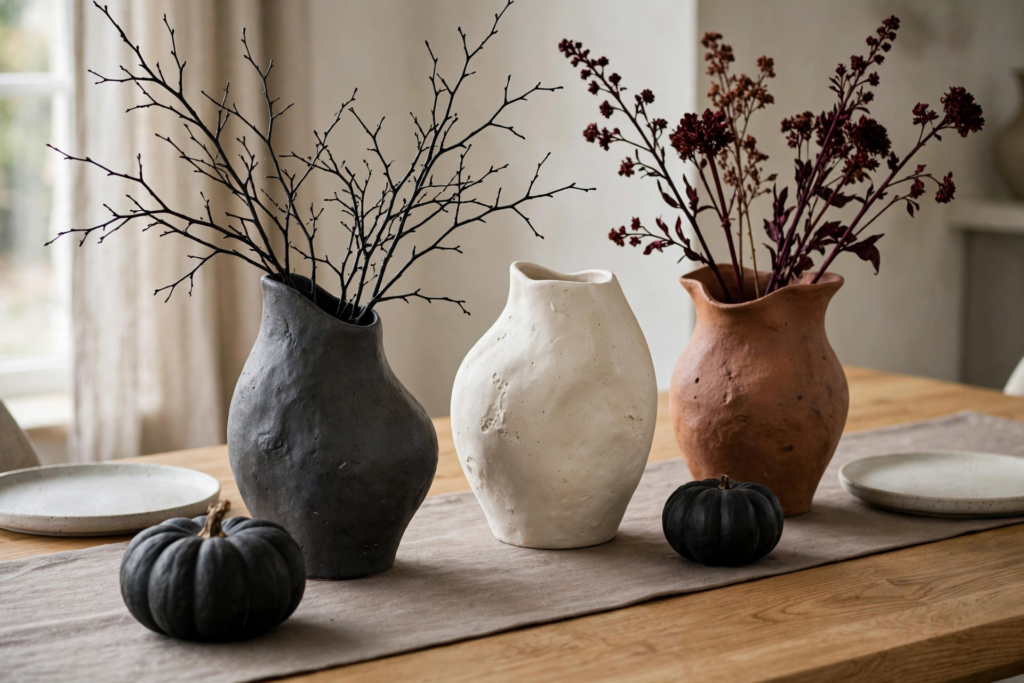
18. Style a Modern Halloween Centerpiece With Sculptural Vases
Sculptural vases can make a Halloween centerpiece feel contemporary and artistic. Choose black, charcoal, or warm ivory vessels in different shapes, then fill one with dark branches and another with a few dramatic stems.
Add one or two matte pumpkins and a simple runner to connect the arrangement. This approach works well in modern homes where understated decor, clean silhouettes, and carefully chosen materials are more appealing than traditional Halloween ornaments.
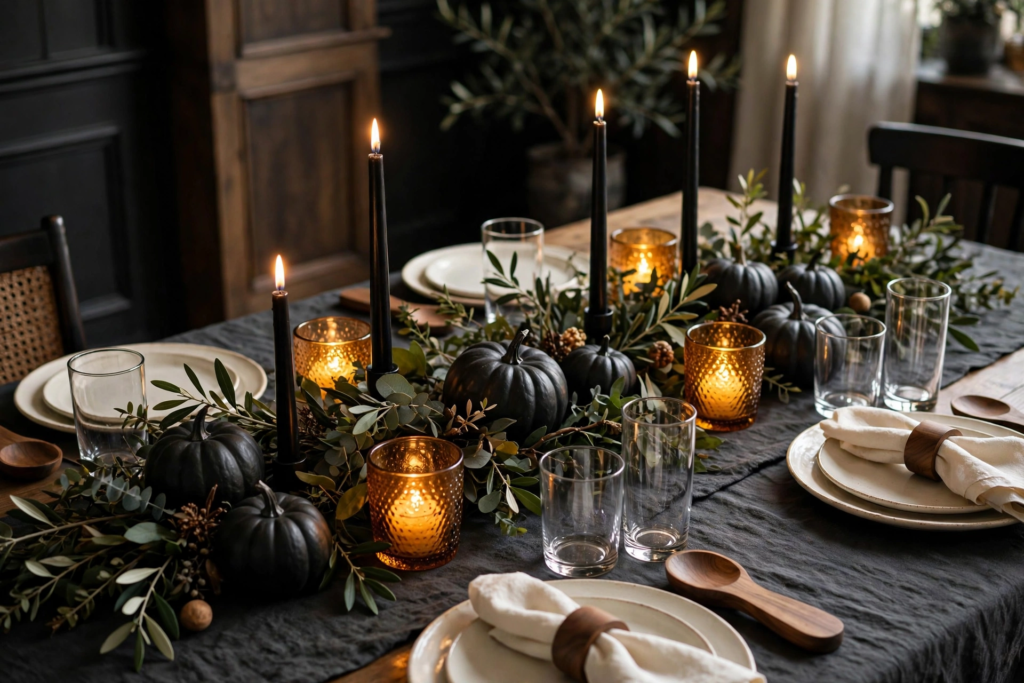
19. Decorate With Amber Glass and Black Candles
Amber glass brings warmth to a dark Halloween tablescape. Arrange amber votive holders or small glass vessels among black taper candles, miniature pumpkins, and a charcoal linen runner.
The translucent amber tones glow beautifully under soft evening light and pair naturally with brass, walnut, and cream ceramics. Repeat the glass accents in small groups to create a cohesive centerpiece without overcrowding the table.
20. Create a Neutral Halloween Centerpiece With Cream and Taupe
A neutral Halloween centerpiece proves that seasonal decor does not need to be bright or dramatic. Combine cream pumpkins, taupe gourds, beige linen, natural wood, and understated ivory candles for a soft, elegant arrangement.
Add dried grasses or muted eucalyptus to bring movement and texture. This palette works especially well in neutral dining rooms, Scandinavian interiors, and modern farmhouse spaces where subtle seasonal details feel more natural.
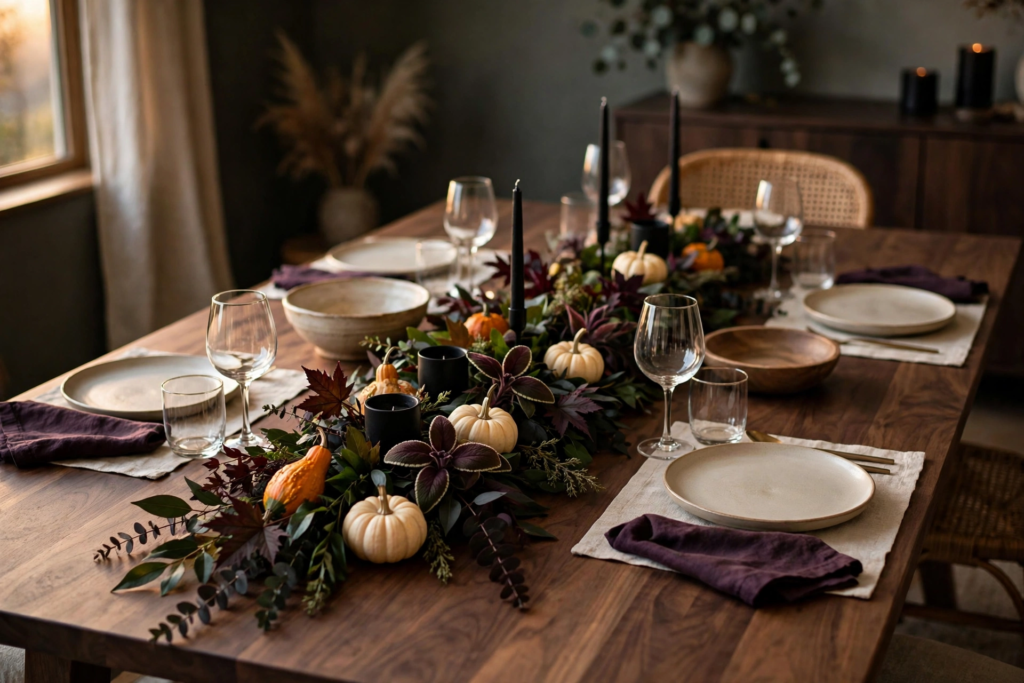
21. Design a Long Halloween Garland Centerpiece
A long centerpiece garland creates a beautiful focal point for a rectangular dining table. Layer dark greenery, eucalyptus, miniature pumpkins, dried leaves, and a few small candleholders along the middle of the table.
For a spooky-chic look, mix deep burgundy foliage with black accents and cream pumpkins. Keep the garland low enough for guests to see each other, and leave clear spaces for serving dishes if the table will be used for dinner.
How to Choose the Best Halloween Dining Table Centerpiece
The best centerpiece should suit your dining room, table size, and the mood you want to create. Before decorating, consider the overall palette, the height of your arrangement, and how much space you need for dinnerware and serving dishes.
Choose a cohesive palette: Black and gold feels glamorous, burgundy and plum feels dramatic, and cream with natural wood creates a softer autumn look.
Vary textures: Combine linen, ceramic, glass, metal, natural branches, and pumpkins for visual interest.
Keep sightlines clear: Low arrangements are ideal for dinner parties because guests can see one another comfortably.
Leave serving space: A centerpiece should enhance the table rather than make it difficult to serve food.
Repeat a few details: Matching candleholders, coordinated napkins, or similar pumpkins help the whole tablescape feel intentional.
What Colors Work Best for a Spooky-Chic Halloween Tablescape?
Black, charcoal, ivory, and muted metallics are timeless choices for an elegant Halloween table. If you prefer a richer seasonal look, add burgundy, plum, forest green, or amber.
For a softer aesthetic, use cream pumpkins, taupe linens, warm wood, and muted greenery. Limiting the palette to two or three main colors usually creates a more polished result.
How Can You Make a Halloween Centerpiece Look Expensive?
Use a few statement pieces instead of lots of small decorations. A dramatic floral arrangement, beautiful candleholders, a textured runner, or a sculptural vase can create a stronger focal point than a table crowded with themed accessories.
Natural-looking materials, coordinated colors, varied heights, and thoughtful spacing also help the arrangement feel more refined. You do not need expensive decorations; careful styling makes a significant difference.
How Do You Make a Halloween Centerpiece on a Budget?
Start with items you already own, such as glass vases, candleholders, neutral linens, and serving bowls. Add inexpensive miniature pumpkins, seasonal branches, dried leaves, or a few grocery-store flowers to create a fresh arrangement.
You can also repaint existing decorative pumpkins in black, cream, or muted metallic shades. Reusing versatile decor each year makes it easier to create a different tablescape without buying an entirely new collection.
Can You Use Real Candles on a Halloween Dining Table?
Yes, but they need careful placement. Use stable candleholders, keep flames away from dried foliage and fabric, and avoid placing candles where sleeves or decorations could brush against them.
For tables with lots of greenery, narrow spacing, children, or pets, battery-operated candles are a practical alternative. They can provide a similar warm glow without an open flame.
Final Thoughts
A beautiful Halloween dining table centerpiece brings together seasonal charm, thoughtful styling, and the right atmosphere for entertaining. Whether you prefer dramatic black candles, romantic dark florals, metallic pumpkins, or soft neutral decorations, there are plenty of ways to make your table feel special.
Start with a color palette you love, choose one main focal point, and build around it with a few complementary textures and accents. With these 21 Halloween dining table centerpiece ideas, you can create a spooky-chic tablescape that feels festive, welcoming, and effortlessly stylish.
Black and white kitchens have a timeless elegance that makes them feel sophisticated, polished, and effortlessly stylish. The contrast between crisp white surfaces and rich black accents creates a beautiful balance that works with modern, farmhouse, traditional, and contemporary interiors.
The secret to making a black and white kitchen look expensive isn’t necessarily choosing costly materials. Thoughtful contrasts, quality-looking finishes, layered lighting, beautiful hardware, and natural textures can make even a simple kitchen feel elevated.
Whether you’re planning a full kitchen makeover or looking for a few easy updates, these black and white kitchen ideas will help you create a space that feels luxurious, functional, and timeless.
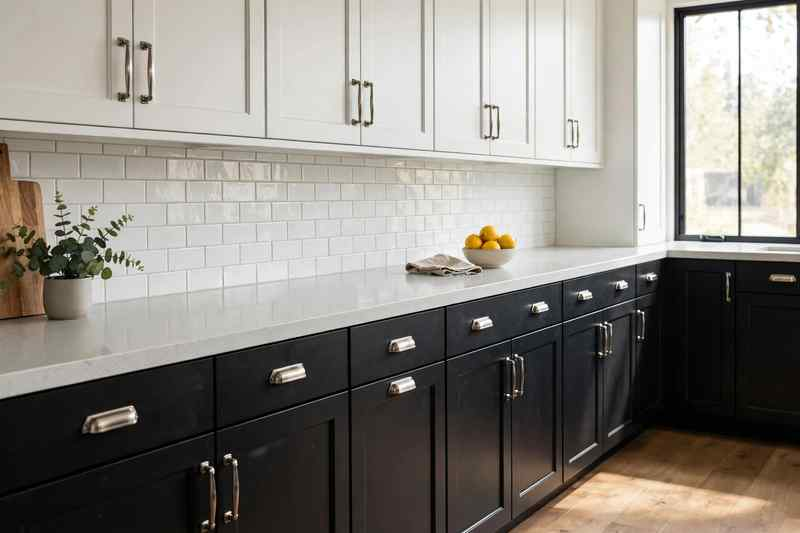
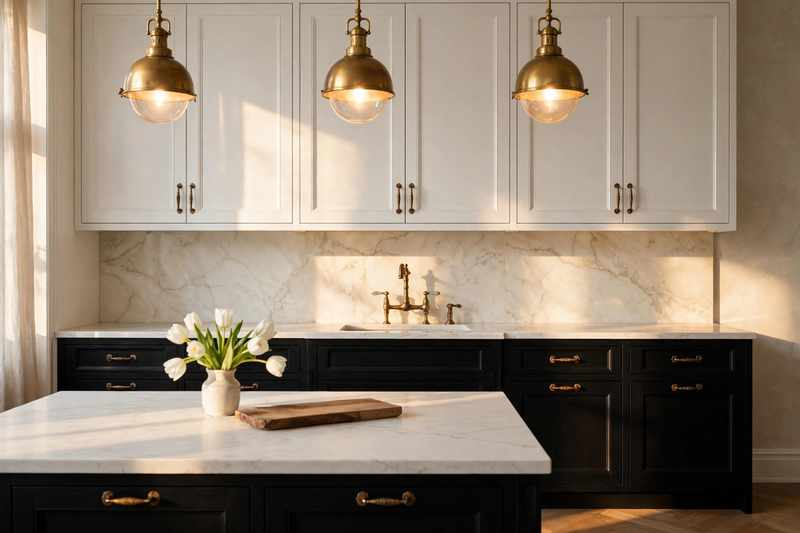
1. Pair White Cabinets With Black Lower Cabinets
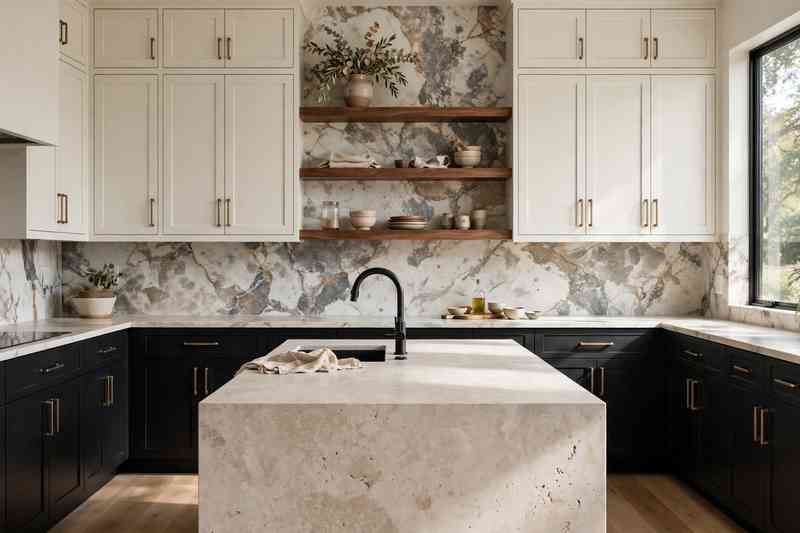
White upper cabinets paired with black lower cabinets create a balanced, sophisticated kitchen. The white keeps the room feeling bright, while the darker cabinetry adds depth and visual interest.
Complete the look with light countertops, simple hardware, and warm wood accents. This combination works especially well in kitchens where you want a modern appearance without making the space feel too dark.
2. Choose Dramatic Black Kitchen Cabinets
Black kitchen cabinets can make a kitchen feel bold and luxurious, especially when paired with contrasting white countertops and walls. Matte black finishes create a soft, contemporary look, while satin finishes add a subtle sheen.
To keep the room from feeling heavy, incorporate plenty of natural light, pale flooring, and a few warm accents. Brass hardware or natural wood can soften the contrast beautifully.
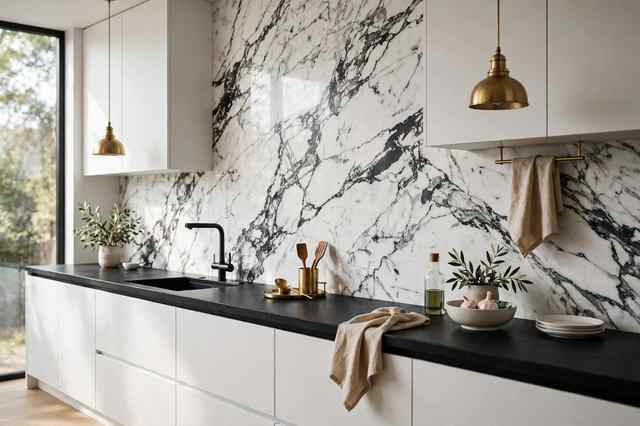
3. Install a White Marble Backsplash With Black Veining
A white marble backsplash with dramatic black or charcoal veining adds an elegant focal point to a black and white kitchen. The natural pattern brings movement and texture without requiring additional colors.
Pair the backsplash with simple cabinetry and understated hardware so the stone remains the star. Marble-look porcelain or quartz can also create a similar appearance with different maintenance requirements.
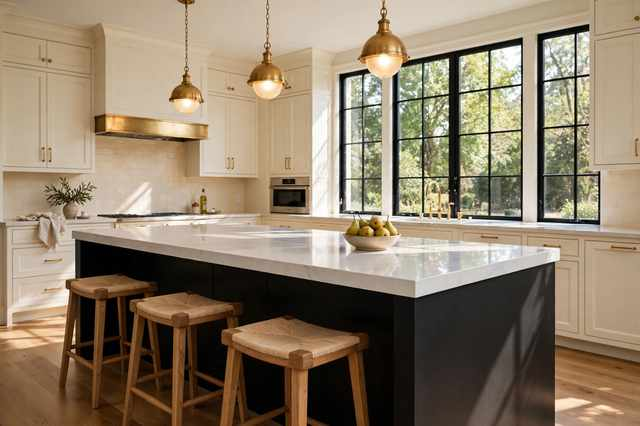
4. Add a Statement Black Kitchen Island
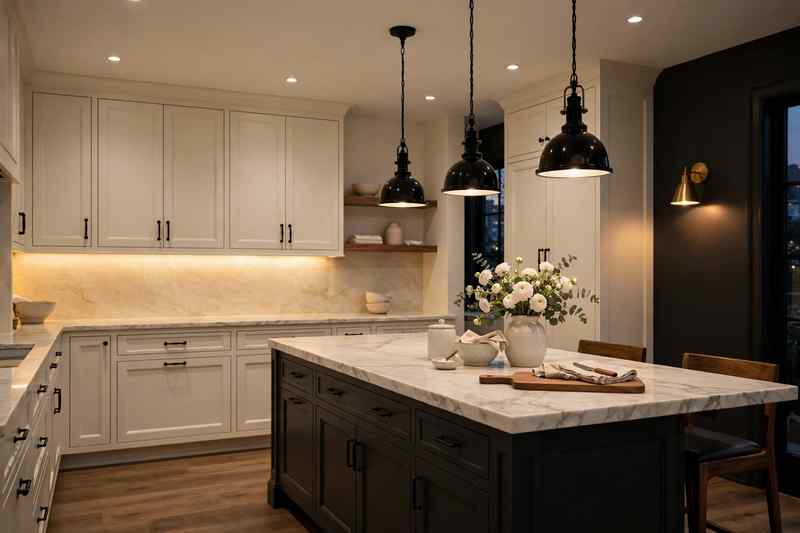
A black kitchen island can anchor the entire room and create a custom, high-end appearance. Pair it with white perimeter cabinets, a light countertop, and comfortable bar stools in wood, leather, or neutral upholstery.
For an especially polished look, choose a simple island design with clean lines and carefully coordinated hardware. Pendant lights above the island can complete the focal point.
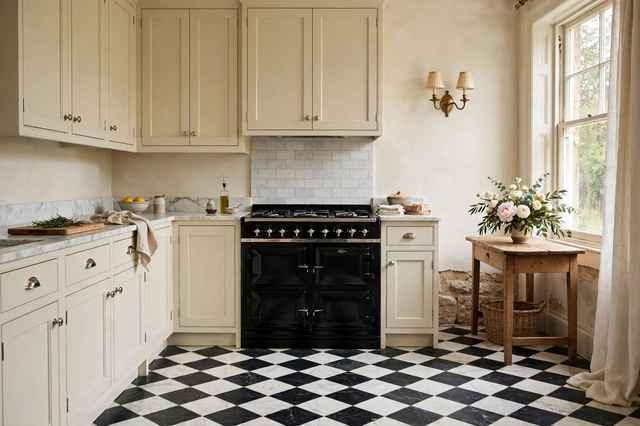
5. Create a Classic Black and White Checkerboard Floor
A black and white checkerboard floor adds personality and timeless charm to a kitchen. Large square tiles feel bold and architectural, while smaller checks can create a more traditional or vintage-inspired look.
Keep the cabinets relatively simple so the flooring doesn’t compete with too many other patterns. White cabinetry and black accents allow the floor to become a memorable design feature.
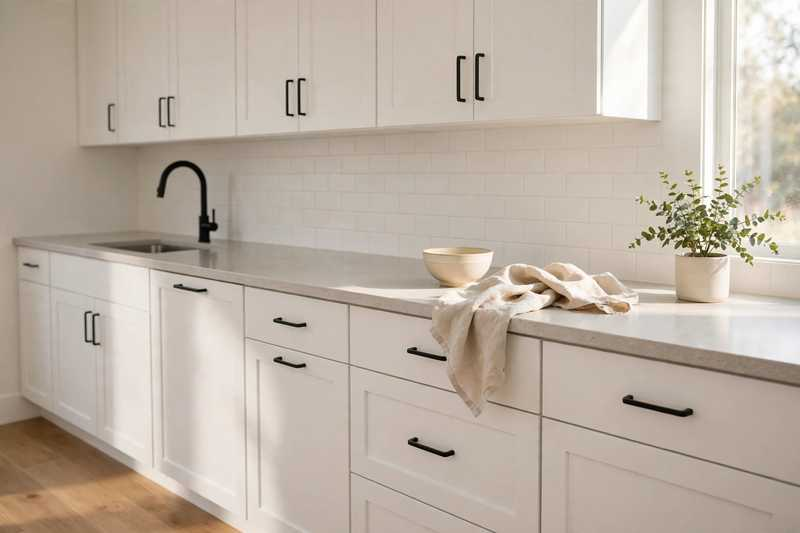
6. Use Matte Black Hardware on White Cabinets
Replacing ordinary cabinet handles with matte black hardware is one of the easiest ways to refresh a white kitchen. Black pulls and knobs provide definition against white cabinet doors and create a clean, coordinated look.
Repeat the black finish in a faucet, light fixtures, or window frames for a more intentional design. Consistency helps these small details feel like part of a complete renovation.
7. Design a Black and White Kitchen With Brass Accents
Black, white, and brass make a beautiful combination when each finish has room to stand out. Use white cabinets as the foundation, black accents for contrast, and brass faucets, handles, or pendant lights for warmth.
Choose a consistent brass tone rather than mixing too many metallic finishes. The result feels sophisticated without becoming overly decorative.
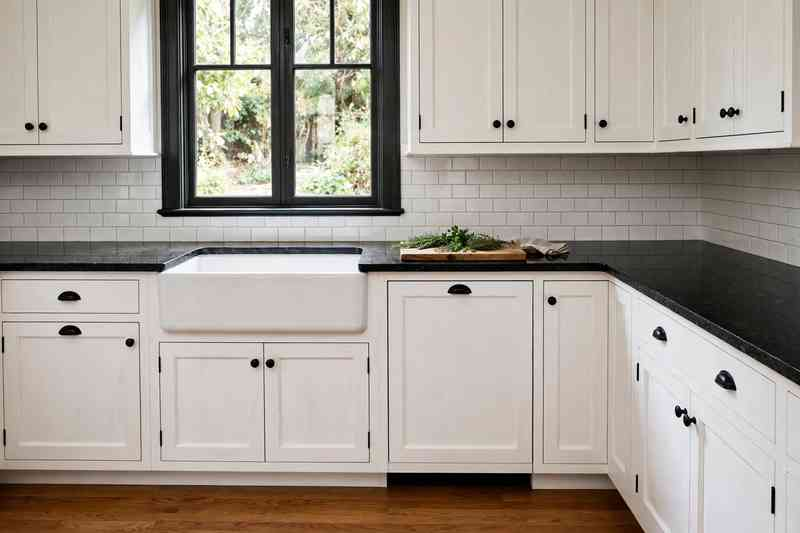
8. Install White Shaker Cabinets With Black Countertops
White Shaker cabinets offer a classic foundation for a kitchen that feels both traditional and current. Pair them with black countertops to create a strong contrast and a clean, tailored appearance.
Black quartz or granite can work particularly well because the darker surface grounds the room. Add a simple white backsplash and subtle hardware to keep the design cohesive.
9. Add Black-Framed Kitchen Windows
Black window frames create a striking architectural detail against white walls and cabinetry. They draw attention to outdoor views and give the kitchen a crisp, contemporary edge.
If you’re not replacing your windows, you can repeat the same look through black-framed artwork, glass cabinet doors, or dark light fixtures. These details help tie the room together without a major renovation.
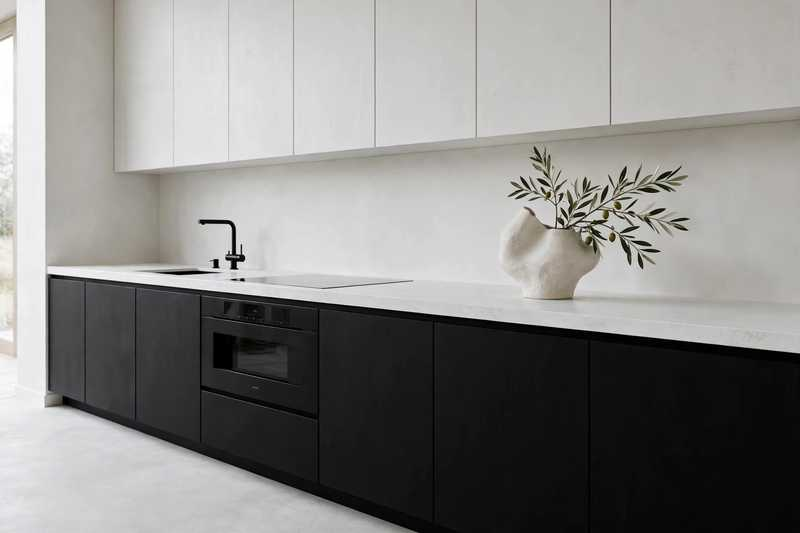
10. Create a Minimalist Black and White Kitchen
A minimalist black and white kitchen relies on clean lines, uncluttered countertops, and carefully selected finishes. Flat-front cabinets, integrated appliances, and discreet hardware help create a streamlined appearance.
Use white for larger surfaces and black for a few deliberate focal points. Natural daylight and a small number of beautiful accessories can make the room feel refined rather than stark.
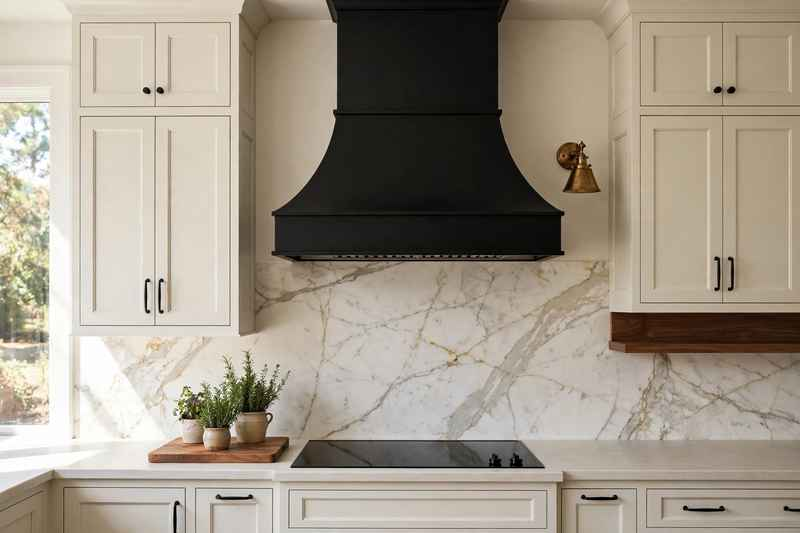
11. Choose a Black Range Hood as a Focal Point
A black range hood can become a dramatic feature against white cabinetry or a light backsplash. It draws the eye toward the cooking area and gives the kitchen a custom-designed appearance.
Balance the darker feature with pale countertops, simple cabinetry, and good task lighting. A streamlined shape works especially well in contemporary kitchens, while a more sculptural hood can suit transitional interiors.
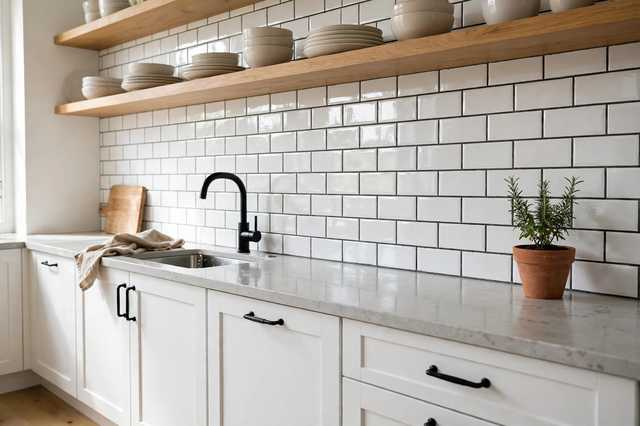
12. Add a White Subway Tile Backsplash With Dark Grout
White subway tiles with charcoal or black grout create a classic backsplash with stronger definition. The contrasting grout highlights the tile pattern and adds subtle graphic interest.
Pair it with white cabinets, dark hardware, and a simple countertop for a balanced design. If you prefer a softer look, choose a warm white tile and a medium charcoal grout rather than a very stark contrast.
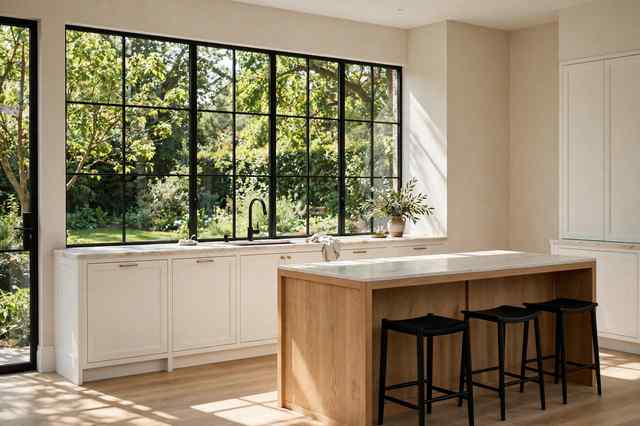
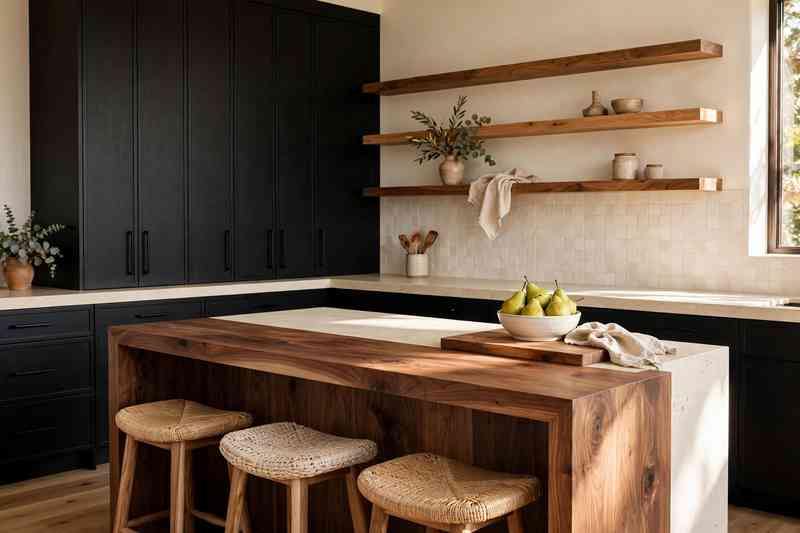
13. Mix Black Cabinets With Warm Wood Accents
Warm wood is an excellent way to soften the strong contrast of black and white. Consider oak shelves, a wooden island, natural bar stools, or a wood-trimmed range hood.
The combination of black cabinetry, white walls, and warm wood creates depth while keeping the kitchen welcoming. Choose a wood tone that complements the flooring and other finishes for a more cohesive result.
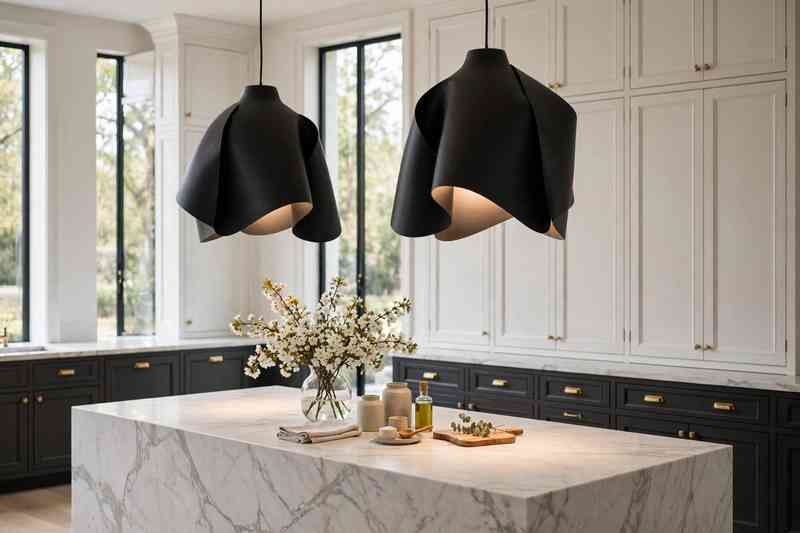
14. Install Elegant Black Pendant Lights
Black pendant lights can add sculptural interest above a kitchen island or dining counter. Choose simple dome pendants for a modern look or more traditional shapes for a classic kitchen.
Pair them with white cabinets and light countertops to create a balanced contrast. The scale matters, too: appropriately sized fixtures make the kitchen feel thoughtfully designed rather than crowded.
15. Create a Black and White Farmhouse Kitchen
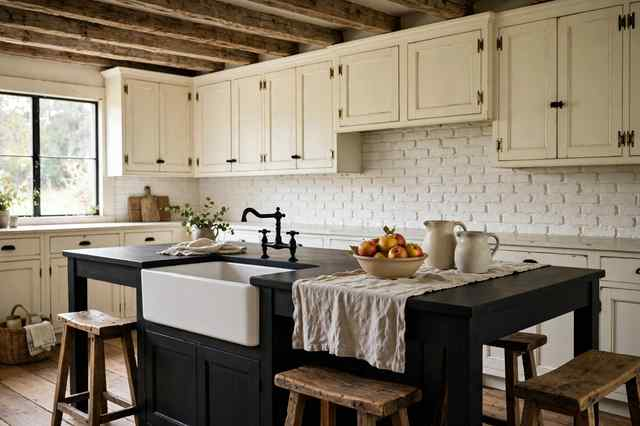
A black and white farmhouse kitchen combines traditional details with fresh, high-contrast finishes. Think white Shaker cabinets, a black island, a farmhouse sink, simple black hardware, and natural wood accents.
Wooden stools, woven accessories, and warm lighting prevent the palette from feeling cold. Keep decorative details restrained so the room feels timeless rather than overly themed.
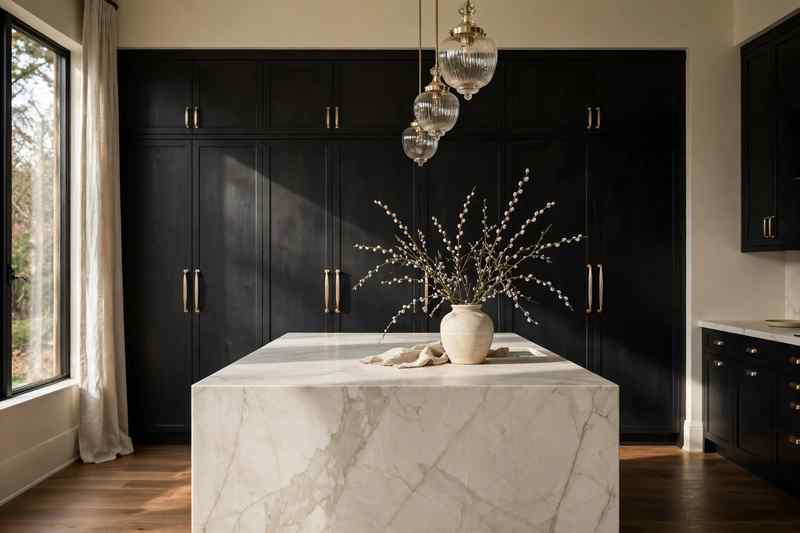
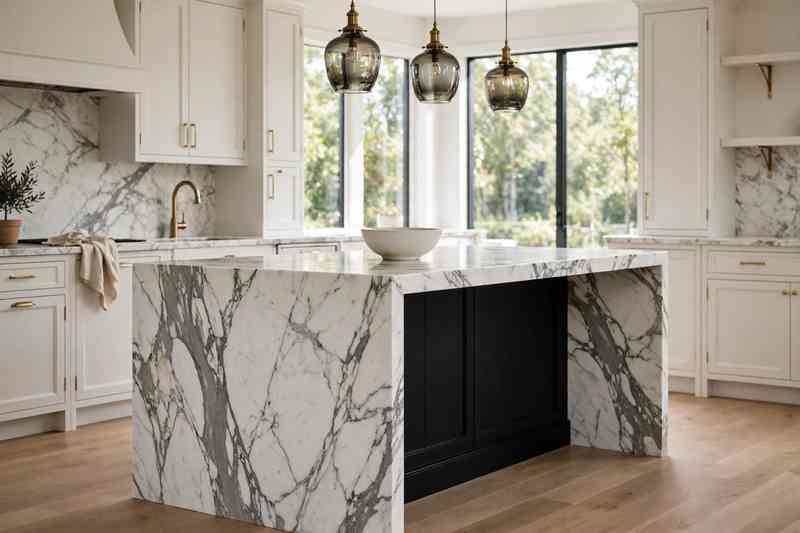
16. Choose a White Waterfall Countertop With a Black Island
A white waterfall countertop creates a sleek, continuous surface that extends down the sides of a kitchen island. Against a black island base, the pale stone makes a striking architectural statement.
Choose a subtle marble pattern or a quiet white quartz finish for an elegant appearance. Keep nearby cabinetry and accessories simple to let the island’s shape and material stand out.
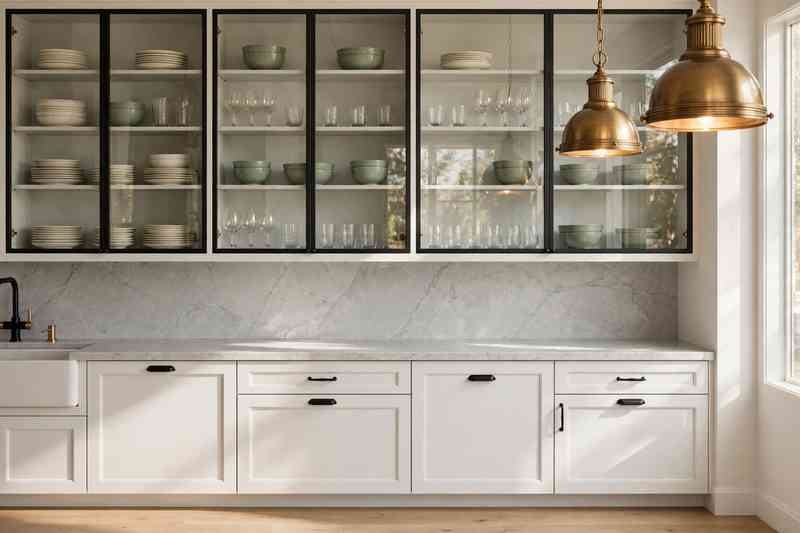
17. Add Black Glass-Front Cabinets
Black-framed glass-front cabinets add depth and display space without making the entire kitchen feel dark. Use them for a small section of upper cabinetry and style the interior with white dishes, glassware, or a few carefully chosen pieces.
Interior lighting can highlight the display and create a more luxurious effect. Keep the shelves tidy so the glass fronts contribute to the design rather than revealing clutter.
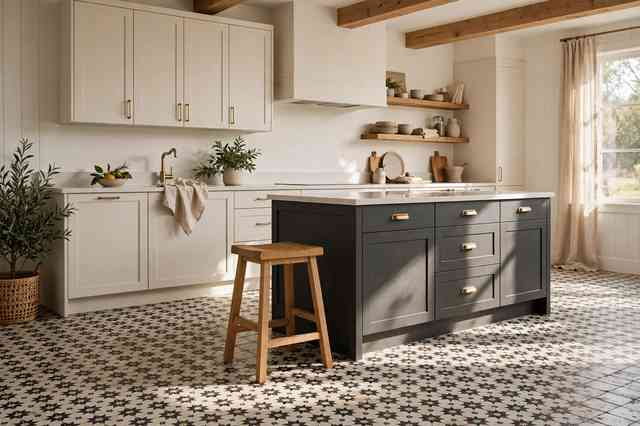
18. Use Black and White Patterned Floor Tiles
Patterned black and white floor tiles can give a kitchen character while maintaining a timeless color palette. Choose geometric motifs, subtle vintage patterns, or understated designs depending on the overall style of the room.
Since the floor already provides visual interest, keep the backsplash and countertops relatively simple. This creates a deliberate focal point without making the kitchen feel busy.
19. Style a Black and White Kitchen With Natural Stone
Natural stone brings texture and individuality to a monochrome kitchen. Consider white marble, pale quartzite, dark granite, or a stone backsplash with subtle veining.
The variation in the stone prevents black and white surfaces from looking flat or overly uniform. Pair it with simple cabinetry and carefully chosen hardware to create a refined, material-focused design.
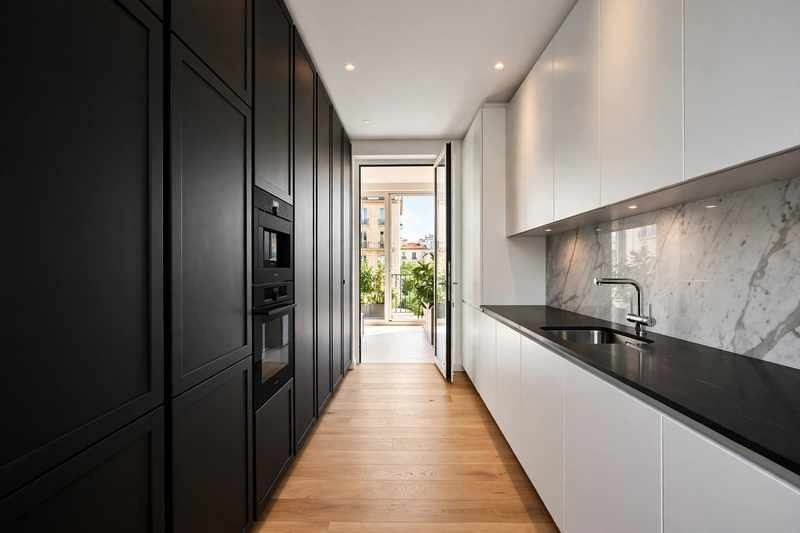
20. Create a Luxurious Black and White Galley Kitchen
A black and white galley kitchen can look elegant when both sides feel balanced and well organized. White upper cabinets, light countertops, and reflective surfaces help the narrow layout feel open, while black lower cabinets or accents provide depth.
Use continuous task lighting and keep counters clear to improve the sense of space. A consistent palette also makes the room feel calmer and more cohesive.
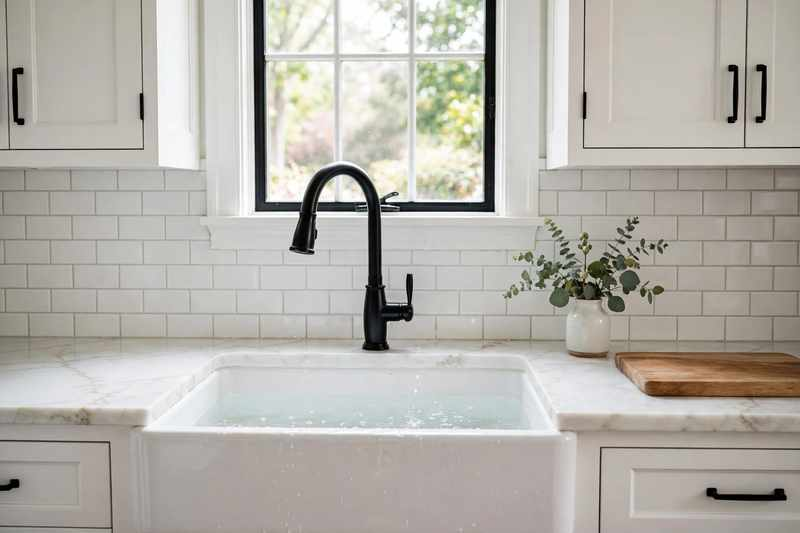
21. Add a Black Faucet to a White Kitchen
A matte black faucet creates a simple but noticeable contrast against a white sink and pale countertop. It works especially well when paired with black cabinet hardware or matching pendant lights.
Choose a faucet with a shape that suits the kitchen’s overall design, whether curved and traditional or angular and contemporary. Repeating the finish in a few places helps it look intentional.
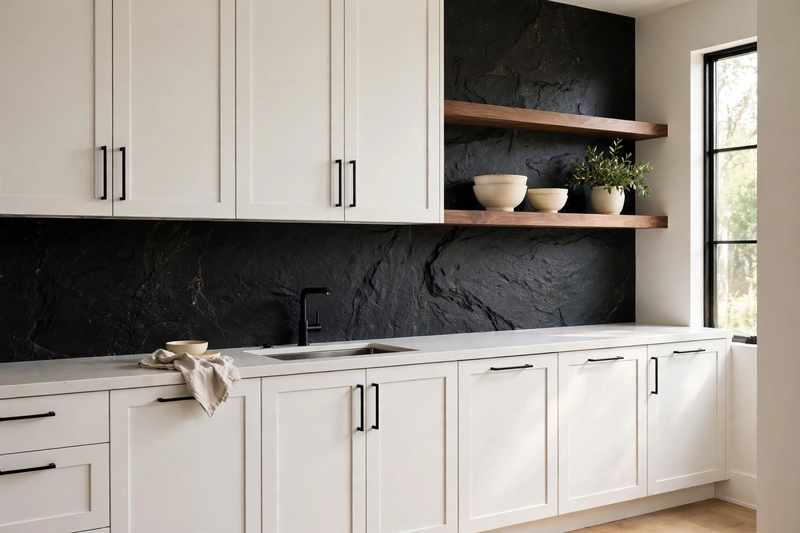
22. Combine White Cabinets With a Black Backsplash
A black backsplash can make white cabinetry stand out and create a bold, polished kitchen design. Consider black tile, dark stone, or a deep charcoal slab for a clean, contemporary finish.
Good lighting is important because dark surfaces can absorb light and show marks more readily. Pair the backsplash with a bright countertop and thoughtful task lighting to keep the work area practical.
23. Finish the Kitchen With Layered Lighting and Elegant Details
Lighting and finishing details can make a black and white kitchen feel far more expensive. Combine recessed ceiling lights with pendant fixtures, under-cabinet lighting, and warm accent lighting where appropriate.
Complete the design with coordinated hardware, a few beautiful ceramic pieces, a wooden cutting board, or a small vase of fresh greenery. These finishing touches create warmth and character without cluttering the countertops.
What Makes a Black and White Kitchen Look Expensive?
A high-end appearance comes from thoughtful material choices, clean lines, balanced contrast, and consistent finishes. You don’t need every surface to be dramatic; one standout feature, such as a black island or veined stone backsplash, can be enough.
Pay attention to the details that connect the design, including cabinet hardware, lighting, grout color, and countertop edges. A cohesive palette often looks more polished than a room filled with competing statement features.
What Is the Best Balance of Black and White in a Kitchen?
The right balance depends on the room’s size, natural light, and personal style. White usually works well on larger surfaces when you want a bright and open feeling, while black can be used for islands, lower cabinets, hardware, lighting, or selected accent walls.
In a darker or smaller kitchen, consider keeping the upper cabinets and countertops light. In a spacious kitchen with plenty of daylight, larger areas of black cabinetry can feel dramatic and sophisticated.
How Can You Warm Up a Black and White Kitchen?
Natural materials are especially helpful for softening a monochrome palette. Oak shelves, walnut stools, woven accessories, linen window treatments, and warm metallic finishes can make the room feel more welcoming.
Lighting also makes a difference. Warm bulbs and layered illumination help black and white surfaces feel comfortable in the evening rather than overly stark.
Are Black and White Kitchens Still in Style?
Black and white kitchens remain a versatile choice because the palette works with many design styles. Shaker cabinets and checkerboard floors can feel traditional, while flat-front cabinetry and slim black hardware create a more contemporary look.
To keep the kitchen from feeling dated, focus on practical layouts, quality-looking finishes, and details that suit your home rather than following every short-lived trend.
FAQs
What colors go best with a black and white kitchen?
Natural wood, warm beige, brass, soft gray, and muted green all complement black and white. These accents can add warmth and texture while preserving the classic monochrome palette.
Are black and white kitchens good for small spaces?
Yes. White cabinets, light countertops, and good lighting can help a small kitchen feel more open. Use black selectively through hardware, fixtures, lower cabinets, or a small backsplash to add contrast without overwhelming the room.
What countertop looks best in a black and white kitchen?
White quartz, marble, quartzite, and black granite can all work beautifully. Choose a surface based on the desired look, maintenance needs, and budget, rather than appearance alone.
How do I make a black and white kitchen feel less cold?
Add warm wood, textured accessories, plants, softer lighting, and subtle natural materials. These elements create contrast and make the room feel more inviting.
Are matte black kitchen cabinets difficult to maintain?
Matte black finishes can show dust, fingerprints, or certain marks depending on the material and finish. Choose cabinetry designed for kitchen use and follow the manufacturer’s cleaning recommendations.
What hardware looks best with black and white cabinets?
Matte black hardware creates a clean, coordinated look, while brass or brushed nickel adds a different type of contrast. Choose one dominant finish and repeat it throughout the kitchen for a cohesive appearance.
Final Thoughts
Black and white kitchens prove that a timeless color palette can still feel distinctive and luxurious. From dramatic black islands and marble-look backsplashes to warm wood accents and elegant lighting, small design decisions can make a significant difference.
Start with a balanced foundation, choose a few finishes that complement one another, and add warmth through natural textures. The result can be a kitchen that looks polished, feels welcoming, and stays stylish for years.
Natural minimalist home decor combines the simplicity of minimalism with the warmth of natural materials, soft colors, and comfortable textures. The result is a home that feels peaceful, uncluttered, and inviting rather than cold or overly plain.
If you love clean spaces but still want your home to feel cozy and lived-in, natural minimalist decor is a beautiful style to try. From warm wood and linen to earthy colors and greenery, these ideas can help you create a calm home with plenty of character.
1. Choose Warm Natural Wood
Warm natural wood is one of the easiest ways to bring character into a minimalist home. Choose oak, walnut, pine, or other softly finished woods for coffee tables, dining furniture, shelving, and cabinetry.
Keep the surrounding decor simple so the natural grain becomes part of the room’s visual interest without making the space feel busy.
2. Use a Soft Neutral Color Palette
A natural minimalist home works beautifully with warm whites, ivory, beige, taupe, oatmeal, and soft greige. These colors create a calm foundation while allowing natural materials to stand out.
Instead of using several bold colors, layer different neutral shades to give the room depth and warmth.
3. Add Linen and Cotton Textures
Soft linen and cotton fabrics can make minimalist rooms feel much more comfortable. Use them for curtains, bedding, cushions, throws, and upholstered furniture.
Look for slightly relaxed fabrics with natural texture rather than perfectly smooth materials. Small imperfections can make the space feel more authentic.
4. Decorate With Indoor Plants
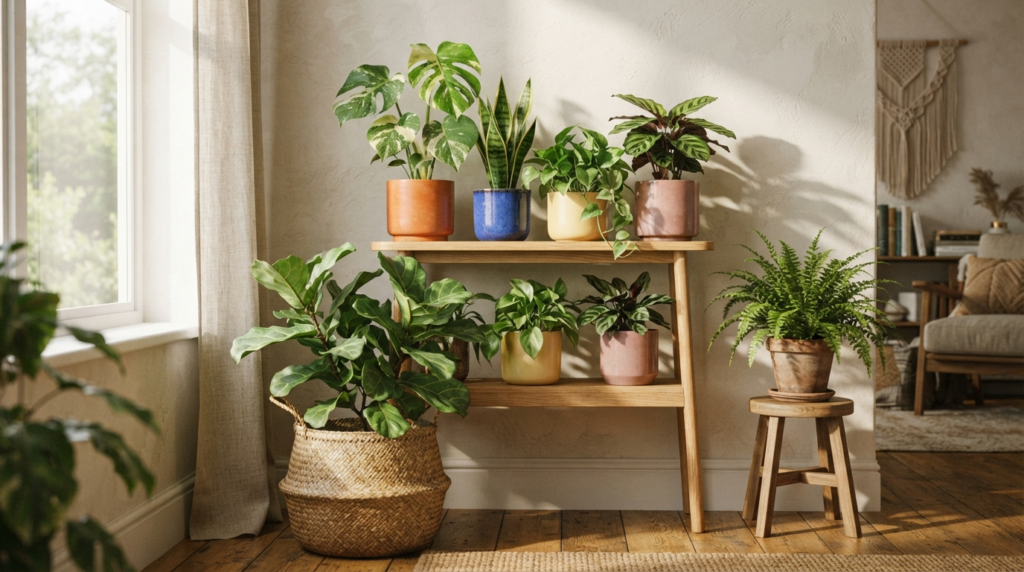
Greenery brings life and freshness into a minimalist interior without adding visual clutter. Choose a few beautiful plants and display them in simple ceramic, stone, or woven planters.
Large leafy plants can fill an empty corner, while smaller plants work beautifully on shelves, side tables, or kitchen counters.
5. Choose Simple Organic Shapes
Natural minimalist interiors do not have to be filled with sharp lines. Rounded coffee tables, curved chairs, arched mirrors, and softly shaped lamps can make a clean room feel more inviting.
Mixing organic shapes with simple furniture creates a relaxed look without sacrificing the minimalist aesthetic.
6. Create a Cozy Minimalist Living Room
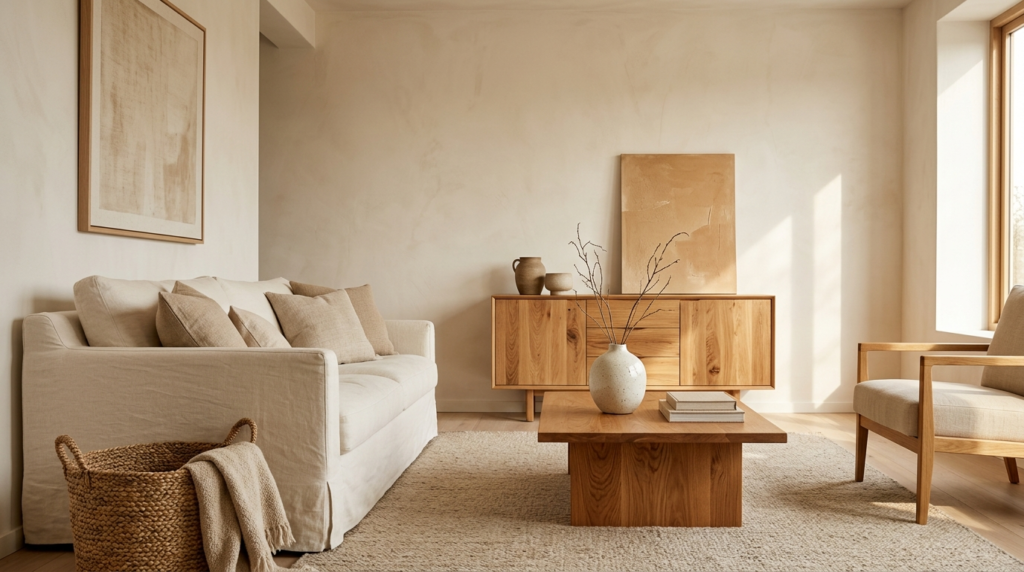
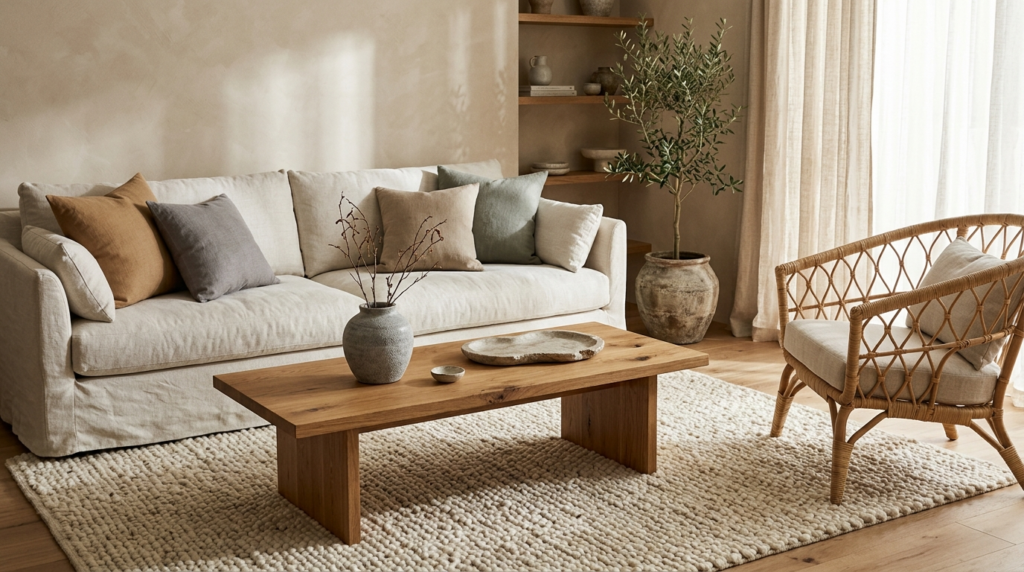
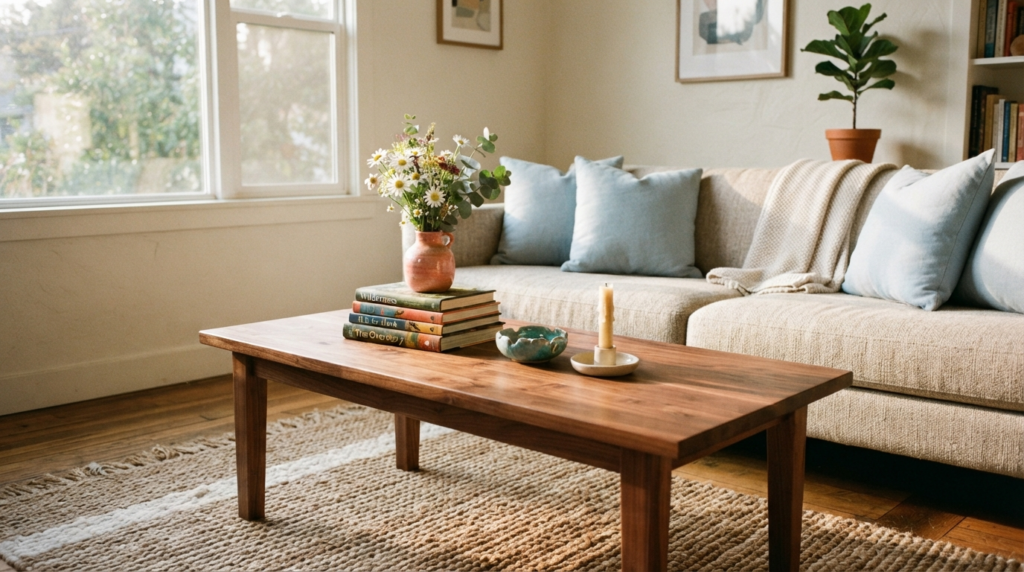
Start with a comfortable neutral sofa, a simple wood coffee table, and a textured area rug. Add a few linen cushions and one or two carefully chosen decorative pieces.
Keep surfaces relatively clear and allow plenty of breathing room between furniture. This makes the living room feel peaceful while still being comfortable for everyday life.
7. Use Woven Natural Materials
Rattan, jute, cane, seagrass, and wicker are excellent materials for adding warmth to minimalist rooms. They introduce subtle texture without overwhelming the space.
Try a woven basket, jute rug, cane cabinet, or rattan accent chair to bring a relaxed natural feeling into your home.
8. Add Warm Ambient Lighting
Lighting can completely change the mood of a minimalist interior. Choose warm bulbs and use table lamps, floor lamps, wall sconces, and soft pendant lights to create layers of illumination.
Avoid relying only on bright overhead lighting. A combination of gentle light sources makes the home feel much cozier in the evening.
9. Keep Decor Simple and Intentional
Natural minimalism is about choosing fewer things and giving each piece more importance. Instead of filling every shelf, select a beautiful vase, ceramic bowl, framed artwork, or sculptural object.
Leaving some empty space around decorative pieces helps the room feel organized and allows special objects to stand out.
10. Layer a Neutral Bedroom
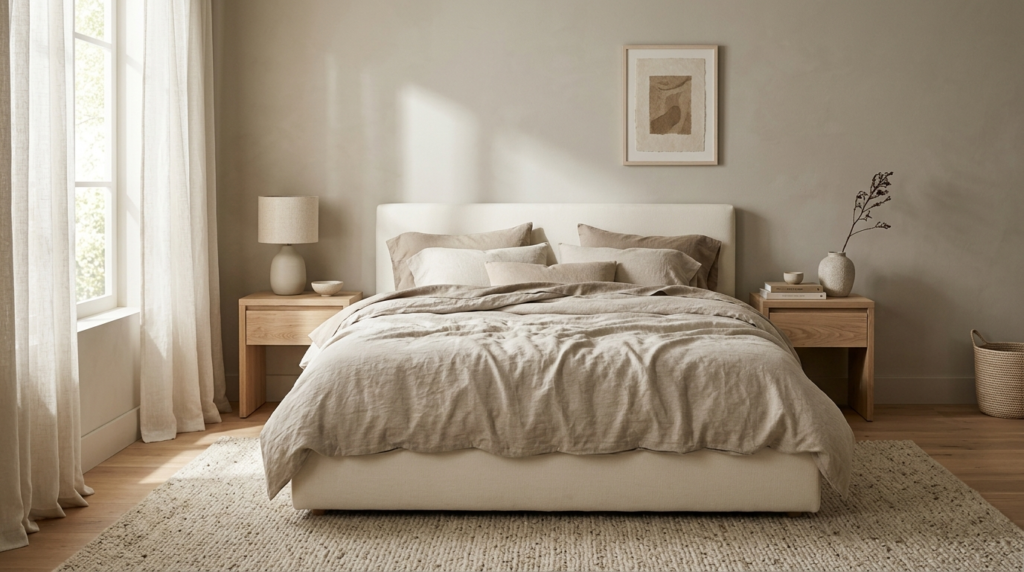
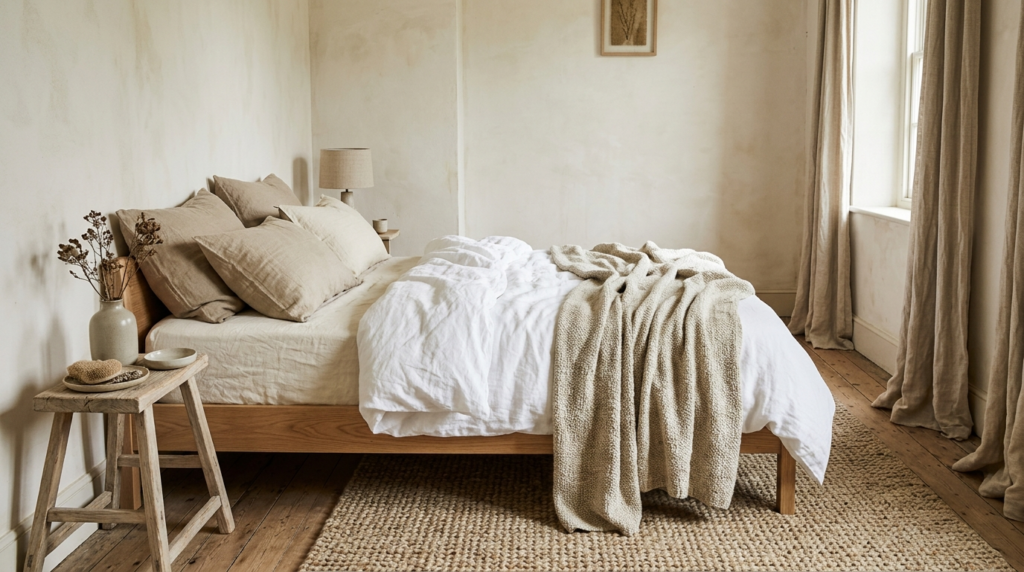
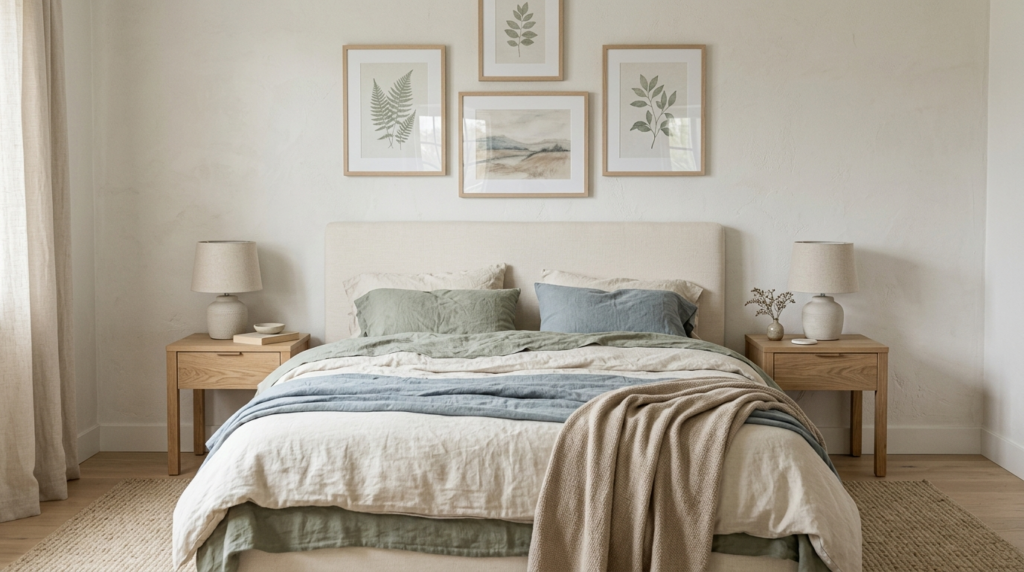
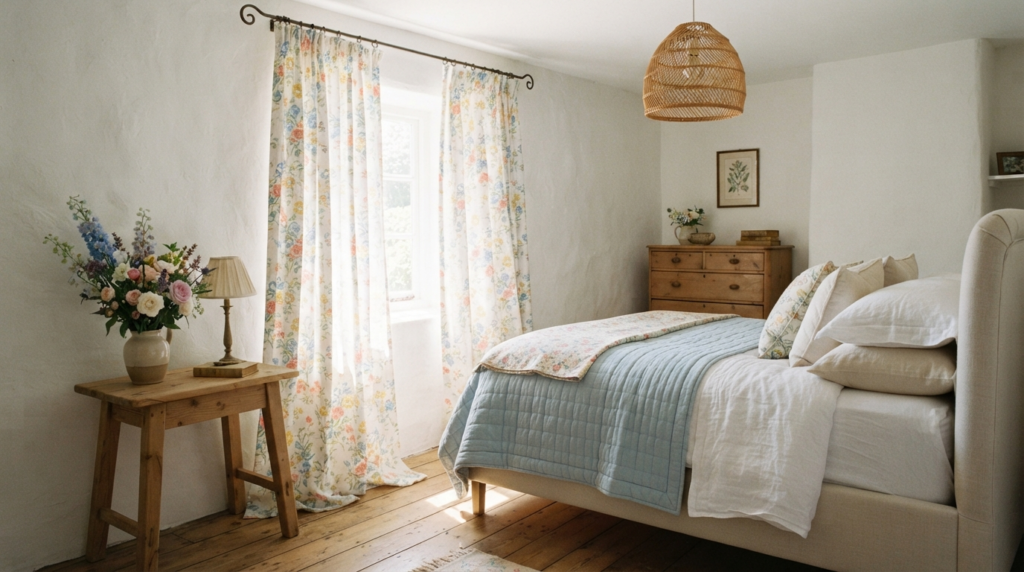
A natural minimalist bedroom can feel incredibly cozy when several soft neutral textures are layered together. Combine linen bedding, knitted throws, cotton pillows, and a textured rug.
Use warm beige, ivory, cream, soft brown, or muted sage to create a restful atmosphere that feels connected to nature.
11. Add Handmade Ceramic Decor
Handmade ceramics bring subtle personality to minimalist interiors. Choose imperfect vases, bowls, candle holders, or decorative vessels in earthy finishes.
Cream, sand, clay, stone, and muted brown ceramics work particularly well with natural wood and linen.
12. Choose an Earthy Accent Color
A neutral home can still benefit from a small amount of color. Sage green, olive, terracotta, muted brown, dusty blue, and warm rust are beautiful choices.
Use an earthy accent color sparingly through pillows, artwork, pottery, blankets, or small decorative objects for a natural and sophisticated look.
13. Use Natural Stone Accents
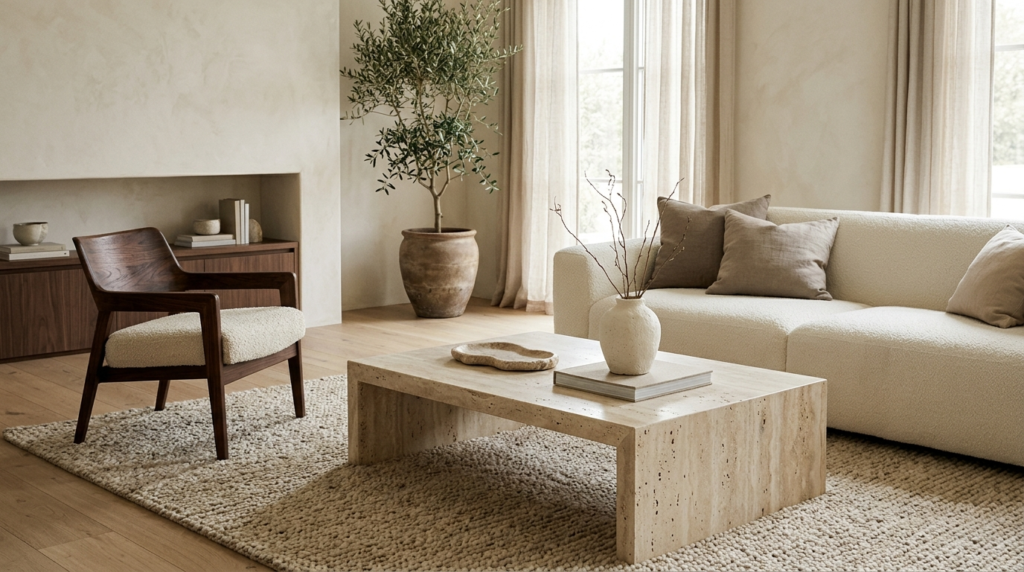
Stone adds a quiet sense of luxury while keeping the room connected to natural materials. Consider limestone, travertine, marble, slate, or stone-look accessories.
A stone coffee table, sculptural tray, countertop, or simple vase can become a beautiful focal point without introducing visual clutter.
14. Create an Uncluttered Entryway
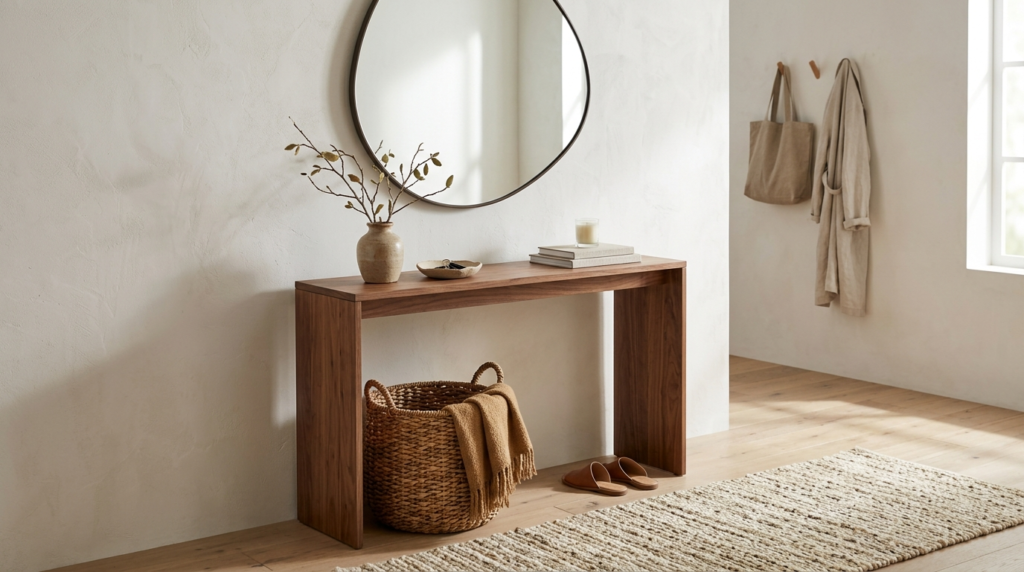
The entryway sets the tone for the entire home. Keep it simple with a wooden console, woven basket, neutral runner, and one piece of understated artwork.
Use baskets or closed storage to hide everyday items such as shoes, bags, and accessories. A clear entryway immediately makes the home feel calmer.
15. Mix Different Natural Textures
Using only one material can make minimalist rooms feel flat. Instead, combine several natural textures such as wood, linen, wool, jute, rattan, ceramic, and stone.
Keep the colors connected so the different textures create interest without making the room feel visually crowded.
16. Add Soft Layered Rugs
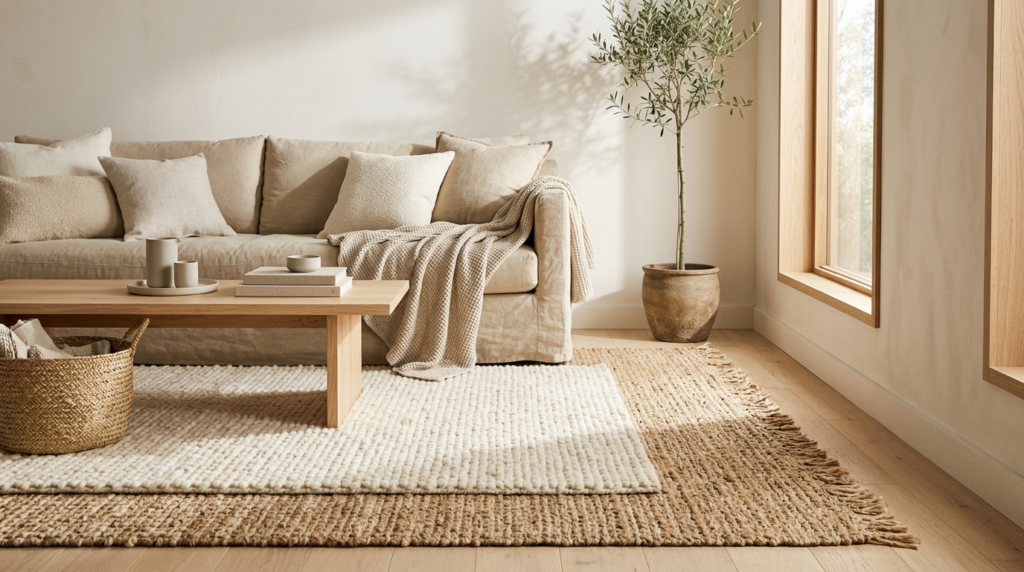
A rug can instantly make a minimalist room feel warmer and more comfortable. Choose natural materials such as wool, jute, cotton, or textured flatweaves.
For extra depth, consider layering a smaller patterned or textured rug over a larger neutral base
17. Bring in Natural Wall Art
Choose artwork inspired by landscapes, botanical forms, architecture, or organic shapes. Soft neutral photography and simple abstract pieces also work beautifully.
Keep the frames simple, using natural wood, black, or understated neutral finishes to maintain the clean aesthetic.
18. Style Open Shelves Sparingly
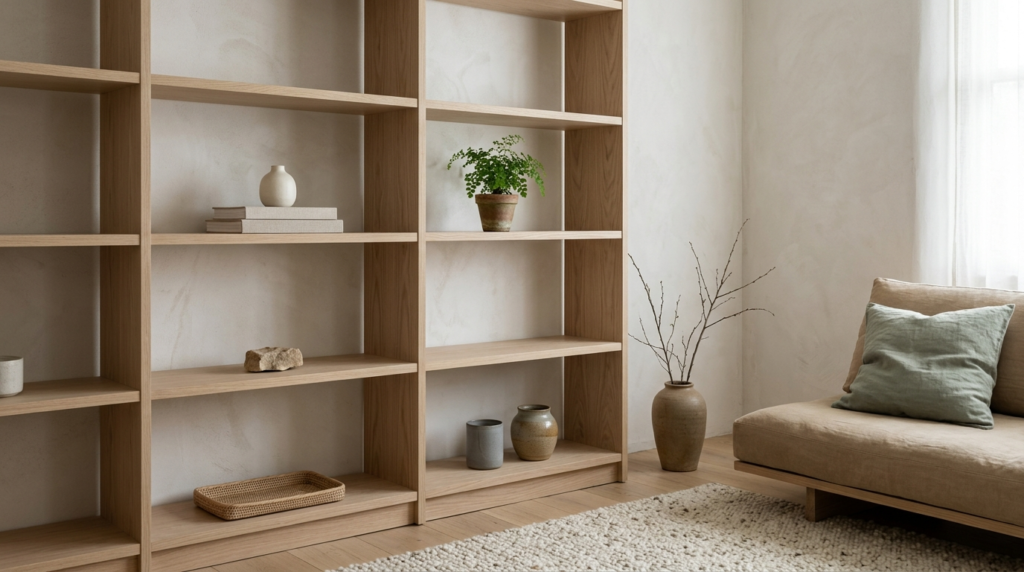
Open shelving can look beautiful in a natural minimalist home when it is carefully edited. Display a combination of books, ceramics, small plants, and meaningful objects rather than filling every shelf.
Leave intentional empty areas between groups of objects. This creates balance and keeps the shelves from looking cluttered.
19. Use Warm Wood in the Kitchen
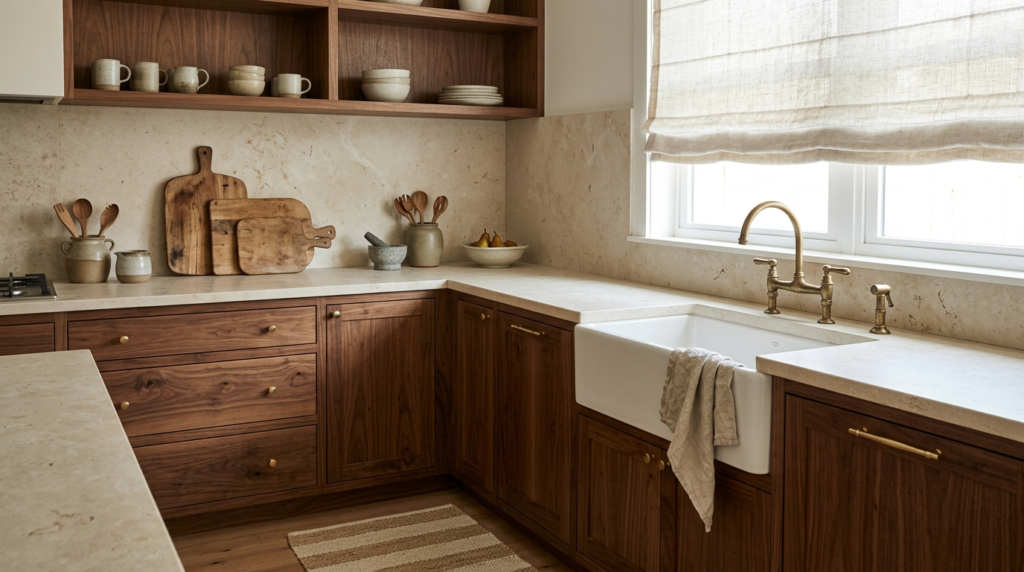
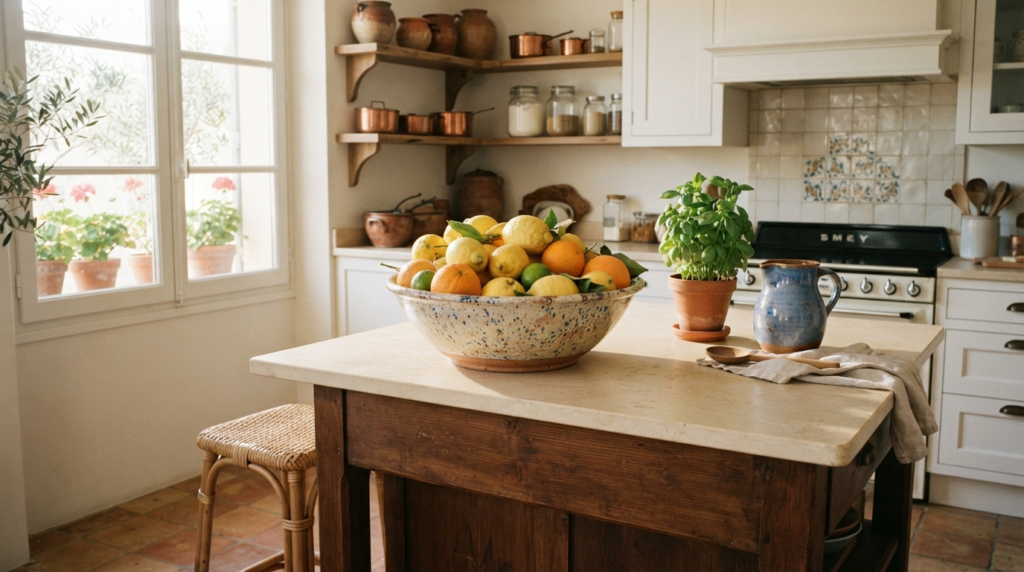
Natural wood cabinetry, cutting boards, stools, shelves, and serving pieces can make a minimalist kitchen feel warm and welcoming.
Pair wood with cream, white, stone, or soft beige surfaces for a timeless kitchen that feels simple but not sterile.
20. Create a Cozy Reading Corner
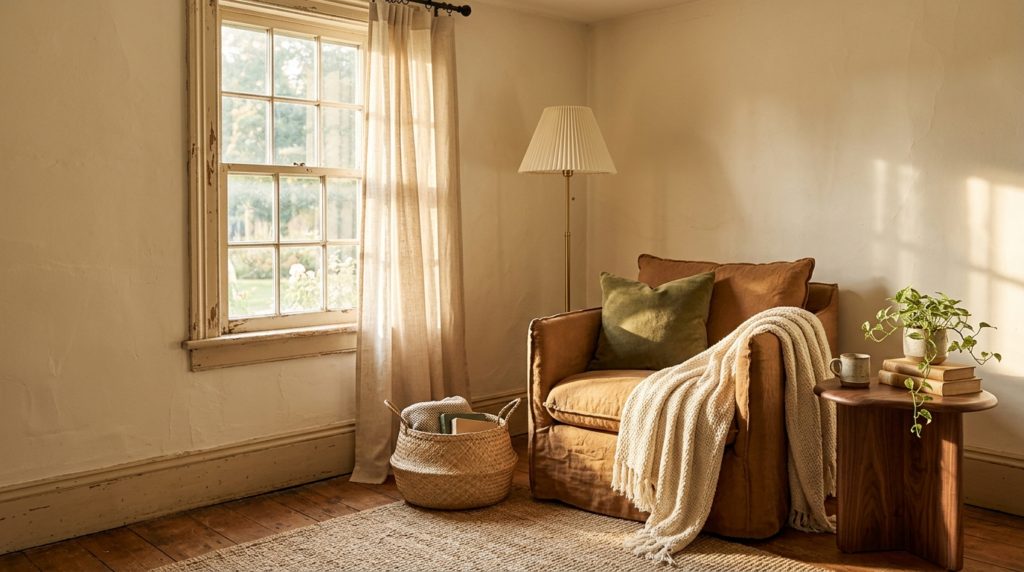
A small reading corner can add warmth and personality without compromising minimalism. Place a comfortable upholstered chair near a window with a small wood side table and a warm floor lamp.
Add one soft throw, a few favorite books, and perhaps a small plant to make the corner feel inviting without overdecorating it.
21. Let Natural Light Take Center Stage
Natural light is one of the most important elements of a calm minimalist home. Keep windows relatively unobstructed and choose lightweight linen or cotton curtains that allow daylight to filter through.
Arrange furniture so the room feels open and connected to the outdoors. Natural light paired with warm materials creates an effortlessly peaceful atmosphere.
What Is Natural Minimalist Home Decor?
Natural minimalist home decor combines minimalist design principles with organic materials, earthy colors, comfortable textures, and simple forms. The goal is to create a home that feels intentional without feeling empty.
Instead of focusing on having as few things as possible, the style focuses on having fewer but more meaningful and functional pieces.
What Colors Work Best for Natural Minimalist Interiors?
The best colors include warm white, ivory, cream, beige, taupe, greige, oatmeal, soft brown, and muted earthy tones. Sage green, olive, terracotta, and dusty blue can also be used as subtle accents.
Warm undertones are especially helpful because they prevent minimalist rooms from feeling cold or overly stark.
How Do You Make a Minimalist Home Feel Cozy?
Focus on texture rather than adding lots of decorations. Linen curtains, wool rugs, knitted throws, soft cushions, warm wood, woven baskets, and ceramic accessories can make a simple room feel inviting.
Warm lighting and natural greenery also help create a comfortable atmosphere without adding clutter.
How Can I Add Natural Materials Without Overdecorating?
Choose a few materials and repeat them throughout the room. For example, combine light wood furniture with linen textiles, woven accents, and ceramic decor.
Rather than adding many accessories, let the texture and character of the materials provide visual interest.
Is Natural Minimalist Decor Good for Small Homes?
Yes. Natural minimalist decor can work especially well in small homes because it emphasizes open space, functional furniture, and thoughtful storage.
Choose furniture with simple silhouettes, keep surfaces clear, and use baskets or closed cabinets to hide everyday clutter.
FAQs
What is natural minimalist home decor?
Natural minimalist home decor combines simple, functional design with natural materials, earthy colors, organic shapes, and cozy textures.
How do I make my minimalist home feel warmer?
Add warm wood, linen, wool, woven materials, indoor plants, earthy colors, and warm ambient lighting to make minimalist rooms feel more inviting.
What colors are best for a natural minimalist home?
Warm white, cream, beige, taupe, oatmeal, greige, soft brown, sage, and muted earthy tones work particularly well.
Can natural minimalist decor work with modern furniture?
Yes. Modern furniture with clean lines can be softened with natural wood, textured fabrics, greenery, handmade ceramics, and warm neutral colors.
How do I avoid making minimalist decor look boring?
Use a variety of natural textures and subtle color variations. Mixing wood, linen, stone, wool, ceramic, and woven materials adds depth without creating clutter.
Are plants important in natural minimalist interiors?
Plants are not essential, but they are an easy way to introduce color, texture, and a connection to nature while keeping the overall design simple.
Final Thoughts
Natural minimalist decor proves that a simple home can still feel warm, personal, and inviting. By combining natural materials, soft neutrals, cozy textures, greenery, and intentional styling, you can create rooms that feel peaceful without looking empty.
The key is to choose fewer pieces that genuinely add comfort or beauty. Let natural wood, soft fabrics, earthy colors, and plenty of breathing room create a calm and cozy home that feels effortless.
A beautiful wallpaper can completely change the mood of a bedroom. Soft florals, vintage patterns, delicate botanicals, and rich moody prints can make the space feel warmer, more intimate, and distinctly personal.
If you want a bedroom that feels romantic without looking overly decorated, wallpaper is one of the easiest ways to create that atmosphere. The right pattern can work behind the bed, across all four walls, or even in a small accent area.
These romantic wallpaper bedroom ideas range from soft and feminine to dark and dramatic, so you can find a style that fits your home.
1. Choose Soft Floral Wallpaper
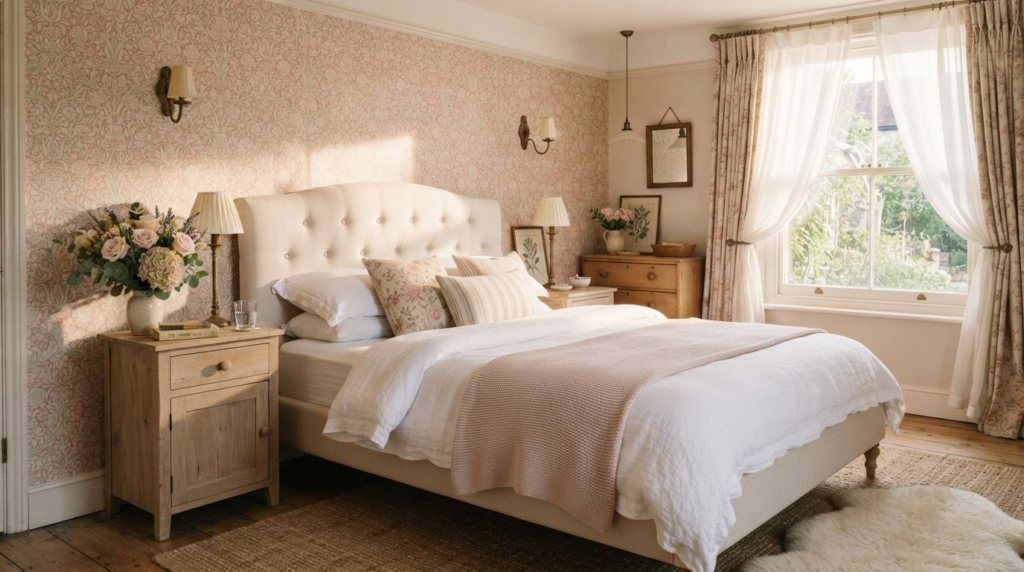
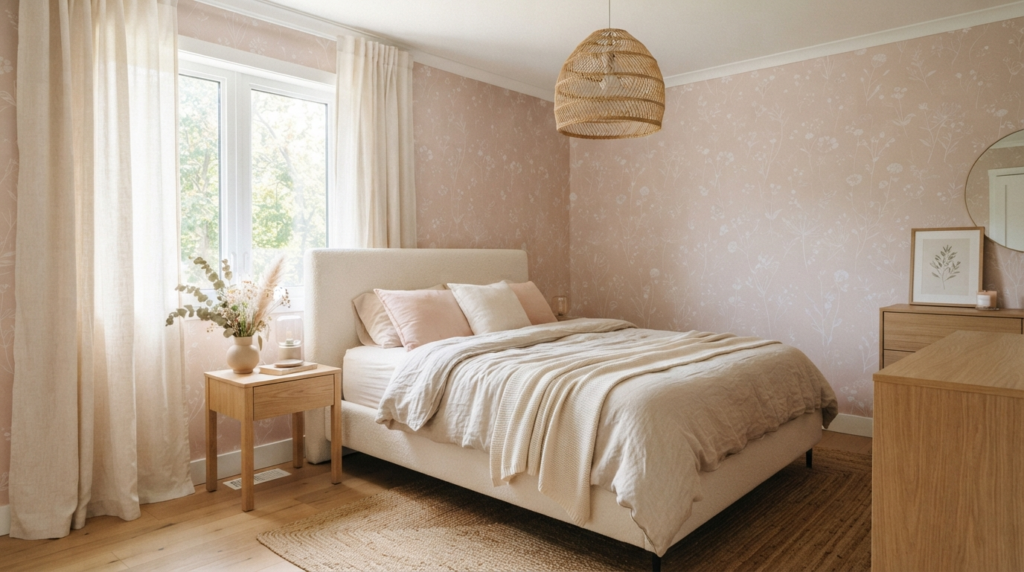
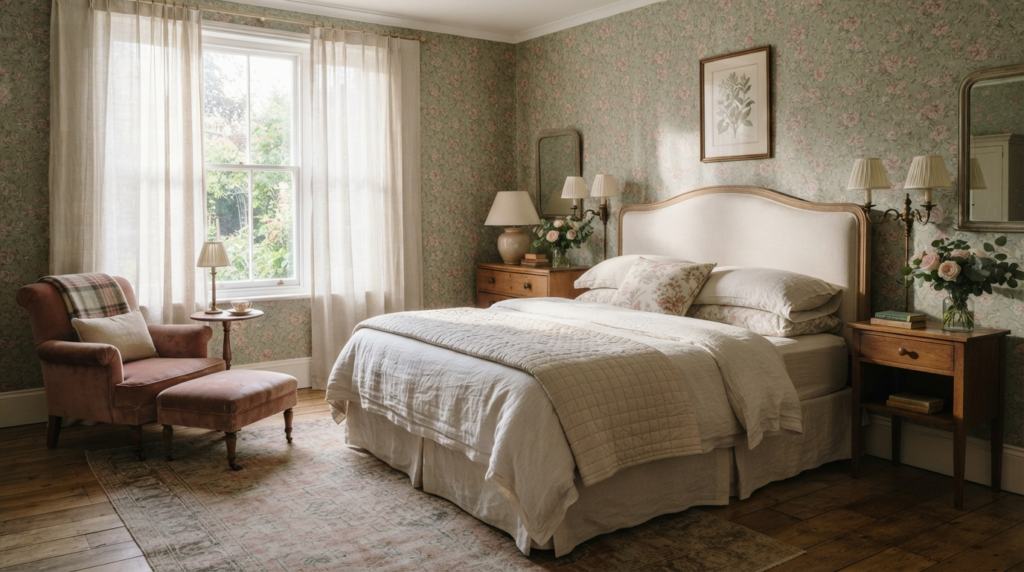
Soft floral wallpaper is a classic choice for a romantic bedroom. Look for delicate flowers in blush pink, cream, dusty rose, or muted green rather than overly bright prints.
Pair the wallpaper with simple linen bedding, warm wood furniture, and soft lighting. This combination creates a relaxed bedroom that feels charming without becoming too traditional.
2. Try Vintage Rose Wallpaper
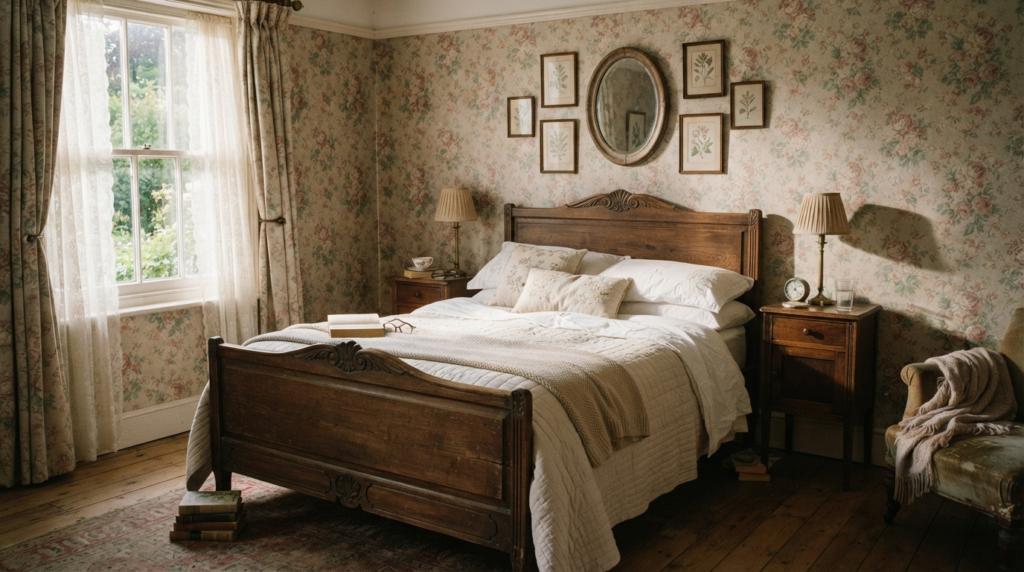
Vintage rose wallpaper brings an old-fashioned elegance to the bedroom. Choose a pattern with faded roses and slightly muted colors for a more sophisticated look.
Cream bedding, antique-style nightstands, brass lamps, and natural wood accents work especially well with this type of wallpaper.
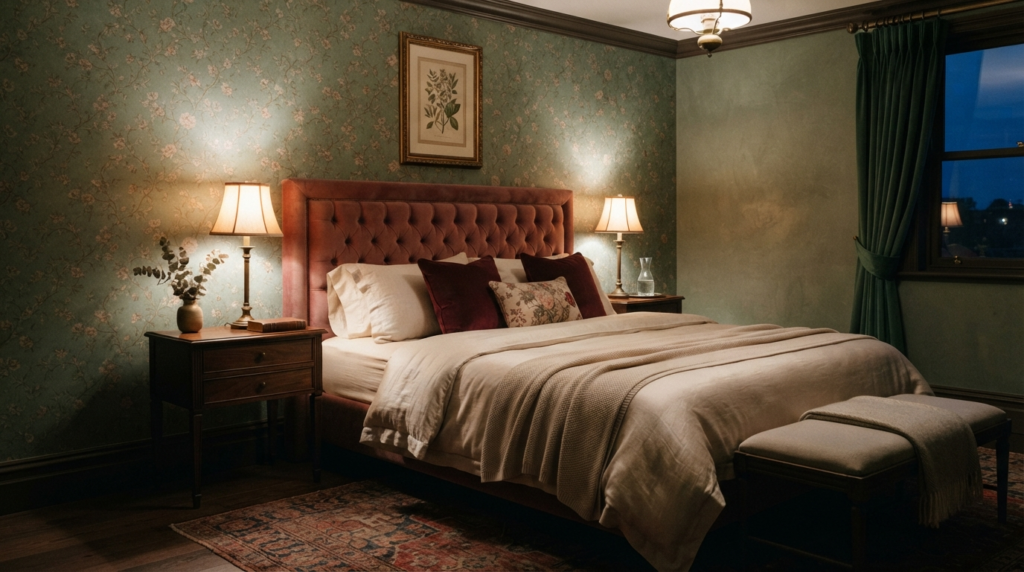
3. Use Moody Floral Wallpaper
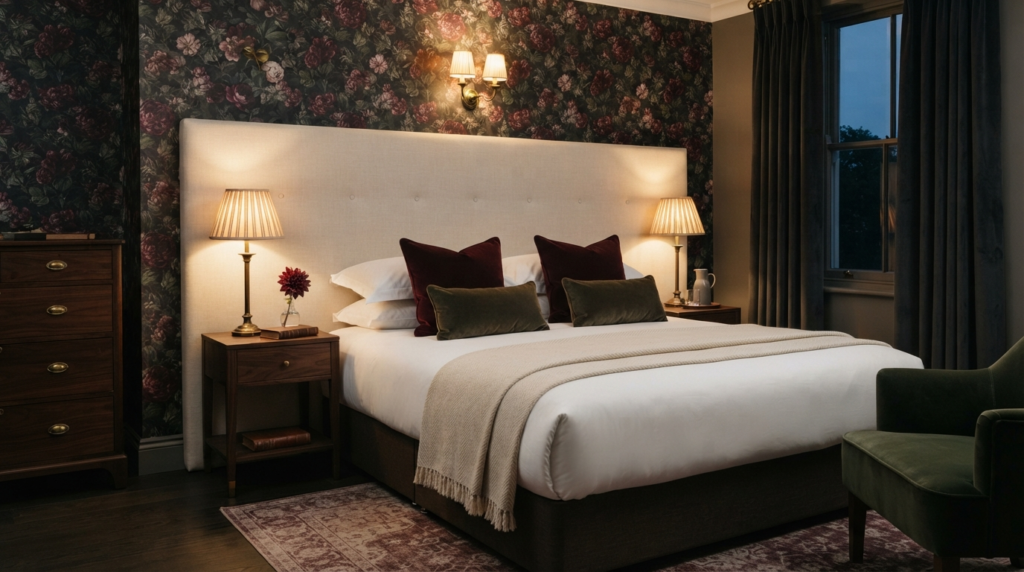
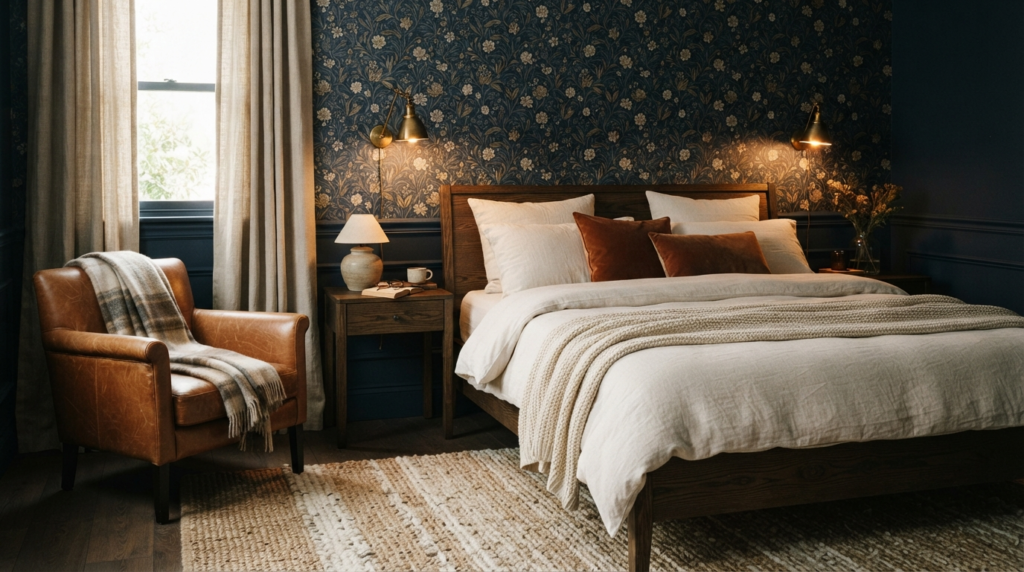
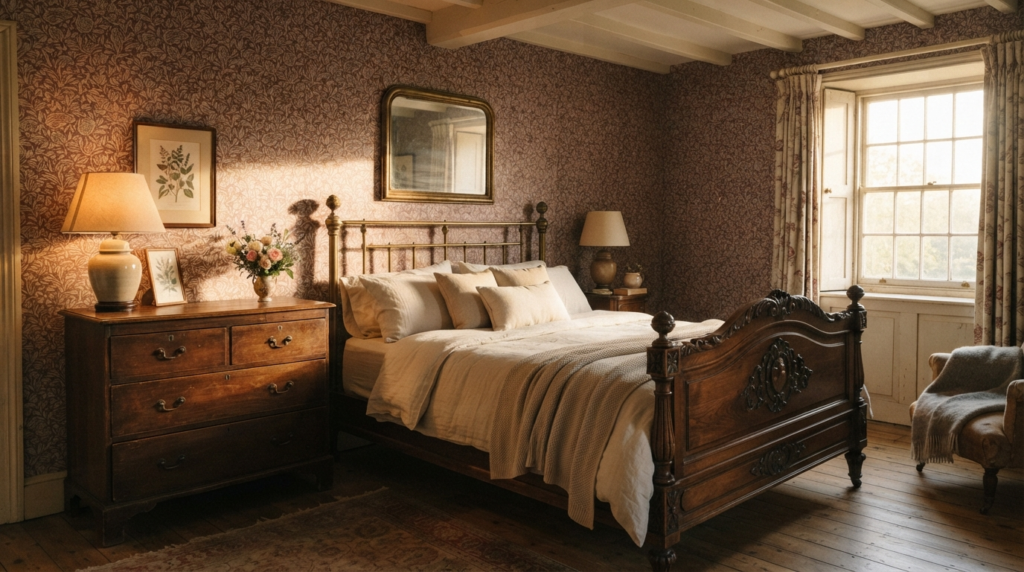
Romantic bedrooms do not have to be light and airy. A dark floral wallpaper featuring burgundy, plum, forest green, or navy can create a dramatic and intimate retreat.
Keep the rest of the room relatively simple. Velvet bedding, warm lamps, and brass details can make the darker wallpaper feel luxurious rather than heavy.
4. Create a Blush Pink Bedroom
Blush pink wallpaper can give a bedroom a soft and dreamy feeling without making it look overly sweet. Choose a wallpaper with subtle botanical details, small flowers, or an understated geometric pattern.
Balance the pink with cream, beige, walnut wood, and warm white bedding for a grown-up romantic look.
5. Add Delicate Botanical Wallpaper
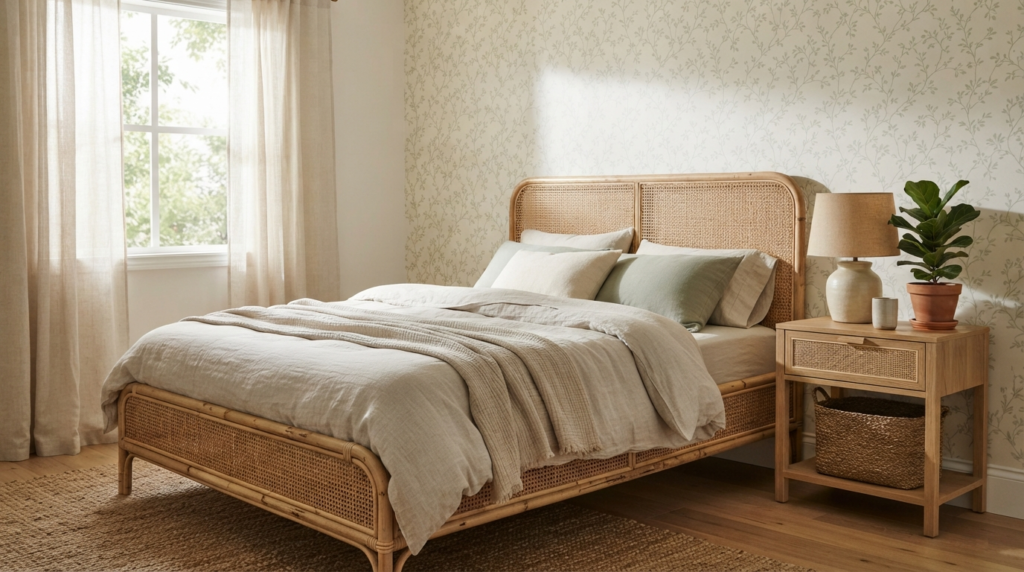
Botanical wallpaper is perfect if you want romance with a natural feel. Look for delicate branches, leaves, small flowers, or climbing vines in muted shades.
A cream background with sage or olive green foliage works beautifully with rattan furniture, linen curtains, and woven textures.
6. Try a Romantic Chinoiserie Print
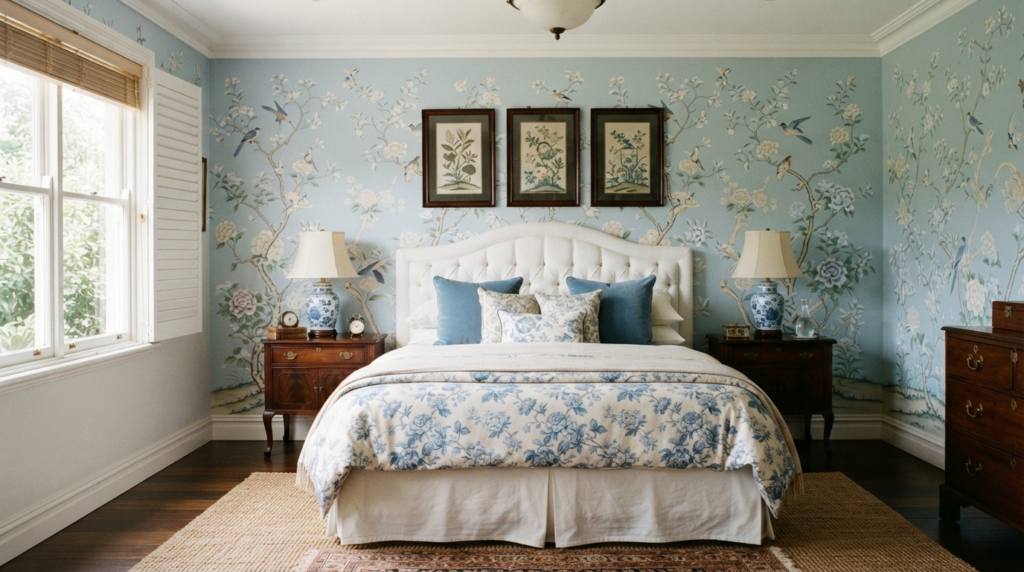
Chinoiserie-inspired wallpaper can give a bedroom an elegant, collected appearance. Look for designs featuring delicate birds, branches, flowers, or scenic landscapes.
Use simple furniture and neutral bedding so the wallpaper remains the main feature. A pair of traditional bedside lamps can complete the look.
7. Create a Dark and Cozy Retreat
For a more dramatic bedroom, choose a dark wallpaper with an intricate botanical or floral pattern. Deep navy, charcoal, brown, and forest green can all create a cozy atmosphere.
Add layered bedding, thick curtains, wood furniture, and warm bedside lighting to keep the room inviting.
8. Use Small-Scale Floral Wallpaper
Small floral wallpaper works especially well in bedrooms because it adds pattern without overwhelming the space. Choose a repeating design in soft colors for a subtle romantic effect.
This style pairs nicely with white furniture, woven baskets, neutral bedding, and delicate decorative accents.
9. Try Romantic Toile Wallpaper
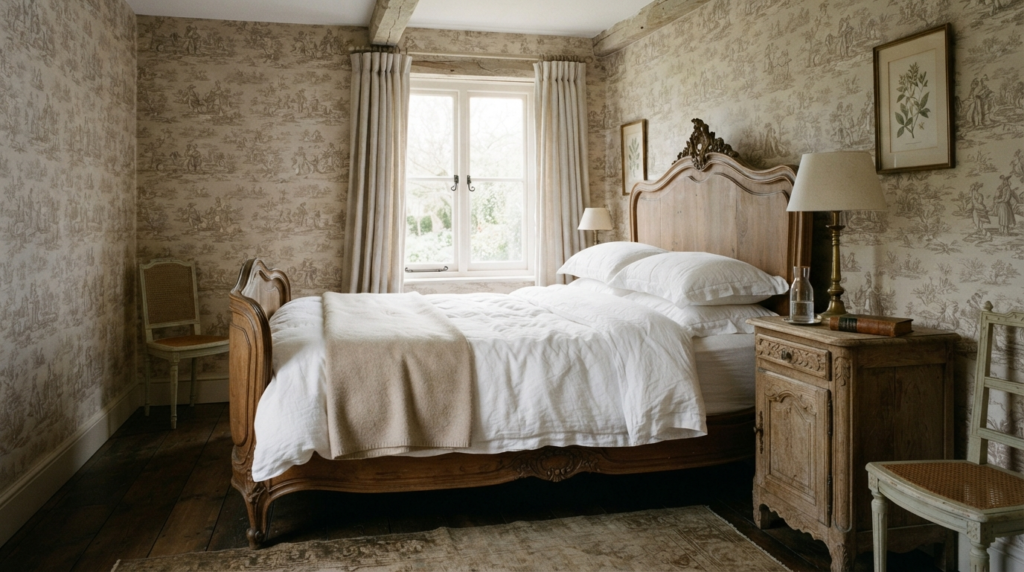
Toile wallpaper can give your bedroom a timeless French-inspired character. Traditional toile patterns often feature delicate scenes, foliage, or pastoral illustrations.
Choose a soft blue, muted green, dusty rose, or taupe version and pair it with white bedding and classic furniture.
10. Add Wallpaper Behind the Bed
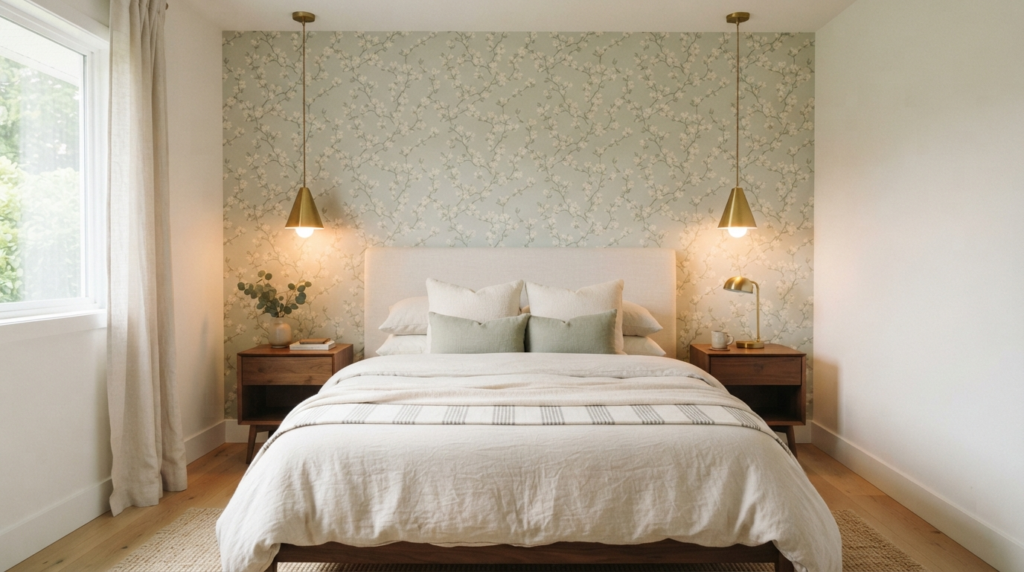
You do not need to wallpaper the entire bedroom to create an impact. Installing wallpaper only on the wall behind the bed can create a beautiful focal point.
A floral or botanical design works particularly well here. Keep the other walls neutral so the wallpaper frames the bed without competing with it.
11. Choose Watercolor Floral Wallpaper
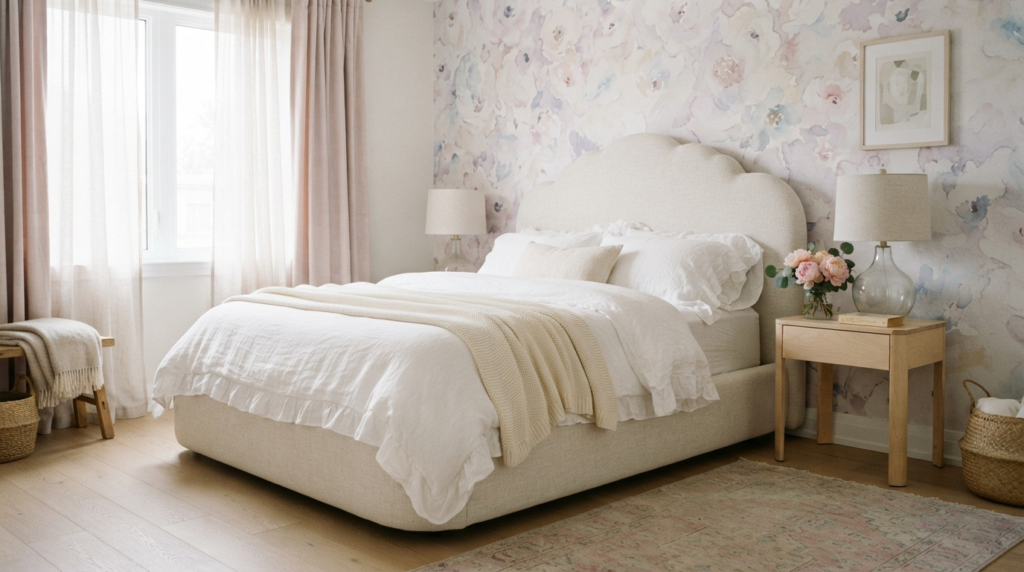
Watercolor-style wallpaper creates a soft, artistic effect. Look for flowers that appear slightly hand-painted rather than sharply defined.
Muted pink, lavender, blue, cream, and green can create a gentle color palette. Pair the wallpaper with simple white bedding and natural textures for a relaxed retreat.
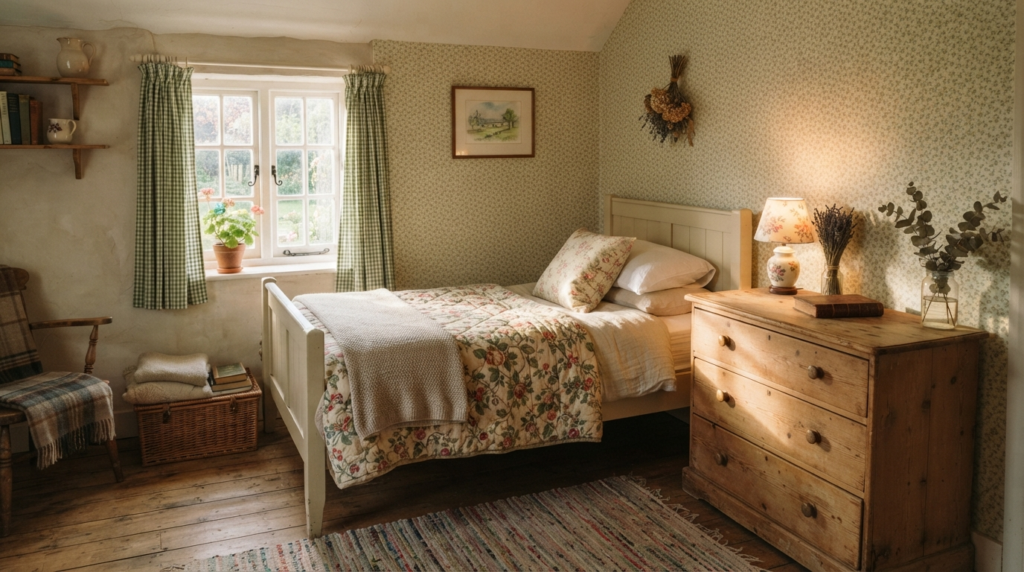
12. Create a Romantic Cottage Bedroom
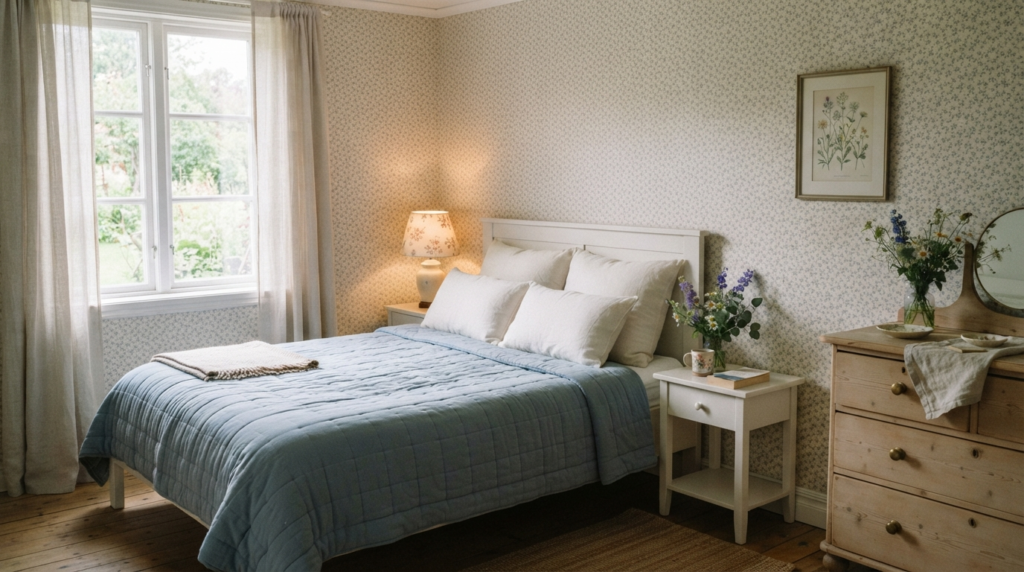
For a cottage-inspired bedroom, choose wallpaper with tiny flowers, climbing vines, or traditional botanical patterns.
Combine it with a painted wooden bed, floral bedding, vintage furniture, and soft curtains. Slightly imperfect or antique-looking accessories can make the room feel collected over time.
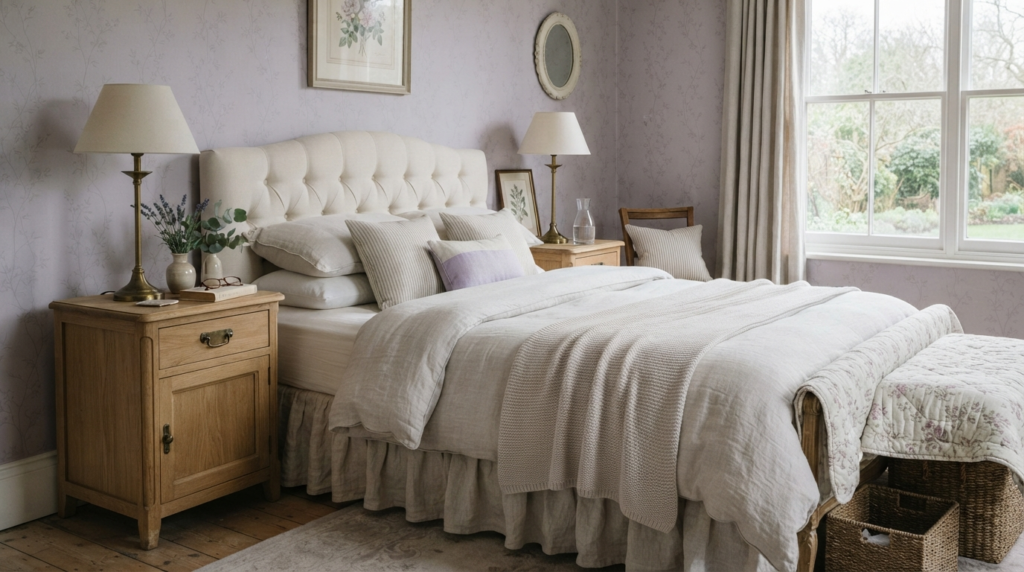
13. Try Soft Lavender Wallpaper
Lavender can give a bedroom a dreamy and slightly unexpected romantic feel. Instead of choosing an intense purple, look for muted lavender or dusty lilac wallpaper.
Cream, beige, pale gray, and natural wood furniture can keep the color feeling sophisticated.
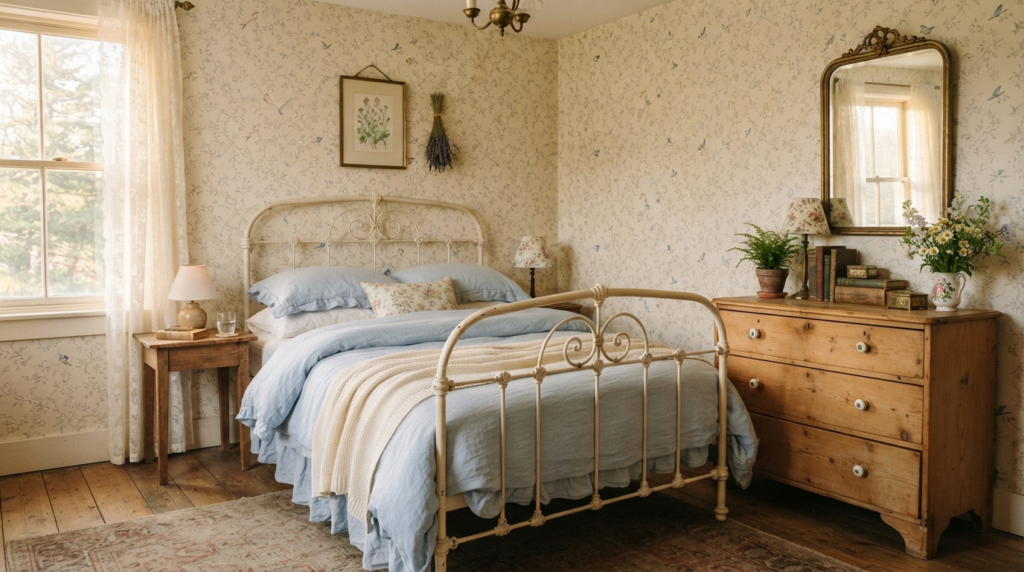
14. Use Romantic Bird Wallpaper
Wallpaper featuring small birds among branches and flowers can add a whimsical touch to a bedroom.
Choose a muted background such as cream, dusty blue, or soft beige. Keep accessories understated so the pattern remains the focal point.
15. Pair Wallpaper With Velvet
Velvet and romantic wallpaper make a naturally luxurious combination. A floral or botanical wallpaper can look especially rich when paired with a velvet headboard or accent chair.
Choose one strong color from the wallpaper for the velvet piece to create a cohesive bedroom palette.
16. Try a Soft Blue Floral Pattern
Soft blue wallpaper can make a romantic bedroom feel calm and airy. Choose a floral pattern with white, cream, or pale green details.
Add white linen bedding, light wood furniture, and woven accessories for a relaxed coastal or traditional bedroom style.
17. Create a Romantic Maximalist Bedroom
If you love pattern, do not be afraid to make wallpaper the foundation of a more layered bedroom. Choose a detailed floral or botanical print and repeat two or three of its colors throughout the room.
Patterned bedding, vintage lamps, decorative pillows, and artwork can add personality without making the room feel random.
18. Use Wallpaper on the Ceiling
For something unexpected, extend wallpaper onto the ceiling. This works particularly well in bedrooms with simple walls and a beautiful patterned ceiling.
A small floral or botanical design can make the room feel intimate and distinctive. Keep the furniture and bedding relatively simple to let the ceiling stand out.
19. Add Romantic Wallpaper to a Small Bedroom
Wallpaper can actually make a small bedroom feel more intentional. Instead of avoiding pattern, choose a soft design with a relatively simple repeat.
Light backgrounds, delicate florals, and subtle botanical prints can keep the space feeling open while adding warmth and character.
20. Combine Wallpaper With Antique Furniture
Romantic wallpaper looks beautiful with antique or vintage-inspired furniture. A wooden dresser, curved headboard, brass mirror, or traditional bedside table can give the room an elegant collected feeling.
Choose wallpaper colors that complement the furniture instead of competing with it.
21. Create a Full Dreamy Wallpaper Bedroom
For the ultimate romantic retreat, combine wallpaper, soft textiles, layered lighting, and comfortable furniture into one cohesive design.
Choose a wallpaper you genuinely love first, then pull colors from the pattern for the bedding, curtains, rug, and accessories. Keep the lighting warm and add natural materials such as wood, linen, and woven accents.
The result should feel cozy and personal rather than perfectly matched.
How to Choose Wallpaper for a Romantic Bedroom
Start with the mood you want to create. Soft florals and pale botanical prints feel light and feminine, while dark floral patterns create a moodier atmosphere.
Consider the size of the room too. Large patterns can make a strong statement, while small-scale prints are often easier to use in compact bedrooms.
It also helps to choose your wallpaper before buying accent pieces. Once you know the wallpaper colors, you can select bedding, curtains, rugs, and accessories that complement the pattern naturally.
What Colors Work Best With Romantic Bedroom Wallpaper?
Some of the most versatile romantic bedroom colors include:
Blush pink
Dusty rose
Cream
Warm white
Sage green
Olive green
Dusty blue
Lavender
Taupe
Burgundy
Forest green
Soft beige
For a light and airy bedroom, combine cream, blush, pale blue, or sage. For a moodier space, try burgundy, forest green, navy, charcoal, or deep brown.
How to Make Wallpaper Feel Romantic Without Looking Too Feminine
The easiest approach is to balance delicate wallpaper with natural or structured materials. Floral wallpaper can be paired with walnut furniture, black accents, woven baskets, linen bedding, or antique brass lighting.
This keeps the room romantic while giving it enough contrast to feel sophisticated and comfortable.
Should You Wallpaper the Whole Bedroom?
Wallpapering all four walls can create a beautiful cocoon-like effect, especially when the pattern has a soft background and muted colors.
If you prefer a more subtle approach, use wallpaper behind the bed as an accent wall. This can give you the visual impact of wallpaper without covering the entire room.
FAQs About Romantic Wallpaper Bedrooms
What wallpaper is best for a romantic bedroom?
Floral, botanical, toile, vintage rose, watercolor, and delicate scenic wallpapers are excellent choices for a romantic bedroom. The best option depends on whether you prefer a soft, traditional, modern, or moody look.
Is floral wallpaper still popular for bedrooms?
Yes. Floral wallpaper remains a versatile bedroom choice because it is available in many different scales, colors, and design styles. Muted botanical and vintage-inspired florals can feel especially timeless.
What color makes a bedroom feel romantic?
Blush, dusty rose, cream, burgundy, lavender, soft blue, sage green, and warm beige can all create a romantic atmosphere. Warm lighting and layered textiles also have a major effect on the overall mood.
Can wallpaper make a small bedroom look bigger?
Light-colored wallpaper with a subtle pattern can help a small bedroom feel brighter and more open. Using the same wallpaper across multiple walls can also create a more continuous visual effect.
What bedding looks best with romantic wallpaper?
Neutral linen, cream, white, beige, and soft-colored bedding usually works well. If the wallpaper is subtle, you can introduce a little more pattern through pillows or a quilt.
Wainscoting can make a bedroom feel instantly more finished, but the paint color you pair with it can completely change the mood. Soft beige creates a calm retreat, deep green feels cozy and sophisticated, while dusty blue gives the room a fresh and relaxed character.
The beauty of wainscoting is that you can use color in different ways. Paint the paneling and upper wall the same shade for a quiet, layered look, or create contrast with two complementary colors.
Whether your bedroom is small, traditional, modern, or cottage-inspired, these wainscoting bedroom ideas can help you find a combination that feels polished without looking overly formal.
1. Pair White Wainscoting With Sage Green Walls
Sage green and crisp white make a bedroom feel calm without being boring.
Keep the wainscoting bright white and use a muted sage above it. Add natural wood nightstands, cream bedding, and a few leafy plants to reinforce the relaxed feeling.
This combination works especially well in bedrooms that receive plenty of natural daylight.
2. Try Beige Wainscoting With Cream Walls
For a warm neutral bedroom, combine soft beige wainscoting with creamy walls.
The colors are close enough to create a layered effect while still giving the paneling some definition. Add linen bedding, woven accents, and light oak furniture for a relaxed organic look.
3. Use Dusty Blue Above White Paneling
Dusty blue is a beautiful choice when you want your bedroom to feel fresh and peaceful.
Pair it with traditional white wainscoting and simple white bedding. Brass lighting and warm wood furniture can prevent the blue from feeling too cool.
4. Paint the Wainscoting Deep Green
Instead of using color only on the upper wall, make the wainscoting the star.
A deep olive or forest green can create a cozy, dramatic bedroom when paired with warm cream walls. Add natural wood, brass accents, and soft neutral bedding to balance the darker color.
5. Create a Soft Pink Bedroom
Soft blush pink can look sophisticated when used thoughtfully.
Try blush or dusty rose wainscoting with warm white walls. Keep the bedding neutral and introduce brass lighting or light wood furniture to prevent the room from feeling overly sweet.
6. Choose Moody Charcoal Wainscoting
Charcoal wainscoting can give a bedroom a sophisticated, slightly dramatic appearance.
Pair it with soft gray or warm white walls above. Add cream bedding, dark wood furniture, and warm bedside lighting so the room feels cozy rather than heavy.
7. Try Navy Blue With White Wainscoting
Navy blue creates a classic bedroom combination when paired with white paneling.
Use navy on the upper wall and keep the wainscoting bright white. Natural wood, striped textiles, and brass hardware can give the room a timeless coastal or traditional character.
8. Use Warm Taupe for a Cozy Look
Warm taupe is an excellent choice if you prefer neutral bedrooms with more depth.
Paint the wainscoting taupe and use a slightly lighter cream or beige above it. Layer different textures through linen bedding, woven baskets, wool throws, and natural wood.
9. Create an All-White Wainscoting Bedroom
An all-white bedroom can look surprisingly elegant when different textures and architectural details provide the interest.
Paint both the wainscoting and upper walls white. Then introduce contrast through natural wood, soft beige textiles, black accents, or antique brass lighting.
10. Combine Terracotta With Cream
Terracotta adds warmth and personality to a bedroom.
Use a muted terracotta shade on the wainscoting and warm cream above it. Natural wood furniture, woven accessories, and white or oatmeal bedding complete the earthy palette.
11. Try Light Gray Wainscoting
Light gray is a versatile choice for a modern bedroom.
Pair pale gray paneling with white or very soft gray walls. Add black accents for contrast and warm wood furniture to keep the room from feeling too cool.
12. Use Olive Green for a Nature-Inspired Bedroom
Olive green works beautifully with traditional wainscoting because it has a slightly earthy, historic quality.
Paint the lower paneling olive and keep the upper walls warm white. Add botanical artwork, oak furniture, and cream textiles for a relaxed nature-inspired space.
13. Pair Cream Wainscoting With Chocolate Brown
Chocolate brown can make a bedroom feel warm and luxurious.
Instead of using brown across the entire room, keep it concentrated on the wainscoting and use creamy walls above. Add beige bedding, walnut furniture, and warm brass lighting for an inviting finish.
14. Create a Lavender Bedroom
Muted lavender can bring a soft, romantic quality to a bedroom without becoming too bright.
Pair lavender wainscoting with warm white walls and neutral bedding. Light oak furniture and simple floral accents can make the color feel fresh rather than overly traditional.
15. Try Black Wainscoting for Contrast
Black paneling can create a dramatic focal point, especially in a bedroom with plenty of natural light.
Keep the upper walls soft white or warm beige and use lighter bedding to balance the darker lower section. Brass lamps and natural wood can add warmth.
16. Use Pale Yellow for a Cheerful Bedroom
A muted buttery yellow can make a bedroom feel sunny and welcoming.
Try pale yellow wainscoting with warm white walls. Keep the rest of the palette understated with cream bedding, light wood, and small touches of greenery.
17. Paint the Entire Wall One Color
Wainscoting does not always need to contrast with the wall above it.
For a more sophisticated approach, paint the paneling and upper wall the same shade. Deep green, dusty blue, warm taupe, and soft beige all work particularly well with this technique.
The architectural detail remains visible because of the change in texture and shadow.
18. Combine Blue-Gray With Natural Wood
Blue-gray gives a bedroom a calm, slightly sophisticated feel.
Use the color on the wainscoting and pair it with a soft white upper wall. Then introduce natural oak furniture, woven baskets, and beige textiles to warm up the palette.
19. Try Burgundy for a Dramatic Bedroom
If you want something richer, muted burgundy can create a beautiful statement.
Use burgundy on the wainscoting and balance it with warm cream walls. Choose neutral bedding and antique brass accents so the color remains sophisticated rather than overwhelming.
20. Create a Coastal Bedroom With Seafoam Green
Seafoam green is ideal for a relaxed coastal-inspired bedroom.
Pair the soft green wainscoting with white walls, natural wood, woven lighting, and blue-and-white bedding. Keep the accessories simple so the room feels airy rather than themed.
21. Use Greige for a Modern Classic Look
Greige combines the warmth of beige with the understated quality of gray.
Paint the wainscoting in a medium greige and use a lighter neutral above it. Add black window frames, cream bedding, and walnut furniture for a polished modern-classic bedroom.
22. Pair Dusty Rose With Warm Beige
Dusty rose and warm beige create a soft, sophisticated color combination.
Use dusty rose on the wainscoting and beige on the upper wall. Add cream bedding, aged brass lighting, and natural wood to create a bedroom that feels warm and elegant.
23. Create a Moody Two-Tone Bedroom
For a dramatic but balanced finish, choose two deeper colors.
Try forest green wainscoting with warm charcoal walls, or navy paneling with a muted blue-gray upper wall. Keep the bedding and larger furniture pieces neutral so the architectural details remain the focus.
This approach works especially well in bedrooms where you want a cozy evening atmosphere.
How High Should Bedroom Wainscoting Be?
There is no single height that works for every bedroom, but wainscoting is often installed somewhere around one-third of the wall height.
The right proportion depends on your ceiling height, furniture, windows, and the style of paneling.
For a traditional bedroom, slightly taller paneling can create a more formal appearance. Simpler lower paneling often works well in modern or relaxed spaces.
Before installing it, use painter’s tape to mark the proposed height. This gives you a chance to see how the proportion looks with your bed and other furniture.
Should Wainscoting Be Lighter or Darker Than the Wall?
Either option can work.
A darker wainscoting with lighter walls creates clear contrast and makes the paneling stand out. A lighter lower section creates a softer, more traditional appearance.
For a subtle bedroom, keep the colors within the same family. For more impact, use contrasting shades such as navy and white, olive and cream, or charcoal and warm beige.
What Paint Finish Is Best for Bedroom Wainscoting?
A durable washable finish is usually practical for wainscoting because the lower portion of a wall can collect more marks than the upper section.
A satin or eggshell-style finish can provide some durability without looking overly glossy. The ideal finish also depends on the type of paint and the existing finish of the walls.
If you want the paneling and wall to appear as one continuous color, using compatible finishes can help maintain a cohesive appearance.
How to Make Wainscoting Look More Modern
Traditional paneling can easily be given a contemporary feel through color and styling.
Try painting the entire wall in one shade, choosing a muted modern color, or pairing the paneling with simple furniture and minimal accessories.
Avoid overcrowding the wall above the wainscoting. A single large artwork or simple pair of wall lights can look cleaner than many small decorations.
Best Bedroom Colors to Pair With Wainscoting
Some of the most versatile choices include:
Sage green
Olive green
Dusty blue
Navy
Warm white
Cream
Beige
Taupe
Greige
Terracotta
Dusty rose
Charcoal
Chocolate brown
Muted lavender
Seafoam green
The best color depends on the atmosphere you want. Soft greens and blues feel restful, warm neutrals feel cozy, and deeper shades create a more dramatic bedroom.
FAQs About Wainscoting Bedrooms
Is wainscoting a good idea for a bedroom?
Yes. Wainscoting adds architectural detail and can make a bedroom feel more finished. It can also help define the lower portion of a wall without requiring wallpaper or a complicated decorative treatment.
What is the most popular color for bedroom wainscoting?
White remains a classic choice, but muted greens, beige, gray, blue, and warm neutrals are popular alternatives. The right choice depends on the overall bedroom palette.
Should bedroom wainscoting match the trim?
It can, but it does not have to. Matching the wainscoting to the trim creates a traditional look, while using a different color can make the paneling a stronger design feature.
Can I use dark wainscoting in a small bedroom?
Yes. Dark wainscoting can work in a small bedroom, particularly when the upper wall and larger furniture pieces remain lighter. Good natural or layered lighting can also keep the room from feeling too enclosed.
What wall color goes best with white wainscoting?
Sage green, dusty blue, navy, beige, blush, taupe, and soft gray all pair beautifully with white wainscoting. Warm white is another option if you prefer a subtle layered neutral look.
A small balcony can become one of the most enjoyable places in your home during summer. Even when you only have enough space for a chair and a few plants, the right combination of lighting, textiles, greenery, and furniture can make it feel like a private outdoor retreat.
You do not need expensive furniture or a large terrace to create a beautiful setup. A compact bistro table, colorful cushions, a few potted plants, or warm string lights can completely change the atmosphere.
These summer balcony decor ideas focus on making small outdoor spaces feel comfortable, useful, and inviting without filling every inch.
1. Add a Compact Bistro Set
A small bistro table with two lightweight chairs is one of the easiest ways to make a balcony functional.
Choose folding or stackable furniture if space is especially limited. White metal creates a classic European look, while natural wood or rattan gives the balcony a warmer appearance.
Add two small cushions and a simple vase of flowers for a finished summer setup.
2. Create a Cozy Balcony Seating Corner
If you would rather relax than dine outside, skip the table and focus on comfortable seating.
A compact outdoor loveseat, lounge chair, or cushioned bench can turn an empty corner into a place for reading or morning coffee. Add one soft outdoor cushion and a lightweight throw for extra comfort.
Keep the remaining floor area open so the balcony still feels spacious.
3. Use a Colorful Outdoor Rug
A balcony rug can instantly make a small outdoor space feel more like an actual room.
Choose a weather-resistant design in a cheerful summer palette such as blue and white, coral and cream, or green and beige. A patterned rug can also help define the seating area without taking up any physical space.
4. Hang String Lights
Warm string lights can make a balcony feel magical after sunset.
Attach them along the railing, above the seating area, or around a nearby wall. Choose warm white bulbs rather than harsh cool lighting for a softer atmosphere.
If you cannot attach lights permanently, battery-powered options can work well for rental balconies.
5. Fill the Balcony With Potted Plants
Plants are one of the best ways to make a small balcony feel alive.
Use a combination of floor pots, railing planters, and smaller containers on shelves. Choose plants with different heights and leaf shapes to create depth.
You can also group several pots together instead of spreading them across the entire balcony.
6. Add a Small Balcony Bench
A narrow bench can provide seating without taking up as much room as two separate chairs.
Choose a wooden bench for a natural look or a painted version if you want more color. Add two outdoor cushions and place a few plants beside it to create a simple relaxing corner.
A bench with hidden storage underneath is particularly useful for small balconies.
7. Create a Morning Coffee Spot
You do not need much space to create a dedicated coffee corner.
Place a tiny round table beside one comfortable chair and add a small tray for your coffee cup, book, and sunglasses. A potted herb or flower on the table can make the area feel more personal.
This setup is perfect for balconies that are too narrow for full-size outdoor furniture.
8. Use Vertical Plant Shelves
When floor space is limited, look upward.
A narrow vertical shelf can hold several small plants without taking away valuable walking space. Mix trailing plants with upright greenery for a more layered appearance.
Paint the shelf white, sage green, or natural wood depending on the style of your balcony.
9. Add Privacy With Tall Plants
A balcony can feel much more comfortable when it has some separation from neighboring buildings.
Tall potted plants, bamboo-style screens, climbing greenery, or a simple outdoor privacy panel can create a natural barrier.
Choose an option that still allows plenty of sunlight into the space.
10. Hang a Comfortable Chair
A hanging chair can turn an unused balcony corner into a relaxing retreat.
Choose a compact woven or fabric design and pair it with a small cushion. Add a few plants nearby and warm lighting overhead.
Because the chair hangs above the floor, it can also make the balcony feel less crowded visually.
11. Add a Small Outdoor Coffee Table
A tiny coffee table can make even a single-chair balcony feel complete.
Look for a round or nesting design that can be moved easily when you need more floor space. Natural wood, painted metal, and woven materials all work well for summer.
Keep the tabletop simple with a small plant, candle lantern, or decorative tray.
12. Decorate the Railing With Planters
Railing planters are perfect for balconies where floor space is extremely limited.
Use them for flowers, herbs, or trailing greenery. Bright geraniums can create a cheerful traditional look, while herbs such as basil and mint add both greenery and practical value.
Just make sure the planter system is securely attached and suitable for your railing.
13. Try a Mediterranean Balcony Style
For a relaxed vacation-inspired balcony, combine terracotta pots, white textiles, natural wood, and blue accents.
Add an olive tree or another compact plant, a striped cushion, and a simple ceramic lantern. The result can feel like a tiny Mediterranean terrace even in a city apartment.
14. Make a Neutral Balcony Retreat
You do not need bright colors to make your balcony inviting.
Try a palette of cream, beige, warm brown, and soft green. Add natural textures through rattan furniture, woven baskets, linen-style cushions, and wooden accessories.
This approach works especially well if your indoor decor already has a neutral aesthetic.
15. Add a Colorful Cushion Mix
If replacing your furniture is not an option, change the look with cushions.
Mix two or three summer shades such as coral, turquoise, yellow, or sage green. Use different patterns while keeping at least one solid color to prevent the arrangement from feeling too busy.
Choose outdoor-rated fabrics whenever possible.
16. Create a Mini Herb Garden
A balcony can become a useful little garden even if you have almost no floor space.
Grow basil, mint, rosemary, thyme, or parsley in small containers. Arrange them on a narrow shelf or railing planter where they can receive appropriate sunlight.
A small herb garden also adds a fresh scent to the outdoor area.
17. Use Lanterns for Evening Ambiance
Lanterns are an easy way to bring warm light to a summer balcony.
Place one larger lantern beside the seating area and a couple of smaller ones on a table or shelf. Flameless candles are particularly convenient for compact outdoor spaces.
Mix different heights to make the lighting arrangement feel more interesting.
18. Add a Foldable Dining Table
A wall-mounted or foldable table can be a smart solution for a narrow balcony.
Keep it folded when you need extra space, then open it when you want breakfast or dinner outside. Pair it with two lightweight folding chairs for a flexible setup.
Choose natural wood for a warm look or white for a clean minimalist style.
19. Create a Boho Balcony Corner
Layering is the key to a relaxed boho balcony.
Start with a patterned outdoor rug, add floor cushions or a low chair, then bring in woven baskets, textured throws, terracotta pots, and plenty of greenery.
Keep the furniture simple and let the textures create most of the visual interest.
20. Add a Small Balcony Bar
If you enjoy outdoor drinks or entertaining, create a tiny bar area with a narrow console or wall-mounted shelf.
Use it to hold glasses, a pitcher, a small ice bucket, and a few decorative pieces. Add string lights above the area for an easy evening setup.
Even a very narrow balcony can accommodate this idea if the storage is kept vertical.
21. Create a Complete Summer Balcony Retreat
For the ultimate small balcony makeover, combine several ideas instead of relying on one feature.
Start with one comfortable seating option, then add a compact table, outdoor rug, greenery, warm lighting, and a few colorful accessories. Keep the furniture proportional to the balcony and leave enough open space to move around comfortably.
The goal is not to fill the balcony. It is to create a small outdoor room where every item has a purpose.
How to Decorate a Very Small Balcony
When your balcony is particularly narrow, focus on furniture that can perform more than one job.
A storage bench can provide seating and hide cushions. A folding table can become a dining surface when needed and disappear when it is not. Railing planters provide greenery without using floor space.
It also helps to keep larger visual areas simple. One patterned rug and a few colorful accessories can have more impact than dozens of small decorations.
Best Colors for Summer Balcony Decor
Summer balconies work beautifully with fresh, light color combinations.
Try:
Blue and white for a coastal feel
Terracotta and cream for a Mediterranean look
Sage green and beige for a natural retreat
Coral and turquoise for a cheerful space
Yellow and white for a bright, sunny balcony
Brown, cream, and olive for an earthy boho look
Choose one main palette and repeat it through cushions, planters, rugs, and accessories.
How to Make a Balcony Feel Bigger
A few simple decorating choices can make a compact balcony appear more spacious.
Use furniture with slim legs or open frames rather than bulky pieces. Keep pathways clear and use vertical surfaces for plants and storage.
Light-colored furniture can also help reflect natural light. Mirrors may work on some sheltered balconies, but make sure they are securely installed and suitable for outdoor exposure.
Most importantly, avoid overcrowding. A small balcony usually looks better when there is some empty space between the furniture and the railing.
Small Balcony Summer Checklist
Before finishing your balcony makeover, check that you have:
Comfortable seating
A small surface for drinks or books
Weather-resistant textiles
A few plants or flowers
Warm evening lighting
One defined color palette
Enough open floor space
Securely positioned planters and accessories
Think about how you actually want to use the balcony before buying anything. A reading balcony needs different furniture from a space designed for outdoor meals.
FAQs About Summer Balcony Decor
How can I decorate a small balcony on a budget?
Start with affordable changes such as cushions, plants, string lights, a small outdoor rug, and secondhand furniture. You can make a noticeable difference without replacing everything.
What furniture is best for a tiny balcony?
Folding chairs, compact bistro sets, narrow benches, hanging chairs, and wall-mounted tables are all useful choices. Look for furniture that can be folded, stacked, or used for storage.
How do I make my balcony feel cozy?
Add comfortable seating, soft outdoor cushions, greenery, warm lighting, and a small rug. A few layers of texture can make a compact balcony feel much more inviting.
What plants are good for a balcony?
The best plants depend on how much sunlight your balcony receives. Herbs, flowering plants, compact shrubs, and trailing plants can all work well when matched to the available light and growing conditions.
How can I add privacy to my balcony?
Tall potted plants, outdoor screens, bamboo-style panels, climbing plants, and railing planters can all provide privacy. Choose an option that does not block necessary light or create an unsafe obstruction.
Can I make a rental balcony look better without permanent changes?
Yes. Use freestanding furniture, removable outdoor rugs, portable planters, battery-powered lights, and folding pieces. These can create a completely different look without permanent installation.
Summer is the perfect excuse to bring more color into your home. You do not need to repaint every wall or replace your furniture to make a room feel brighter. A few cheerful pillows, colorful flowers, playful artwork, or a sunny table setting can completely change the mood.
The best part is that summer decorating can be as bold or subtle as you like. Mix coral with pink, add turquoise to a neutral room, or simply introduce a bowl of lemons to your kitchen. These colorful summer decor ideas are easy to adapt whether you love a bright coastal look, cheerful cottage style, modern interiors, or relaxed boho spaces.
1. Add Coral Throw Pillows
Coral instantly gives a room a warm summer feeling. Add coral pillows to a neutral sofa and mix them with smaller cushions in peach, cream, or soft pink.
For a more collected look, choose different patterns rather than buying every pillow from the same set. Stripes, small florals, and textured fabrics work especially well together.
2. Create a Colorful Entryway
Make your entryway feel welcoming with a colorful runner, bright artwork, and a small vase filled with fresh flowers.
If your walls and furniture are neutral, this is an easy place to experiment with stronger shades. Try turquoise, yellow, coral, or leafy green without committing to a major makeover.
3. Style a Sunny Yellow Kitchen
Yellow is naturally cheerful and works beautifully in summer kitchens. You can introduce it through tea towels, ceramic bowls, fruit displays, or small countertop accessories.
A bowl filled with lemons adds color while still looking useful and effortless. Pair yellow with white cabinets and natural wood for a fresh farmhouse feel.
4. Mix Pink and Orange Accents
Pink and orange create a playful combination that instantly makes a room feel more energetic.
You do not need equal amounts of both colors. Use one as the dominant shade and bring in the other through smaller accessories such as cushions, flowers, candles, or artwork.
5. Bring in Turquoise Accessories
Turquoise is one of those colors that instantly reminds you of clear water and sunny vacations.
Try turquoise vases, ceramic pieces, cushions, lamps, or decorative bowls. It looks especially fresh alongside white, beige, light wood, and sandy neutral tones.
6. Make a Colorful Summer Dining Table
Give your dining table a seasonal update with colorful napkins, patterned plates, fresh flowers, and bright glassware.
Keep the centerpiece relatively simple so the table does not feel crowded. A low arrangement of colorful flowers in a ceramic vase can be enough to make the entire setting feel special.
7. Use Fresh Flowers in Bright Colors
Fresh flowers are one of the easiest ways to add natural color to your home.
Choose flowers in shades such as pink, orange, yellow, purple, or red and place them throughout the house. A small arrangement on a nightstand or bathroom counter can make an unexpected difference.
8. Add a Colorful Rug to the Living Room
A patterned rug can become the main source of color in an otherwise simple living room.
Look for designs that combine several shades you already enjoy. Then repeat one or two of those colors in pillows, artwork, or decorative objects to make the room feel coordinated.
9. Create a Cheerful Reading Corner
Turn an unused corner into a colorful summer reading spot with a comfortable chair, bright cushion, small side table, and a floor lamp.
Add a colorful throw and a little vase of flowers. Even a tiny corner can become one of the happiest spaces in the house.
10. Decorate With Colorful Ceramic Vases
Ceramic vases are useful even when they are empty. Arrange several in different colors and shapes on a console, shelf, or dining table.
Try combinations such as cobalt blue, sunny yellow, terracotta, and creamy white for a collected summer look.
11. Brighten the Bedroom With Bedding
You can completely change the feeling of a bedroom by replacing heavy bedding with lighter colors and playful patterns.
Try floral sheets, a coral quilt, pale pink pillows, or a blue-and-white striped duvet. Keep the rest of the room simple so the bedding remains the focal point.
12. Add Colorful Artwork
Artwork is a simple way to introduce multiple colors without changing your furniture.
A large abstract print can bring together shades of blue, pink, orange, yellow, and green. Pick a few colors from the artwork and repeat them through smaller accessories around the room.
13. Style a Summer Bar Cart
Turn a bar cart or small serving trolley into a colorful summer display.
Add colorful glassware, a vase of flowers, a bowl of citrus fruit, and a few attractive serving pieces. Even if you rarely use the cart for drinks, it can work as a cheerful decorative station.
14. Create a Colorful Bathroom
Bathrooms are often overlooked when decorating with color. Add personality through patterned towels, colorful artwork, bright soap dishes, or a small ceramic vase.
Blue and green work particularly well for a fresh, spa-inspired summer atmosphere, while peach and pink can create a warmer look.
15. Add Greenery in Colorful Pots
Houseplants already bring life into a room, but colorful planters can make them even more noticeable.
Try terracotta for a warm earthy look, painted ceramic pots for a cottage feel, or bright blue planters for a coastal-inspired room.
16. Use Colorful Curtains
Curtains take up a surprising amount of visual space, making them an effective way to add color.
Soft floral curtains can make a bedroom feel romantic, while striped or geometric designs can give a living room a more playful personality. Choose lightweight fabrics that suit the brighter summer season.
17. Make a Cheerful Coffee Table Display
Keep your coffee table simple but colorful. Stack two or three books, add a small vase, and place a colorful decorative bowl or candle nearby.
A few carefully chosen pieces usually look better than filling the entire surface.
18. Decorate With Citrus
Citrus fruit doubles as both food and decoration. Fill a large bowl with lemons, oranges, or limes and place it on your kitchen island or dining table.
The bright colors work beautifully with natural wood, white ceramics, woven textures, and neutral countertops.
19. Add a Colorful Gallery Wall
A gallery wall gives you plenty of room to experiment with summer shades.
Mix artwork, photographs, small prints, and decorative pieces in different frame styles. To keep everything connected, repeat a few colors throughout the collection.
20. Bring Summer Color Outdoors
Extend your colorful decorating style onto the patio, balcony, or porch.
Use bright outdoor cushions, patterned rugs, colorful planters, and lanterns. Even a small balcony can feel like a summer retreat with a few well-chosen accessories.
21. Try a Colorful Boho Corner
For a relaxed look, layer colorful textiles with natural materials.
Think patterned cushions, woven baskets, a vintage-style rug, leafy plants, and warm wood furniture. Do not worry about making everything perfectly match. The slightly collected appearance is part of the charm.
22. Mix Blue, Green, and White
For a calmer approach to colorful decorating, combine shades of blue and green with plenty of white.
This palette feels fresh without becoming overwhelming. Add natural wood or rattan pieces to warm up the space and give it a relaxed summer character.
23. Create a Full Summer Color Story
If you really love color, bring several cheerful shades throughout your home instead of concentrating everything in one room.
Choose a simple palette such as coral, turquoise, yellow, and soft pink. Repeat those colors in small ways across the living room, kitchen, bedroom, and entryway.
The goal is not to make every room identical. Repeating a few shades helps the entire home feel connected while allowing each space to have its own personality.
How to Make Colorful Summer Decor Feel Cohesive
Using lots of color does not mean every item needs to be bright. Start with a neutral foundation such as white, cream, beige, light gray, or natural wood.
Then choose three or four accent colors and repeat them throughout your home.
For example:
Coral + pink + cream: warm and playful
Turquoise + yellow + white: bright and coastal
Blue + green + beige: fresh and relaxed
Orange + terracotta + cream: earthy and sunny
Pink + lavender + soft blue: romantic and cheerful
Repeating colors in different rooms makes your decorating feel intentional rather than random.
How to Add Summer Color Without Buying New Furniture
You can create a noticeable seasonal change with inexpensive accessories.
Start with items that are easy to replace, such as:
Throw pillows
Blankets
Table linens
Curtains
Flowers
Vases
Artwork
Decorative bowls
Towels
Planters
Rugs
This approach also makes it easy to return to a more neutral style when the season changes.
What Colors Work Best for Summer Decorating?
There is no single summer color palette that everyone needs to follow. The best colors depend on the mood you want.
For a bright and energetic home, use yellow, coral, orange, turquoise, and pink.
For something softer, combine blush, lavender, pale blue, sage green, and cream.
If you prefer an earthy summer look, try terracotta, olive green, warm beige, muted orange, and natural wood.
The easiest way to choose is to start with one color you already love and build the rest of the palette around it.
Small Summer Decorating Checklist
Before you finish decorating, take a quick look around each room.
Add at least one fresh or colorful accent.
Remove a few heavy winter accessories.
Introduce lighter textiles.
Bring in flowers or greenery.
Repeat two or three colors throughout the space.
Mix patterns with solid colors.
Keep enough neutral space so the colors can stand out.
Use natural materials such as rattan, linen, cotton, and wood.
FAQs About Summer Home Decor
How can I make my home look more summery?
Use lighter textiles, fresh flowers, natural materials, bright accessories, and cheerful colors. You can create a noticeable seasonal update without replacing large furniture pieces.
What are popular colors for summer home decor?
Bright yellow, coral, turquoise, blue, green, pink, orange, and lavender all work well for summer interiors. Neutral shades can be used as a base to keep brighter colors balanced.
How do you decorate with lots of color without making a room look messy?
Choose a limited color palette and repeat those shades throughout the room. Balance colorful accessories with neutral walls, furniture, or larger surfaces.
Can colorful decor work in a small room?
Yes. Small rooms can benefit from carefully placed color. Try colorful pillows, artwork, flowers, or a single patterned rug instead of covering every surface with bold shades.
How can I make summer decor look elegant?
Pair bright colors with quality-looking natural materials such as linen, wood, rattan, ceramic, and cotton. Keeping the number of main colors limited also creates a more polished appearance.
Candlelight can completely change the mood of a home during Halloween. A few flickering candles, dark colors, warm shadows, and vintage accents can make an ordinary room feel mysterious and cozy without covering every surface in spooky decorations.
The trick is to layer different heights, textures, and sources of light. Combine candles with pumpkins, antique-looking holders, dried branches, black ceramics, and soft textiles to create a Halloween atmosphere that feels atmospheric rather than cluttered.
Whether you are decorating a mantel, dining table, bedroom, entryway, or front porch, these Halloween candlelight ideas can help you create a dark and cozy home that feels perfect for October evenings.
1. Create a Candlelit Halloween Mantel
Turn your fireplace mantel into the main source of Halloween atmosphere with candles in different shapes and heights.
Pair black taper candles with ivory pillar candles, dried branches, small pumpkins, and antique-style frames. Leave some open space between the objects so the candlelight can create dramatic shadows.
For safety, use flameless LED candles when decorations or fabrics are positioned nearby.
2. Style Black Taper Candles
Black taper candles instantly give a dining table or mantel a gothic Halloween feel.
Place them in aged brass, pewter, or black metal candlesticks. Pair them with dark table linens and a few muted pumpkins for an elegant look that does not feel overly themed.
3. Add Candles Inside Glass Lanterns
Glass lanterns are perfect for creating a warm glow while adding another layer of texture.
Place them on the porch, beside the fireplace, along a hallway, or near the front door. Use different lantern sizes and group them in threes for a naturally balanced arrangement.
4. Make a Moody Dining Table Centerpiece
A candlelit Halloween dinner table can feel dramatic without needing elaborate decorations.
Start with a dark tablecloth or runner, then add black candlesticks, burgundy flowers, dried branches, dark ceramic dishes, and a few small pumpkins. Keep the candles at varying heights so the centerpiece feels layered.
5. Use Ivory Candles With Dark Decor
Halloween candlelight does not have to be black.
Cream and ivory candles create beautiful contrast against charcoal walls, dark wood, black ceramics, and burgundy accents. This combination works especially well if you prefer a softer gothic aesthetic.
6. Create a Gothic Candle Corner
Choose one corner of your living room or bedroom and turn it into a small atmospheric vignette.
Place candles on a dark wooden side table with vintage books, an old mirror, dried flowers, and a few black decorative objects. The concentrated lighting makes the corner feel mysterious after sunset.
7. Line the Fireplace With Candles
If your fireplace is not being used, the empty firebox can become a beautiful candle display.
Arrange pillar candles in several sizes inside it. Surround them with pumpkins, dried leaves, or dark branches. The glow from the candles will create a soft focal point in the room.
Never place open flames inside a fireplace unless the setup is specifically designed and ventilated for safe use. Flameless candles are an easy alternative.
8. Add Candles to a Halloween Entryway
Give guests a moody welcome by decorating your entryway with a small candle arrangement.
Place candles on a console table alongside a dark vase, dried branches, miniature pumpkins, and an antique-style mirror. Keep the arrangement compact so the entryway remains functional.
9. Use Candlelight With Black Pumpkins
Black pumpkins and warm candlelight make an especially striking combination.
Use matte black pumpkins with brass candlesticks and cream candles. The contrast between the dark surfaces and warm flame creates an elegant Halloween centerpiece.
10. Create a Haunted Cottage Tablescape
For a softer interpretation of Halloween, combine candlelight with cottage-inspired decor.
Think weathered wood, linen napkins, dried flowers, ceramic pumpkins, old-fashioned candlesticks, and warm cream candles. A muted brown, olive, and burgundy palette makes the table feel autumnal as well as spooky.
11. Decorate a Bedroom With Candlelight
A few candles can make a bedroom feel warm and atmospheric during Halloween.
Place flameless candles on a bedside table, dresser, or fireplace surround. Add dark bedding, burgundy cushions, dried branches, and soft blankets for a cozy autumn atmosphere.
Keep candles away from bedding, curtains, and other flammable materials.
12. Create a Candlelit Window Display
Windows become especially atmospheric after dark when candlelight is visible from outside.
Place flameless pillar candles on a deep windowsill, or use battery-operated taper-style lights. Add dried branches or a subtle Halloween silhouette behind them for a mysterious glow.
13. Use Antique Brass Candle Holders
Aged brass brings warmth to a dark Halloween palette.
Pair antique-style brass candlesticks with black taper candles, brown wood, burgundy flowers, and cream pumpkins. The result feels vintage and sophisticated rather than overly spooky.
14. Make a Candlelit Staircase
Use lanterns with flameless candles to create a glowing staircase display.
Place lanterns on wider stair treads or along a nearby landing where they cannot become a trip hazard. Combine them with small pumpkins and dried foliage for an autumn-inspired arrangement.
15. Style a Dark Coffee Table
A coffee table is another easy place to introduce Halloween candlelight.
Use a shallow black tray as your base, then add two or three candles, a small black pumpkin, dried branches, and a vintage book. Keeping everything contained within the tray makes the arrangement easy to move.
16. Combine Candles With Burgundy Flowers
Deep burgundy flowers create a dramatic contrast with warm candlelight.
Use roses, dahlias, dried flowers, or realistic faux stems in a dark ceramic vase. Surround the arrangement with cream or black candles for a romantic gothic centerpiece.
17. Create a Rustic Candle Display
For farmhouse-style Halloween decor, combine candlelight with natural materials.
Use wooden trays, stoneware, woven baskets, dried wheat, pinecones, and neutral pumpkins. Add warm cream candles to soften the darker autumn elements.
18. Add Candles to a Haunted Porch
Extend your candlelight theme outdoors by decorating your front porch with lanterns and flameless candles.
Place them beside the front door, around pumpkins, or along the edges of the porch. Warm lighting will make the entrance feel inviting while maintaining a slightly haunted mood.
19. Create a Vintage Halloween Vignette
Create an old-fashioned Halloween arrangement using antique-style objects.
Combine brass candlesticks, aged picture frames, old books, dried roses, dark pottery, and black candles. Add a small pumpkin or two to connect the vignette with the autumn season.
20. Try Purple and Black Candlelight
For a more mysterious Halloween palette, combine black with deep plum or purple.
Use purple taper candles, black holders, dark velvet textiles, and subtle silver accents. Low lighting will make the colors appear richer and create a dramatic gothic atmosphere.
21. Create a Full Dark and Cozy Halloween Room
Bring everything together by creating one fully styled Halloween room.
Use several candlelight sources throughout the space rather than relying on one centerpiece. Combine dark furniture, warm blankets, black and cream pumpkins, dried branches, vintage accessories, and soft lamps.
Keep the brightest light near seating areas and let the corners remain slightly darker. This creates depth and makes the room feel cozy instead of simply dark.
How to Make Halloween Candlelight Feel Cozy Instead of Scary
The easiest way to soften Halloween decor is to balance dark elements with warm textures.
Combine:
Black candles with cream textiles
Dark wood with warm brass
Burgundy accents with beige
Black pumpkins with ivory candles
Dried branches with soft linen
Dark walls with warm lighting
You can also use fewer decorative pieces and let the candlelight do most of the work. A room filled with too many props can quickly feel cluttered.
Best Candle Colors for Halloween Decor
Black is the obvious choice, but it is not the only option.
Black: Dramatic and gothic Ivory: Soft and elegant Burgundy: Romantic and moody Deep purple: Mysterious and theatrical Dark green: Natural and slightly eerie Brown: Rustic and autumnal Orange: Traditional and festive
For an elegant Halloween home, choose two or three shades rather than mixing every Halloween color together.
Safety Tips for Halloween Candle Decor
Real candles create beautiful light, but they require careful placement.
Keep burning candles on stable, heat-resistant surfaces and away from curtains, dried foliage, paper decorations, costumes, bedding, and other flammable materials. Never leave a burning candle unattended.
For displays with fabric ghosts, faux cobwebs, pumpkins, or lots of dried foliage, flameless LED candles are usually the safer choice. They can provide a similar flickering effect without an exposed flame.
FAQs About Halloween Candlelight Decor
How can I make my house look cozy for Halloween?
Use warm candlelight, dark but muted colors, soft blankets, wood, dried foliage, pumpkins, and vintage accessories. Concentrate the strongest decorations in a few areas instead of decorating every room.
What candles are best for Halloween decor?
Black, ivory, burgundy, deep purple, and dark green candles all work well. Choose different heights and shapes to create visual interest.
How do you make a Halloween centerpiece with candles?
Start with a tray or runner, then arrange candles of different heights with pumpkins, dried branches, flowers, or dark ceramics. Keep the centerpiece low enough for comfortable conversation if it is placed on a dining table.
Can I use real candles with Halloween decorations?
Yes, but they need careful placement and supervision. Keep flames away from fabric, paper, dried plants, curtains, and other combustible decorations. Flameless candles are preferable for many Halloween displays.
How do you decorate a fireplace for Halloween?
If the fireplace is not in use, arrange pillar candles or flameless candles inside the firebox and surround them with pumpkins, dried branches, and dark decorative objects. If the fireplace will be lit, keep combustible decorations well away from the heat source.
Ghost decorations can turn an ordinary home into a spooky Halloween scene without requiring complicated props or an expensive decorating budget. From floating white ghosts and glowing window silhouettes to creepy porch displays and playful sheet ghosts, there are plenty of ways to create a haunted atmosphere.
Whether you prefer scary Halloween ghost decor, vintage Halloween decorations, or a more whimsical haunted-house look, these ideas can be adapted for your porch, entryway, living room, windows, yard, or party space.
Here are 21 spooky ghost decorating ideas to inspire your Halloween setup.
1. Hang Floating Ghosts From the Porch
Create the illusion of ghosts floating around your front porch by hanging lightweight white fabric from the ceiling or porch roof.
Use fishing line or thin transparent cord to suspend them at different heights. Add simple black eyes for a classic ghost appearance, then place warm orange lights underneath to make the figures glow after dark.
2. Create a Ghostly Front Door
Turn your front entrance into the focal point with a large ghost decoration hanging directly on or beside the door.
Pair the ghost with black lanterns, faux cobwebs, dark wreaths, and a few pumpkins. A mostly black-and-white color scheme gives the entrance a dramatic haunted-house feel.
3. Make a Ghost Sheet Display
The classic sheet ghost is still one of the easiest Halloween decorations to make.
Drape white sheets over lightweight forms, secure the fabric underneath, and add simple black eyes. Create several ghosts in different sizes and place them across the lawn for a nostalgic Halloween display.
4. Add Glowing Ghost Lanterns
Give your ghosts an eerie glow with LED lights.
Place battery-operated lights inside translucent ghost decorations or behind white fabric. Use cool white lighting for a creepy effect or warm orange lighting if you want the ghosts to blend with pumpkins and traditional Halloween decor.
5. Create Ghosts in the Front Yard
A group of ghosts scattered across the front lawn can make your home look haunted from the street.
Use different heights and poses so the display feels natural. Add a few crooked tombstones, bare branches, or fog effects around them to create a complete Halloween scene.
6. Make a Ghost Family
For a spooky display with a playful side, create a family of ghosts in different sizes.
Use one large ghost, two medium figures, and a few tiny ghosts to represent a haunted family. This works especially well near the porch steps or underneath a covered entryway.
7. Add Ghosts to Your Staircase
Your front steps are an easy place to build a dramatic Halloween display.
Position small ghost figures along the staircase and surround them with pumpkins, lanterns, and faux autumn leaves. Keep the walking path clear so the decorations remain attractive and practical.
8. Decorate Windows With Ghost Silhouettes
Give your windows a haunted appearance with ghost silhouettes.
Cut ghost shapes from black paper or use removable window decals. When the interior lights are on at night, the silhouettes become visible from outside and create a simple but effective Halloween effect.
9. Create a Ghostly Curtain
Turn a doorway or covered porch opening into a ghostly passageway using strips of lightweight white fabric.
Let the fabric hang loosely and unevenly so it moves with the breeze. Add dim lighting behind it to create the impression of a haunted entrance.
10. Use Ghost Balloons for a Halloween Party
Ghost balloons are an easy choice for an indoor Halloween party.
Use white balloons with black eyes and mouths, then arrange them in clusters near a dessert table, staircase, or entryway. Combine them with black balloons and orange accents for a more traditional Halloween palette.
11. Make a Ghost Tree
If you have a large tree near your house, use its branches to create a spooky ghost display.
Hang several lightweight ghosts from different branches. At night, illuminate the tree from below so the ghosts appear to emerge from the darkness.
12. Add Tiny Ghosts to a Mantel
You do not need to decorate the entire room to bring ghosts indoors.
Place small ceramic, fabric, or paper ghosts across your mantel. Add black candlesticks, dark taper candles, miniature pumpkins, and dried branches to create a sophisticated spooky arrangement.
13. Create a Ghost Garland
A ghost garland is an inexpensive way to decorate a mantel, staircase, shelf, or party table.
Cut small ghost shapes from white paper, fabric, felt, or cardstock and attach them to twine. Alternate them with black stars, bats, or small orange accents for extra contrast.
14. Use Oversized Ghost Decorations
For maximum impact, use one or two oversized ghosts as statement pieces.
Place a tall ghost near the entrance, in a corner of the yard, or beside a staircase. Keeping the surrounding decorations simple allows the large figure to become the main attraction.
15. Create a Ghost Graveyard
Combine ghost decorations with a miniature graveyard for a more theatrical Halloween display.
Use faux tombstones, skeletal hands, dead branches, fog, and a few ghosts emerging from behind the stones. Keep the colors mostly black, gray, white, and muted orange for a genuinely eerie appearance.
16. Add Ghosts to Your Dining Table
Bring the ghost theme inside with a spooky Halloween tablescape.
Use white ghost figurines as the centerpiece and surround them with black plates, dark candles, dried branches, and small pumpkins. A black tablecloth can make the lighter ghost decorations stand out.
17. Make a Ghost Light-Up Path
Guide guests toward your front door with small illuminated ghost decorations along the walkway.
Place them far enough apart to avoid making the path feel crowded. Battery-operated lights or solar-powered garden lights can make the display visible after sunset.
18. Hang Ghosts From the Ceiling
For an indoor haunted-house atmosphere, suspend lightweight ghosts from the ceiling.
Hang them at different heights above a hallway, staircase, dining area, or party table. The uneven arrangement creates movement and makes the ghosts appear to float.
19. Create a Vintage Ghost Display
If you prefer an old-fashioned Halloween aesthetic, choose vintage-inspired ghost decorations instead of brightly colored plastic props.
Combine aged white fabric, antique-style frames, brass candlesticks, old books, black lanterns, and faded pumpkins. The result feels eerie without looking overly modern or cartoonish.
20. Mix Cute and Spooky Ghosts
Not every Halloween ghost needs to look terrifying.
Mix friendly white ghosts with small pumpkins, smiling ghost signs, black bats, and orange lights. This style works particularly well for families who want Halloween decorations that feel festive rather than frightening.
21. Create a Haunted Ghost Porch
For the biggest visual impact, combine several ghost ideas into one complete porch scene.
Start with hanging ghosts, then add pumpkins, black lanterns, faux cobwebs, a spooky wreath, tombstones, and dim lighting. Keep some areas darker than others so the eye moves through the display instead of seeing everything at once.
How to Make Halloween Ghost Decor Look More Realistic
The most convincing Halloween displays usually have a mixture of light, shadow, texture, and height.
Instead of placing every decoration at the same level, create layers:
Ground level: pumpkins, tombstones, lanterns, small ghosts
Eye level: wreaths, door decorations, medium ghost figures
Above eye level: hanging ghosts, tree decorations, ceiling props
Background: dim lighting, branches, cobwebs, silhouettes
Natural-looking fabric also makes a major difference. Let white sheets wrinkle and drape naturally instead of making every ghost perfectly smooth.
Best Colors for Ghost Halloween Decor
Classic white ghosts work with almost any Halloween palette. For a more interesting display, combine them with:
Black and white: dramatic and traditional
Orange and white: playful and classic
Purple and black: mysterious and witchy
Burgundy and cream: vintage and sophisticated
Gray and charcoal: darker and more realistic
Green and black: eerie haunted-house style
Using one main color combination throughout the porch or room helps the decorations look intentional.
How to Make Ghost Decorations Glow at Night
Lighting is one of the easiest ways to make ghost decorations more noticeable after sunset.
Use battery-operated LED lights behind thin white fabric or inside translucent decorations. Avoid placing candles directly beneath fabric or other flammable materials. For outdoor displays, choose lights and extension equipment rated for outdoor use.
Cool white light can make ghosts look pale and eerie, while warm orange light creates a more traditional Halloween atmosphere.
Easy DIY Ghost Decor Materials
You can make surprisingly effective ghost decorations using inexpensive supplies you may already have at home.
Try:
Old white sheets
Cheesecloth
White fabric
Fishing line
Black felt
Cardboard
Twine
Wire or lightweight forms
Battery-operated LED lights
White balloons
Paper or cardstock
The imperfections are part of the charm. Slightly uneven fabric and handmade shapes can make a ghost display feel more authentic.
FAQs About Halloween Ghost Decor
How do you make a simple Halloween ghost decoration?
Drape a white sheet or lightweight fabric over a small lightweight form, secure the fabric underneath, and add black eyes. Hang it with transparent fishing line or place it on a stand.
How do I make my ghost decorations look scary?
Use dim lighting, uneven fabric, unexpected placement, and darker surroundings. Hanging ghosts at different heights and partially hiding them behind trees or furniture can make them more unsettling.
What can I use instead of a white sheet for a ghost?
Cheesecloth, muslin, lightweight cotton, gauze, or old white curtains can all work. Thin materials are particularly effective because light can shine through them.
Where should I put ghost decorations outside?
The porch, front steps, lawn, trees, walkway, windows, and front door are all good locations. Use different heights to create a more layered display.
How can I decorate for Halloween without making my house look too scary?
Choose smaller ghost figures, white and neutral colors, pumpkins, warm lighting, and simple wreaths. Mixing cute ghost decorations with traditional fall elements creates a festive look without making the house feel like a haunted attraction.
A neutral fall front porch can feel warm, welcoming, and seasonal without relying on bright orange pumpkins or overly themed decorations. Soft cream, beige, taupe, brown, muted green, and natural wood create an elegant backdrop that works beautifully with almost any home exterior.
The best part is that you do not need to completely redecorate your porch. A few well-chosen pumpkins, a layered doormat, dried foliage, woven textures, and warm lighting can make a noticeable difference.
If you love understated seasonal decorating, these neutral fall front porch decor ideas will help you create a porch that feels cozy, polished, and Pinterest-worthy.
1. Layer a Neutral Doormat
Start with a simple black, beige, or natural-fiber doormat and layer it over a larger woven rug. A subtle striped or checkered pattern adds interest without taking away from the neutral fall color palette.
For a classic look, pair a natural jute rug with a small black-and-cream welcome mat.
2. Use Cream and White Pumpkins
Cream and white pumpkins are one of the easiest ways to bring fall into your porch without using traditional bright colors.
Mix several shapes and sizes, including ribbed pumpkins, miniature pumpkins, and larger heirloom-style varieties. Arrange them beside the front door, along the steps, or inside a planter.
3. Add Beige Throw Pillows
If your porch has a bench or outdoor chairs, add a few pillows in warm neutrals. Think oatmeal, ivory, camel, tan, and soft brown.
A subtle plaid, stripe, or textured pillow can make the seating area feel more seasonal while keeping the overall design sophisticated.
4. Create a Fall Planter With Dried Foliage
Instead of colorful mums, fill large planters with dried grasses, wheat stems, eucalyptus, or muted branches.
The movement and texture of dried foliage work especially well with neutral fall decorating. Use matching planters on either side of the door for a balanced, symmetrical look.
5. Decorate With Natural Wood
Natural wood instantly adds warmth to a neutral porch. Try a small wooden stool, crate, ladder, sign, or decorative riser.
Keep the wood finish relatively natural rather than heavily painted. Its warm undertones will complement cream pumpkins and beige textiles beautifully.
6. Add a Woven Basket of Blankets
A large wicker or rattan basket can serve as both practical storage and fall porch decor.
Place it beside a bench and fill it with cream or tan blankets. Even if the blankets are mainly decorative, the soft textiles make the porch feel inviting during cooler evenings.
7. Hang a Dried Fall Wreath
A wreath made from dried wheat, eucalyptus, pampas grass, cotton stems, or muted foliage creates an understated seasonal focal point.
Choose a wreath that leaves some of the door visible. On a dark door, lighter dried foliage will stand out beautifully.
8. Try a Pampas Grass Arrangement
For a softer, slightly modern interpretation of fall, use tall pampas grass in an oversized ceramic or stone planter.
The creamy tones blend naturally with neutral exteriors and create height around the entrance without making the porch feel crowded.
9. Mix Different Pumpkin Textures
A neutral palette does not have to look flat. Texture is what keeps a beige-and-cream porch visually interesting.
Combine smooth pumpkins with velvet pumpkins, ribbed ceramic pieces, woven pumpkins, and natural gourds. Keeping the colors similar allows you to mix textures without creating visual clutter.
10. Style a Simple Porch Bench
If you have room, turn a porch bench into a simple fall vignette.
Start with a neutral cushion, add two or three pillows, then place a small basket or pumpkin arrangement nearby. Keep enough empty space around the seating so the porch still feels functional.
11. Use Muted Greenery
Fall decorating does not always have to mean brown foliage. Muted olive and sage green can work beautifully with beige and cream.
Use eucalyptus branches, olive stems, or subtle evergreen foliage in planters and wreaths for a natural look that feels fresh rather than overly seasonal.
12. Add Black Accents for Contrast
A completely beige porch can sometimes lack definition. A few black accents can solve that.
Try a black lantern, dark metal planter, black front door hardware, or a simple black-and-cream doormat. The contrast makes the lighter fall decorations stand out.
13. Create a Pumpkin Staircase Display
If your entrance has steps, use them as part of your fall display.
Place pumpkins in varying sizes along one side of the stairs. Add a few dried leaves or small branches between them to make the arrangement feel organic rather than perfectly staged.
14. Decorate With Lanterns
Lanterns add warmth without introducing another strong color.
Choose black metal, aged brass, wood, or natural woven lanterns. Place two different sizes near the door or along the steps, using warm LED candles for a cozy evening glow.
15. Try an All-White Fall Porch
For an especially clean and sophisticated look, build your fall porch around white.
Use white pumpkins, ivory planters, pale flowers, cream textiles, and light wood. Small variations in texture keep the monochromatic scheme from looking boring.
16. Bring in Warm Taupe
Taupe is an excellent bridge between cool neutrals and warmer fall tones.
Use taupe pillows, pottery, planters, or a rug to soften the space. Combine it with cream and medium brown for a relaxed, sophisticated palette.
17. Add a Simple Seasonal Door Basket
Instead of a traditional wreath, hang a shallow woven basket on your front door.
Fill it with dried grasses, wheat, eucalyptus, cotton stems, or faux branches. This gives the entrance a relaxed farmhouse-inspired feel while still looking refined.
18. Use Ceramic Pumpkins
Ceramic pumpkins are a great choice if you prefer reusable fall decorations.
Look for pieces in ivory, stone, beige, or soft gray. Arrange a few on a wooden bench, console table, or porch step instead of scattering them everywhere.
19. Add a Vintage Touch
A vintage chair, aged wooden stool, old-style watering can, or antique-looking lantern can give a neutral porch more personality.
Keep the rest of the decorations simple so the vintage piece becomes the focal point rather than making the porch look cluttered.
20. Style a Minimalist Fall Porch
Sometimes less really is more.
For a minimalist fall porch, choose one wreath, two planters, a simple doormat, and a small group of pumpkins. Stick to two or three colors and leave plenty of open space around the decorations.
This approach works particularly well for modern homes.
21. Combine Cream, Brown, and Natural Green
For a warm organic palette, combine cream pumpkins with brown baskets and muted green foliage.
This color combination feels distinctly autumnal without depending on bright seasonal colors. Add natural wood and woven textures to reinforce the earthy look.
22. Finish With Warm Porch Lighting
Lighting can completely change how your porch looks after sunset.
Use warm-toned lanterns, string lights, or battery-operated candles around your seating and entryway. The soft glow will highlight your neutral fall decorations and make the entrance feel especially welcoming.
How to Make Neutral Fall Porch Decor Look Expensive
You do not need a large decorating budget to create an elegant fall porch. The key is choosing fewer pieces and styling them intentionally.
Try these simple combinations:
Cream + beige + natural wood: soft and timeless
Ivory + black + wicker: modern and sophisticated
Taupe + brown + muted green: warm and organic
White + stone + dried grasses: minimalist and airy
Camel + cream + aged brass: classic and cozy
Repeat the same colors throughout the porch instead of introducing lots of unrelated shades.
How to Style a Small Front Porch for Fall
A small porch can still look beautifully decorated. In fact, limiting the number of pieces can make the space feel more polished.
Start with a narrow doormat, one wreath, and a pair of small planters. If you have a corner available, add a small stool or basket with a few pumpkins.
Avoid filling every available surface. Leaving some empty space helps a small porch feel larger and keeps the entrance easy to use.
Neutral Fall Front Porch Color Palette
If you are unsure which colors to combine, start with this simple palette:
Base: ivory, cream, beige Warm accents: camel, tan, warm brown Natural accents: sage, olive, dried green Contrast: soft black or aged brass Materials: jute, wicker, wood, ceramic, linen, dried foliage
The goal is not to make every decoration exactly the same shade. Slight variations create depth while maintaining a cohesive look.
Simple Neutral Fall Porch Decorating Checklist
Before you finish decorating, check that your porch has:
A layered doormat or neutral outdoor rug
One main focal point near the door
Two or three pumpkin sizes
At least one natural texture
A wreath or alternative door decoration
Warm lighting for evenings
A limited color palette
Enough clear space to comfortably enter the home
FAQs About Neutral Fall Front Porch Decor
What colors are best for a neutral fall porch?
Cream, ivory, beige, taupe, tan, brown, muted green, and soft black are excellent choices. You can also add small touches of aged brass for warmth.
How can I decorate my porch for fall without orange?
Use cream or white pumpkins, dried grasses, wheat, eucalyptus, wicker baskets, neutral rugs, lanterns, and warm wood. These elements create a clear fall feeling without traditional orange decorations.
How do you make a neutral porch cozy?
Layer different textures. Combine a woven rug with wood, ceramic pumpkins, soft pillows, dried foliage, and warm lighting. Texture creates coziness even when the colors remain subtle.
What can I put on my front porch besides pumpkins?
There is no fixed number. For a small entrance, a group of three to five pumpkins can be enough. On a larger porch, create several small groupings rather than spreading individual pumpkins everywhere.