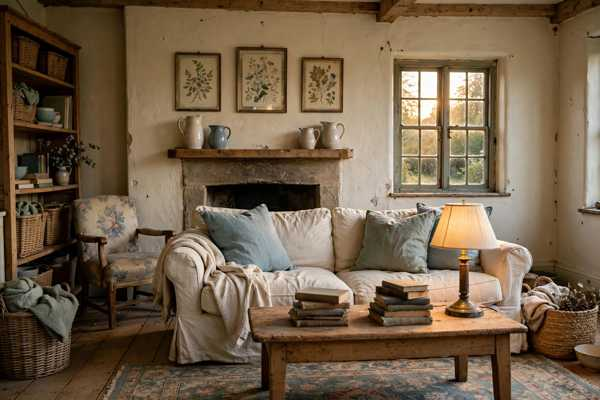
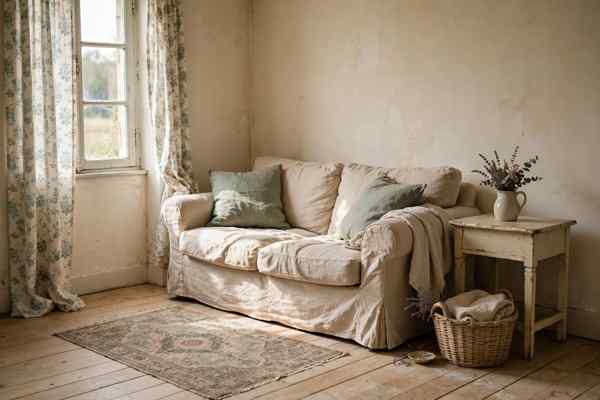
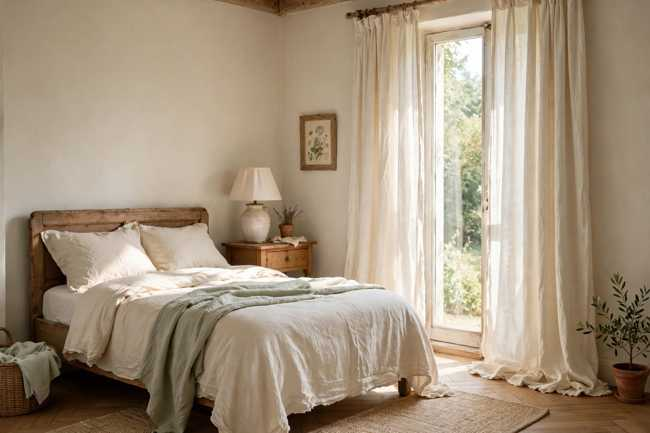
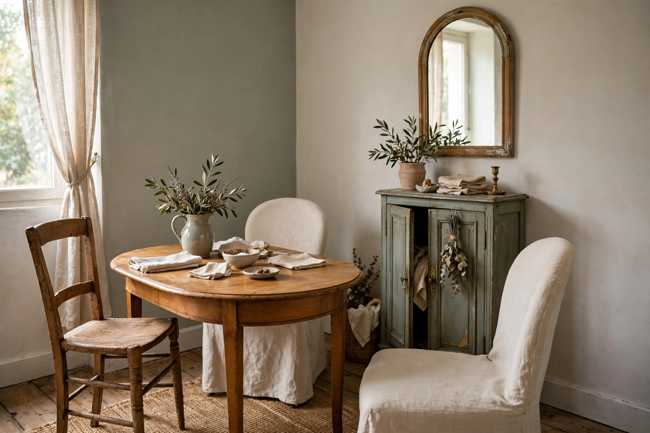
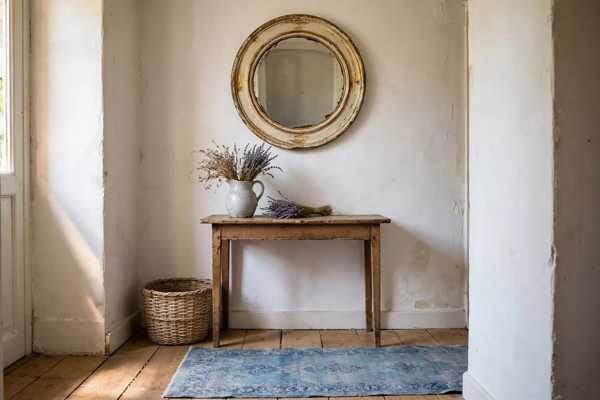
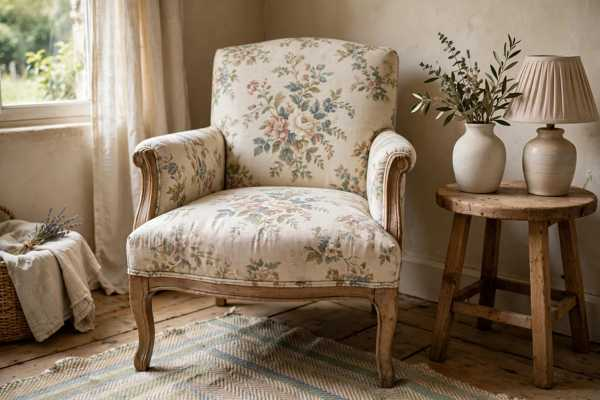
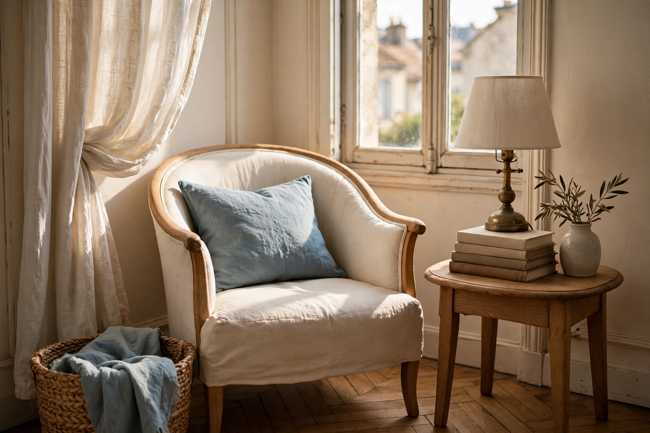
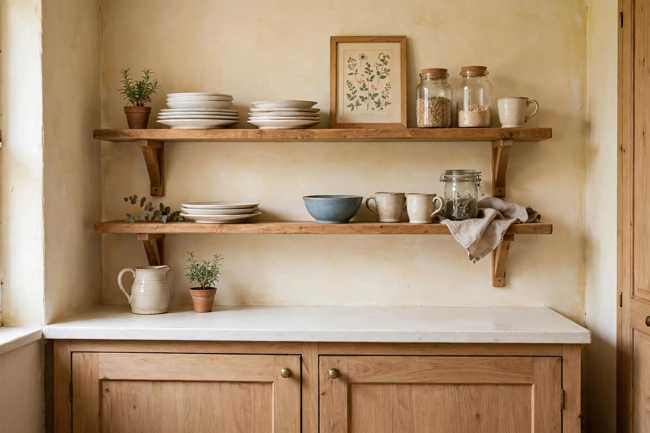
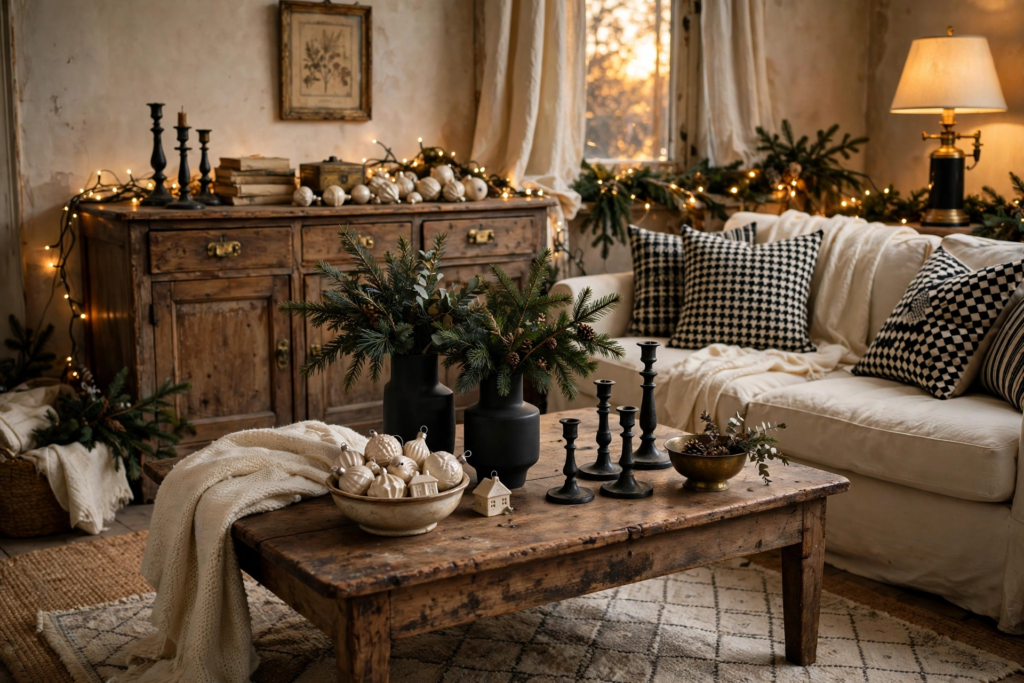
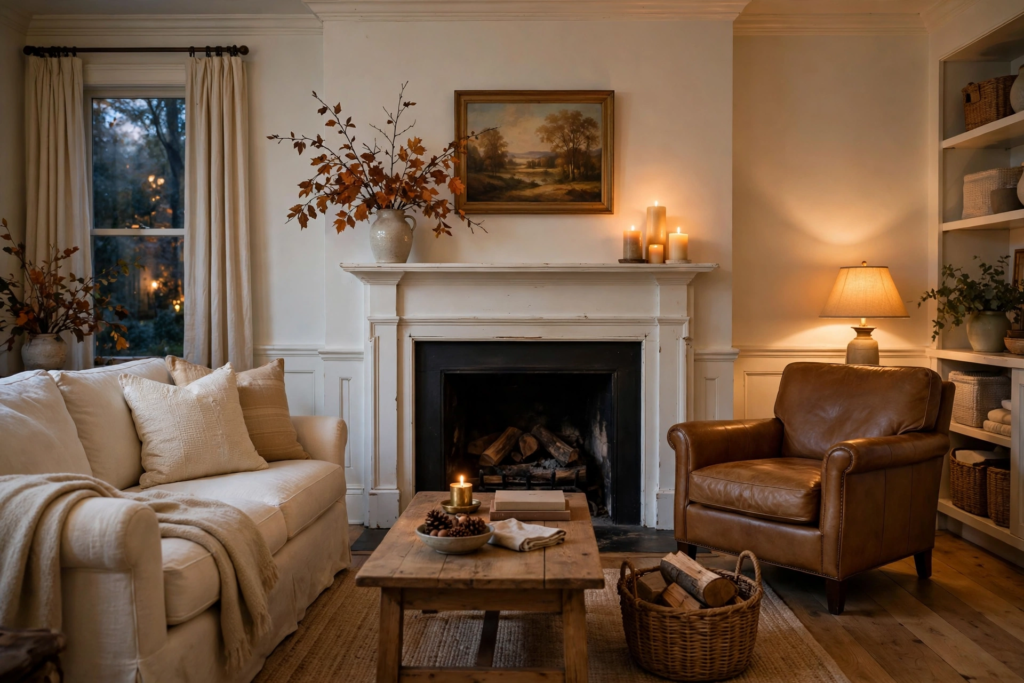
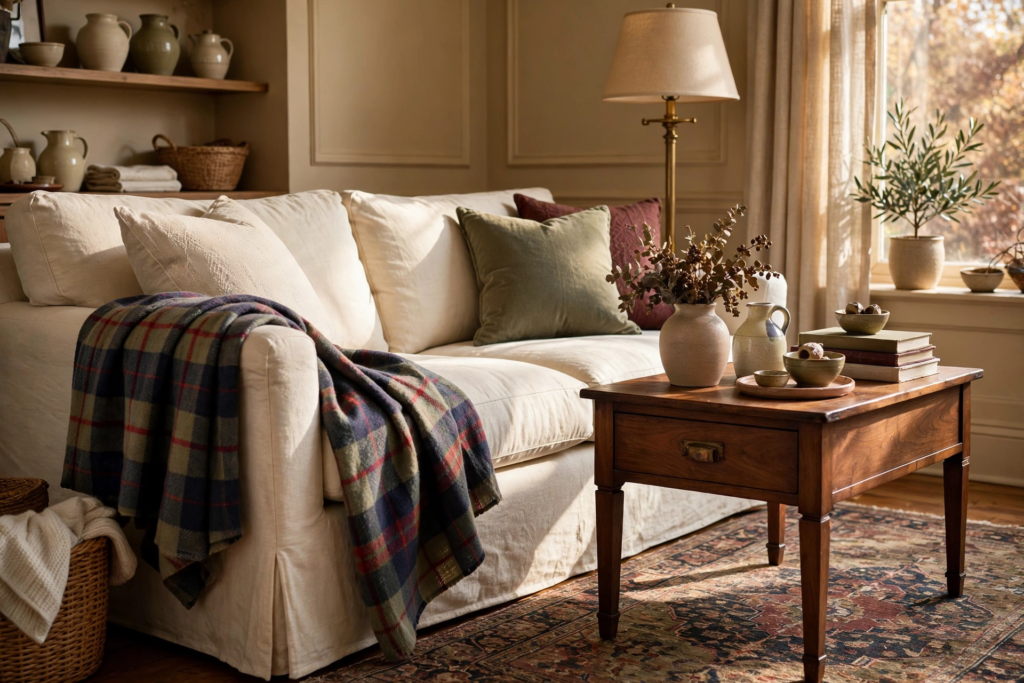
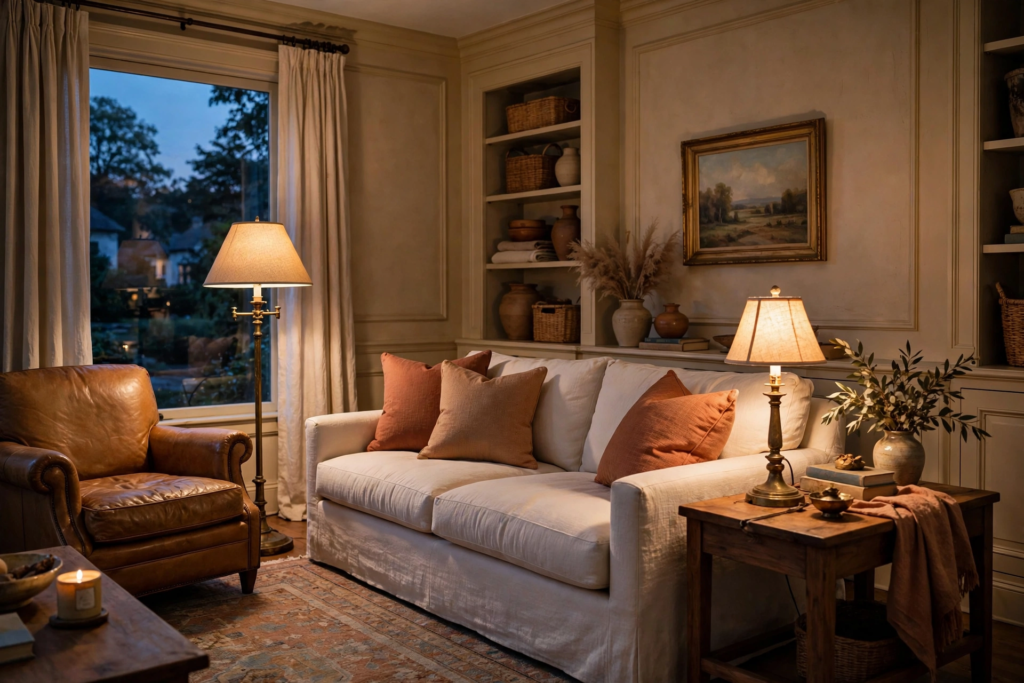
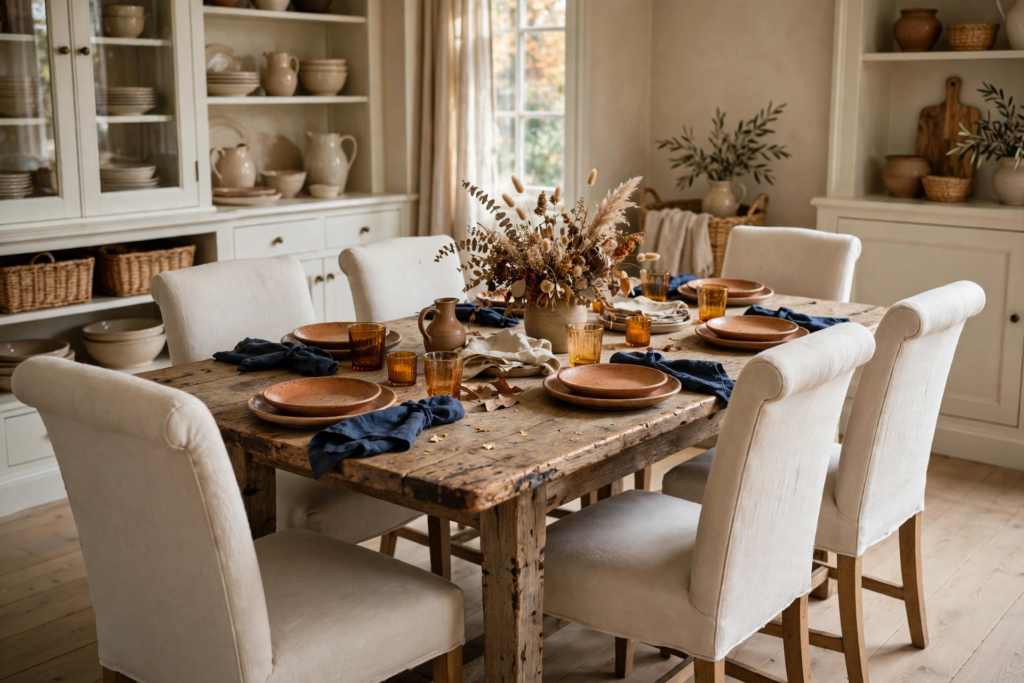
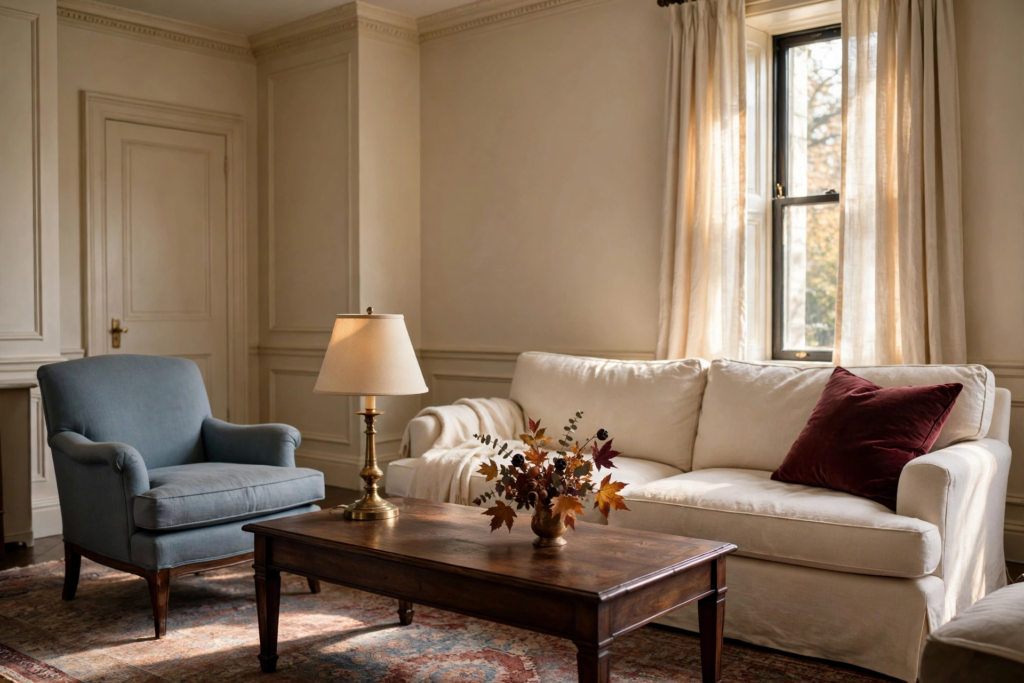
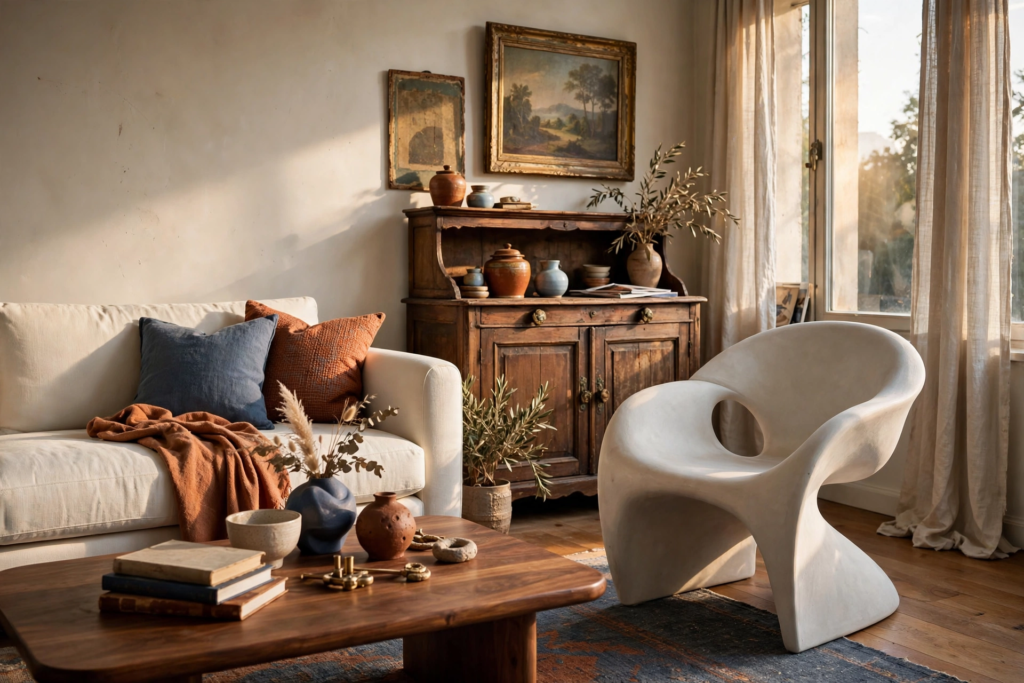
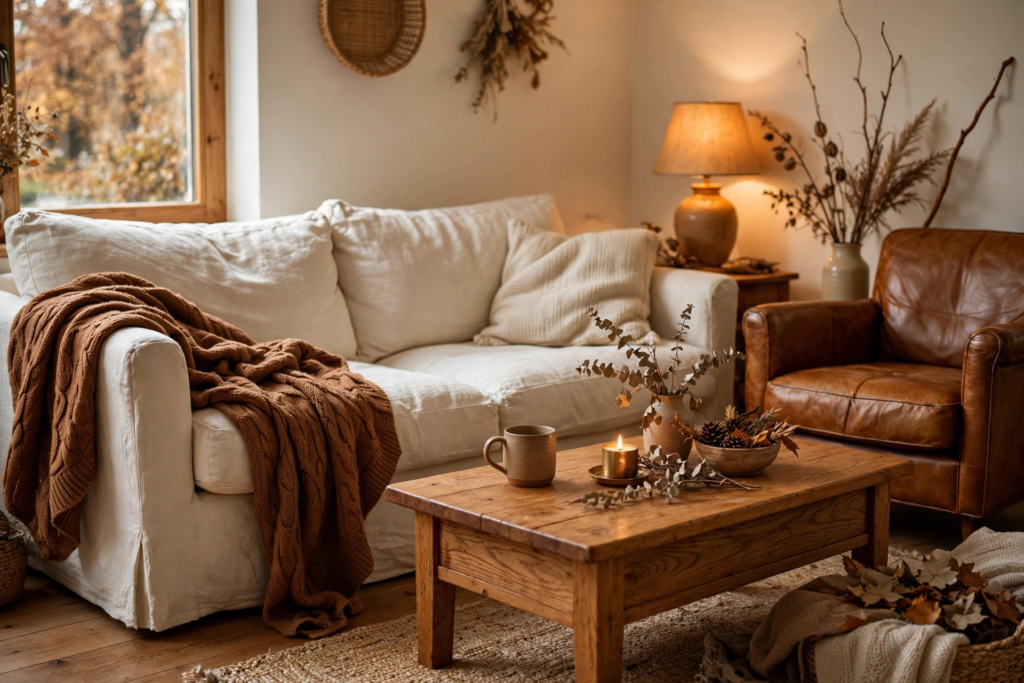
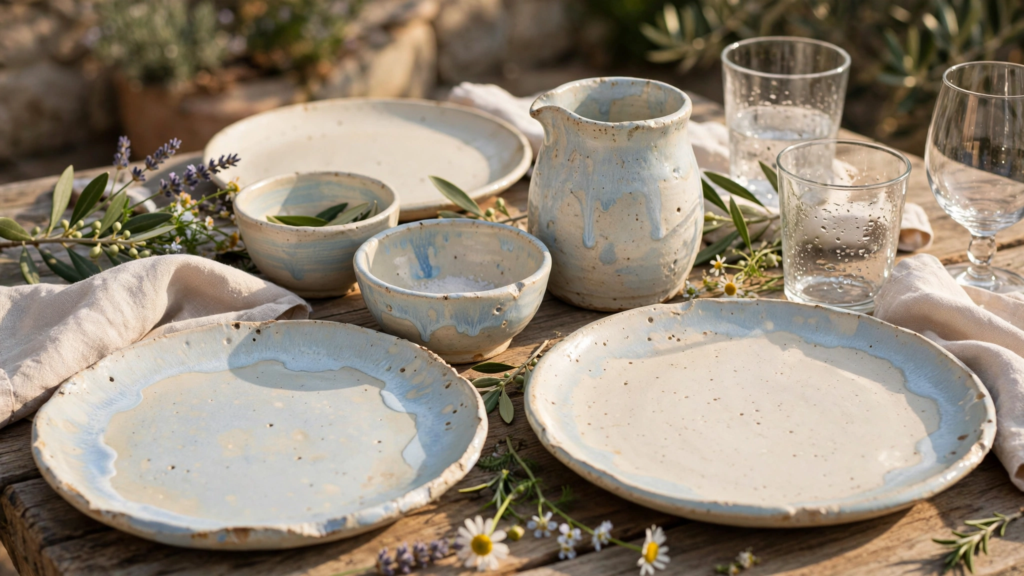
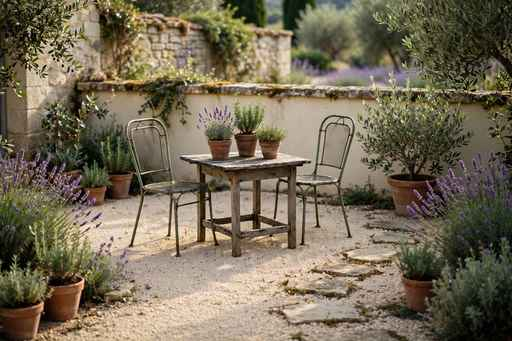
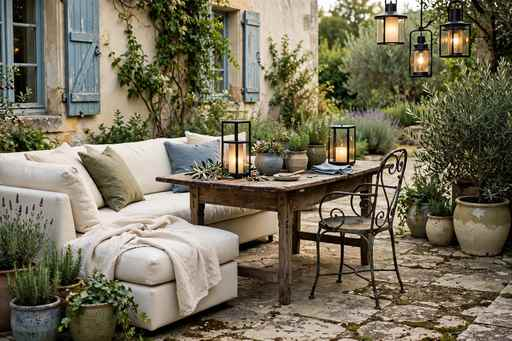
English cottage style has a way of making a home feel warm, lived-in, and quietly charming. Think soft floral fabrics, worn wood, cozy lighting, books, traditional furniture, and rooms that feel collected over time rather than decorated in one afternoon.
The good news is that you do not need a centuries-old cottage to get the look. Modern homes can borrow the most inviting parts of English cottage decorating while keeping the space practical, comfortable, and fresh.
If you love cozy rooms with character but do not want your home to feel overly traditional, these 21 English cottage decor ideas can help you find that balance.
1. Start With a Warm Cottage Color Palette
English cottage interiors rarely depend on stark white alone. Instead, they often use warm, slightly muted colors that make a room feel comfortable.
For a modern home, use one soft wall color as your foundation and bring in richer cottage colors through furniture, curtains, rugs, and accessories.
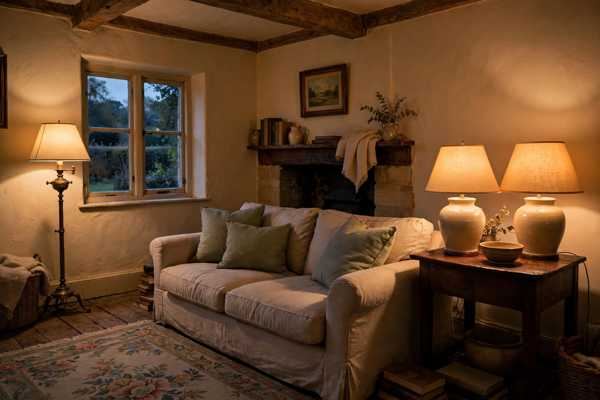
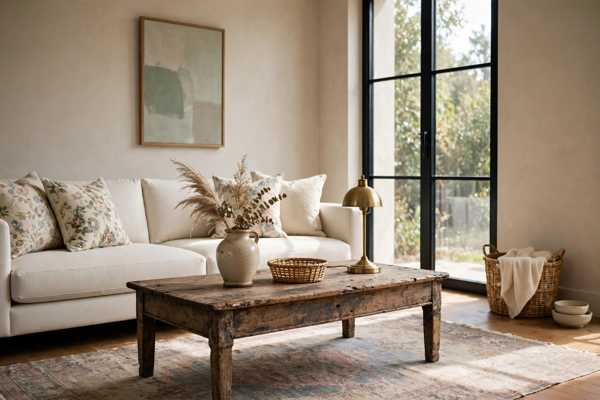
2. Add a Comfortable Linen Sofa
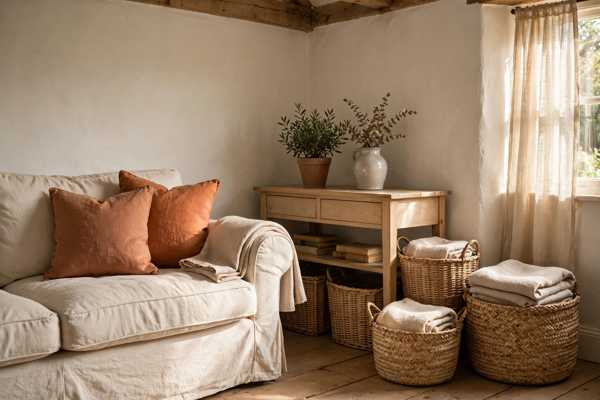
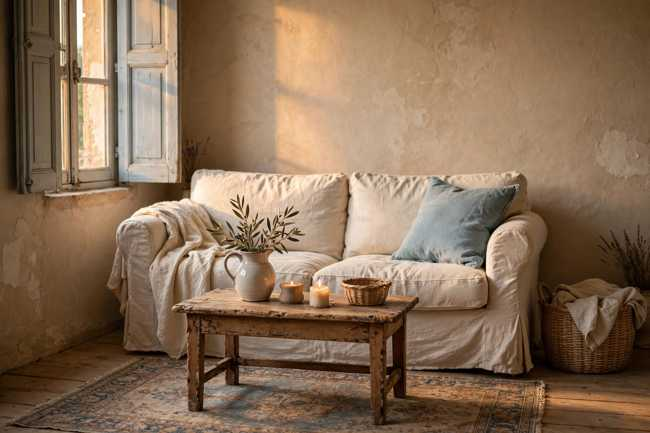
A relaxed sofa can become the foundation of a cozy English cottage living room.
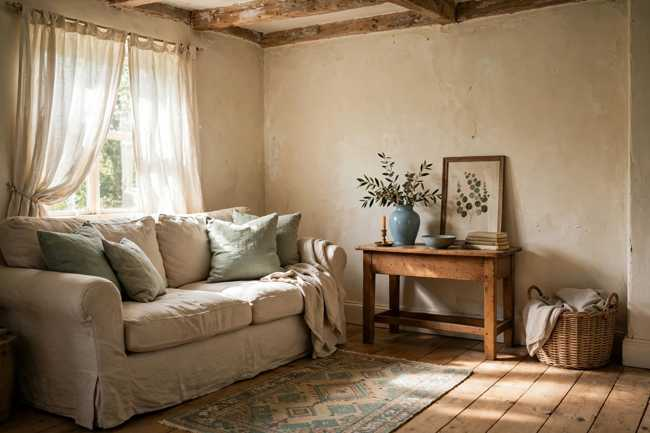
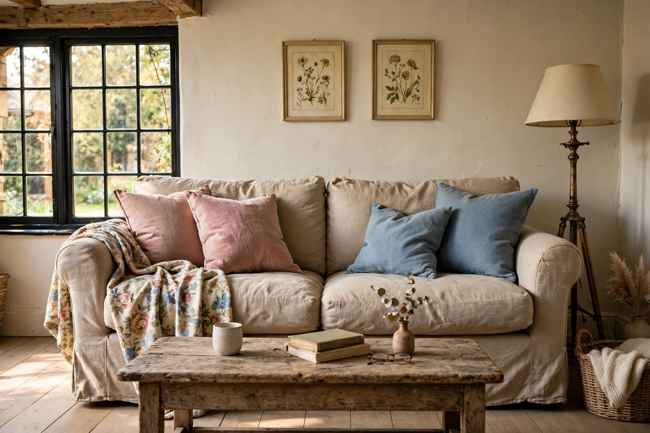
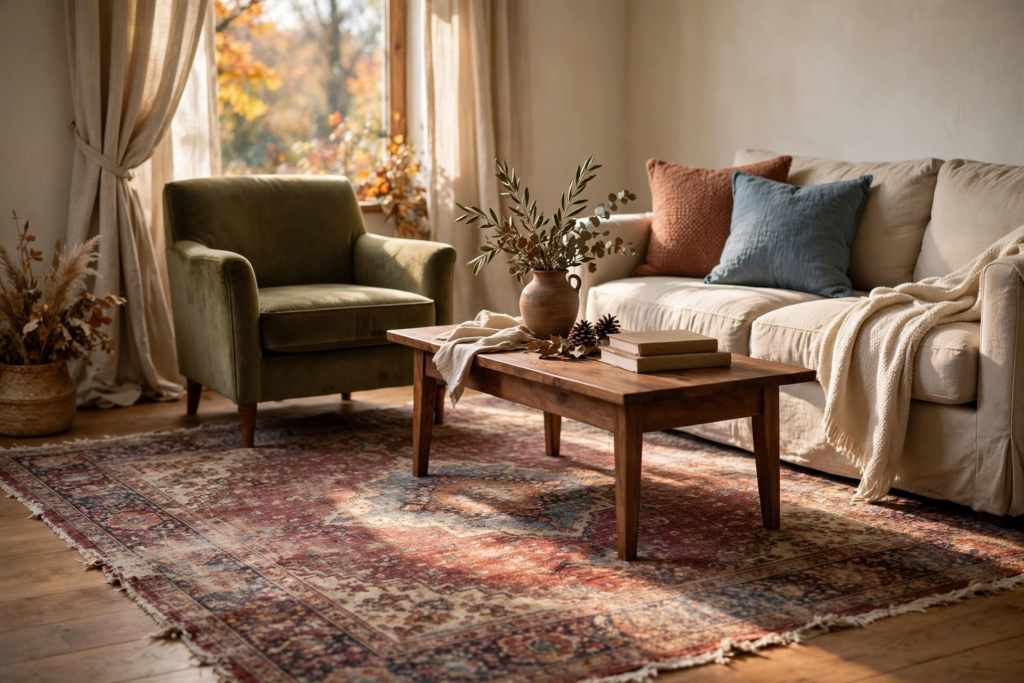
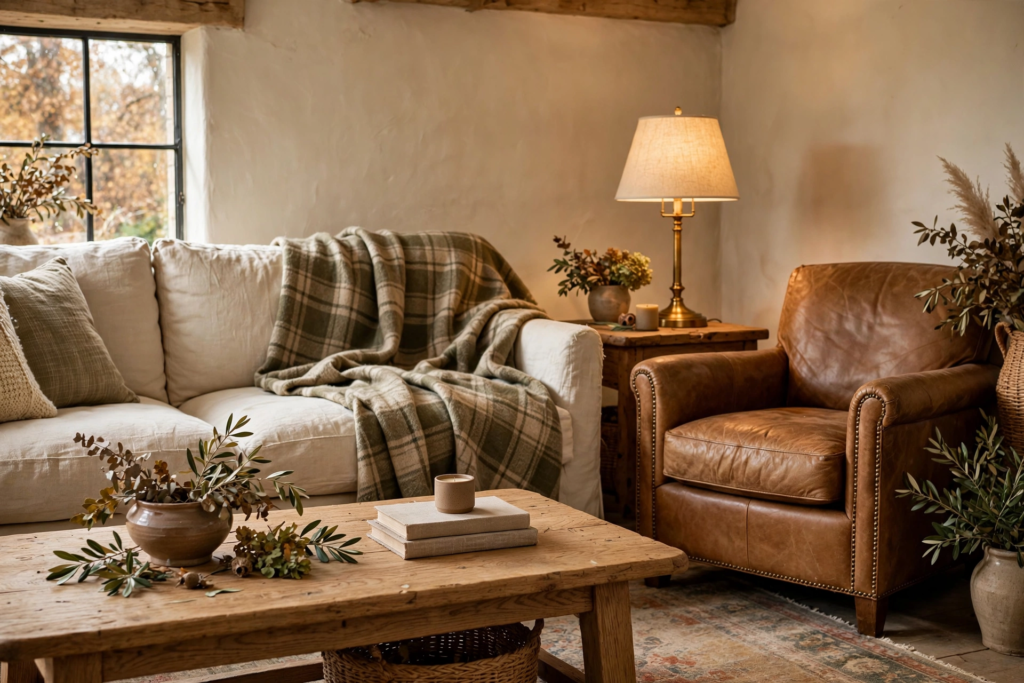
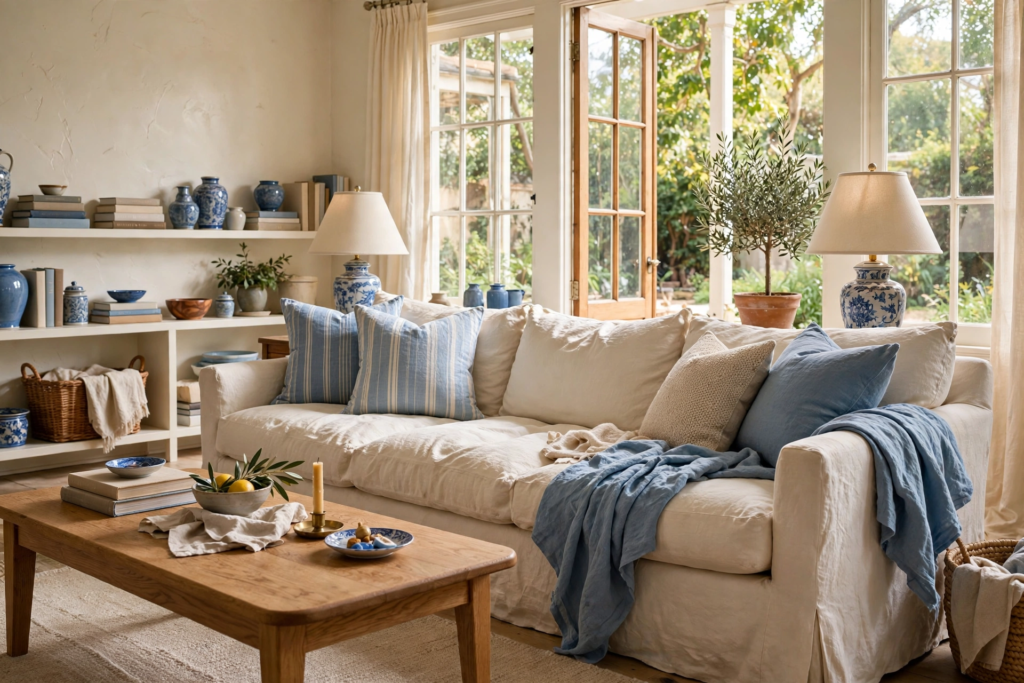
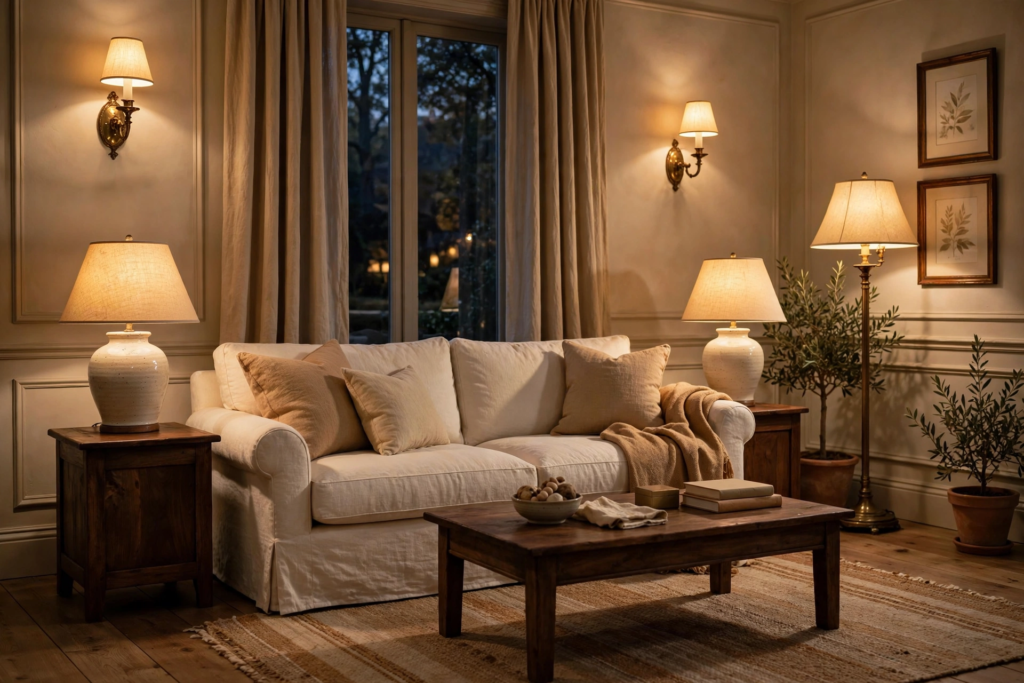
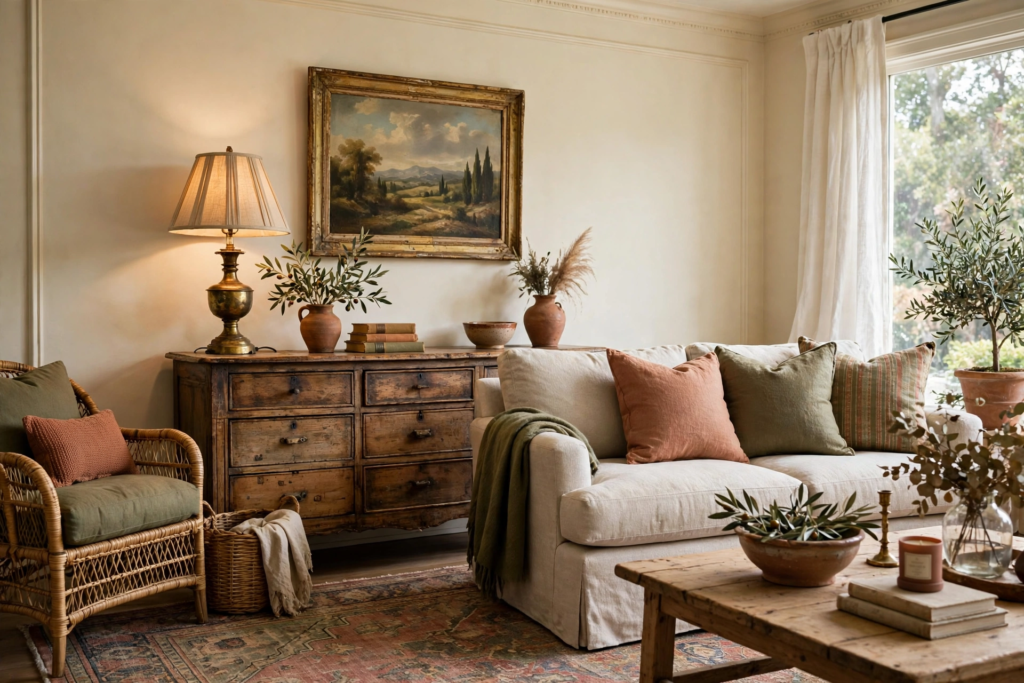
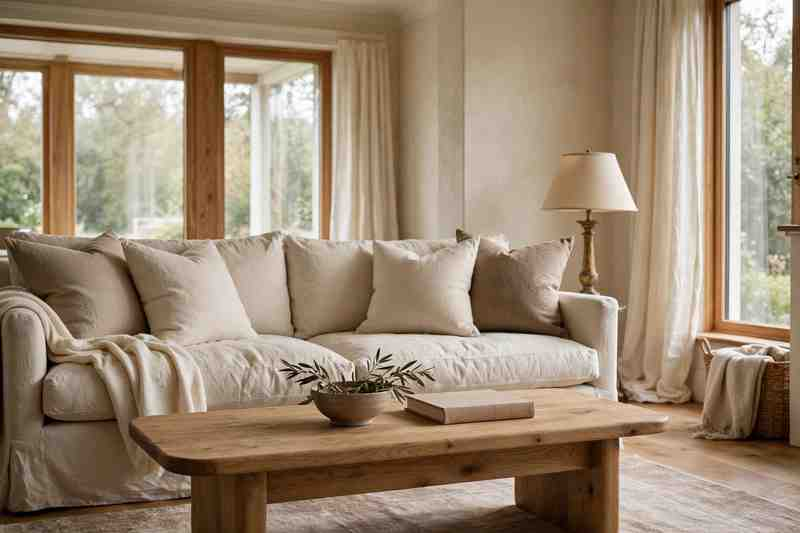
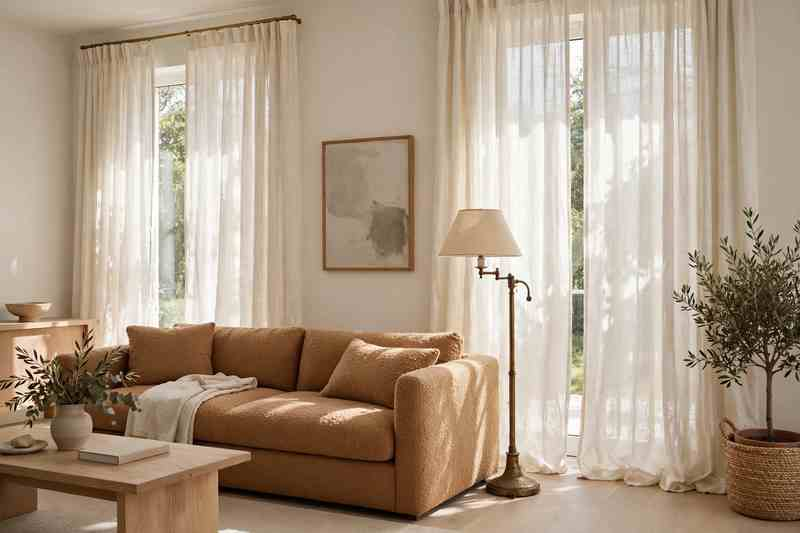
Choose linen, cotton, or a textured upholstery in cream, oatmeal, warm beige, or muted sage. A skirted sofa or one with softly rounded arms can add traditional cottage character without looking dated.
Layer it with a few floral, striped, or checked cushions rather than using a perfectly coordinated set.
3. Use Floral Fabrics in Small Doses
Floral patterns are one of the easiest ways to introduce English cottage charm.
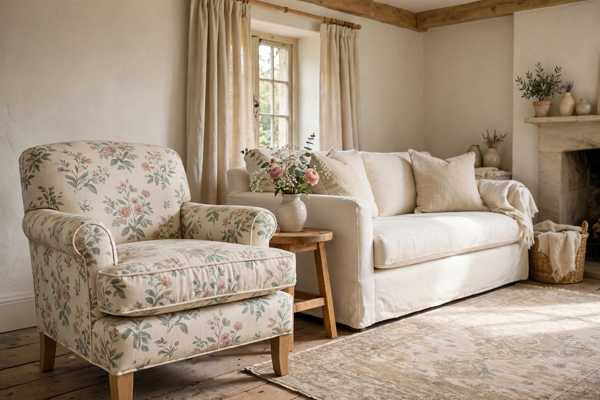
You do not need floral wallpaper on every wall. Start with a pair of curtains, an accent chair, cushion covers, or a small upholstered bench.
Look for small-scale botanical or country floral patterns in faded blue, sage, dusty rose, cream, or muted yellow.
4. Bring in Natural Wood Furniture
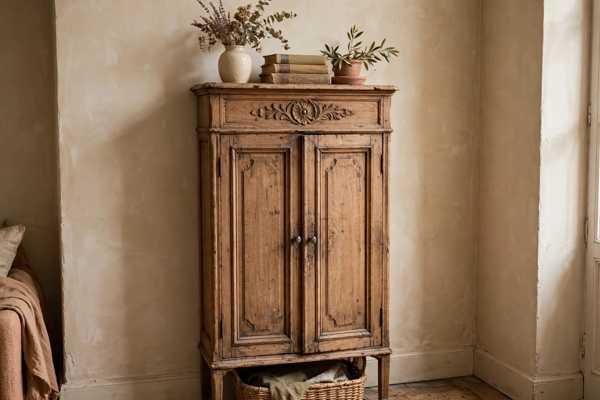
Natural and painted wood furniture helps give an English cottage room its sense of age and warmth.
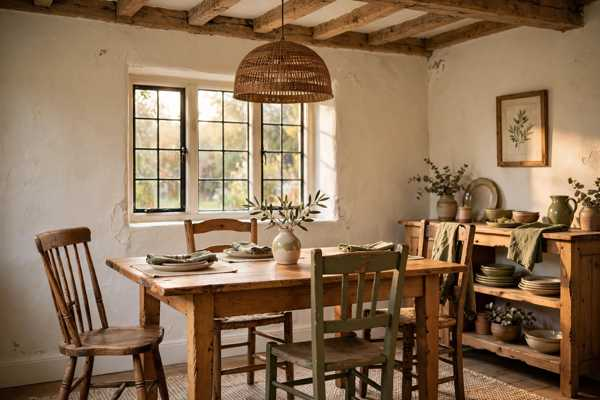
A pine cabinet, oak coffee table, painted sideboard, or small wooden dining table can work beautifully in a modern home.
Do not worry if the wood has small imperfections. Visible grain, slightly worn edges, and subtle variations can make the furniture feel more authentic.
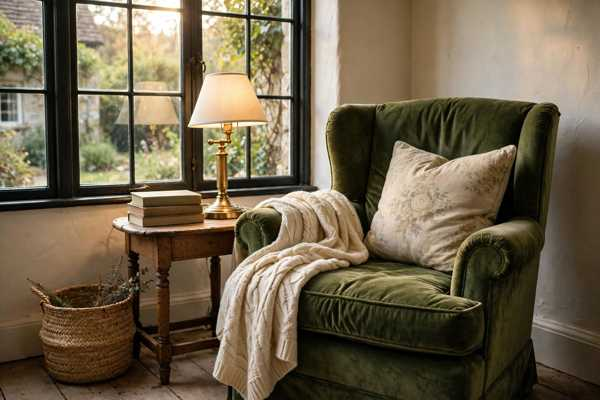
5. Create a Cozy Reading Corner
A comfortable reading corner can instantly make a room feel more like an English cottage.
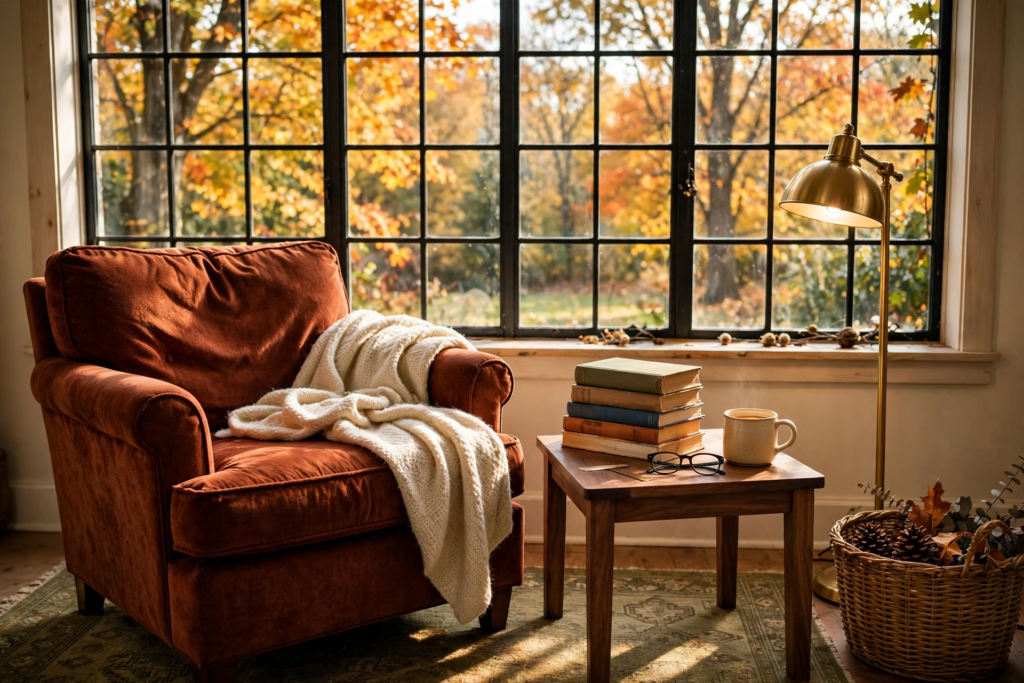
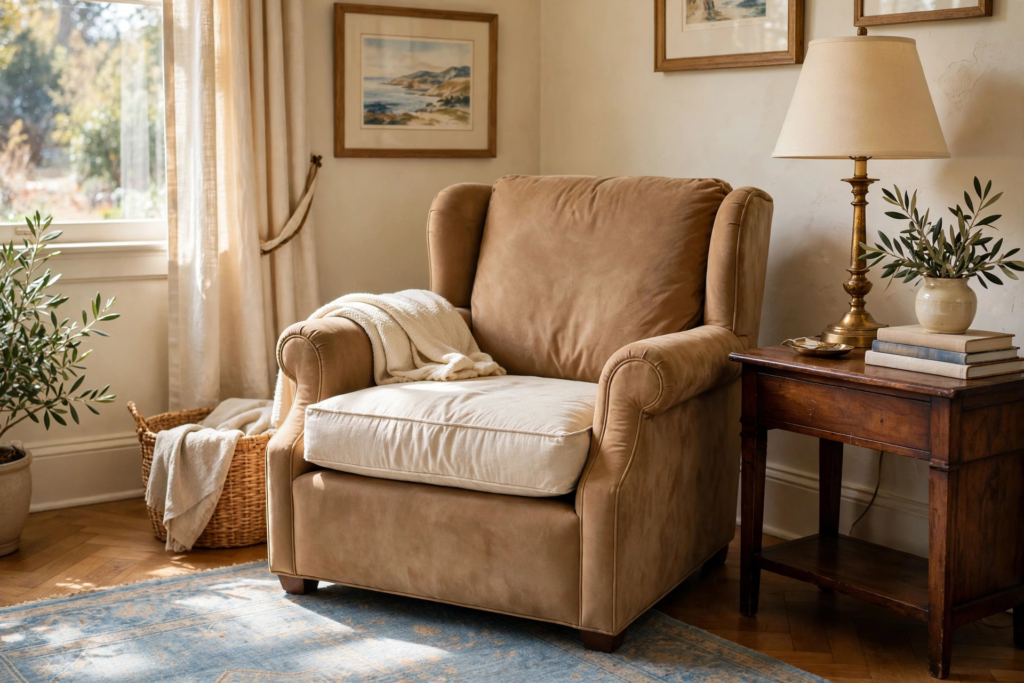
Place a small armchair beside a window or in an unused corner. Add a wooden side table, warm table lamp, soft throw, and a stack of books.
A floral cushion or faded plaid blanket can add just enough pattern without making the corner feel overly styled.
6. Decorate With Books
Books are a natural fit for cozy cottage interiors.
Place a small collection on a coffee table, open shelf, bedside table, or built-in bookcase. Mix upright books with a few horizontal stacks so the arrangement feels relaxed.
If you are decorating a modern home, books can also soften clean-lined furniture and make the room feel more personal.
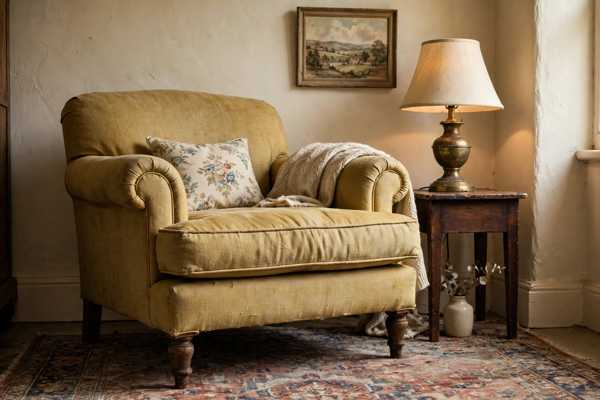
7. Add a Vintage-Style Armchair
An accent chair with traditional details can bring character to an otherwise modern room.
Look for rolled arms, turned wooden legs, soft upholstery, or a slightly faded floral pattern.
If your room already has several patterns, choose a plain cream or muted green chair and let the surrounding accessories provide the cottage detail.
8. Hang Soft Linen or Cotton Curtains
Window treatments have a big impact on the atmosphere of a room.
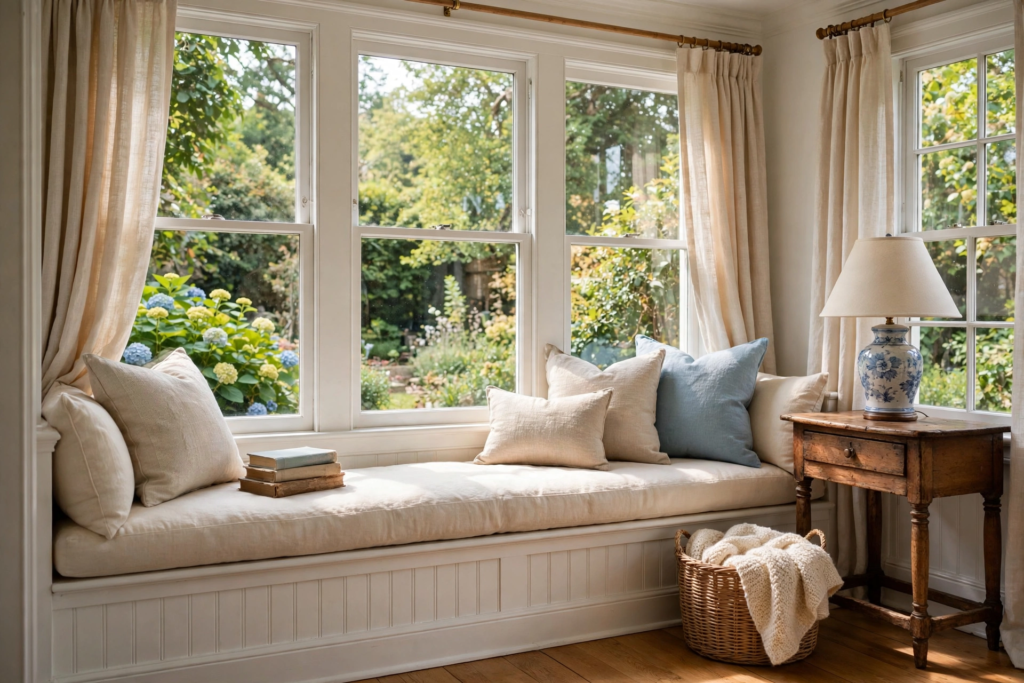
For an English cottage look, choose lightweight linen or cotton curtains in cream, warm white, beige, or a subtle floral pattern.
Let the fabric hang naturally rather than choosing stiff or heavily structured treatments. Slight wrinkles can actually make the room feel more relaxed.
9. Use Traditional-Style Lighting
Harsh overhead lighting can work against a cozy cottage atmosphere.
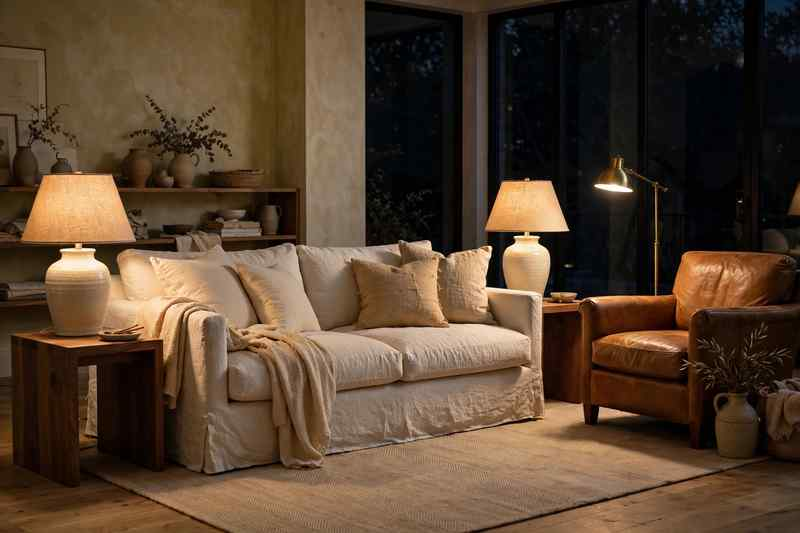
Instead, layer warm table lamps, wall sconces, floor lamps, and smaller accent lights around the room.
Choose lamps with ceramic, brass, aged metal, or fabric shades. A traditional silhouette can add cottage character even when the rest of the furniture is contemporary.
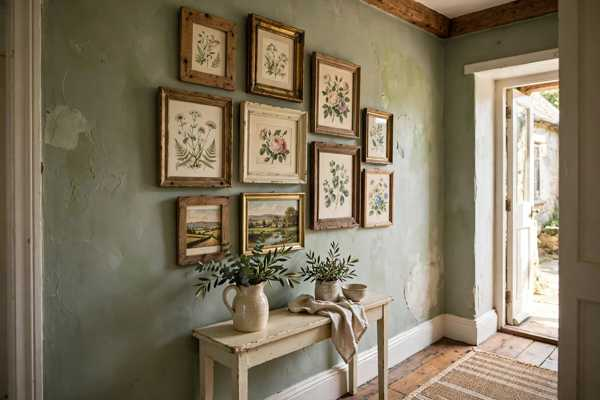
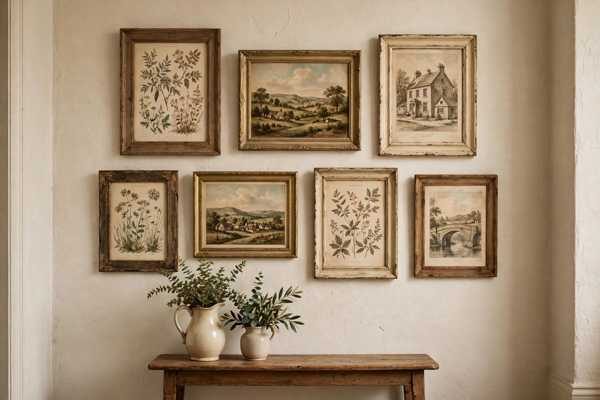
10. Add a Small Floral or Botanical Gallery Wall
Artwork is an easy way to introduce English cottage character without making permanent changes to the architecture.
Try botanical illustrations, countryside landscapes, vintage-style flower prints, still-life artwork, or small traditional paintings.
Use mismatched wood, brass, cream, or painted frames. A little variation makes the arrangement feel collected rather than overly coordinated.
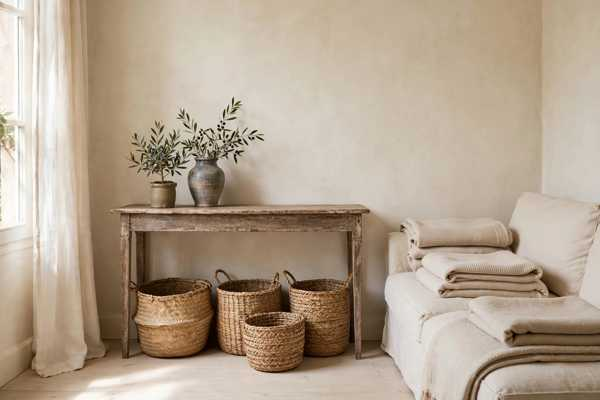
11. Decorate With Wicker and Woven Baskets
Natural woven materials fit beautifully into an English cottage-inspired home.
Use baskets for blankets, magazines, firewood, toys, towels, or everyday storage. Place one beside the sofa or underneath a console table.
Wicker, rattan, rush, and seagrass also add texture to rooms that contain a lot of painted wood or upholstered furniture.
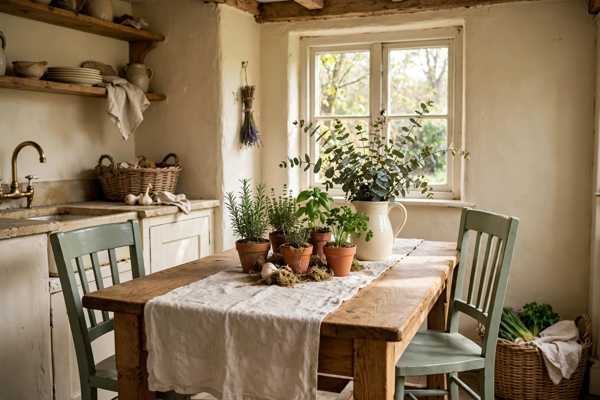
12. Create a Cottage-Style Kitchen
The kitchen is one of the best places to introduce English cottage details.
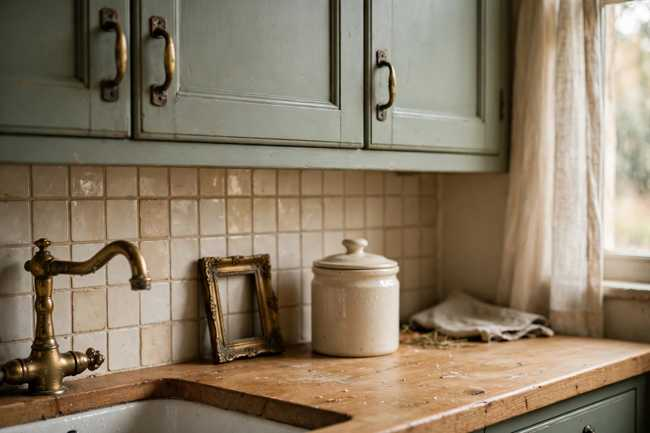
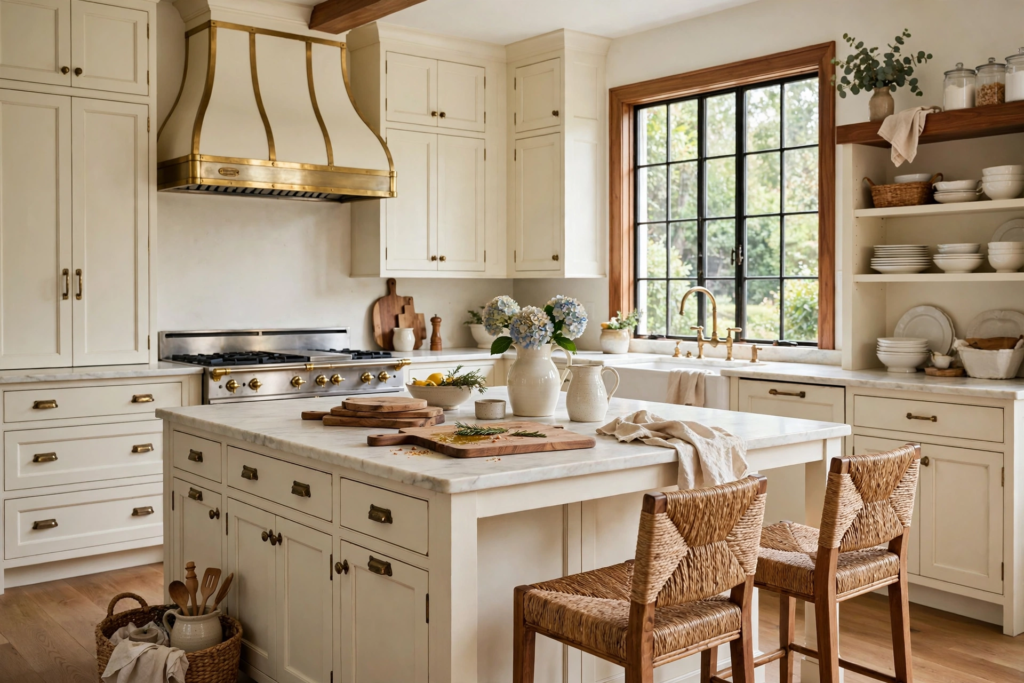
Consider cream or muted green cabinets, natural wood shelves, aged brass hardware, ceramic pitchers, woven baskets, and traditional-looking cookware.
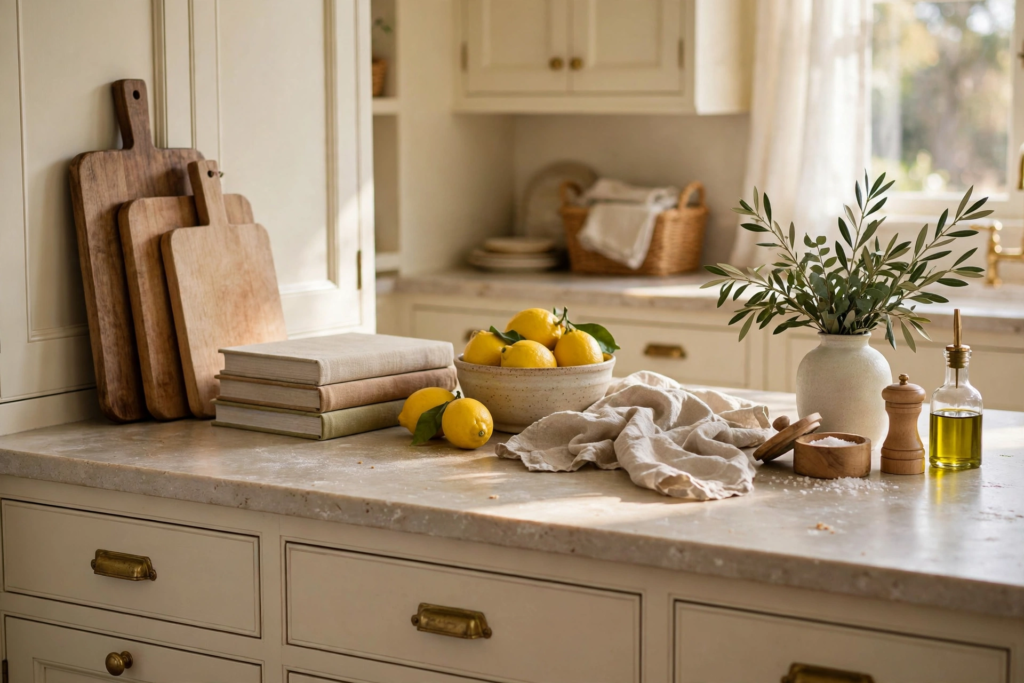
If you have a modern kitchen, you can create the same feeling without remodeling by adding wooden cutting boards, open shelving, vintage-inspired ceramics, linen towels, and warm lighting.
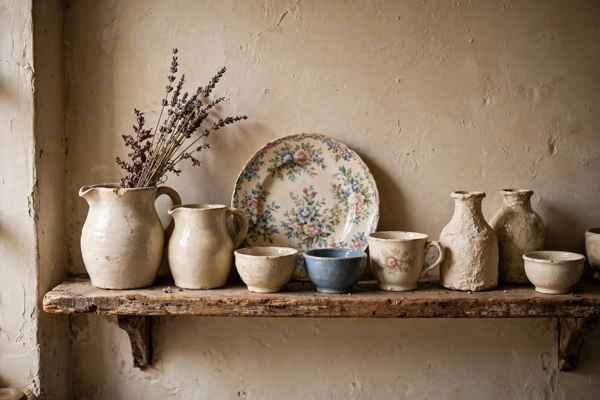
13. Display Everyday Ceramics
Instead of hiding every dish inside a cabinet, display a few attractive pieces where they can become part of the decor.
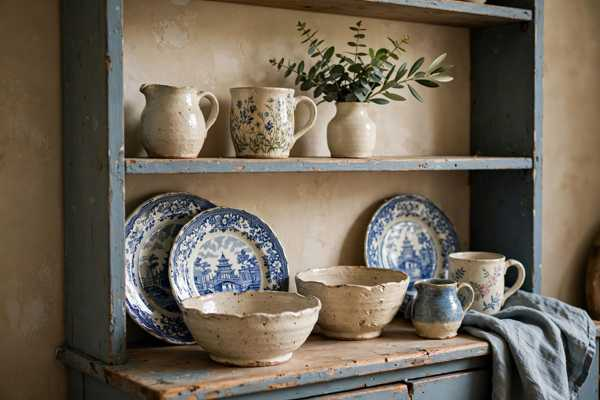
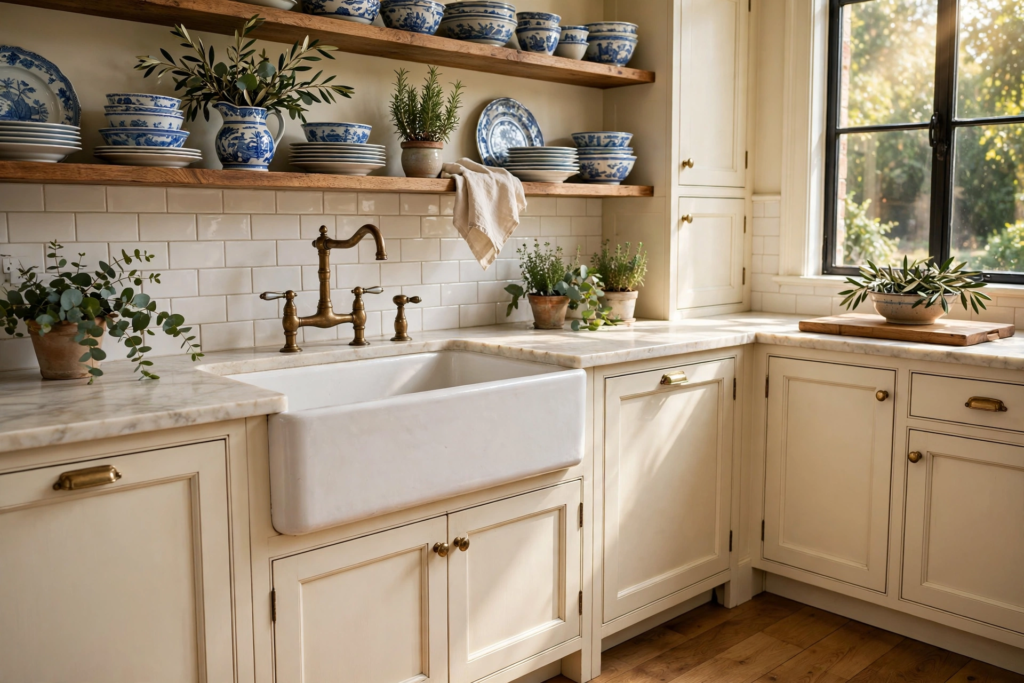
Cream pitchers, blue-and-white plates, handmade bowls, stoneware mugs, and floral ceramics can work beautifully on open shelves or a kitchen dresser.
Choose pieces with slightly different shapes and finishes so the display feels collected over time.
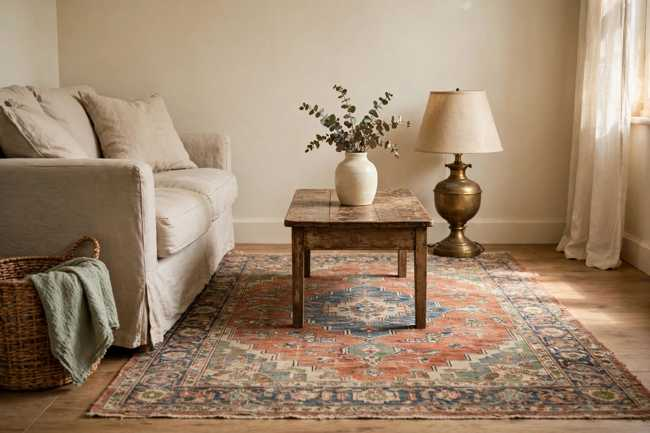
14. Layer Traditional Rugs
A patterned rug can make a modern room feel considerably warmer.
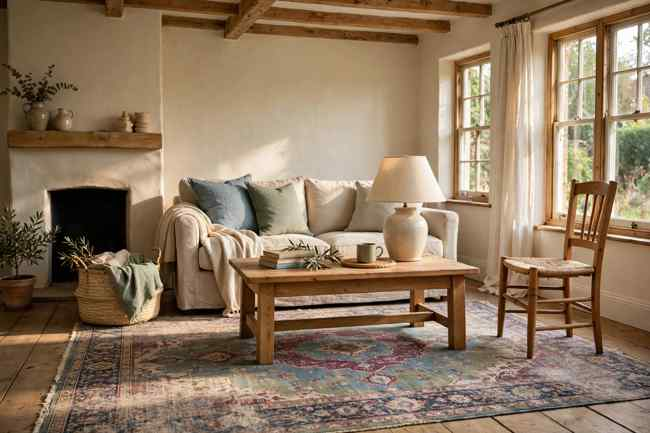
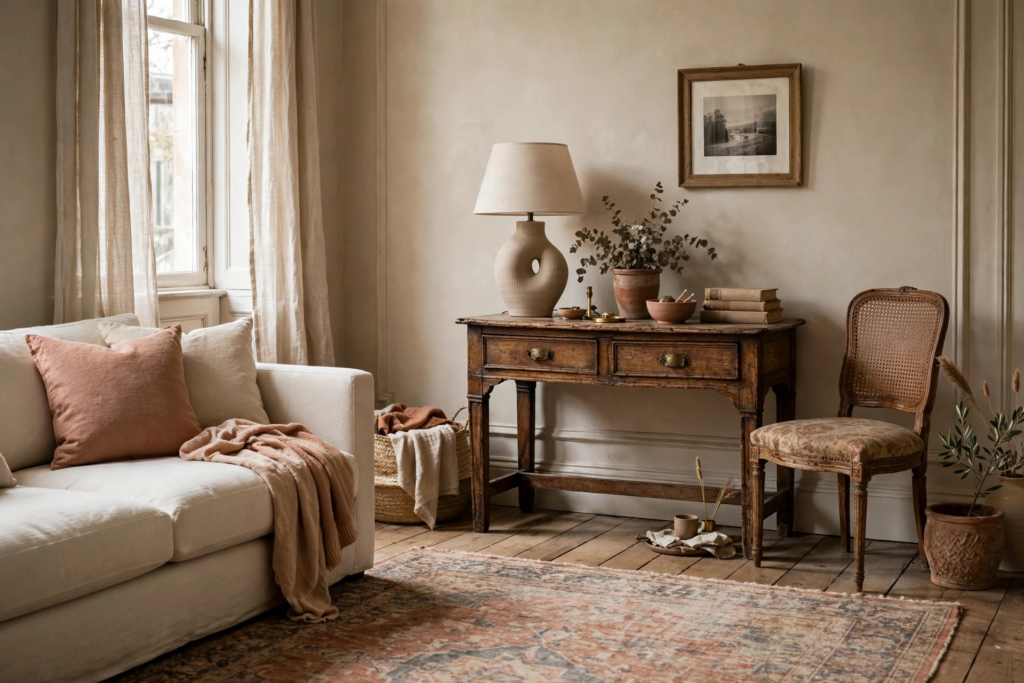
Look for faded Persian-style, floral, oriental, or traditional rugs in muted colors. Soft blue, burgundy, sage, cream, faded terracotta, and warm brown all work well.
For a modern English cottage look, avoid making every item traditional. A vintage-style rug paired with simple contemporary furniture can create a comfortable balance.
15. Add a Painted Wood Cabinet
A painted cabinet can become both useful storage and a strong cottage-style feature.
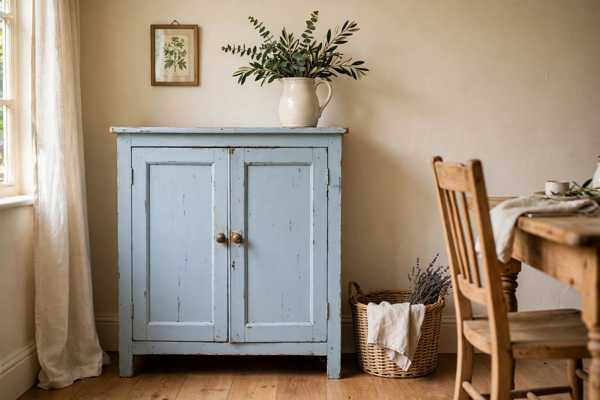
Try soft sage, muted blue, warm cream, or a slightly weathered gray finish. Use it in the dining room, hallway, bedroom, or living room.
Style the top with a ceramic vase, framed artwork, small lamp, or a few books while leaving enough empty space to keep the arrangement relaxed.
16. Use Checks, Stripes, and Plaids
English cottage decorating is not only about florals.
Small checks, gingham, ticking stripes, and traditional plaids can add structure to softer floral patterns.
For example, pair a floral cushion with a simple striped throw or use a checked fabric on a dining chair. Mixing patterns works best when they share at least one or two colors.
17. Bring Greenery Into Every Room
Fresh greenery can make a cottage-inspired room feel connected to the outdoors.
Use simple branches, herbs, potted plants, eucalyptus, or seasonal flowers in ceramic pitchers and small vases.
You do not need elaborate arrangements. A few slightly imperfect stems can look more natural than a perfectly symmetrical bouquet.
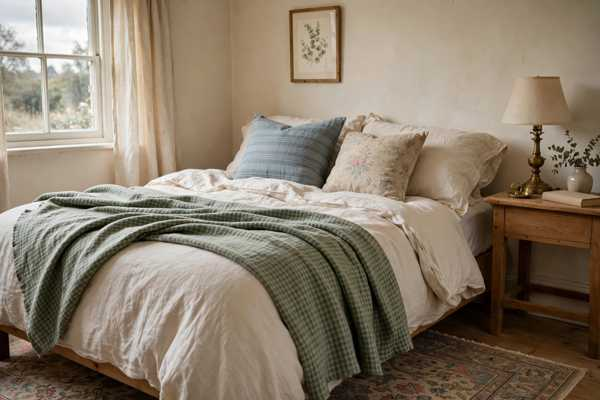
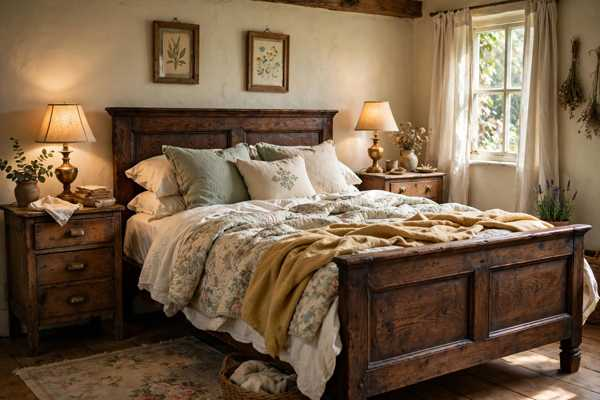
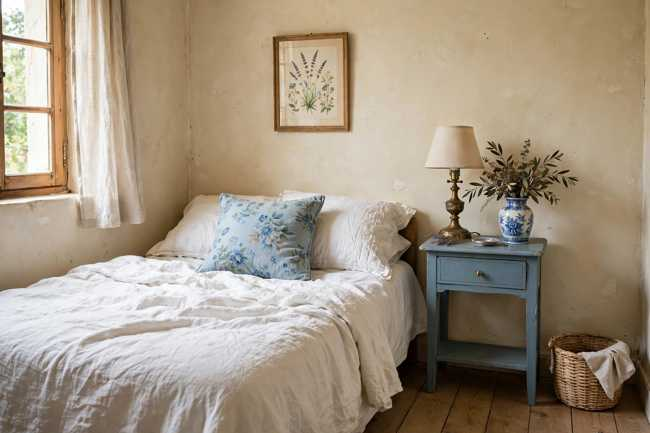
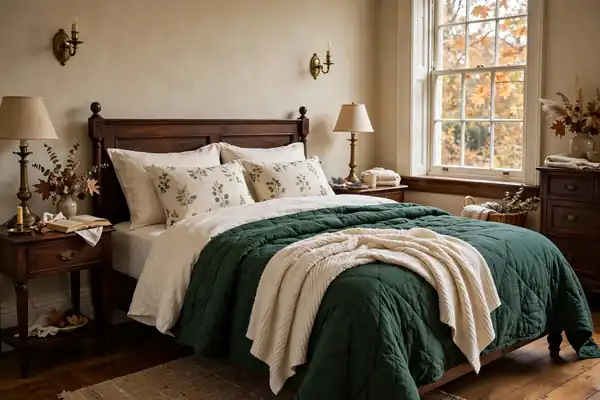
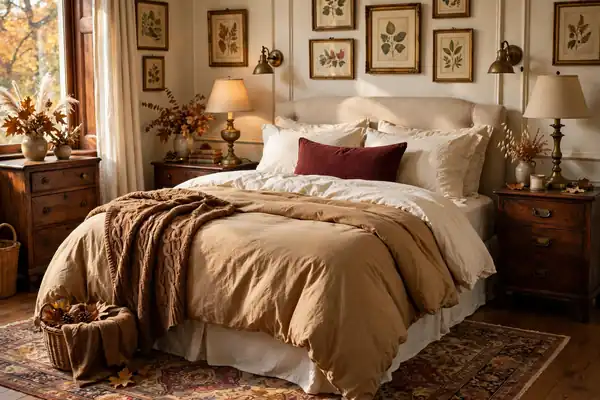
18. Create a Cozy Cottage Bedroom
The bedroom should feel soft, comfortable, and layered.
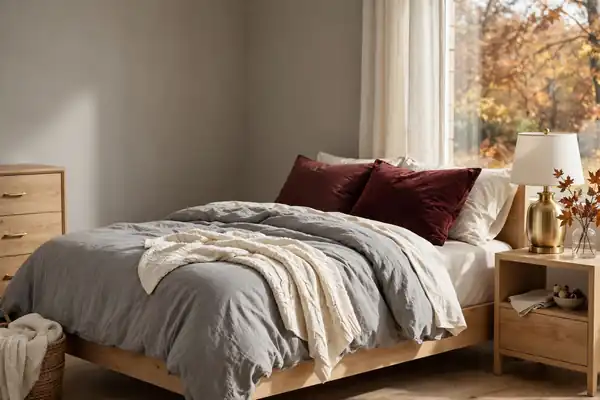
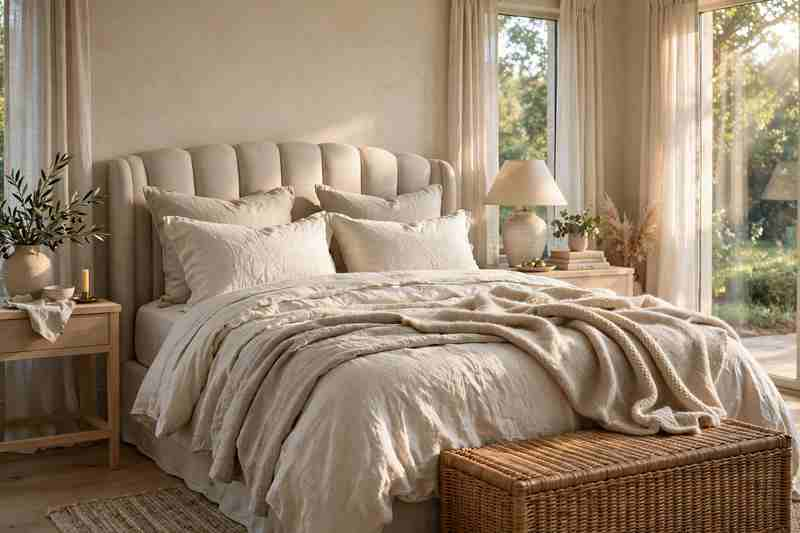
Start with cream or white bedding, then add a floral pillow, textured throw, quilt, or muted plaid blanket.
A wooden headboard, vintage-style bedside table, fabric lampshade, and linen curtains can add more character without making the room feel old-fashioned.
19. Add Brass and Aged Metal Details
Small metal details can make a modern home feel warmer and more traditional.
Try aged brass drawer pulls, a brass picture frame, vintage-style candleholders, an antique-look mirror, or a traditional table lamp.
The goal is subtle warmth rather than filling the room with shiny metallic finishes.
20. Mix Modern Furniture With Cottage Details
You do not have to choose between a completely modern home and a traditional cottage interior.
A simple modern sofa can work with a vintage coffee table. Contemporary dining chairs can sit around a traditional wooden table. A clean-lined bed can be softened with floral bedding and an antique-style nightstand.
This combination keeps the home comfortable for modern living while giving it the warmth associated with English cottage decorating.
21. Create a Collected English Cottage Look
The most inviting English cottage interiors rarely look like everything came from the same furniture collection.
Mix old-looking and modern pieces. Combine wood, linen, wicker, ceramics, floral fabrics, books, artwork, and traditional lighting.
The finished room should feel useful and lived-in rather than like a showroom. Leave some surfaces clear, keep everyday items accessible, and choose pieces that have character without filling every corner.
How to Make English Cottage Decor Look Modern
The easiest way to modernize English cottage style is to control the amount of traditional detail.
Start with a simple foundation such as cream walls, natural wood floors, or a neutral sofa. Then introduce cottage elements through floral cushions, vintage-style artwork, woven baskets, traditional lighting, and a few aged finishes.
Clean-lined furniture can also help. A contemporary sofa paired with a traditional rug and antique-style side table can feel much fresher than filling the entire room with ornate furniture.
The key is contrast. Let a few cottage-inspired pieces stand out against simpler modern surroundings.
Best Colors for Modern English Cottage Decor
A soft, slightly muted palette works particularly well.
Warm cream and natural oak
Sage green and ivory
Dusty blue and warm beige
Soft yellow and cream
Muted rose and taupe
Olive green and warm white
Faded terracotta and beige
Navy blue and soft cream
If you prefer a calmer modern look, use cream or warm white as the main color and introduce only one or two cottage-inspired accent shades.
How to Make a Modern Home Feel Like an English Cottage
Focus on texture and atmosphere rather than trying to copy every traditional cottage detail.
Add linen curtains, a vintage-style rug, warm lamps, natural wood, woven baskets, floral fabrics, ceramic pieces, and plenty of comfortable textiles.
Then add a few personal elements such as books, artwork, collected ceramics, or family-style decorative pieces. These details make the room feel lived-in rather than staged.
English Cottage Decor Ideas for Small Homes
You can create a cozy cottage feeling even when space is limited.
Try:
A compact linen sofa
A narrow painted cabinet
Floating wood shelves
A small vintage-style armchair
Woven storage baskets
A round wooden dining table
Floral cushion covers
A traditional-style rug
A small botanical gallery wall
A warm table lamp
A slim console table
A ceramic pitcher filled with greenery
In a small room, choose fewer pieces with more character. Too many accessories can hide the cozy details you are trying to create.
Common English Cottage Decorating Mistakes
Using too many patterns: Florals, checks, and stripes can work together, but give the eye some quieter areas.
Making everything look old: Mix vintage-inspired details with modern furniture for a fresher result.
Using only beige: Add sage, dusty blue, muted yellow, or soft floral colors for depth.
Overdecorating shelves: Leave some empty space so the room does not feel cluttered.
Choosing cold lighting: Warm lamps create much more of the cozy atmosphere associated with cottage interiors.
Buying matching furniture sets: A collected look usually feels more natural when furniture comes from different styles and periods.
Ignoring comfort: English cottage style should feel inviting. Choose practical seating, soft textiles, and furniture that works for everyday life.
English Cottage Decor Checklist
Before finishing your room, look for a balance of:
Warm neutral colors
Natural or painted wood
Linen or cotton textiles
Floral fabrics
Checks, stripes, or subtle plaids
Woven baskets
Traditional-style lighting
Vintage-inspired artwork
Ceramic accessories
Books and personal objects
Aged brass or metal details
One or two statement vintage-style pieces
Plenty of comfortable seating
Enough open space to keep the room practical
Frequently Asked Questions
What is English cottage decorating style?
English cottage decorating combines comfortable furniture, traditional patterns, natural materials, vintage-inspired pieces, soft colors, and layered textiles. The overall feeling is warm, relaxed, practical, and lived-in.
Can English cottage decor work in a modern home?
Yes. You can combine modern furniture with cottage-inspired details such as floral fabrics, traditional rugs, natural wood, warm lighting, woven baskets, and vintage-style artwork.
What colors work best for English cottage interiors?
Warm cream, sage green, dusty blue, beige, muted yellow, soft pink, olive, and warm white are popular choices. Faded and slightly muted shades generally create a softer cottage atmosphere.
How do I make English cottage decor look less old-fashioned?
Keep the larger furniture pieces relatively simple and modern, then introduce traditional character through rugs, artwork, lighting, textiles, ceramics, and smaller vintage-inspired pieces.
What furniture makes a home feel like an English cottage?
Comfortable upholstered sofas, wooden cabinets, painted dressers, traditional armchairs, wooden dining tables, small side tables, and vintage-style storage pieces all work well.
Final Thoughts
English cottage decor is less about following a strict decorating formula and more about creating a home that feels comfortable, personal, and full of character.
Start with warm colors, natural materials, comfortable furniture, and soft lighting. Then add floral fabrics, traditional rugs, books, ceramics, woven baskets, and a few vintage-inspired pieces.
For a modern home, keep the foundation simple and let the cottage details provide the personality. That balance can give you a space that feels cozy and timeless without looking like a recreation of an old cottage.
French country style is all about warmth, comfort, aged character, and a relaxed sense of beauty. You do not need a large farmhouse or a sprawling countryside home to get the look. With the right colors, textures, furniture, and a few vintage-inspired details, even a small apartment or compact room can feel distinctly French country.
The trick is to decorate thoughtfully. Small spaces benefit from furniture that serves a purpose, light colors that keep the room open, and natural materials that add character without creating visual clutter.
If you love soft neutrals, antique details, linen, warm wood, and effortlessly cozy interiors, these 21 French country decorating ideas can help you bring the style into a smaller home.
1. Start With a Soft Neutral Color Palette
French country interiors often rely on colors that feel naturally faded and comfortable.
For a small space, try warm white, cream, soft beige, pale taupe, muted sage, dusty blue, or gentle gray. These shades keep the room visually light while giving you plenty of flexibility with furniture and accessories.
Instead of using several strong colors, choose two or three main shades and repeat them throughout the room.
2. Choose a Small Vintage-Style Sofa
A large sectional can quickly overwhelm a compact living room.
Instead, look for a smaller sofa with curved arms, turned legs, linen upholstery, or a slightly weathered appearance. A cream, oatmeal, or muted beige sofa fits naturally into the French country aesthetic.
Add two or three soft pillows rather than covering the entire sofa with accessories.
3. Use a Round Dining Table
A round dining table is especially useful in a small dining area because it eliminates sharp corners and can make movement around the room easier.
Choose a distressed wood finish or painted table in cream, soft gray, or muted blue. Pair it with simple upholstered or wooden chairs for a relaxed country feel.
A small vase of flowers can be the only centerpiece you need.
4. Add a Vintage Wood Cabinet
Storage furniture can also contribute to the style.
A narrow antique-inspired cabinet or small armoire can provide useful storage while introducing the aged wood character associated with French country interiors.
Look for natural wood, distressed paint, paneled doors, or subtle carved details. Avoid oversized pieces that make the room difficult to navigate.
5. Decorate With Linen Curtains
Heavy curtains can make a small room feel enclosed.
Light linen or linen-look curtains are a better choice for a compact French country space. Choose ivory, cream, natural beige, or soft white.
Hang them slightly higher and wider than the window when practical to create a sense of height and allow plenty of natural light into the room.
6. Add a Small French Country Gallery Wall
Artwork can give a small room personality without taking up floor space.
Create a compact gallery wall using botanical prints, vintage landscapes, old architectural illustrations, still-life artwork, or simple countryside scenes.
Use a mixture of antique-looking frames in wood, cream, and muted gold. Keep the overall color palette restrained so the wall does not become visually overwhelming.
7. Use a Distressed Wood Coffee Table
A weathered wooden coffee table can instantly make a modern living room feel more relaxed.
For a small room, choose a narrow rectangular table or a compact round design. Look for visible wood grain, softly worn edges, and a natural or muted finish.
Keep the surface mostly clear with only a tray, small vase, or candle arrangement.
8. Bring in Woven Baskets for Storage
French country style works beautifully with natural materials such as wicker, rattan, seagrass, and woven fibers.
Use baskets underneath a console, beside the sofa, or on open shelving. They can store blankets, magazines, toys, towels, or everyday items.
The natural texture adds warmth without requiring extra decorative objects.
9. Use a Small Antique-Style Mirror
Mirrors are useful in compact rooms because they can reflect light and create a greater sense of openness.
Choose an aged wood, distressed cream, or antique brass frame. An ornate mirror can work beautifully as a focal point, but keep the rest of the wall relatively simple.
A round or softly curved mirror can also balance rooms filled with straight furniture lines.
10. Add French-Inspired Floral Fabrics
Small-scale floral patterns are a natural fit for French country decorating.
Use them sparingly in a compact room. A floral cushion, small accent chair, table runner, or Roman shade may be enough.
Look for faded colors such as dusty blue, muted green, cream, soft pink, and warm beige rather than bright modern florals.
11. Create a Tiny Reading Corner
Even a small unused corner can become a cozy French country retreat.
Place a compact upholstered chair beside a small wooden table. Add a linen cushion, soft throw, table lamp, and small stack of books.
If space allows, position the chair near a window so natural light becomes part of the design.
12. Use Open Shelving Instead of Bulky Cabinets
Open shelving can make storage feel lighter in a small kitchen, dining area, or living room.
Install simple wooden shelves and style them with white ceramics, vintage dishes, small framed prints, glass jars, and a few natural elements.
Leave some shelf space empty. Overloading every surface can quickly make a small room feel crowded.
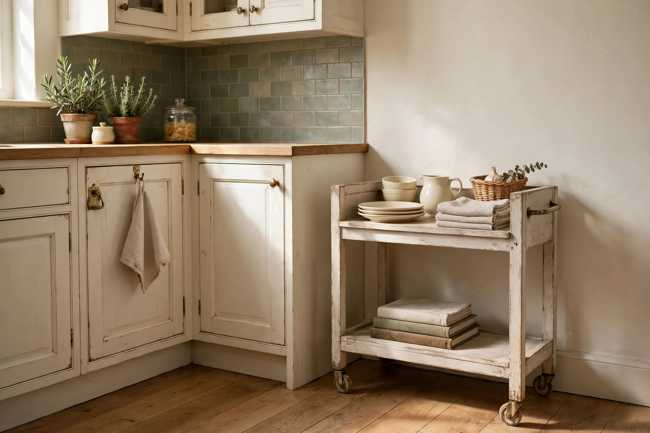
13. Add a Compact French Country Kitchen Cart
A small rolling kitchen cart can provide extra storage without taking up the space of a full cabinet.
Choose one in natural wood or a softly distressed painted finish. Use it for dishes, linens, cookbooks, or a small collection of ceramic serving pieces.
The wheels also make it easy to move when you need additional floor space.
14. Choose Furniture With Curved Details
Curved furniture can make a small room feel softer and more inviting.
Look for chairs with rounded backs, curved sofa arms, oval tables, arched mirrors, or furniture with gently turned legs.
You do not need every piece to have an ornate silhouette. One or two curved elements are enough to create the relaxed character associated with French country interiors.
15. Use Soft Blue as an Accent Color
Muted blue is one of the easiest colors to introduce into a French country-inspired space.
Try dusty blue cushions, a painted side table, blue-and-white ceramics, or a small patterned rug.
Pair the blue with cream and natural wood to keep the room feeling light and timeless.
16. Decorate With Vintage-Inspired Ceramics
Ceramics are an easy way to bring French country character into a small home.
Display a few cream pitchers, ceramic bowls, floral plates, or small vases on open shelving or a console.
Choose pieces with subtle variation rather than buying a perfectly matching set. The slightly collected appearance makes the space feel more authentic.
17. Layer a Small Vintage-Style Rug
A rug can define a seating or dining area without taking up additional floor space.
Choose a small faded Persian-style, floral, or traditional-pattern rug in muted colors. Cream, dusty blue, beige, sage, and faded terracotta work particularly well.
Avoid choosing a rug with a very busy pattern if the rest of the room already contains several decorative elements.
18. Add a Narrow Console Table
A narrow console can provide both function and style in an entryway or living room.
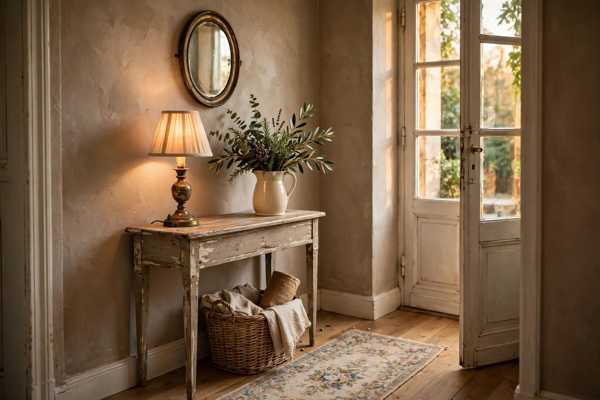
Choose a distressed wood or painted finish and style it with a small lamp, mirror, ceramic vase, and woven basket underneath.
In very tight spaces, look for a shallow console that leaves enough room for comfortable movement.
19. Use Antique Brass and Aged Metal Details
Small metal details can make a surprisingly big difference.
Replace modern-looking hardware with antique brass or aged bronze pulls where appropriate. Add a small vintage-style lamp, brass picture frame, or aged metal candleholder.
These details introduce warmth without requiring additional furniture.
20. Keep the Bedroom Light and Layered
A small bedroom can still have a beautiful French country feel.
Use white or cream bedding as the foundation, then add a linen duvet, one muted floral pillow, a soft throw, and a small wooden nightstand.
A vintage-style bedside lamp and simple botanical artwork can finish the space without overwhelming it.
21. Create a Collected French Country Look
French country style works best when the room feels collected rather than decorated all at once.
Mix natural wood, linen, vintage-inspired ceramics, soft floral fabrics, aged metal, woven baskets, and a few personal-looking accessories.
In a small space, edit as you go. Keep the pieces that add character and remove anything that makes the room difficult to use.
How to Make French Country Style Work in a Small Space
The biggest challenge is balancing character with practicality.
Start with functional furniture and a light color palette. Then introduce French country details through textiles, lighting, artwork, hardware, ceramics, and natural materials.
Instead of buying many small decorative pieces, choose a few items with enough character to make an impact.
For example, a vintage-style mirror, linen curtains, distressed wood table, and floral cushion can communicate the style more effectively than filling every shelf with decorations.
Best Colors for a Small French Country Home
A soft, muted palette usually works best.
Warm white and natural wood
Cream and dusty blue
Beige and muted sage
Soft gray and antique white
Cream and faded terracotta
Pale blue and warm oak
Taupe and muted olive
Keep the larger surfaces light, then use the darker or more colorful shades in smaller accents.
How to Make a Small Room Feel More French Country
You do not need architectural details such as exposed beams or stone walls to create the atmosphere.
Focus on materials and small details. Linen curtains, distressed wood, antique-style hardware, floral textiles, old-looking artwork, ceramic pitchers, woven baskets, and warm lighting can all help.
A few imperfect finishes can actually make the room feel more authentic than perfectly polished furniture.
French Country Decorating Ideas for Small Apartments
French country style can work particularly well in apartments because many of its elements are easy to introduce without structural changes.
Try:
Linen curtains
Vintage-inspired artwork
A small distressed wood table
Floral cushion covers
Woven storage baskets
Ceramic vases
Aged brass hardware
Soft blue accents
Warm table lamps
A small vintage-style mirror
These changes can make a rental feel more personal without requiring a complete renovation.
Common Small-Space Decorating Mistakes
Using oversized furniture: Choose pieces that leave comfortable walking space.
Adding too many vintage pieces: A few character-filled items are usually enough.
Making everything beige: Add muted blue, sage, faded terracotta, or natural wood for contrast.
Filling every shelf: Empty space helps small rooms breathe.
Choosing heavy window treatments: Lightweight linen allows more natural light into the room.
Ignoring storage: Use attractive baskets, cabinets, and furniture with hidden storage to keep everyday clutter under control.
French Country Small Space Checklist
Before finishing your room, look for a balance of:
Soft neutral walls
Natural or distressed wood
Linen or cotton textiles
Vintage-style artwork
Woven storage
Muted floral patterns
Soft blue or sage accents
Aged brass or bronze
Warm lighting
Curved furniture details
One or two antique-inspired focal pieces
Enough open space to move comfortably
Frequently Asked Questions
Can French country style work in a small apartment?
Yes. The style relies heavily on color, texture, natural materials, and decorative details, so you can create the look without having a large home.
What colors are best for a small French country room?
Warm white, cream, beige, dusty blue, muted sage, soft gray, and pale natural wood are excellent choices. Keeping larger surfaces light can help the room feel more open.
What furniture works best for French country small spaces?
Look for compact sofas, round dining tables, narrow consoles, small cabinets, floating shelves, and furniture with useful storage. Curved or gently detailed pieces can add character without requiring a lot of space.
How do I make French country decor look modern?
Keep the color palette simple, choose cleaner furniture silhouettes, and use vintage-inspired details selectively. Combining traditional materials with less ornate pieces creates a more updated appearance.
Can I use French country decor in a rental?
Absolutely. Focus on removable changes such as curtains, rugs, cushions, artwork, baskets, lamps, ceramics, mirrors, and small furniture pieces.
Final Thoughts
French country decorating does not depend on having a large room. In fact, a smaller space can make the style feel even more intimate and inviting.
Focus on a soft neutral palette, natural materials, practical furniture, and a handful of vintage-inspired details. Linen curtains, distressed wood, floral fabrics, woven baskets, muted blue accents, and aged metal can give even a compact apartment the relaxed character of a French countryside home.
The goal is not to make every corner look decorated. Leave enough breathing room for the furniture and architectural features to stand out, and choose pieces that are both beautiful and useful.
A neutral bathroom can feel warm, calm, and inviting without looking plain. The easiest way to add that warmth is by bringing in natural wood through vanities, shelves, stools, frames, baskets, and small decorative details.
Neutral colors such as warm white, beige, taupe, cream, greige, and soft brown create a relaxed foundation, while wood adds texture and a natural element that makes the room feel less sterile.
Whether you are updating a small bathroom or planning a larger renovation, these cozy neutral bathroom ideas can help you create a space that feels comfortable, timeless, and beautifully put together.
1. Choose a Warm White and Natural Wood Color Palette
Start with warm white walls or tiles and pair them with medium or light natural wood.
Oak, ash, walnut, and teak can all work beautifully depending on the mood you want. Warm white keeps the room bright, while wood introduces enough contrast to make the space feel grounded.
Add cream towels and a beige bath mat to continue the soft neutral palette.
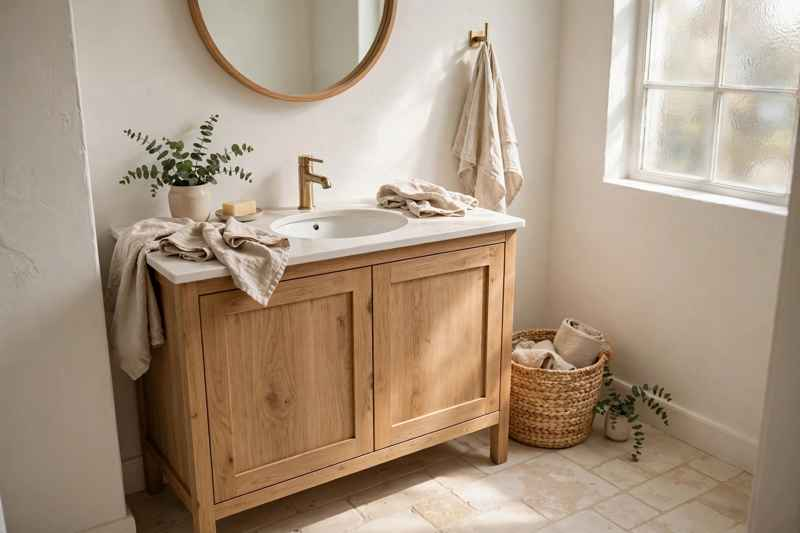
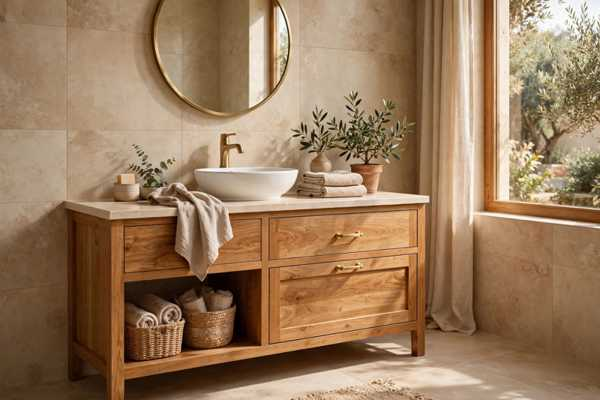
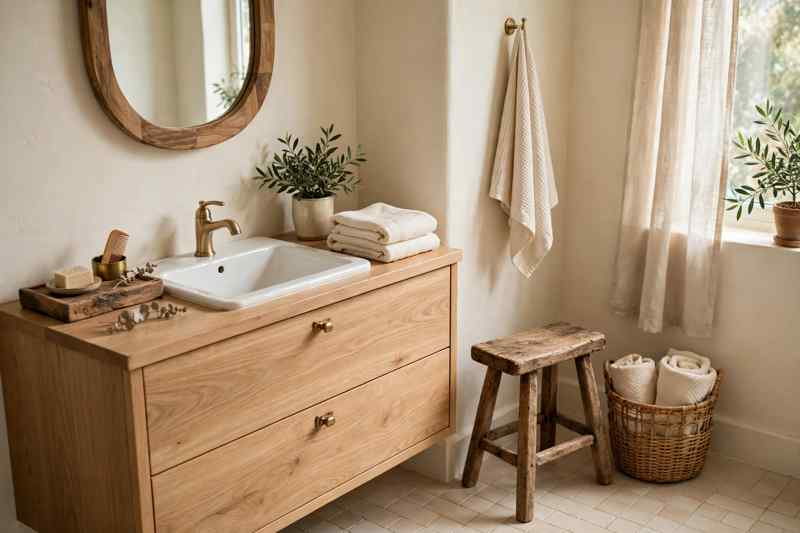
2. Install a Light Oak Bathroom Vanity
A light oak vanity can completely change the atmosphere of a neutral bathroom.
Choose a simple cabinet with visible wood grain rather than a heavily painted finish. Pair it with a white countertop and an understated sink for a clean look.
Brushed brass or matte black hardware can add a subtle finishing touch without competing with the natural wood.
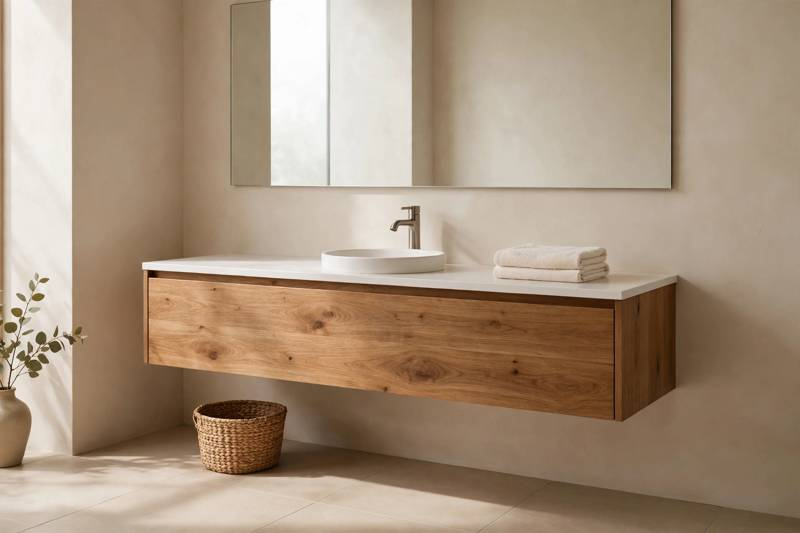
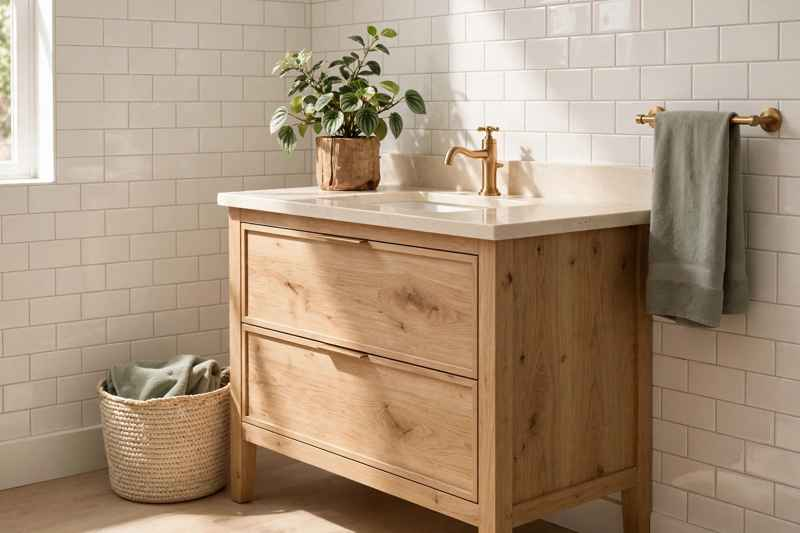
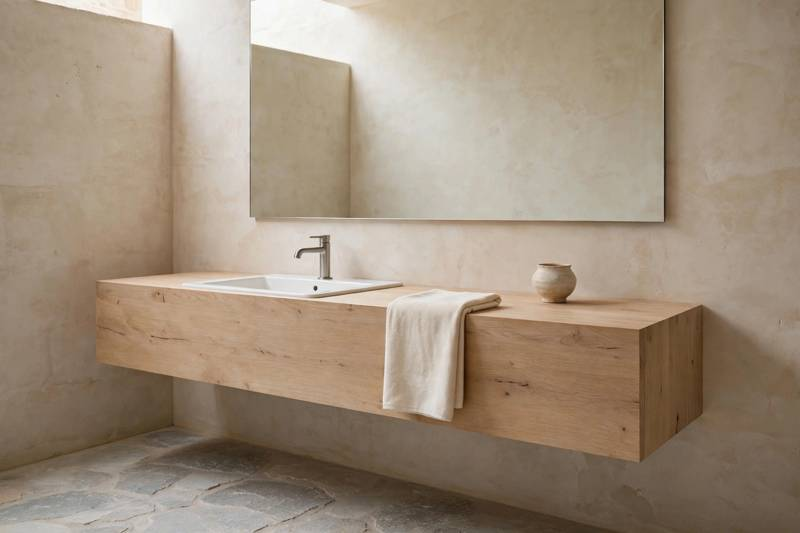
3. Add a Floating Wood Vanity
Floating vanities are particularly useful in smaller bathrooms because the open floor underneath creates a lighter visual appearance.
Choose a wall-mounted vanity in warm oak or walnut and keep the styling simple. A small ceramic vessel, neutral towels, and one natural accessory may be all you need.
The exposed wall beneath the vanity can also make the bathroom feel more spacious.
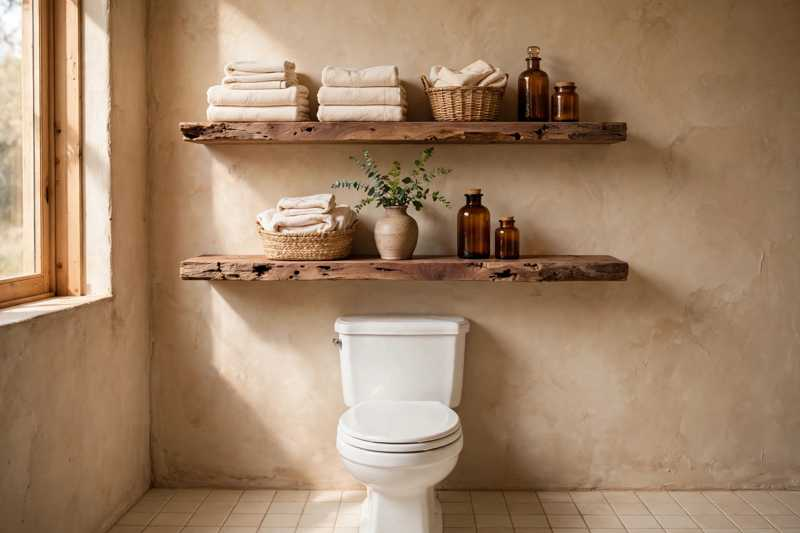
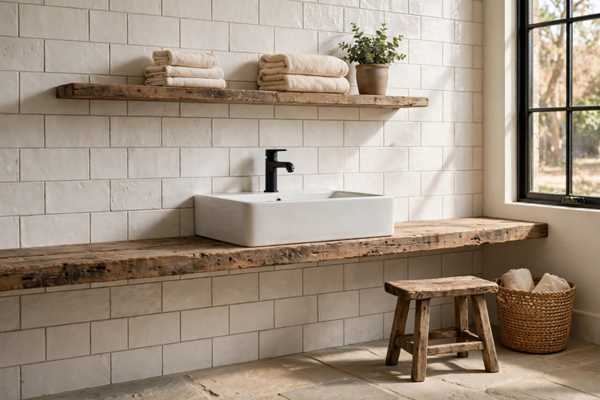
4. Use Wood Shelves for Warm Storage
Open wood shelves are an easy way to introduce natural texture without replacing major bathroom fixtures.
Install one or two shelves above the toilet, beside the vanity, or in an unused wall area. Use them for folded towels, small baskets, candles, and neatly arranged bathroom essentials.
Avoid filling every inch. A little empty space helps the shelves look intentional.
5. Add a Wooden Bathroom Stool
A small wooden stool is both decorative and practical.
Place one beside the bathtub, near the shower, or next to the vanity. Choose a simple stool made from oak, teak, bamboo, or another moisture-appropriate wood.
It can hold a folded towel, a small plant, or bath products while adding a warm natural element to an otherwise neutral room.
6. Pair Beige Tiles With Warm Wood
Beige tile and natural wood make an especially cozy combination.
Try large-format beige porcelain tiles on the floor with a warm wood vanity. For the walls, use creamy subway tile, textured stone-look tile, or a soft neutral finish.
Keeping the colors close in tone allows the wood grain to become part of the room’s visual texture.
7. Create a Spa-Like Bathroom With Teak Accents
Teak is a popular choice for bathroom accessories because it naturally handles moisture better than many untreated woods.
Use a teak bath stool, shower bench, bath mat, or small storage piece to create a relaxed spa-inspired atmosphere.
Combine it with cream towels, warm stone colors, and simple greenery for a peaceful look.
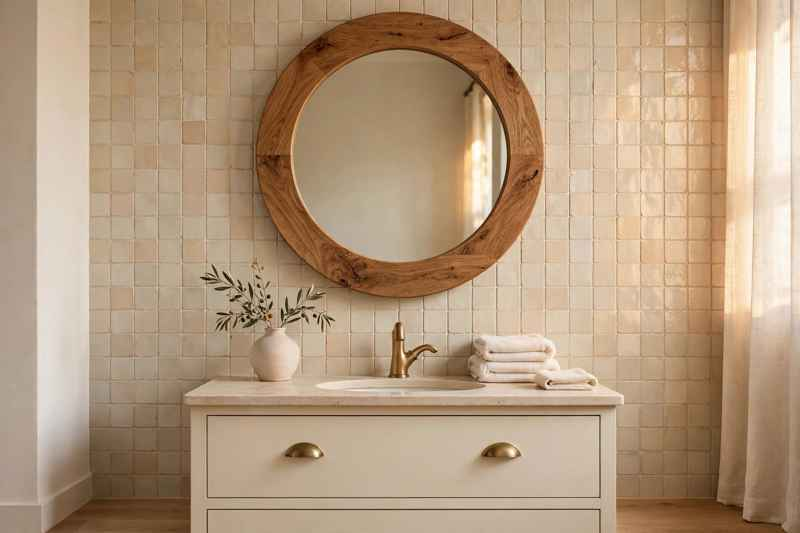
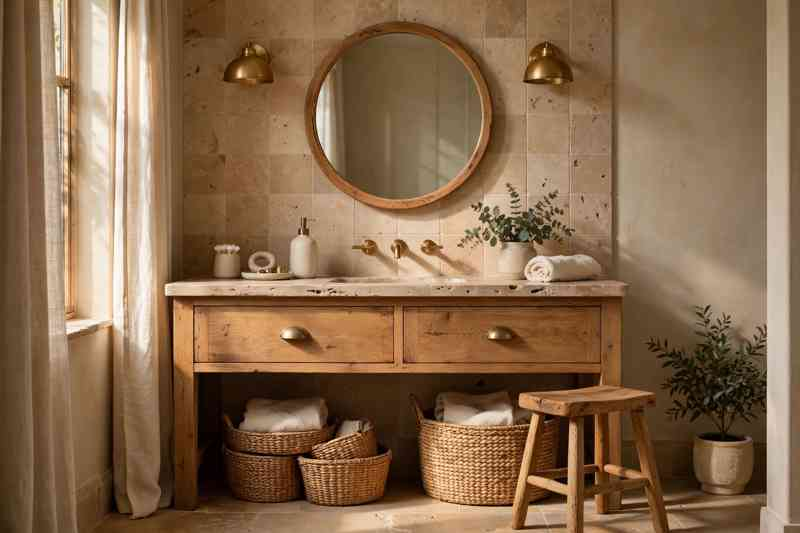
8. Add a Natural Wood Framed Mirror
A bathroom mirror does not have to have a metal frame.
A wooden-framed mirror can soften a bathroom filled with tile and hard surfaces. Choose a frame that complements your vanity rather than matching every wood element exactly.
Round mirrors work particularly well above rectangular vanities and can add a softer shape to the room.
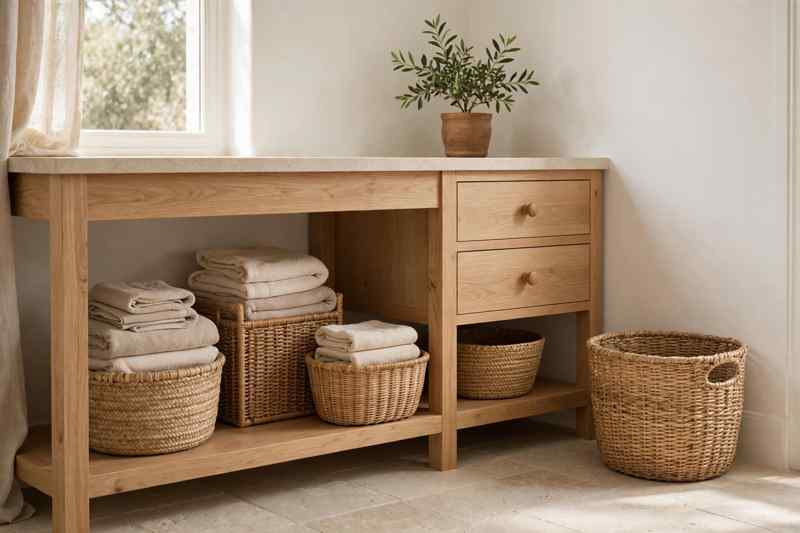
9. Use Woven Wood and Natural Fiber Baskets
Not all natural texture needs to come from solid wood.
Woven baskets made from seagrass, rattan, bamboo, or similar natural fibers can bring warmth to a neutral bathroom while providing useful storage.
Use them for extra towels, toilet paper, bath products, or laundry. Their imperfect texture works beautifully with smooth tile and ceramic surfaces.
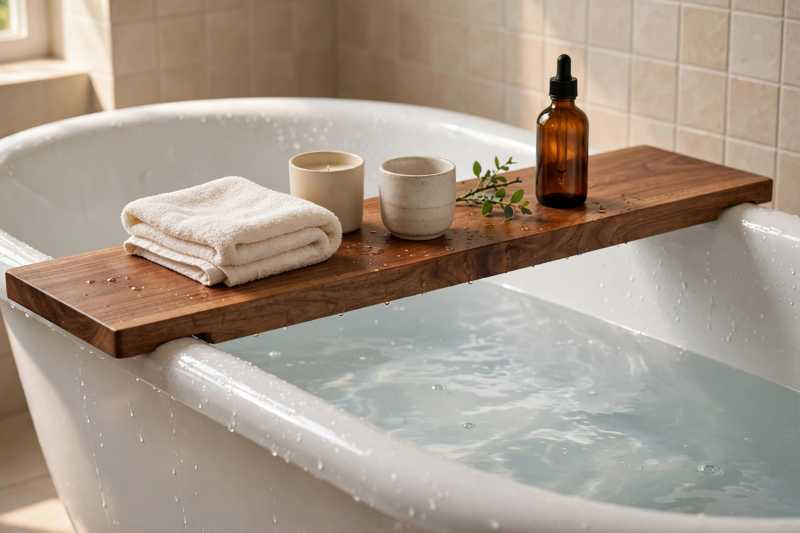
10. Bring in a Wood Bath Tray
A wooden bath tray can turn a simple bathtub into a cozy focal point.
Choose a tray in teak, bamboo, or another bathroom-friendly wood and keep the styling restrained. A candle, folded washcloth, small plant, or neutral-colored bath product can be enough.
For a truly relaxing appearance, pair the tray with warm cream towels and soft beige accessories.
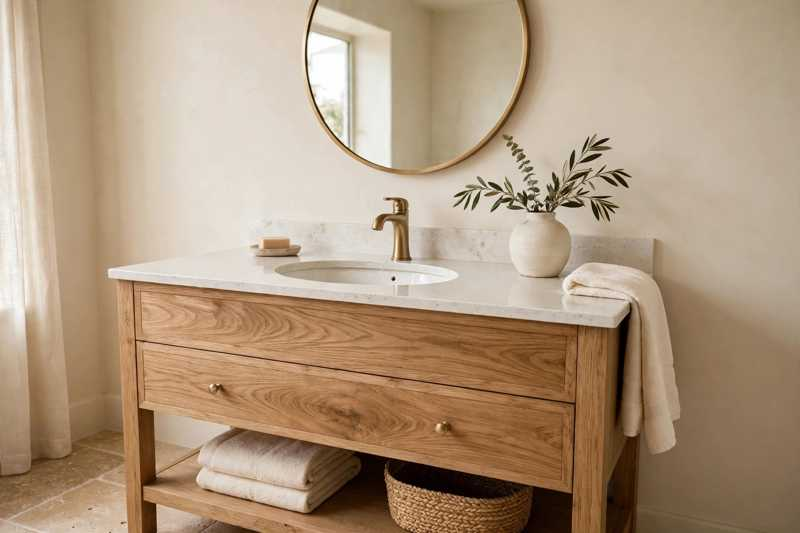
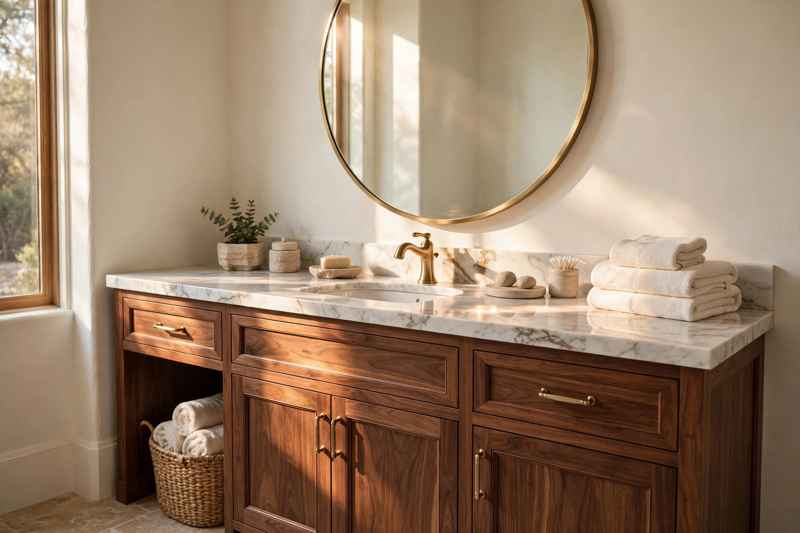
11. Combine White Marble With Warm Wood
White marble or marble-look surfaces can sometimes feel formal. Natural wood helps soften that effect.
Try a white marble countertop with a warm oak vanity underneath. Keep the walls and accessories in creamy white or light beige.
Brushed brass fixtures can connect the warm tones while adding a subtle elegant detail.
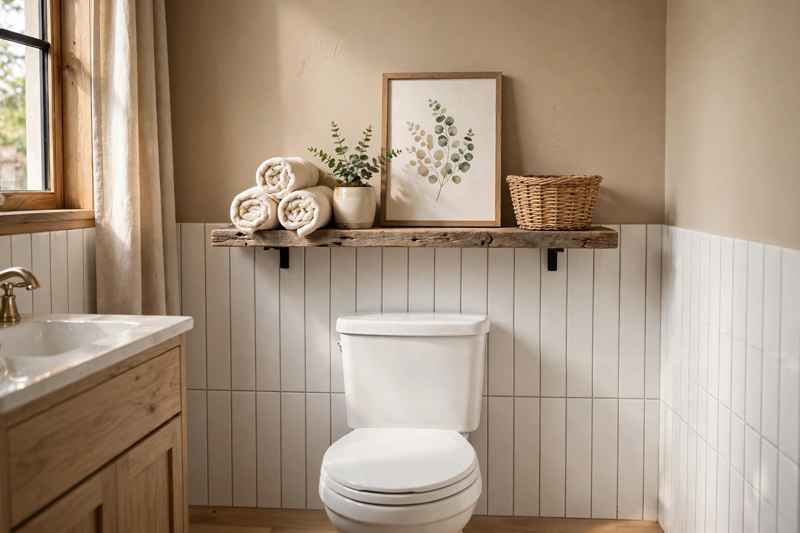
12. Add Warm Wood Above the Toilet
The wall above the toilet is often wasted space.
Install a narrow wood shelf or a small wooden cabinet to add storage and character. Style it with rolled towels, a ceramic container, a small framed print, and a simple plant.
Choose moisture-resistant finishes and avoid placing untreated wood where it will regularly come into direct contact with water.
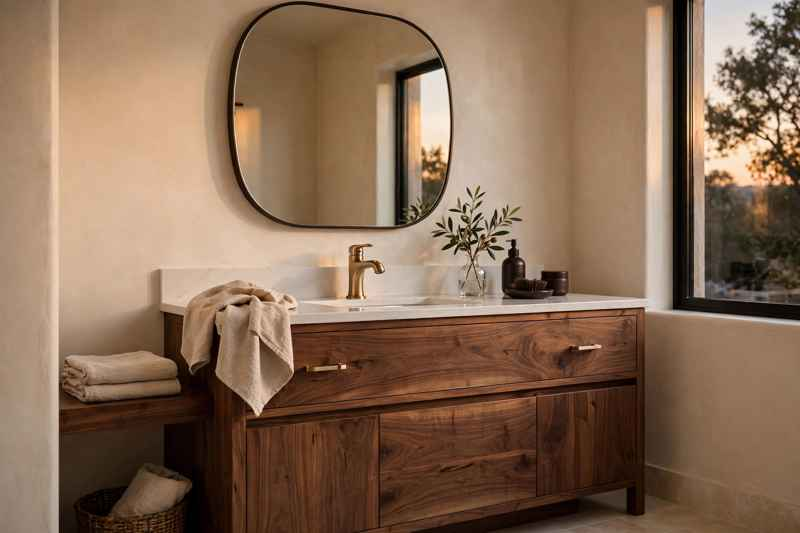
13. Use Walnut for a Richer Neutral Bathroom
Light woods create an airy appearance, but darker walnut can make a neutral bathroom feel more luxurious and grounded.
Pair a walnut vanity with warm white walls, cream stone, and beige textiles. Keep the rest of the room relatively light so the darker wood remains the focal point.
This combination works particularly well in bathrooms with plenty of natural or well-planned artificial light.
14. Add a Small Wooden Bench to the Shower Area
A built-in or freestanding wooden shower bench can bring warmth into a heavily tiled space.
Teak is particularly suitable for this type of application when properly selected and maintained for bathroom use.
Keep the surrounding tile neutral, such as warm white, sand, stone, or light gray-beige, so the bench becomes a natural focal point.
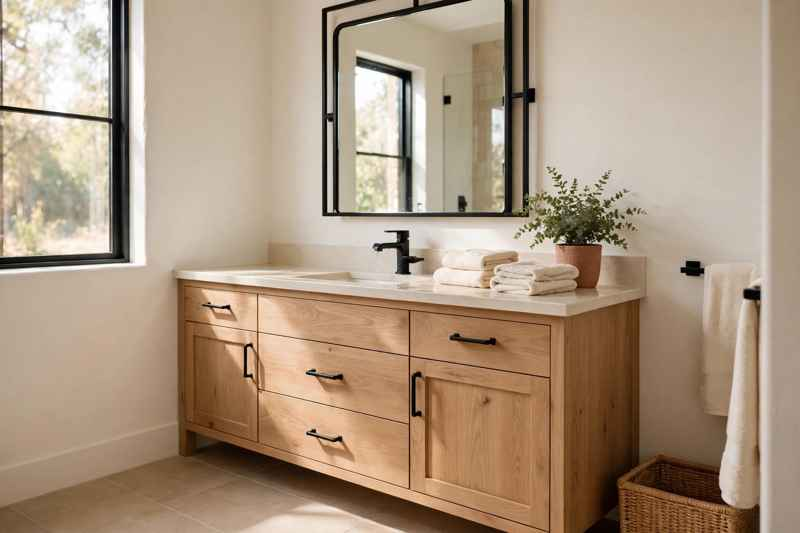
15. Use Wood and Black Accents Together
Natural wood looks especially striking when paired with matte black fixtures.
Try a light oak vanity with a black faucet, black mirror frame, and simple black cabinet pulls. Keep the walls and countertops light to maintain balance.
This combination creates a modern neutral bathroom without feeling overly industrial.
16. Add Soft Cream Textiles
A neutral bathroom becomes much cozier when you introduce plenty of soft textiles.
Choose cream or beige towels, a textured bath mat, linen-style hand towels, and a simple fabric shower curtain if appropriate for your bathroom.
Layering different textures within a similar color family creates depth without adding visual clutter.
17. Bring in Greenery With Wooden Planters
Plants can make a neutral bathroom feel more alive.
Place a moisture-loving plant in a natural wood planter or on a wooden shelf. A small plant beside the sink can also add a subtle organic detail.
If your bathroom receives little natural light, choose plants suited to those conditions or use a realistic-looking artificial option.
18. Create a Minimalist Wood and Stone Bathroom
For a very calm bathroom, limit the palette to natural wood, warm stone, cream, and white.
Use a simple floating wood vanity, stone-look flooring, white walls, and minimal accessories. Instead of decorating every surface, let the materials themselves provide visual interest.
This approach works particularly well in modern and Scandinavian-inspired bathrooms.
19. Mix Different Wood Textures Carefully
You do not have to use exactly the same wood throughout the bathroom.
A smooth oak vanity can work with a woven basket, a slightly rustic wooden stool, and a framed wood mirror. The key is to keep the undertones compatible.
If one piece has a very orange or red undertone, balance it carefully with the surrounding colors so the room still feels cohesive.
20. Add Rustic Wood Details to a Modern Bathroom
A few rustic touches can make a contemporary bathroom feel more relaxed.
Try a reclaimed-looking wood shelf, natural wood stool, woven basket, or simple wooden frame against clean white tile.
Keep the rustic pieces limited. One or two aged-looking details can create character without making the bathroom feel dated.
21. Create a Collected Neutral Bathroom With Natural Wood
The most inviting neutral bathrooms often combine several simple elements rather than relying on one dramatic feature.
Pair a natural wood vanity with warm beige tile, a wood-framed mirror, woven baskets, cream towels, greenery, stone accessories, and soft lighting.
The result feels layered and comfortable while still maintaining the clean appearance that makes neutral bathrooms so appealing.
How to Make a Neutral Bathroom Feel Cozy
The key is to add warmth through texture rather than relying on lots of color.
Natural wood is an excellent starting point, but combine it with soft towels, woven storage, textured rugs, stone, ceramics, and warm lighting.
Avoid using only bright white surfaces and shiny finishes. Even a small amount of wood can make a major difference.
Warm bulbs around 2700K to 3000K can also create a softer atmosphere than very cool white lighting.
Best Wood Colors for a Neutral Bathroom
Different woods create different moods.
Light oak: Airy, Scandinavian, and modern
Ash: Pale and understated
Walnut: Rich, elegant, and dramatic
Teak: Warm, natural, and spa-like
Bamboo: Light and casual
Medium natural wood: Balanced and versatile
Choose one main wood tone and use smaller accessories to repeat it around the room.
Neutral Bathroom Color Combinations With Natural Wood
If you are unsure which colors to pair with wood, these combinations are easy starting points:
Warm white + light oak + cream
Beige + walnut + ivory
Greige + natural oak + black
Sand + teak + soft white
Taupe + walnut + brass
Cream + ash wood + muted green
White stone + oak + beige
How to Make a Small Neutral Bathroom Look Bigger
Light colors are especially useful in compact bathrooms.
Use warm white or pale beige on the walls, choose a floating vanity where practical, and keep the floor visually simple. A large mirror can reflect light and make the room feel more open.
Wood should be used strategically rather than covering every surface. A compact oak vanity, wood-framed mirror, and small woven basket may be enough.
How to Keep Wood Looking Good in a Bathroom
Bathrooms naturally contain moisture, so wood needs appropriate care.
Choose wood products specifically designed or finished for bathroom use. Wipe away standing water, provide adequate ventilation, and follow the manufacturer’s cleaning and maintenance recommendations.
For items near showers or tubs, use suitable moisture-resistant materials and finishes rather than assuming every type of wood will perform the same way.
Common Neutral Bathroom Decorating Mistakes
Using too much beige: Layer cream, white, wood, stone, and subtle darker accents instead of making everything the same beige.
Adding too many wood tones: A few compatible wood finishes usually look more cohesive than many unrelated shades.
Forgetting texture: Smooth tile and painted walls can feel flat without woven baskets, textiles, wood grain, or stone.
Overdecorating the vanity: Keep daily-use areas practical and uncluttered.
Choosing cool lighting: Very cool bulbs can make warm neutrals appear less inviting.
Ignoring ventilation: A beautiful bathroom still needs good airflow to manage moisture and protect materials.
Neutral Bathroom Styling Checklist
Before you finish your bathroom update, consider adding:
Natural wood vanity
Wood-framed mirror
Wooden shelf
Teak or wood stool
Woven storage baskets
Cream or beige towels
Neutral bath mat
Warm lighting
Small greenery
Stone or ceramic accessories
One or two darker accents
Moisture-appropriate wood finishes
Frequently Asked Questions
What colors go well with natural wood in a bathroom?
Warm white, cream, beige, taupe, greige, soft gray, muted green, and black can all work well with natural wood. The best choice depends on whether you want the room to feel light, earthy, modern, or more dramatic.
What type of wood looks best in a neutral bathroom?
Light oak creates an airy appearance, while walnut provides more contrast and richness. Teak is especially useful for bathroom accessories and pieces exposed to moisture when properly selected and maintained.
How do I make my white bathroom feel warmer?
Add natural wood, woven baskets, cream textiles, warm lighting, greenery, and stone accessories. You do not need to repaint the entire bathroom to make it feel less sterile.
Can I mix different wood tones in a bathroom?
Yes, but keep the undertones reasonably compatible. For example, light oak can work with medium natural wood accessories, while walnut can be repeated through smaller darker accents.
Are wood accents practical in a bathroom?
They can be, provided you choose suitable products and finishes for the level of moisture they will encounter. Good ventilation and regular maintenance are also important.
Final Thoughts
A cozy neutral bathroom does not need complicated decor. Start with a warm neutral foundation, then bring in natural wood through the vanity, mirror, shelving, stool, or small accessories.
The combination of soft neutrals and natural materials creates a bathroom that feels calm and welcoming while remaining practical enough for everyday use. Whether you prefer light oak and cream or rich walnut and beige, a few carefully chosen wood accents can give a neutral bathroom considerably more character.
Black and white Christmas decor can make a holiday home feel modern, elegant, and surprisingly cozy. The contrast gives traditional Christmas decorations a cleaner look, while warm wood, greenery, candles, and soft fabrics keep the space from feeling cold.
Whether you love minimalist Christmas decorating or simply want something different from the usual red and green palette, black and white gives you plenty of room to experiment. You can keep the colors crisp and dramatic or soften them with cream, beige, natural wood, and evergreen branches.
Here are 21 black and white Christmas decorating ideas to help you create a stylish holiday home without making it feel overly formal.
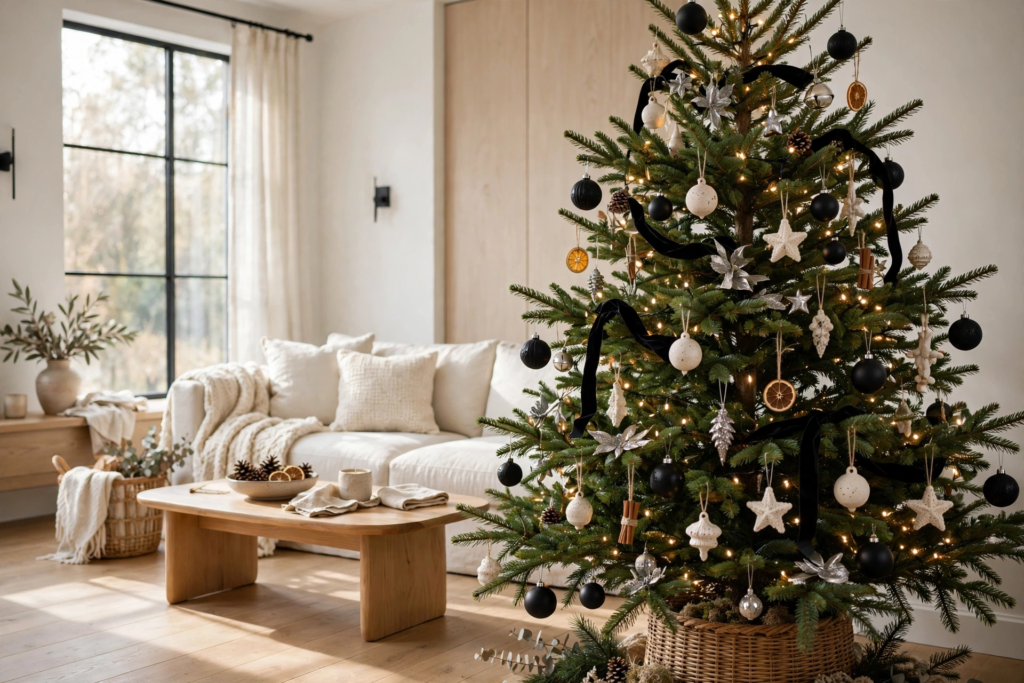
1. Decorate a Christmas Tree With Black and White Ornaments
A black and white Christmas tree is an easy place to start. Use matte black, white, ivory, and a few metallic ornaments for a balanced look.
Mix different finishes rather than using ornaments that all look identical. Matte black balls, white ceramic ornaments, frosted pieces, and simple glass baubles can create plenty of visual interest.
Add warm white lights instead of cool blue-white bulbs. The warmer glow makes the black decorations feel softer and more inviting.
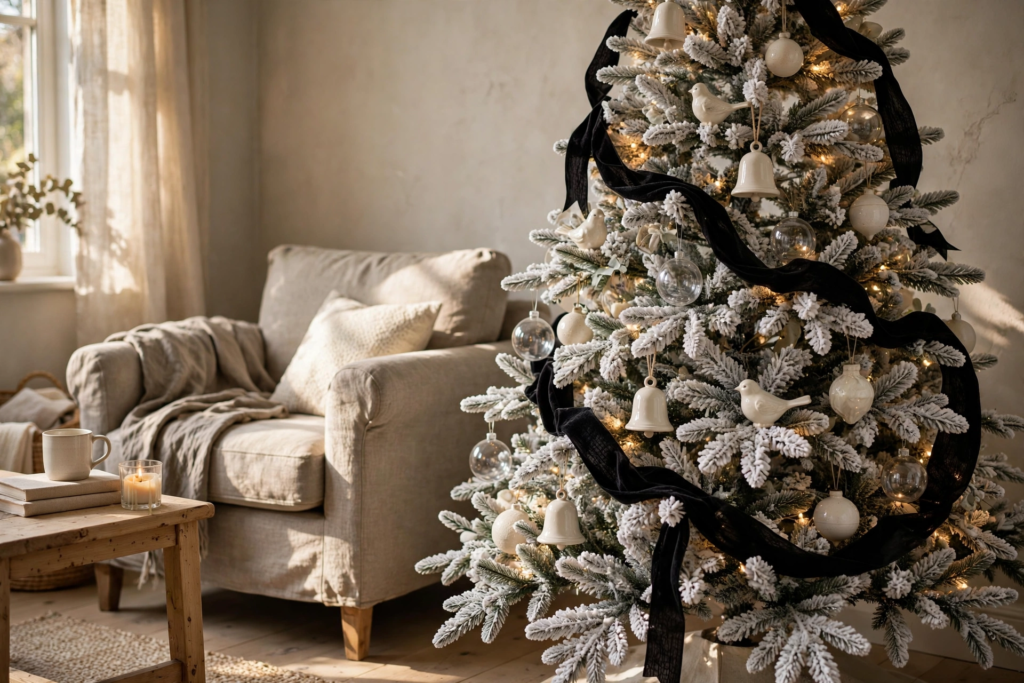
2. Add Black Ribbon to a White Christmas Tree
If you prefer a mostly white Christmas tree, use black ribbon as the contrasting element.
Wide black velvet ribbon looks especially beautiful against snowy white branches. You can loosely weave it through the tree or create oversized bows near the top and middle.
Keep the rest of the ornaments simple with white, silver, or clear glass pieces so the ribbon remains the main feature.
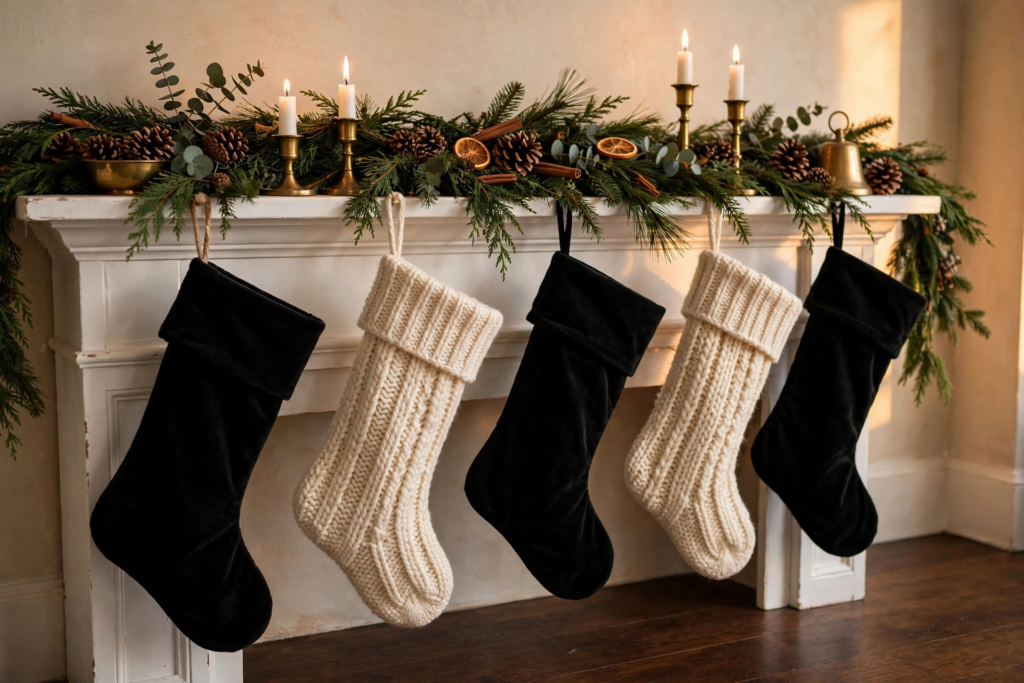
3. Use Black and White Christmas Stockings
Christmas stockings are a small detail that can completely change the look of a mantel.
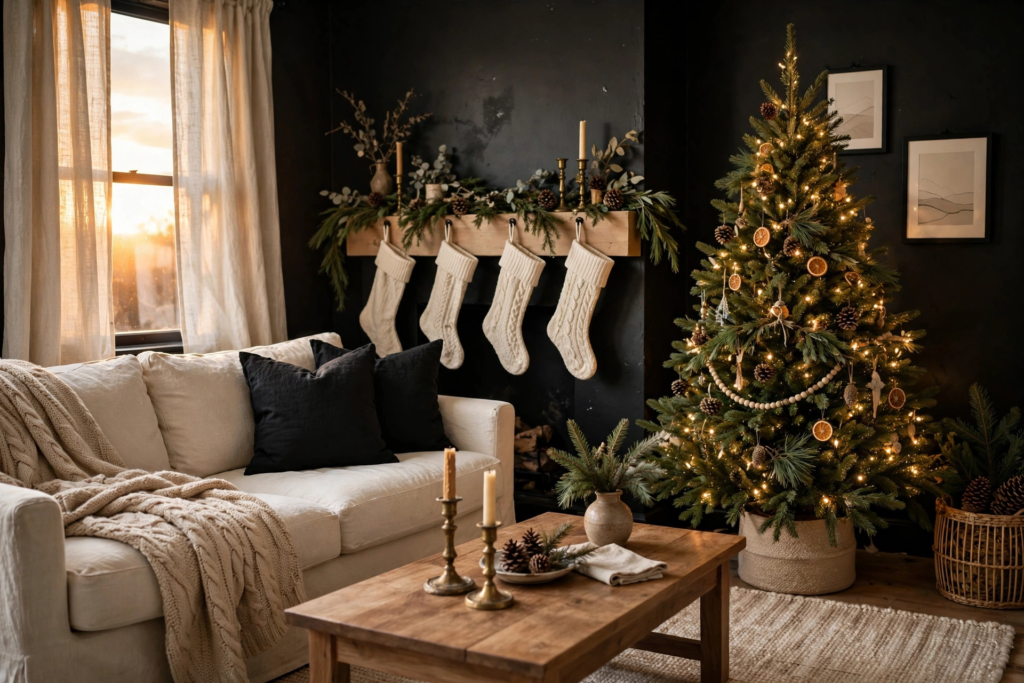
Try alternating black and white stockings across the fireplace. Chunky knit, linen, faux fur, and velvet textures can keep the arrangement from looking flat.
For a softer appearance, choose ivory stockings instead of bright white and pair them with black leather or fabric hanging loops.
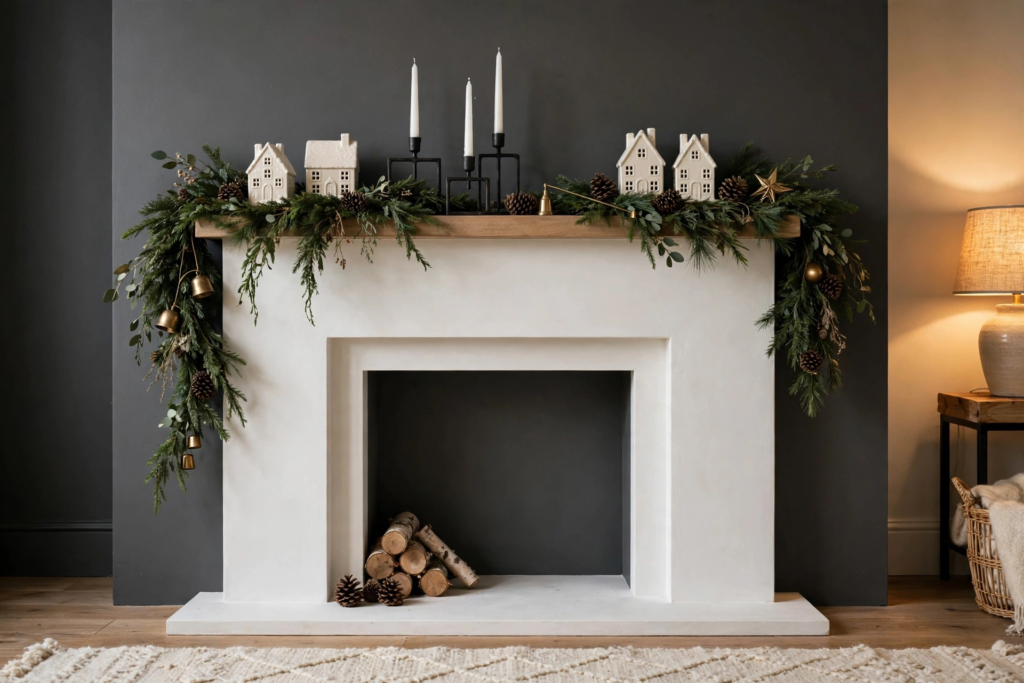
4. Create a Black and White Christmas Mantel
A black and white mantel can become the focal point of your holiday living room.
Start with a simple evergreen garland, then add black candlesticks, white taper candles, ceramic houses, and a few natural pinecones.
If your fireplace is white, black accessories will stand out beautifully. If the fireplace is black or dark stone, use more white decorations to create contrast.
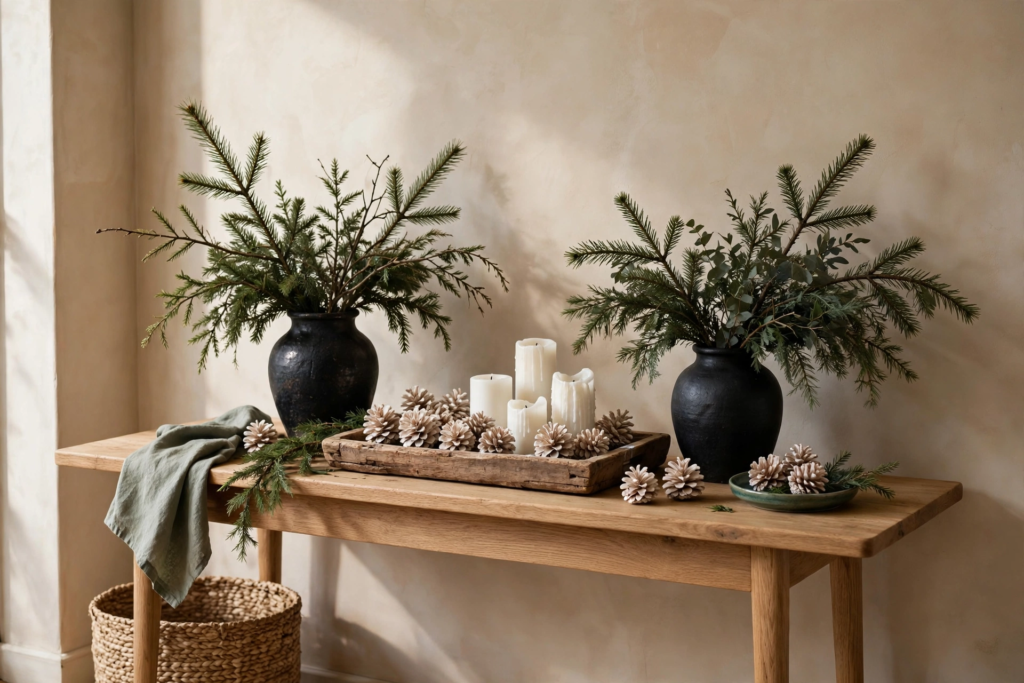
5. Mix Black Decor With Natural Evergreen Greenery
Black and white can sometimes feel too stark when used alone. Evergreen greenery is an easy way to add warmth and natural color.
Place pine branches along a mantel, dining table, staircase, or console table. The deep green works naturally with both black and white.
For a relaxed look, let some branches extend unevenly instead of creating a perfectly symmetrical arrangement.
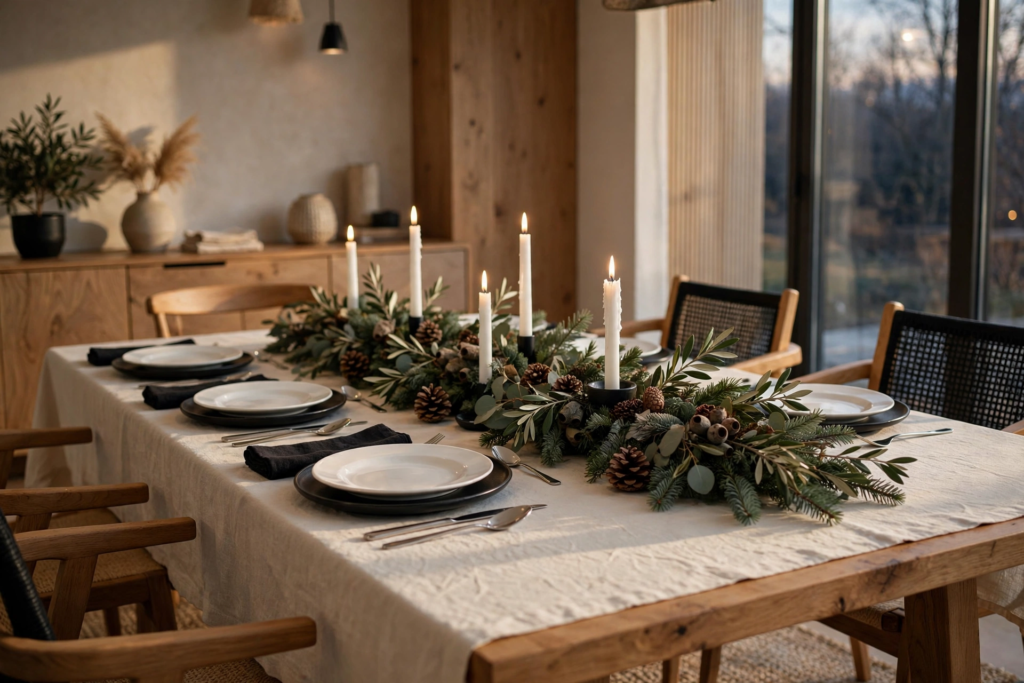
6. Try Black and White Christmas Table Settings
A black and white Christmas table can look elegant without requiring expensive dinnerware.
Use white plates with black napkins, black flatware, or dark ceramic serving pieces. Add evergreen sprigs, pinecones, and warm candles down the center.
A simple white tablecloth can make the darker details stand out, while a black runner creates a more dramatic table.
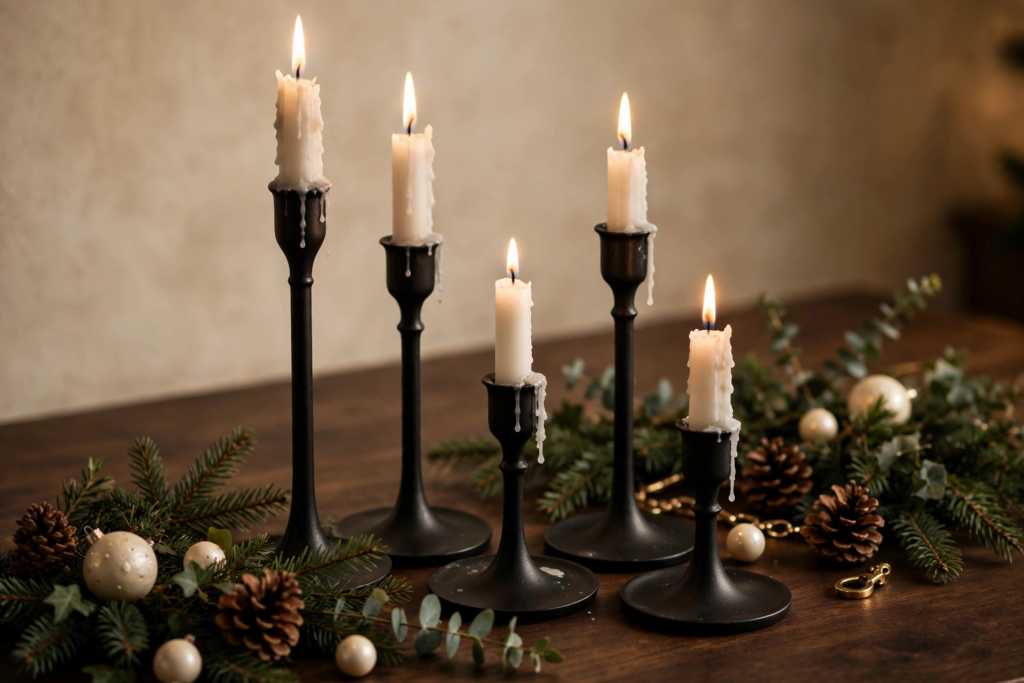
7. Add Black Candlesticks With White Candles
Black candlesticks are one of the easiest ways to introduce contrast into Christmas decor.
Place several different heights together on a dining table, mantel, or console. Add classic white taper candles for a clean monochromatic combination.
For safety, keep candles away from loose greenery, curtains, and other flammable decorations. Battery-operated taper candles are another option for homes with children or pets.
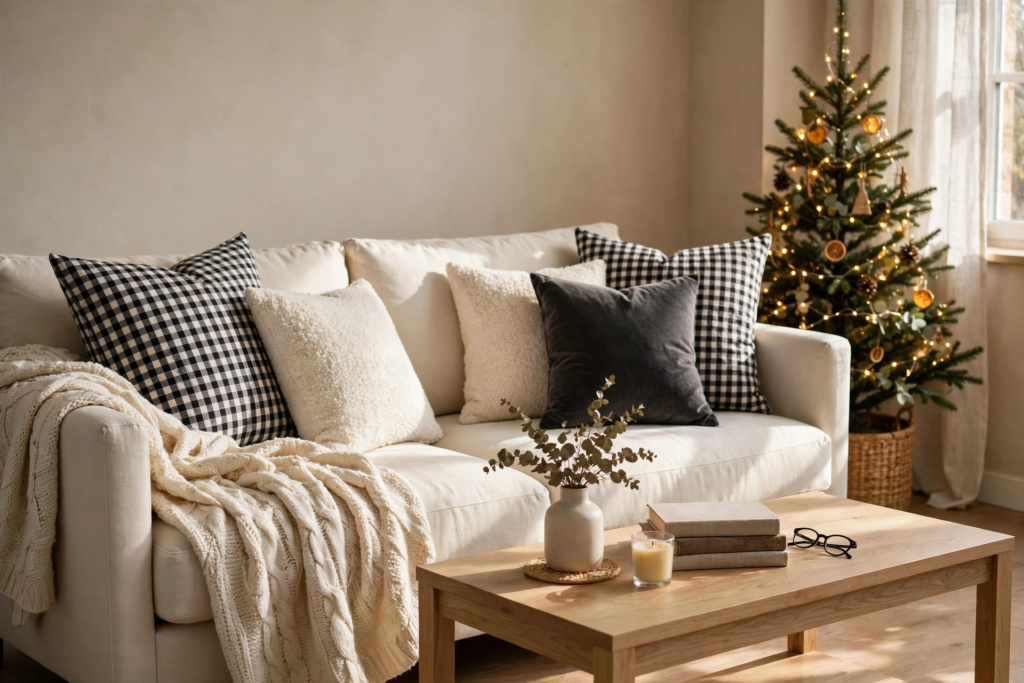
8. Decorate With Black and White Christmas Pillows
Switching out a few throw pillows can give your living room an entirely different Christmas look.
Look for patterns such as black-and-white checks, stripes, simple snowflakes, trees, or subtle typography-free geometric designs.
Combine patterned pillows with solid black, ivory, or cream cushions. Mixing textures such as linen, boucle, velvet, and chunky knit will make the sofa feel more inviting.
9. Use Black and White Plaid Christmas Decor
Black-and-white plaid adds a traditional country feel while staying within a modern color palette.
Use plaid ribbon on the tree, a throw blanket on an accent chair, stockings on the mantel, or small bows throughout the room.
To prevent the pattern from becoming overwhelming, balance it with solid white and black pieces.
10. Add White Ceramic Christmas Decorations
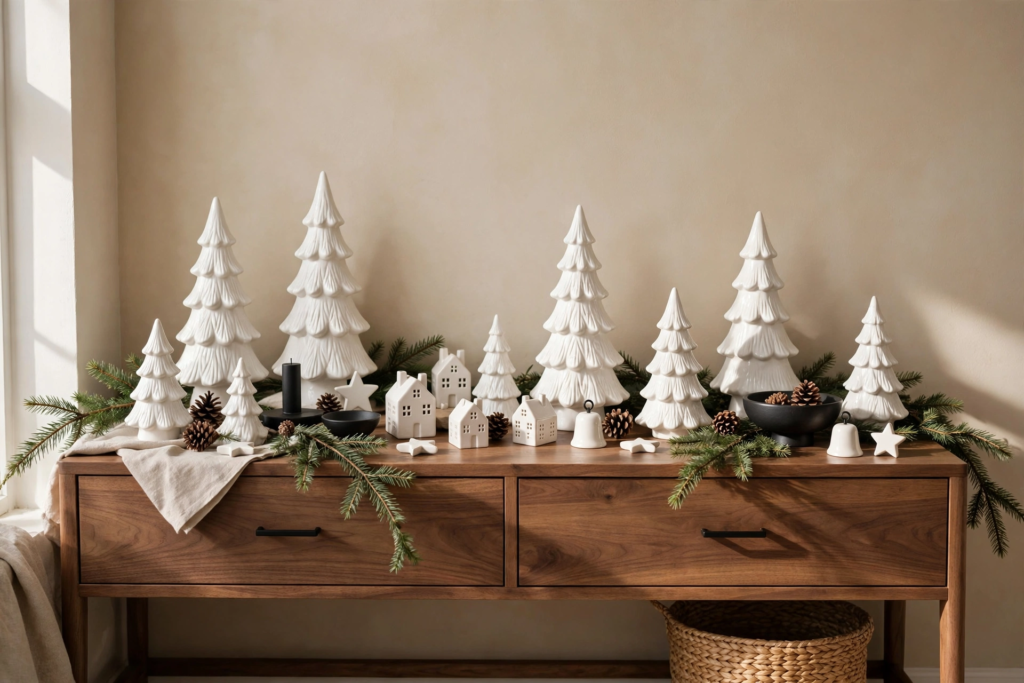
White ceramic Christmas trees, houses, stars, bells, and snowflakes work beautifully with black accents.
Group several ceramic pieces together on a shelf or console table. Add a small evergreen branch or a few pinecones to introduce natural texture.
The smooth white surfaces also create a nice contrast against darker wood furniture and black metal accessories.
11. Style a Black and White Christmas Coffee Table
Your coffee table does not need to be covered with Christmas decorations to feel festive.
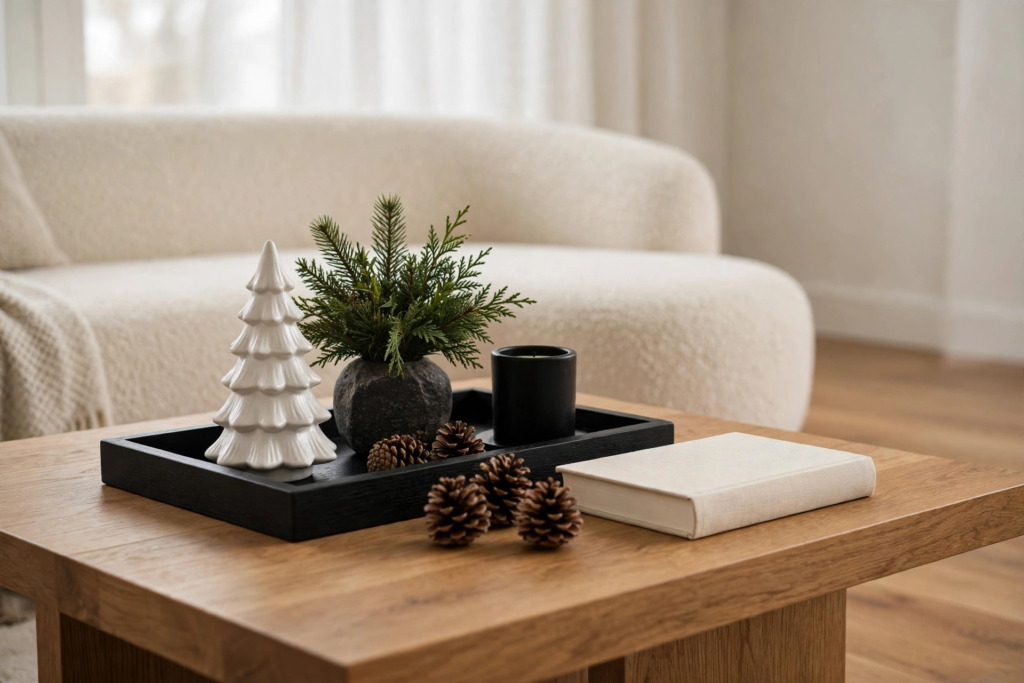
Start with a black or natural wood tray. Add a white ceramic tree, a small evergreen arrangement, a black candle, and a few pinecones.
Leave plenty of empty space around the arrangement. A little breathing room helps modern Christmas decor look intentional rather than cluttered.
12. Combine Black, White, and Warm Wood
Warm wood is especially useful when a black and white Christmas palette starts feeling too cold.
Use wooden candleholders, a rustic coffee table, woven baskets, wooden ornaments, or natural branches.
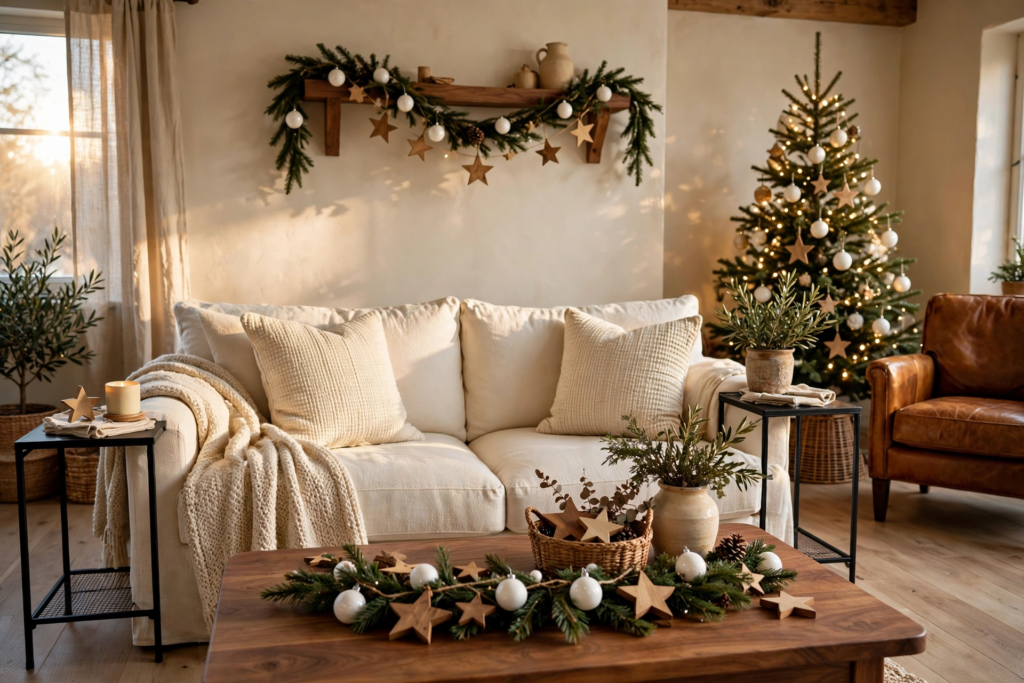
The combination of black, white, greenery, and warm wood creates a modern rustic Christmas style that feels comfortable rather than overly polished.
13. Hang a Black and White Christmas Wreath
A simple wreath can become a striking focal point when decorated in a monochromatic palette.
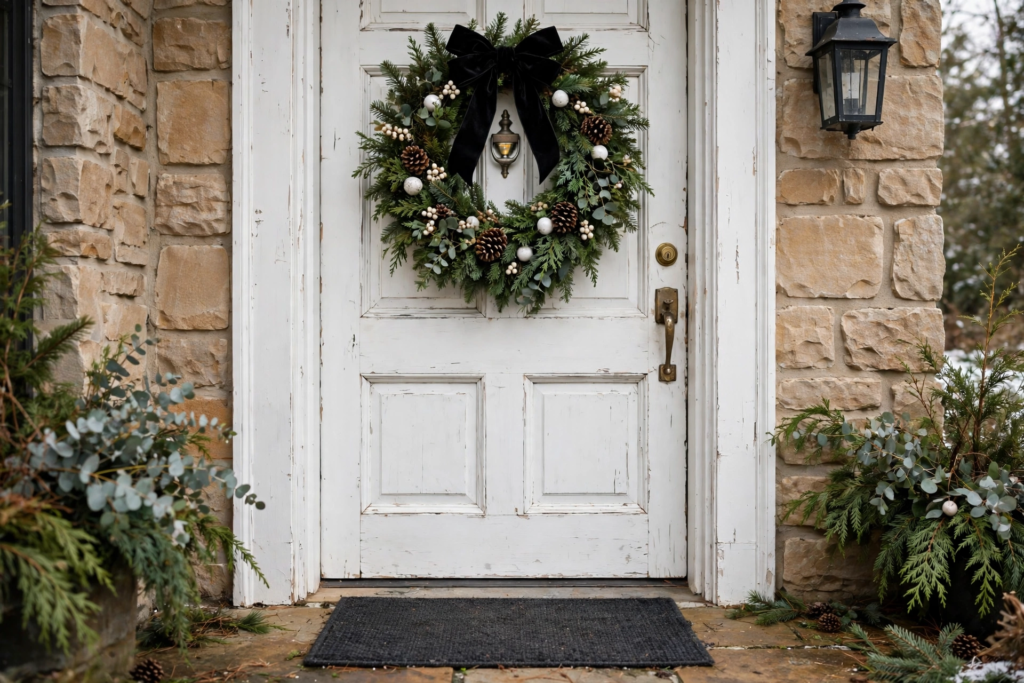
Start with an evergreen wreath and add a wide black velvet ribbon. You can also incorporate white berries, cotton stems, pinecones, or small white ornaments.
Hang it on a white front door for maximum contrast, or use it indoors above a fireplace or console.
14. Decorate a Christmas Bedroom in Black and White
You do not have to limit holiday decorating to the living room.
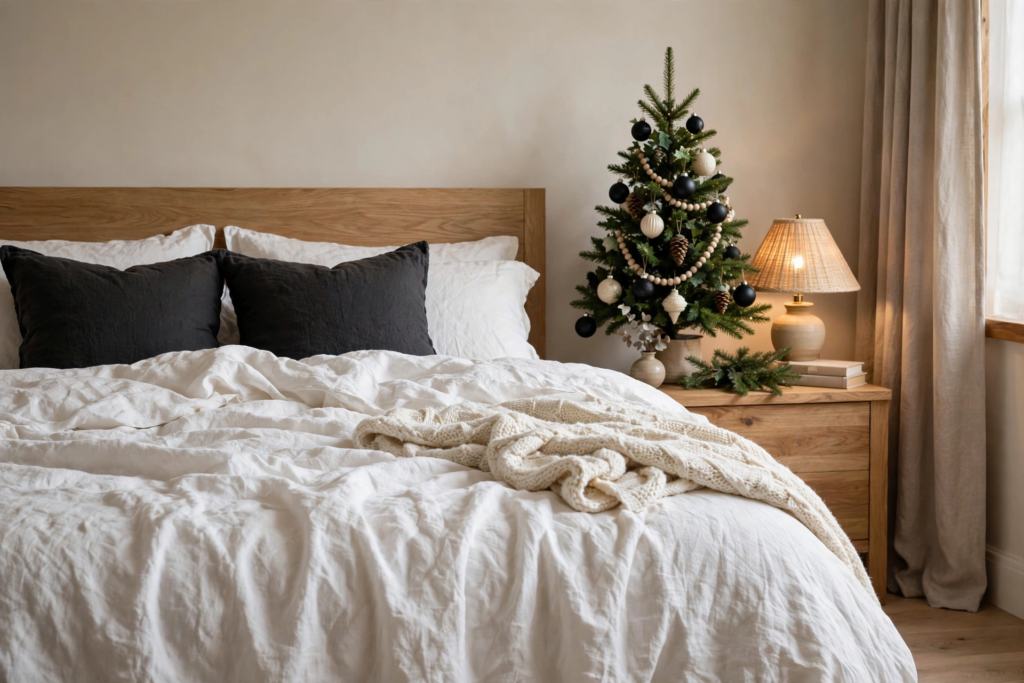
For a cozy Christmas bedroom, layer white bedding with black or charcoal pillows and a textured throw. Add a small tabletop Christmas tree with black and white ornaments.
Warm bedside lamps, natural wood, and subtle evergreen branches will keep the room feeling restful rather than overly dramatic.
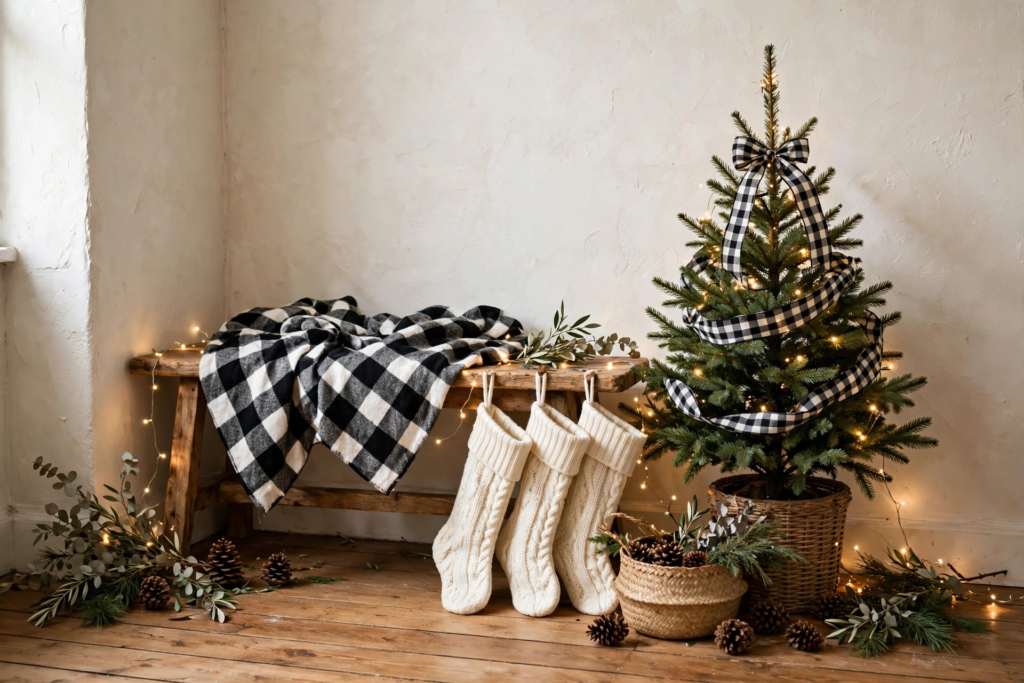
15. Create a Black and White Christmas Entryway
Your entryway sets the tone for the rest of your holiday home.
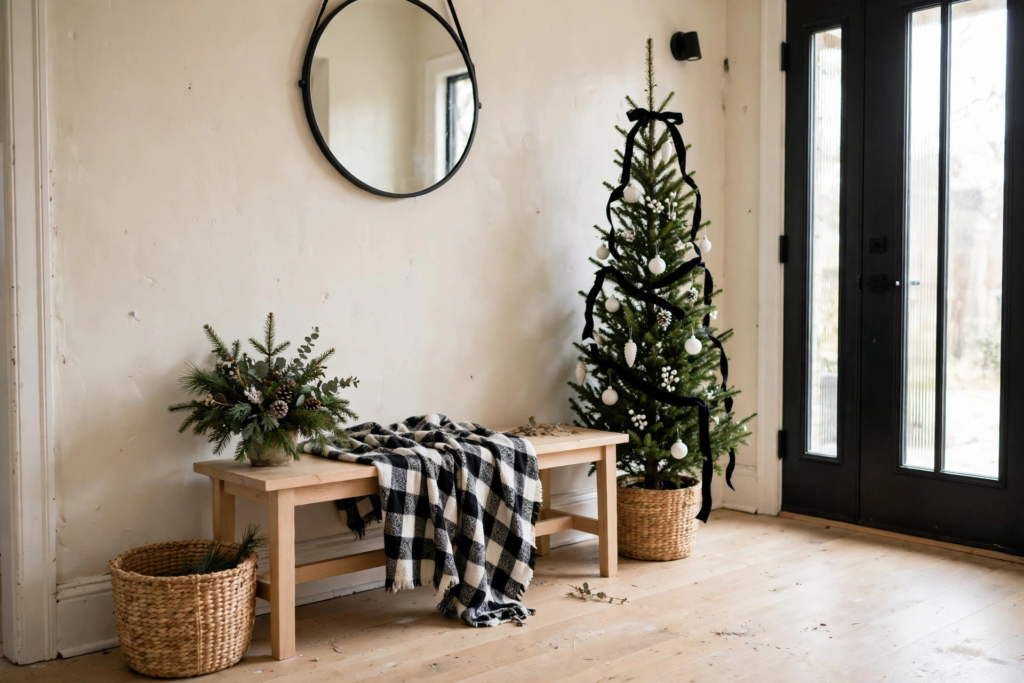
Place a small Christmas tree near the door and decorate it with white ornaments and black ribbon. Add a black-framed mirror, a woven basket, and a simple evergreen arrangement.
A small bench with a black-and-white plaid throw can make the space feel both practical and festive.
16. Use Black Ornaments on a Snowy White Tree
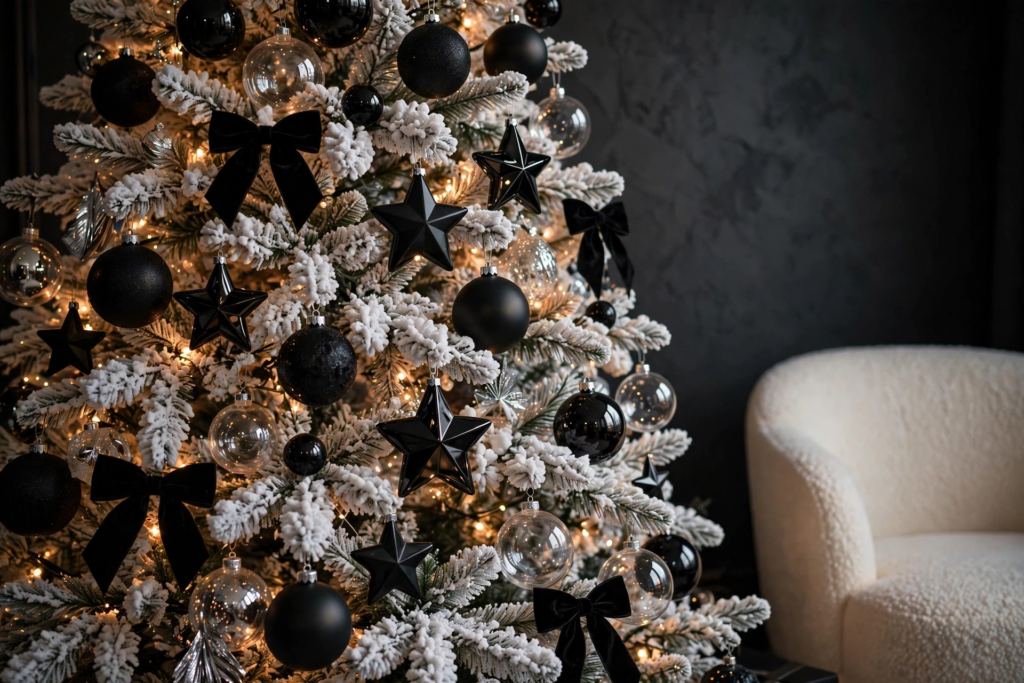
For a dramatic Christmas tree, start with a flocked or snowy white tree and decorate it primarily with black ornaments.
Use different shapes and finishes, such as matte black balls, glossy ornaments, black stars, and textured ceramic pieces.
Add warm white lights to soften the strong contrast. A few silver or clear ornaments can also reflect the light without changing the overall color scheme.
17. Add Black Frames and Holiday Artwork
Christmas decorating does not have to mean adding ornaments everywhere.
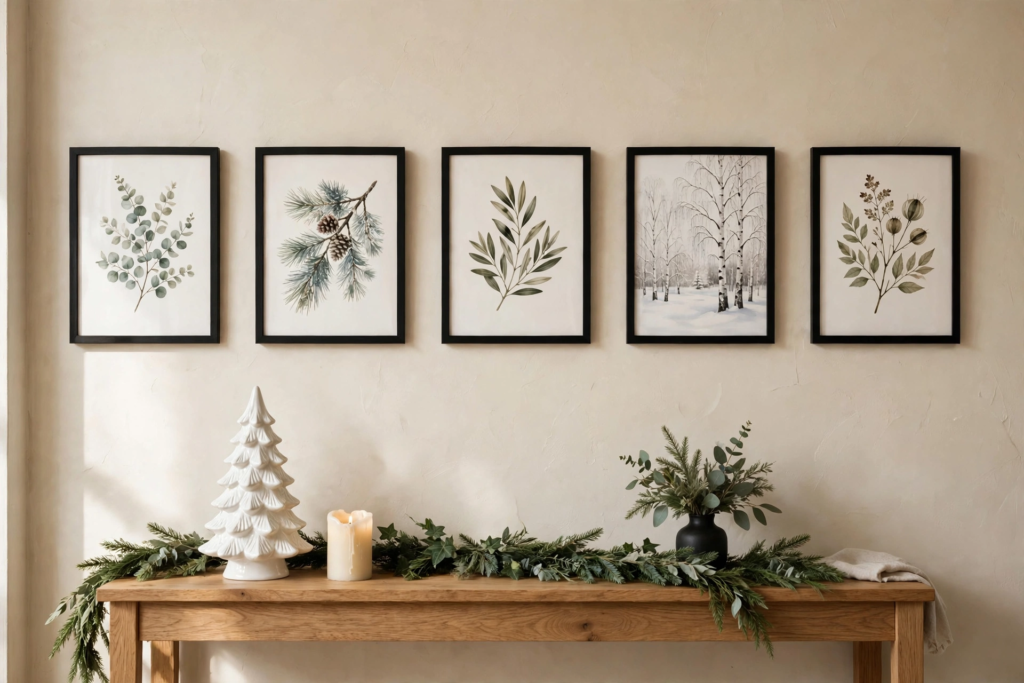
Replace or supplement everyday artwork with simple winter prints in black frames. Botanical drawings, snowy landscapes, vintage-inspired illustrations, or minimalist Christmas artwork can work well.
Keep the artwork mostly neutral so it complements rather than competes with the rest of the room.
18. Bring Black and White Into the Kitchen
The kitchen is often overlooked when decorating for Christmas, but a few small changes can make it feel festive.
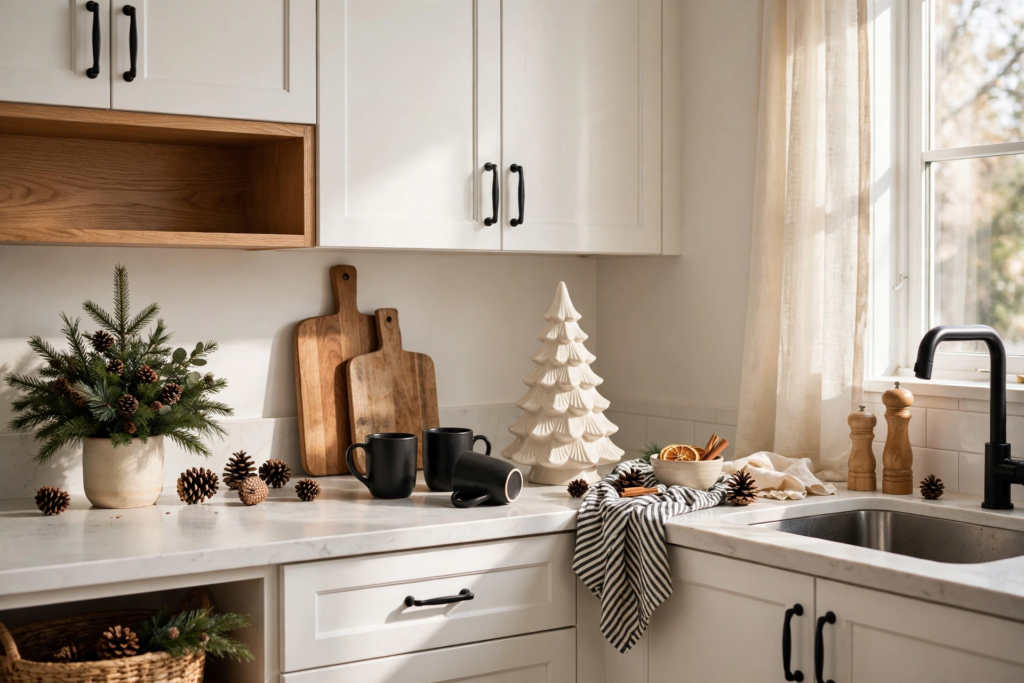
Add black-and-white striped tea towels, a white ceramic Christmas tree, black mugs, wooden cutting boards, and a small evergreen arrangement.
A bowl filled with pinecones or a simple branch arrangement can add holiday character without taking up valuable counter space.
19. Create a Modern Black and White Christmas Staircase
If you have an open staircase, turn the railing into a simple Christmas display.
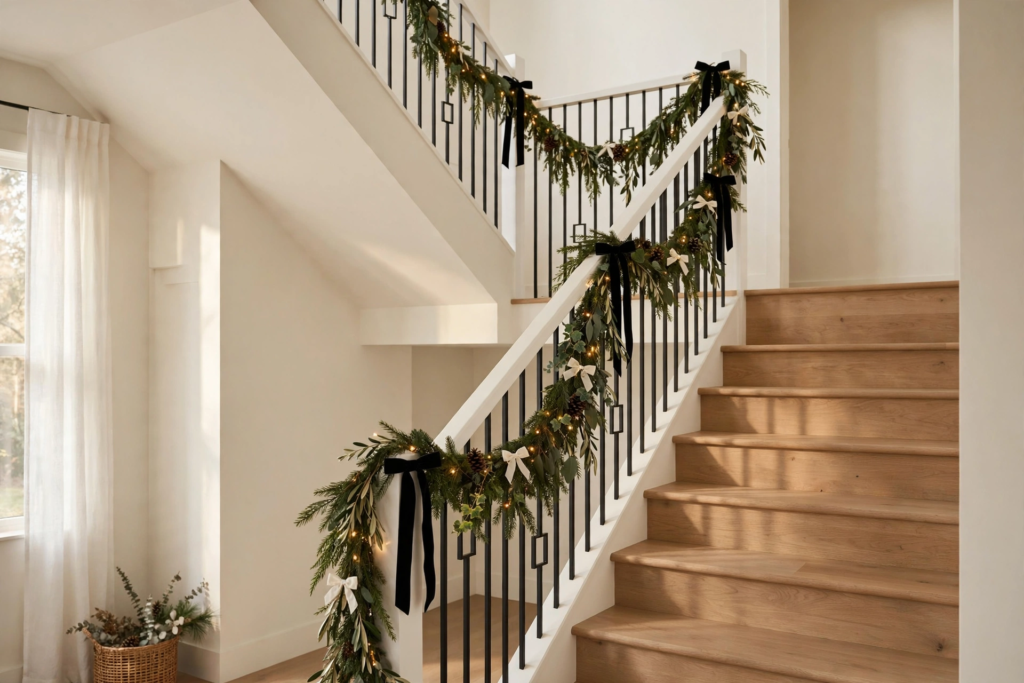
Drape an evergreen garland along the railing and add black ribbon or small white bows. Keep the greenery slightly loose for a natural appearance.
For a more minimalist approach, skip the heavy decorations and use only greenery with evenly spaced black ribbon ties.
20. Add Soft Cream to Soften Black and White
Pure black and bright white can sometimes feel very sharp. Cream and ivory are useful for creating a warmer version of the same palette.
Use cream stockings, ivory ornaments, beige pillows, or warm white candles alongside black accessories.
This approach works especially well in living rooms with warm wood floors and neutral furniture.
21. Create a Collected Black and White Christmas Look
The most interesting black and white Christmas rooms rarely look like everything came from the same collection.
Mix modern ornaments with vintage pieces, smooth ceramics with chunky textiles, and polished black accessories with rustic wood.
Use greenery to connect everything visually. The result should feel collected over time rather than perfectly matched.
How to Make Black and White Christmas Decor Feel Cozy
The secret to making a monochrome Christmas palette inviting is texture.
Instead of adding more colors, add different materials. Think velvet ribbon, chunky knit blankets, linen stockings, aged wood, ceramic ornaments, woven baskets, natural greenery, glass, and metal.
Warm lighting also makes a major difference. Use warm white string lights, candles, table lamps, and small accent lights instead of harsh overhead lighting whenever possible.
Best Colors to Pair With Black and White Christmas Decor
You can keep the palette mostly monochromatic while introducing one or two supporting shades.
Black + white + evergreen: Fresh and traditional
Black + ivory + warm wood: Cozy and organic
Black + white + brass: Elegant and slightly glamorous
Black + cream + beige: Soft and sophisticated
Black + white + silver: Crisp and contemporary
Black + white + burgundy: Dramatic with a traditional Christmas feel
How to Make a Black and White Christmas Tree Look Full
Start with lights before adding ornaments. Then use larger ornaments toward the inside of the tree and smaller pieces toward the outer branches.
Mix round ornaments with stars, bells, ribbons, ceramic pieces, and natural elements. Repeating the same few colors throughout the tree creates consistency without making every decoration identical.
If the tree still looks sparse, add ribbon, greenery picks, pinecones, or oversized bows to fill the gaps.
Black and White Christmas Decor for Small Spaces
A small home does not need dozens of decorations.
Choose a few high-impact areas such as the Christmas tree, mantel, entryway, or dining table. Use black and white pillows, ribbon, candles, and small ceramic decorations to carry the theme through the rest of the home.
Vertical decorating can also help. A tall narrow tree, wall wreath, hanging stockings, and a slim console display can add Christmas character without taking up much floor space.
Common Mistakes to Avoid
Black and white Christmas decorating is fairly forgiving, but a few choices can make the space feel too harsh.
Using only two flat colors: Add texture, greenery, wood, or cream to create depth.
Using too much black: A few dark accents often have more impact than covering every surface in black.
Ignoring lighting: Cool lighting can make white decor feel sterile. Warm lighting creates a much softer atmosphere.
Making everything match: Different materials and patterns make the room feel more collected.
Overdecorating small surfaces: Leave some empty space so the decorations have room to stand out.
Black and White Christmas Decorating Checklist
Before you finish decorating, check that you have:
Black and white or ivory ornaments
Warm white Christmas lights
Black or velvet ribbon
Evergreen branches or garland
White or cream candles
Black candlesticks
Black-and-white pillows or throws
Natural wood accents
Ceramic Christmas decorations
Pinecones or other natural elements
A wreath or door decoration
A few metallic accents if desired
Frequently Asked Questions
Is black and white Christmas decor still festive?
Absolutely. The Christmas feeling comes from familiar elements such as trees, greenery, lights, stockings, wreaths, ornaments, and candles. Changing the color palette simply gives those traditional decorations a more modern appearance.
What color goes well with black and white Christmas decor?
Evergreen green, warm wood, cream, brass, silver, beige, and burgundy all work well. For the warmest look, combine black and white with wood and greenery.
How can I make black and white Christmas decor less cold?
Use cream instead of bright white, add warm wood, layer soft textiles, and use warm white lighting. Natural greenery is another easy way to soften the contrast.
Can I use black decorations on a white Christmas tree?
Yes. A snowy white or flocked tree provides a strong background for matte black ornaments, black ribbon, and dark decorative accents. Warm white lights help balance the contrast.
Is black and white Christmas decor suitable for a traditional home?
Yes. Black-and-white plaid, evergreen garlands, stockings, candles, wood, and vintage-style ornaments can give the palette a classic feel while keeping it visually fresh.
Final Thoughts
Black and white Christmas decorating gives you a simple way to create a holiday home that feels modern without losing the warmth of Christmas. Start with a few strong contrasts, then bring in greenery, wood, soft fabrics, and warm lighting to keep everything inviting.
You do not need to replace every decoration you own. A black ribbon on the tree, new pillow covers, a few white ceramic pieces, or black candlesticks can be enough to shift the entire room toward a modern Christmas look.
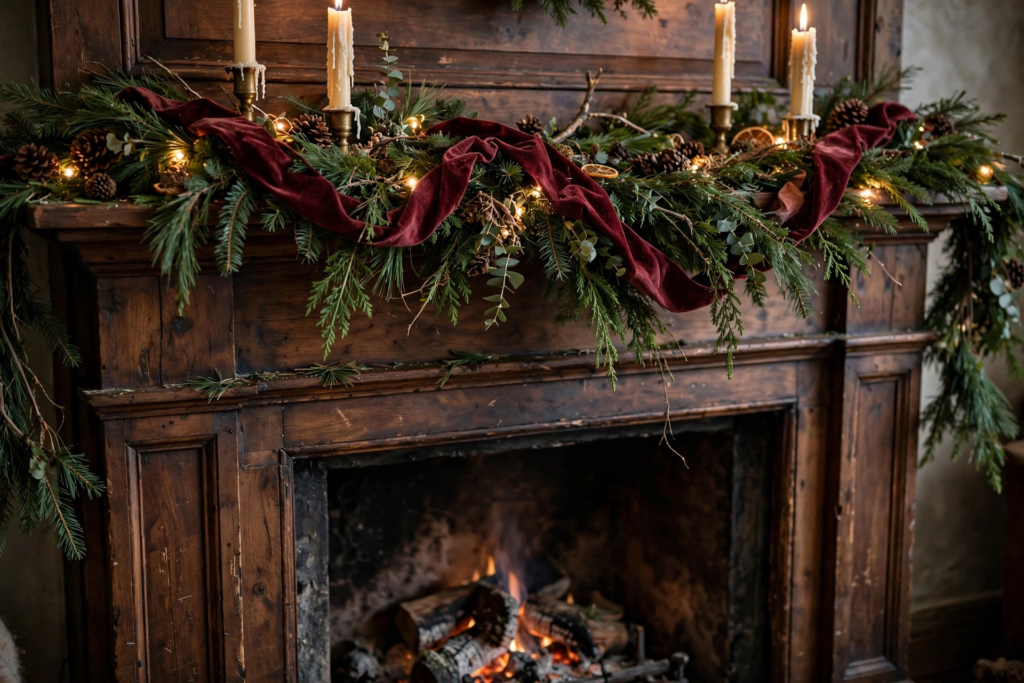
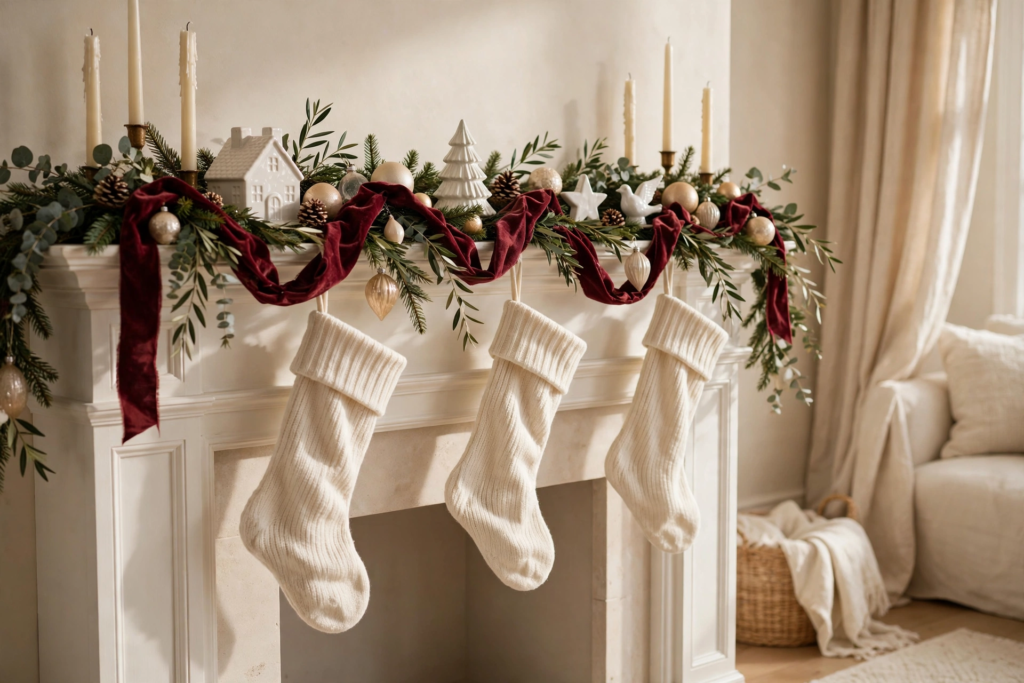
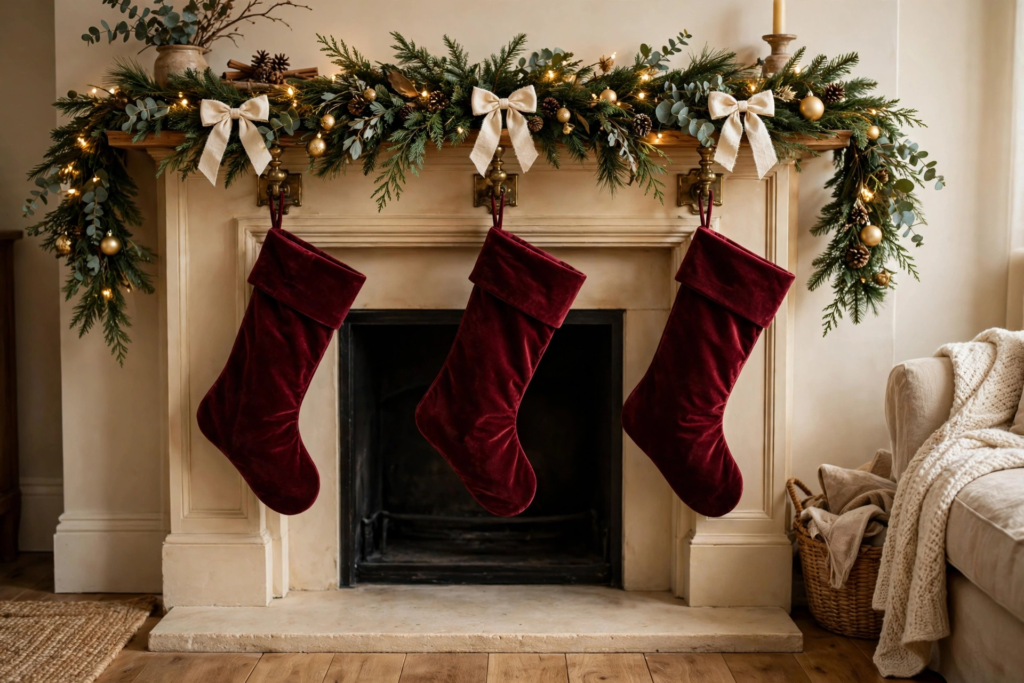
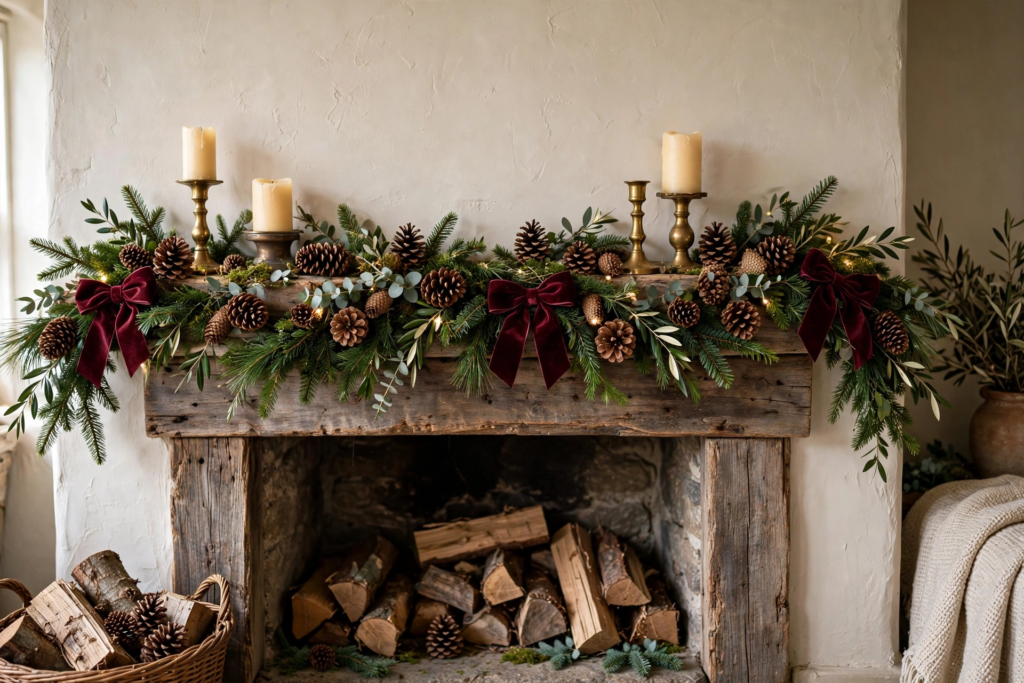
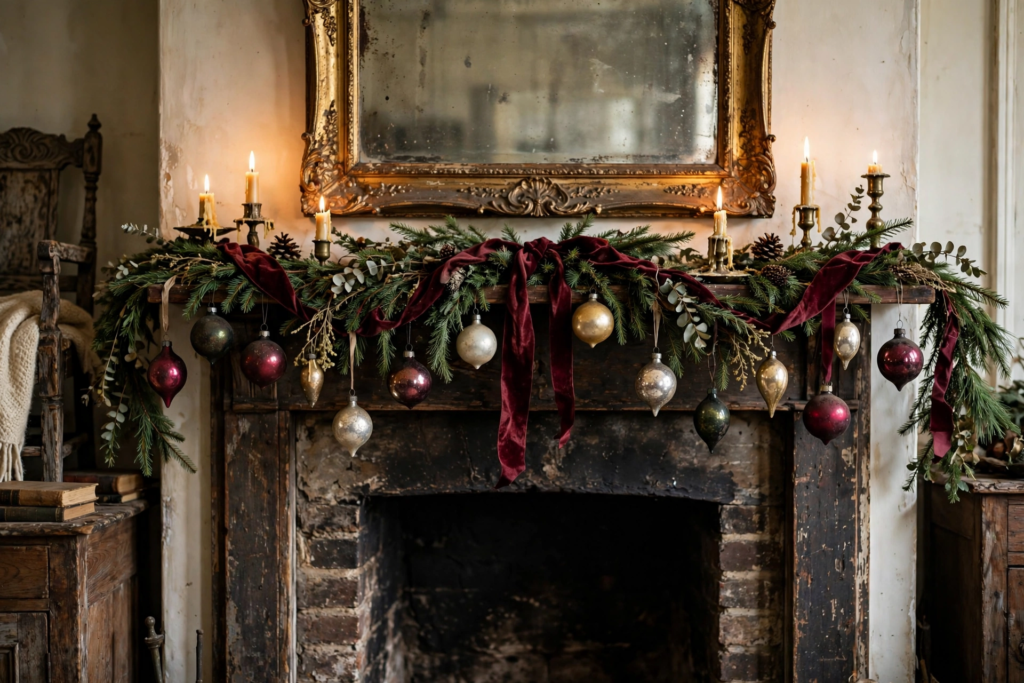
Burgundy velvet is one of those Christmas decorating details that can make a room feel warmer the moment it goes up. The deep red tone feels traditional without being overly bright, while velvet adds softness and a little old-world charm.
A burgundy velvet Christmas mantel can be as elaborate as a layered fireplace display or as simple as a few velvet bows tucked into evergreen branches. It works beautifully with brass, antique gold, cream, dark wood, pinecones, plaid, and warm white lights.
If your goal is a mantel that feels cozy, elegant, and collected rather than overly themed, these 21 ideas offer plenty of ways to use burgundy velvet throughout the holiday season.
1. Layer Burgundy Velvet Ribbon Over Evergreen Garland
Start with a lush evergreen garland across the mantel and weave wide burgundy velvet ribbon loosely through the branches.
Let some sections of ribbon drape naturally over the front edge instead of keeping everything perfectly symmetrical. Add a few pinecones and warm white lights to complete the display.
This is one of the easiest ways to get a classic Christmas mantel without buying a lot of decorations.
2. Add Oversized Burgundy Velvet Bows
Large velvet bows can become the main feature of a Christmas mantel.
Attach two or three oversized burgundy bows to the garland, fireplace sides, or mantel corners. Keep the greenery fairly simple so the rich velvet remains the focal point.
For a more traditional look, pair the bows with brass candlesticks and cream taper candles.
3. Pair Burgundy Velvet With Brass Candlesticks
Burgundy and brass are a natural combination for a warm Christmas mantel.
Arrange aged brass candlesticks among evergreen branches and add burgundy velvet ribbon or bows throughout the greenery. Use ivory taper candles to soften the darker colors.
The warm metal catches candlelight beautifully and keeps the deep burgundy from feeling too heavy.
4. Create a Burgundy and Cream Christmas Mantel
If you prefer a softer holiday palette, combine burgundy velvet with cream.
Use ivory stockings, cream taper candles, white ceramic houses, and pale ornaments alongside burgundy ribbon. Keep the greenery natural rather than adding too many additional colors.
The result feels cozy and elegant without looking overly formal.
5. Use Burgundy Velvet With Traditional Red and Green
Burgundy does not have to replace traditional Christmas colors. It can simply deepen them.
Layer burgundy velvet ribbon into a classic green garland and add a few traditional red ornaments, pinecones, and warm white lights.
The darker red tones give the familiar red-and-green combination a richer, more sophisticated appearance.
6. Style a Dark Wood Christmas Mantel
Burgundy velvet looks particularly beautiful against dark walnut or stained wood.
Use a simple evergreen garland with burgundy ribbon, antique brass accents, and a few cream ornaments. If the fireplace surround is made from dark wood, keep the mantel decorations slightly lighter to maintain contrast.
This combination works well in traditional, library-inspired, and Ralph Lauren-style interiors.
7. Add Burgundy Velvet Stockings
Swap ordinary Christmas stockings for burgundy velvet versions.
Hang matching stockings across the mantel or mix burgundy velvet stockings with cream or tartan designs. Add simple brass or antique-gold stocking holders for extra warmth.
If the stockings are already detailed, keep the garland relatively simple.
8. Mix Burgundy Velvet With Tartan Plaid
Tartan and burgundy velvet create an instantly traditional Christmas feeling.
Use a burgundy velvet ribbon alongside a tartan garland accent, plaid stockings, or a small plaid bow. Forest green and cream are especially useful for tying the two materials together.
This look feels at home in cottage, country, traditional, and classic interiors.
9. Create a Candlelit Burgundy Velvet Mantel
For an especially cozy evening display, make candlelight part of the mantel design.
Place brass or black candleholders among evergreen branches and use burgundy velvet ribbon as the main textile accent. Add warm white string lights for another layer of glow.
Keep burning candles safely separated from greenery, ribbon, and other flammable materials.
10. Decorate With Burgundy Velvet and Pinecones
Natural pinecones help balance the richness of velvet.
Layer a simple evergreen garland with burgundy velvet bows, natural pinecones, and a few warm brass ornaments. The combination of soft fabric and rough natural texture makes the mantel feel more relaxed.
This is a good choice if you want elegance without making the fireplace feel too formal.
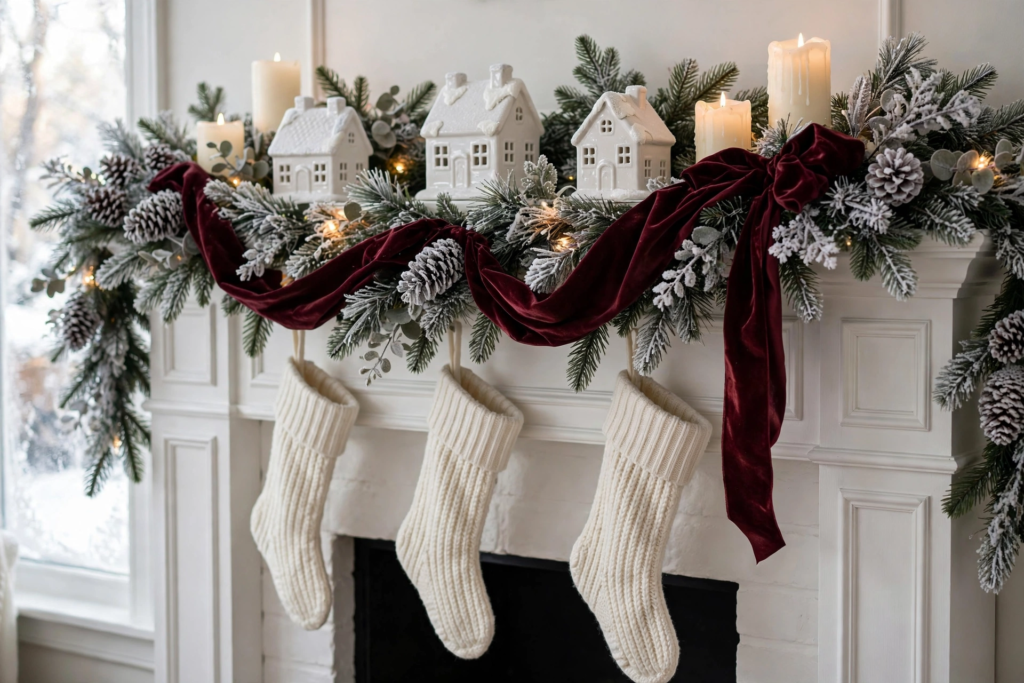
11. Add Burgundy Velvet to a White Fireplace
A crisp white fireplace provides an excellent background for deep burgundy velvet.
Use a thick green garland with burgundy ribbon, red berries, cream stockings, and antique gold accents. The contrast between the white surround and dark red fabric makes the mantel feel dramatic without requiring excessive decoration.
A few warm white lights will add softness after sunset.
12. Try a Burgundy, Forest Green, and Gold Palette
For a richer traditional Christmas mantel, combine three strong colors: burgundy, forest green, and muted gold.
Use burgundy velvet ribbon as the primary accent, deep evergreen branches for volume, and antique gold ornaments or candlesticks for highlights.
Keep the gold slightly aged rather than highly reflective for a more relaxed, collected look.
13. Style a Burgundy Velvet Mantel With Vintage Ornaments
Give the mantel an old-fashioned Christmas feeling by adding vintage-style ornaments.
Choose burgundy, cream, muted gold, and dark green ornaments with aged or slightly imperfect finishes. Tuck them into the evergreen garland alongside velvet ribbon.
A vintage mirror or traditional artwork above the fireplace can complete the arrangement.
14. Add Burgundy Velvet Bows to a Minimal Mantel
You do not need a large garland to use burgundy velvet.
For a minimalist display, place a small evergreen arrangement on one side of the mantel and add one oversized burgundy velvet bow. Balance it with a brass candlestick or a few cream ceramic pieces.
Leaving plenty of empty mantel space makes the velvet accent feel intentional.
15. Combine Burgundy Velvet With Dried Oranges
Dried orange slices add a warm natural color that works beautifully with burgundy.
Weave burgundy velvet ribbon through evergreen branches and add dried orange slices, pinecones, cinnamon sticks, and warm brass accents.
The orange brings a subtle rustic quality to the rich velvet while still feeling festive.
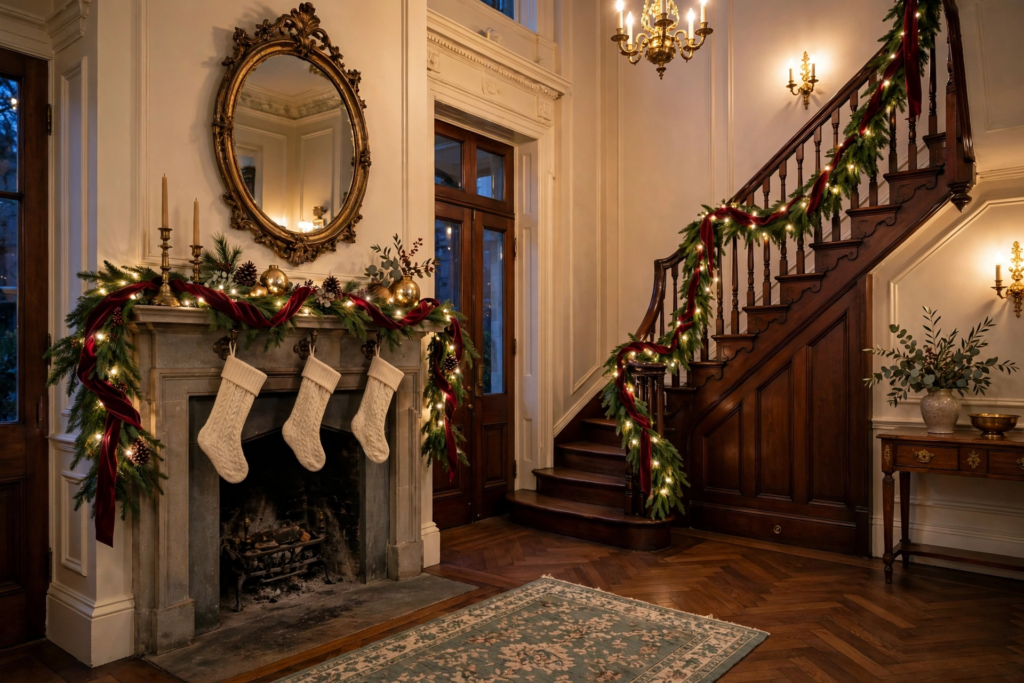
16. Create a Grand Burgundy Velvet Staircase Mantel
If your fireplace mantel sits near a staircase, extend the burgundy velvet theme beyond the fireplace.
Use matching velvet ribbon on the mantel garland and staircase greenery. Keep the ribbon style consistent while varying the amount of greenery in each area.
This creates a connected Christmas display without making every decoration identical.
17. Mix Burgundy Velvet With Antique Gold
Antique gold can make burgundy velvet look especially rich.
Add aged gold bells, candleholders, ornaments, or picture frames to an evergreen mantel. Use burgundy ribbon in broad sections rather than covering every part of the garland.
Cream candles and warm white lights can soften the metallic accents.
18. Create a Cozy Cottage Burgundy Mantel
For a more relaxed cottage look, combine burgundy velvet with natural materials.
Use evergreen branches, pinecones, woven baskets, cream stockings, wooden ornaments, and a few burgundy velvet bows.
Keep the materials slightly varied and imperfect. The result should feel like a real home decorated for Christmas rather than a perfectly coordinated showroom.
19. Style Burgundy Velvet With White Christmas Decor
For a dramatic winter-inspired mantel, use burgundy as the only strong color.
Pair it with white stockings, snowy-looking greenery, cream candles, white ceramic houses, and a few frosted ornaments.
The deep burgundy ribbon becomes the visual anchor while the lighter pieces keep the mantel bright.
20. Add Burgundy Velvet to a Traditional Christmas Mantel
If you already have a traditional red-and-green Christmas mantel, burgundy velvet can be an easy upgrade.
Replace some bright red ribbon with deep burgundy velvet. Keep the existing evergreen garland, red berries, brass pieces, and classic ornaments.
The darker textile adds depth without requiring you to completely redesign the mantel.
21. Create a Collected Burgundy Velvet Christmas Mantel
For the most layered look, combine several textures rather than trying to match everything.
Start with evergreen garland, then add burgundy velvet ribbon, velvet bows, brass candlesticks, cream stockings, vintage ornaments, pinecones, and a few natural accents.
Vary the heights and shapes of the decorations. The goal is a mantel that feels collected over time, with burgundy velvet acting as the thread that connects everything.
How to Decorate a Christmas Mantel With Burgundy Velvet
The easiest way to make burgundy velvet work is to choose one main textile and repeat it in smaller details.
For example, use burgundy velvet ribbon across the garland, then repeat the same color in stockings or two small bows.
A simple layering order is:
Evergreen garland
Warm white lights
Burgundy velvet ribbon
Larger ornaments or bows
Brass or antique-gold accents
Pinecones and natural elements
Stockings
Smaller decorative details
Do not feel like every inch of the mantel needs to be filled. Some open space helps the richer materials stand out.
What Colors Go With Burgundy Velvet for Christmas?
Burgundy works with more colors than traditional bright red.
Some of the easiest combinations include:
Forest green and burgundy
Cream and burgundy
Antique gold and burgundy
Burgundy and natural wood
Burgundy and tartan
White and burgundy
Burgundy and chocolate brown
Burgundy, blush pink, and cream
Burgundy and muted brass
For a cozy traditional mantel, forest green, cream, and aged brass are particularly easy to combine.
How to Make a Burgundy Velvet Mantel Look Expensive
Start with texture rather than quantity.
A wide velvet ribbon, natural evergreen branches, aged brass, substantial candleholders, and a few high-quality-looking ornaments can create more visual impact than dozens of small decorations.
Use different heights across the mantel, but avoid placing every tall object in the same area. Balance the arrangement from one side to the other while keeping it slightly relaxed.
Burgundy Velvet Christmas Mantel Ideas for Small Fireplaces
A small fireplace does not need a massive garland.
Use a narrow evergreen arrangement with one or two burgundy velvet bows. Add a pair of cream stockings and a small brass candlestick arrangement.
If your mantel is shallow, choose flatter decorations and keep tall pieces toward the back so the display does not feel crowded.
Common Burgundy Velvet Mantel Decorating Mistakes
Using Too Much Burgundy
Deep red is powerful. If the entire mantel is burgundy, the display can feel visually heavy. Let greenery, cream, and natural materials provide contrast.
Choosing Too Many Shiny Decorations
Highly reflective gold, red, and glitter can compete with velvet. Mix matte and aged finishes for a softer appearance.
Making the Garland Too Perfect
A slightly uneven garland with natural-looking branches usually feels more inviting than a perfectly symmetrical arrangement.
Blocking the Fireplace
Keep stockings, ribbon, and greenery safely away from the firebox and heat sources. Follow the safety guidance for your specific fireplace.
Forgetting the Room Around the Mantel
The mantel should relate to the rest of the room. Repeat burgundy in a pillow, throw, rug detail, or nearby Christmas decoration so it does not feel isolated.
Burgundy Velvet Christmas Mantel Checklist
Before you finish decorating, look for:
Evergreen garland
Burgundy velvet ribbon
One or more velvet bows
Warm white lights
Cream or burgundy stockings
Brass or antique-gold accents
Pinecones or natural greenery
A few larger ornaments
Different decoration heights
Some open space
Safe distance from heat and flames
Frequently Asked Questions
Is burgundy good for Christmas decorating?
Yes. Burgundy has the richness of traditional red but feels deeper and softer, making it especially suitable for elegant and cozy Christmas interiors.
What color goes best with burgundy velvet?
Forest green, cream, antique gold, natural wood, tartan, and warm white are all easy pairings. The best choice depends on whether you want a traditional, rustic, neutral, or dramatic look.
What ribbon looks best on a Christmas mantel?
Wide burgundy velvet ribbon is ideal for a rich traditional look. You can also mix it with tartan or cream ribbon if you want more pattern.
Can I use burgundy velvet in a modern home?
Absolutely. Use fewer decorations, clean greenery, simple brass pieces, and one or two velvet accents to keep the mantel contemporary.
How do I keep a burgundy mantel from looking too dark?
Add plenty of evergreen greenery, cream or white decorations, warm lighting, and natural wood. These lighter and natural elements help balance the deep burgundy.
Final Thoughts
A burgundy velvet Christmas mantel can make a fireplace feel instantly warmer and more inviting. The deep color brings traditional Christmas character, while velvet adds softness and a touch of old-fashioned elegance.
You do not need an elaborate collection to create the look. Start with greenery, add burgundy velvet ribbon or bows, then bring in a few contrasting materials such as brass, cream, wood, plaid, or pinecones.
Whether your style is traditional, cottage, rustic, or quietly elegant, burgundy velvet can give your Christmas mantel a rich seasonal focal point that still feels comfortable and lived in.
Nancy Meyers-inspired interiors have a way of making fall feel effortless. Think creamy walls, comfortable sofas, natural wood, soft lamps, classic patterns, fresh flowers, and kitchens that look ready for a long afternoon of cooking.
The best part is that you do not need to completely redecorate your home to get the look. A few warm textiles, autumn colors, vintage-style accessories, and natural materials can bring that cozy Nancy Meyers feeling into almost any room.
If you want a home that feels polished but still comfortable enough for everyday life, these 21 Nancy Meyers fall decor ideas are an easy place to start.
1. Layer the Living Room With Creamy Textiles
Start with the classic Nancy Meyers foundation: soft, comfortable neutrals.
Add a chunky cream throw to a sofa, layer a few oatmeal or beige cushions, and bring in a textured rug. The goal is warmth rather than perfect matching.
Natural fabrics such as linen, cotton, wool, and boucle work especially well during fall because they add visual depth without needing bold decorations.
2. Bring Warm Wood Into the Room
Natural wood instantly makes a neutral interior feel warmer.
Try a walnut coffee table, oak sideboard, wooden picture frames, or a vintage-style console. You can also introduce smaller pieces such as wooden bowls and cutting boards.
The combination of creamy upholstery and warm wood is one of the easiest ways to recreate the relaxed traditional interiors associated with Nancy Meyers movies.
3. Add Soft Autumn Colors
Fall does not have to mean covering the house in orange.
Instead, use muted versions of seasonal colors. Think caramel, rust, olive green, warm brown, dusty blue, burgundy, and muted terracotta.
A rust-colored pillow or olive throw can be enough to make a cream living room feel ready for autumn without overwhelming the space.
4. Make the Fireplace the Fall Focal Point
If you have a fireplace, let it become the natural gathering point of the room.
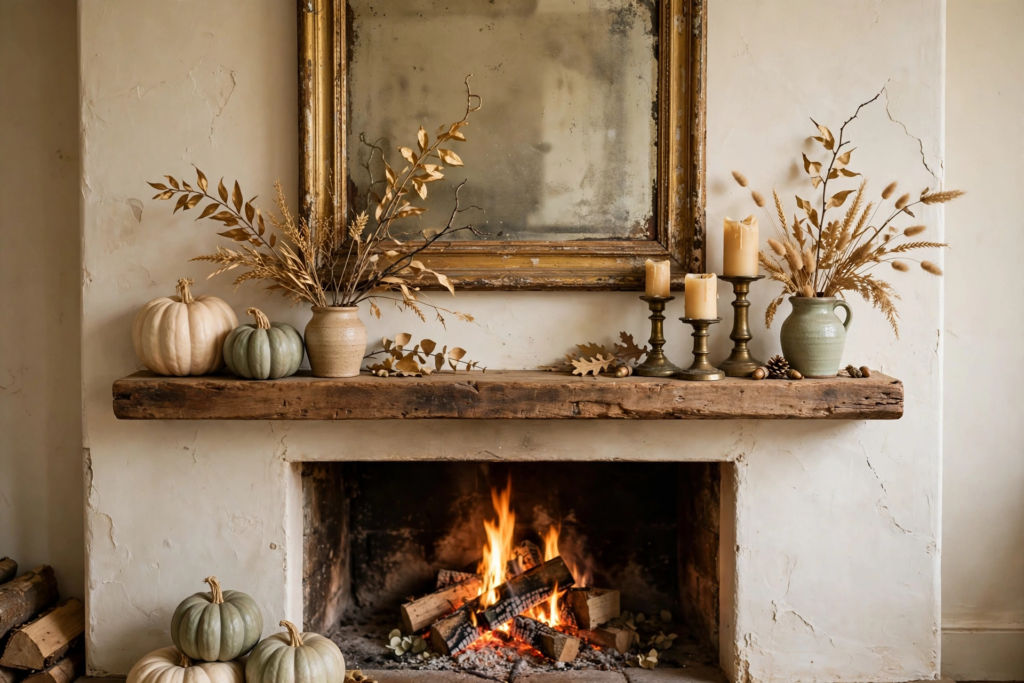
Keep the mantel simple with a combination of framed artwork, a ceramic vase, a few branches, and perhaps a small collection of candles. A woven basket filled with firewood can add another layer of texture.
Avoid filling every inch. Nancy Meyers-inspired rooms usually look collected rather than heavily decorated.
5. Create a Cozy Reading Corner
A comfortable reading chair can make an empty corner feel intentional.
Choose a classic upholstered chair in cream, camel, muted blue, or warm brown. Add a small wooden side table, a soft throw, and a traditional table lamp.
Place a basket of books or blankets nearby for an everyday detail that feels practical as well as decorative.
6. Style the Kitchen With Autumn Details
The kitchen is one of the most important rooms for this decorating style.
Keep your everyday dishes visible, then add a few seasonal touches. A wooden cutting board, ceramic pitcher, bowl of apples, small bunch of dried herbs, or vase of autumn branches can make the space feel warmer.
The key is to decorate around the kitchen rather than cover up the useful surfaces.
7. Add a Classic Plaid Accent
Plaid is an easy way to introduce fall without changing your entire color palette.
Try a plaid throw on an armchair, a small blanket folded over a bench, or a few subtle plaid napkins on the dining table.
Choose muted navy, cream, brown, olive, or burgundy instead of bright seasonal colors for a more timeless look.
8. Bring in Blue and Brown Together
Blue is a signature color in many traditional, comfortable interiors, and it works beautifully for fall.
Combine dusty blue or navy with walnut wood, camel leather, cream upholstery, and brass accents.
This palette feels autumnal without being overly seasonal, which means you can leave many of the pieces in place well after October.
9. Create a Warm Kitchen Breakfast Nook
A small breakfast nook can become one of the coziest areas of the house during fall.
Use a simple wooden table, comfortable upholstered chairs or a built-in bench, soft cushions, and a classic pendant light.
Add a ceramic vase with branches or seasonal flowers to the table. Keep the arrangement low enough that it does not interfere with conversation.
10. Use Brass Lighting for a Softer Glow
Lighting has a major effect on how cozy a room feels.
Swap harsh overhead lighting for table lamps, floor lamps, and wall sconces with warm bulbs. Brass or aged-brass finishes pair especially well with cream, wood, and autumn colors.
A classic lamp with a fabric shade can make even a simple side table feel inviting.
11. Add a Vintage-Style Rug
A traditional rug can instantly give a contemporary room more character.
Look for faded patterns with muted rust, navy, beige, olive, and brown tones. The slightly worn appearance is part of the appeal.
Use one underneath a coffee table, dining table, or bed to visually anchor the room while adding warmth underfoot.
12. Decorate With Autumn Branches
You do not need elaborate floral arrangements to bring fall indoors.
Place a few branches with muted leaves in a large ceramic or glass vase. Keep the arrangement loose and slightly imperfect.
This works particularly well on dining tables, kitchen islands, fireplaces, entryway consoles, and large coffee tables.
13. Make the Dining Room Feel Casual
Nancy Meyers-style dining rooms tend to feel elegant without being formal.
Use a wooden dining table, comfortable upholstered chairs, simple linen napkins, and understated tableware. Add a few candles and a small seasonal centerpiece.
For fall, warm cream plates, brown pottery, blue ceramics, or amber glass can create a beautiful seasonal table without obvious holiday decorations.
14. Add Amber and Tortoiseshell Glass
Small glass accessories can add beautiful warmth during fall.
Tortoiseshell-style accessories can also work in moderation, especially alongside dark wood, brass, cream, and warm leather.
15. Create a Comfortable Layered Bedroom
The bedroom should feel softer as temperatures drop.
Layer a neutral duvet with a quilt, folded throw, and several pillows. Add a textured rug beside the bed and warm bedside lamps.
Cream, oatmeal, dusty blue, camel, and muted brown make a particularly calming fall bedroom palette.
16. Bring in Leather Accents
A little leather can add depth to an otherwise soft interior.
A caramel leather chair, ottoman, bench, or small accent pillow works beautifully with cream upholstery and natural wood.
Choose worn or matte-looking leather rather than an extremely glossy finish for a more relaxed, traditional appearance.
17. Style an Autumn Entryway
The entryway is an easy place to introduce seasonal warmth.
Add a wooden console, traditional mirror, woven basket, small lamp, and a vase of branches. A plaid scarf or folded blanket can add a subtle seasonal reference without making the area feel themed.
If you have space, place a small bench underneath a row of hooks for a practical finishing touch.
18. Use Baskets for Cozy Storage
Woven baskets are both attractive and useful, making them perfect for this decorating style.
Use them for blankets, firewood, books, shoes, or children’s everyday items. Their natural texture looks especially good against cream walls and wood furniture.
Choose baskets with slightly varied shapes and natural finishes rather than buying a perfectly matching set.
19. Add Small Touches of Burgundy
Burgundy can make a neutral room feel instantly richer.
Use it sparingly through a velvet pillow, floral arrangement, artwork, candle, or folded throw.
Against cream walls and dark wood, a small amount of burgundy creates a classic autumn feeling without taking over the room.
20. Mix Traditional Pieces With Everyday Comfort
One reason Nancy Meyers-inspired rooms feel so appealing is that they rarely look overly designed.
Mix traditional furniture with comfortable modern pieces. Pair an antique-style mirror with a simple sofa, or place a vintage wooden cabinet beside a contemporary chair.
Small imperfections, books, useful objects, and personal pieces make the room feel like someone’s home rather than a showroom.
21. Finish With a Collected Fall Look
The final layer should feel gathered over time rather than purchased all at once.
Combine warm wood, cream upholstery, old books, ceramic pieces, soft blankets, traditional artwork, candles, autumn branches, and a few seasonal colors.
Leave some surfaces intentionally quiet. A collected room needs breathing space so each beautiful piece can be noticed.
How to Get the Nancy Meyers Fall Look Without Redecorating
You can create this style with a few simple changes.
Start with your living room. Add two warm pillows, a textured throw, and a vintage-style rug. Then introduce one natural material, such as a wooden tray, woven basket, or ceramic vase.
Next, improve your lighting. Place a table lamp on a console or side table and use warm bulbs in the evening.
Finally, bring fall into the kitchen with natural ingredients and useful objects. A bowl of apples, wooden cutting boards, ceramic pitchers, and fresh branches can create a seasonal atmosphere without looking overly decorated.
Best Nancy Meyers Fall Color Combinations
For a warm and timeless look, try these combinations:
Cream + walnut + rust
Warm white + navy + camel
Oatmeal + olive + natural wood
Cream + dusty blue + burgundy
Beige + chocolate brown + muted terracotta
Soft gray + caramel + aged brass
Ivory + faded blue + warm brown
Keep the main colors neutral and use autumn shades as accents. This makes the room feel seasonal without becoming visually heavy.
Small Ways to Get the Look on a Budget
You do not need expensive furniture to make a room feel more like a Nancy Meyers interior.
Start with textiles. Pillow covers, throws, curtains, and rugs can change the mood quickly.
Secondhand shops can also be useful for wooden side tables, traditional frames, ceramic vessels, lamps, and vintage-style rugs. Small imperfections often make these pieces more interesting.
If you only have money for one larger update, consider improving the lighting. A beautiful table lamp or pendant can change the atmosphere of an entire room.
Common Mistakes to Avoid
Using too much orange: A few autumn colors look sophisticated. Covering every surface in orange can make the room feel themed.
Making everything perfectly matched: Mix materials, patterns, and furniture styles to create a collected appearance.
Overdecorating the kitchen: Leave enough clear counter space for actual cooking and everyday use.
Ignoring lighting: Even beautiful fall decor can feel flat under harsh overhead lights.
Adding too many seasonal signs: You do not need pumpkins, signs, and autumn graphics everywhere. Natural materials and color are usually enough.
Choosing uncomfortable furniture: The Nancy Meyers look is rooted in comfort. Beautiful chairs and sofas should still invite people to sit.
Nancy Meyers Fall Decor Checklist
Before you finish decorating, check whether your room has:
Cream or warm neutral foundations
Natural wood
Comfortable upholstered furniture
One or two autumn accent colors
Warm layered lighting
Natural textiles
A vintage-style rug
Ceramic or glass accessories
Seasonal branches or flowers
Practical baskets
A few books or personal objects
Enough empty space to keep the room relaxed
Frequently Asked Questions
What is Nancy Meyers fall decor?
Nancy Meyers fall decor combines the warm, classic interiors associated with her films with subtle autumn colors and textures. Cream walls, natural wood, comfortable furniture, traditional patterns, warm lighting, and understated seasonal accents are common elements.
What colors work best for a Nancy Meyers fall home?
Cream, warm white, beige, camel, navy, dusty blue, olive, rust, brown, burgundy, and muted terracotta work particularly well. The best combinations usually balance warm neutrals with one or two deeper colors.
How can I make my home cozy for fall without using pumpkins?
Focus on texture and atmosphere. Add wool or linen throws, warm lamps, wood accents, traditional rugs, candles, dried branches, autumn-colored pillows, and heavier bedding.
Is the Nancy Meyers style modern or traditional?
It usually blends both. The spaces often have traditional architectural details and classic furniture, but they also include comfortable contemporary pieces and practical everyday elements.
How do I make a small home look like a Nancy Meyers interior?
Keep the color palette consistent, use comfortable but appropriately sized furniture, add natural wood, and avoid excessive accessories. Warm lighting and a few classic pieces can create the feeling without requiring a large space.
Final Thoughts
The charm of Nancy Meyers-inspired fall decor is that it never needs to look overly seasonal. The warmth comes from comfortable furniture, natural materials, soft lighting, classic colors, and details that make a room feel lived in.
Start with what you already own, then add a few autumn layers. A rust throw, vintage-style rug, wooden bowl, warm lamp, or vase of branches may be all you need to make your home feel noticeably cozier.
The best fall room is not the one with the most decorations. It is the one that makes you want to stay a little longer.
Sleek interiors in 2026 are moving beyond stark white rooms and ultra-modern furniture. The newer version feels warmer, more comfortable, and much easier to live with. Clean lines are still important, but they are being paired with natural wood, textured fabrics, sculptural lighting, softer colors, and carefully chosen vintage pieces.
If you love interiors that look polished without feeling cold, these 25 sleek interior design trends offer plenty of inspiration. You do not need to completely remodel your home either. A new light fixture, a warmer material, or a more streamlined storage solution can make a surprisingly big difference.
1. Warm Minimalism
Minimalist interiors are getting warmer. Instead of relying on bright white walls and bare surfaces, sleek homes are using cream, taupe, beige, warm gray, and natural wood to create a softer backdrop.
Keep the furniture simple and let texture do some of the decorating. A linen sofa, oak coffee table, wool rug, and ceramic lamp can make a minimal room feel finished without filling it with accessories.
2. Natural Wood With Clean Lines
Natural wood is becoming one of the easiest ways to soften a modern interior. Look for oak, walnut, ash, or similar finishes with simple silhouettes.
A streamlined walnut media console or pale oak dining table can bring warmth into an otherwise contemporary room. Choose pieces with visible grain rather than overly glossy finishes for a more relaxed appearance.
3. Sculptural Furniture
Furniture is becoming more architectural. Curved sofas, rounded lounge chairs, pedestal tables, and unusual side tables can act almost like artwork.
The trick is not to use sculptural shapes everywhere. Choose one or two memorable pieces and keep the surrounding furniture relatively quiet.
4. Soft Curves in Modern Rooms
Hard edges are making room for gentle curves. Rounded kitchen islands, curved sofas, arched mirrors, circular tables, and softly shaped headboards can make a sleek room feel more inviting.
Curves work especially well when paired with straight architectural elements such as large windows, rectangular rugs, or linear cabinetry.
5. Monochromatic Neutral Interiors
A single-color family can create an exceptionally polished room. Instead of matching everything exactly, layer several shades of the same neutral.
Try ivory walls with a beige sofa, oatmeal curtains, a taupe rug, and light wood furniture. The variation in texture keeps the room from looking flat.
6. Statement Stone
Stone is becoming more than a countertop material. Large slabs and expressive stone surfaces can create a strong focal point in kitchens, bathrooms, fireplaces, and entryways.
For a sleek look, allow the stone to stand out instead of surrounding it with too many competing patterns.
7. Fluted and Reeded Details
Fluted wood and reeded surfaces add subtle dimension without making a room feel busy. You will see this treatment on bathroom vanities, kitchen islands, media cabinets, doors, and room dividers.
It works particularly well in neutral interiors because the texture creates interest without needing bold color.
8. Integrated Storage Walls
One of the smartest sleek interior design trends for 2026 is making storage disappear into the architecture.
Floor-to-ceiling cabinetry can hide televisions, books, appliances, toys, and everyday clutter behind simple doors. Matching the cabinetry to the wall color makes the entire unit feel built in rather than bulky.
9. Minimalist Kitchens With Warm Materials
Modern kitchens are becoming less clinical. Sleek cabinetry is being combined with wood, natural stone, aged metal, and warm lighting.
Handleless cabinets can create a clean appearance, while a wooden island or stone backsplash adds enough texture to keep the kitchen welcoming.
10. Oversized Kitchen Islands
Large kitchen islands continue to serve as both functional work surfaces and visual anchors.
For a sophisticated look, keep the island relatively simple. A substantial stone surface, integrated seating, understated pendant lights, and concealed storage can make the kitchen feel intentional without appearing overdecorated.
11. Soft Architectural Lighting
Lighting is becoming more integrated into the architecture of the home. Instead of relying on one central ceiling fixture, sleek interiors use several layers.
Think recessed ceiling lights, concealed LED strips, wall sconces, under-cabinet lighting, and decorative lamps. Warm bulbs are especially useful for preventing minimalist rooms from feeling harsh at night.
12. Sculptural Pendant Lights
A sculptural pendant can completely change a simple room. Large paper-like shades, globe fixtures, organic forms, and oversized linear pendants can become focal points over dining tables or islands.
Keep the rest of the room restrained so the light fixture has room to breathe.
13. Textured Neutral Walls
Plain painted walls are getting more interesting through subtle texture. Limewash-inspired finishes, plaster effects, grasscloth-style surfaces, and softly mottled walls can give neutral rooms more depth.
Use these finishes selectively. A single feature wall can often create enough visual interest.
14. Dark Wood Accents
After years of pale Scandinavian-inspired wood dominating interiors, darker woods are bringing a richer feeling back into contemporary homes.
Walnut cabinetry, dark wood tables, shelving, and furniture can look especially elegant against cream walls and light upholstery.
15. Mixed Metal Finishes
Matching every metal finish in a room is no longer necessary. Brass, bronze, blackened metal, and stainless steel can coexist when they are used thoughtfully.
For example, a kitchen might combine aged brass cabinet hardware with stainless appliances and a dark bronze pendant. Repeating each finish at least once helps the combination feel intentional.
16. Minimalist Bathrooms With Spa Details
Sleek bathrooms are becoming calmer rather than simply more minimal. Large-format tile, floating vanities, frameless glass, simple hardware, warm wood, and soft lighting create a clean foundation.
Add one natural material, such as stone or wood, to prevent the bathroom from feeling too sterile.
17. Frameless Glass and Open Sightlines
Glass is helping homes feel larger without adding visual clutter. Frameless shower enclosures, glass doors, internal windows, and slim partitions can preserve sightlines between spaces.
This is particularly useful in smaller homes where solid walls can make rooms feel disconnected.
18. Low-Profile Furniture
Low sofas, streamlined media units, platform beds, and simple lounge chairs can make rooms feel more spacious.
This approach works beautifully in rooms with large windows because the lower furniture allows architectural features and natural light to remain visible.
19. Quiet Color Accents
Sleek interiors do not have to be completely neutral. Instead of using several bright colors, choose one restrained accent.
Deep olive, muted blue, terracotta, chocolate brown, dusty green, or burgundy can add personality while keeping the overall room sophisticated.
20. Curated Open Shelving
Open shelving works best when it is treated as a display area rather than extra storage for everything you own.
Combine a few books with ceramics, framed artwork, natural objects, and useful everyday pieces. Leave empty space between groups so the shelves retain a clean appearance.
21. Vintage Pieces in Contemporary Rooms
A sleek room can actually benefit from something old. A vintage wooden chair, antique mirror, traditional rug, or aged console can stop a modern space from feeling like a showroom.
The contrast between old and new creates character without sacrificing the clean overall design.
22. Seamless Indoor-Outdoor Living
Homes are increasingly designed to make the transition between inside and outside feel natural.
Large glass doors, similar flooring tones, outdoor seating, simple landscaping, and restrained exterior lighting can visually connect living rooms with patios and gardens.
23. Hidden Appliances and Clutter-Free Surfaces
The sleekest homes often have plenty of useful things, but they are simply less visible.
Built-in appliance garages, concealed refrigerators, integrated dishwashers, hidden charging stations, and closed storage can keep kitchens and living spaces looking calm during everyday use.
24. Layered Textures Instead of Excess Decor
When furniture and architecture are simple, texture becomes one of the easiest ways to add personality.
Pair smooth stone with rough wood, soft linen with leather, woven rugs with plaster walls, or brushed metal with ceramic accessories. The room can remain visually quiet while still feeling rich.
25. Collected Modern Interiors
Perhaps the most livable direction for 2026 is a home that combines sleek contemporary design with personal pieces.
Rather than buying an entire matching furniture set, mix clean-lined modern pieces with artwork, books, vintage finds, family objects, and items collected over time.
The result feels polished but still personal. That balance is what keeps a sleek interior from becoming cold or predictable.
How to Make Your Home Look Sleek Without Starting Over
You do not need a full renovation to bring these interior design trends into your home.
Start with the areas that create the most visual clutter. Replace mismatched storage with one streamlined piece, simplify open shelves, or hide everyday items inside baskets and cabinets.
Then introduce warmth. A wood side table, textured rug, linen curtains, or warm-toned lamp can immediately soften a contemporary room.
Finally, choose one strong feature. It could be a sculptural pendant, oversized artwork, statement stone surface, curved chair, or beautiful vintage piece. One memorable element often works better than filling the room with small decorations.
Best Color Combinations for Sleek 2026 Interiors
If you want a polished look, try one of these combinations:
Cream + walnut + aged brass for a warm sophisticated room
Soft white + pale oak + muted blue for a light contemporary space
Taupe + dark wood + olive green for a richer interior
Warm gray + black + natural stone for a modern minimalist look
Beige + chocolate brown + brushed bronze for a cozy upscale feel
Ivory + terracotta + natural oak for an earthy modern room
Soft green + cream + walnut for a relaxed organic interior
The key is to keep the base palette simple and use stronger colors selectively.
How to Get a Sleek Look on a Budget
You can create a more streamlined home without replacing everything.
Start by removing unnecessary visual clutter. Rearrange furniture so walkways are clear, group decorative objects together, and store items that do not need to remain visible.
Next, upgrade smaller details. Cabinet hardware, lighting, curtains, rugs, and mirrors can have a surprisingly large impact.
If you have more room in the budget, prioritize one substantial piece such as a sofa, dining table, bathroom vanity, or storage unit. A few well-chosen pieces usually create a stronger result than many inexpensive accessories.
Common Mistakes to Avoid
Making everything white: A completely white room can look clean, but without texture and warmth it may feel flat.
Using too many trends together: Pick a few ideas that suit your home rather than trying to recreate every trend in one room.
Overusing curves: Curved furniture looks beautiful, but too many rounded pieces can make the room feel visually confused.
Ignoring storage: A sleek room will quickly lose its appearance if everyday clutter has nowhere to go.
Choosing style over comfort: A beautiful sofa is not useful if nobody wants to sit on it. Sleek design should still work for real life.
Using only new furniture: Vintage or inherited pieces can give a contemporary room much-needed personality.
Sleek Interior Design Checklist
Before finishing a room, ask yourself:
Is the furniture easy to move around?
Does the room have enough hidden storage?
Are there different textures?
Is the color palette restrained?
Does the lighting work during both day and night?
Is there one clear focal point?
Are natural materials included?
Does the room still feel comfortable?
Have I left enough empty space?
Does the room feel personal rather than showroom-like?
Frequently Asked Questions
What is sleek interior design?
Sleek interior design focuses on clean lines, uncluttered spaces, simple silhouettes, quality materials, and thoughtful details. Modern sleek interiors often add natural wood, soft fabrics, warm colors, and organic shapes to make the style more comfortable.
What colors work best for a sleek home?
Warm whites, cream, beige, taupe, soft gray, natural wood tones, olive, muted blue, and chocolate brown work particularly well. Small amounts of black or deeper colors can provide contrast.
How can I make a small room look sleek?
Choose furniture with simple profiles, keep walkways open, use closed storage, limit decorative objects, and use mirrors or glass to maintain visual openness. A consistent color palette can also make a small room feel calmer.
Can sleek interiors still feel cozy?
Absolutely. Add linen, wool, wood, rugs, warm lighting, upholstered furniture, and personal objects. The goal is to reduce visual clutter, not remove comfort.
Is sleek interior design the same as minimalist design?
Not exactly. Minimalism usually places a stronger emphasis on reducing possessions and visual elements. Sleek interiors can be more layered while still maintaining clean lines and a polished appearance.
Final Thoughts
The most appealing sleek interiors of 2026 are not about making a home look empty. They are about making every visible element feel intentional.
Warm wood, sculptural furniture, natural stone, integrated storage, soft lighting, curved forms, and carefully chosen personal pieces can create a home that feels modern without becoming cold.
If you are updating your space, start small. Simplify one room, improve the lighting, add a natural material, and remove a little visual clutter. Those changes can often make a bigger difference than a complete makeover.
Fall decorating does not have to mean covering every surface with pumpkins, orange leaves, and seasonal signs. The coziest autumn homes usually take a softer approach, using warm colors, natural textures, candlelight, wood, and comfortable layers to create that unmistakable fall feeling.
A chunky throw over the sofa, a bowl of pears on the kitchen counter, dried branches in a vintage vase, or a warmer-toned rug can completely change the mood of a room.
If you want your home to feel snug, welcoming, and unmistakably autumnal without looking overly themed, these fall home decor ideas are a great place to start.
1. Layer the Living Room With Warm Throws
One of the easiest ways to make a room feel ready for fall is to add soft layers.
Drape a chunky knit or brushed cotton throw over the arm of a sofa or the corner of an accent chair. Choose warm shades such as camel, oatmeal, rust, cinnamon, or muted olive.
Do not worry about making the throw look perfectly folded. A casually placed blanket feels much more inviting.
2. Bring in Rich Autumn Colors
You do not need bright orange everywhere to make a home feel seasonal.
Try a sophisticated fall palette built around rust, terracotta, camel, chocolate brown, olive green, warm cream, and muted burgundy.
Pick two or three shades and repeat them throughout the room. This creates an autumn atmosphere without making the decor feel like a holiday display.
3. Add More Candlelight
Shorter days naturally make candlelight feel more appealing.
Place candles on a dining table, fireplace mantel, bathroom shelf, or coffee table. Mix pillar candles with smaller votives for varied heights.
Unscented candles are ideal when you simply want the visual warmth. If you prefer fragrance, try subtle notes such as cedar, vanilla, amber, apple, or sandalwood.
4. Style the Fireplace Mantel for Fall
The fireplace naturally becomes a focal point during autumn.
Keep the styling simple with a vintage mirror or artwork, dried branches, a few ceramic vessels, and candles. A small collection of pumpkins can work too, but varying their shapes and colors will look more natural than using identical decorations.
For a quieter look, stick with cream pumpkins, faded green gourds, and natural wood.
5. Bring in Dried Branches
Dried branches are one of the simplest ways to introduce an autumn feeling.
Place tall branches in a large ceramic vase or oversized glass vessel. Look for muted brown, golden, burgundy, or faded green tones.
They add height and seasonal color without requiring a large collection of fall decorations.
6. Swap in Heavier Textiles
As temperatures drop, replace lightweight summer textiles with richer materials.
A velvet cushion or wool throw can make a room feel warmer almost instantly, especially when paired with lighter everyday pieces.
7. Create a Cozy Reading Corner
Fall is a perfect excuse to create a small reading retreat.
Place a comfortable chair near a window or lamp, then add a soft throw, small side table, and warm floor lamp.
A basket filled with blankets or books nearby can make the corner feel even more inviting.
8. Use Wood to Warm Up Neutral Rooms
Natural wood works beautifully with fall colors.
Try a walnut coffee table, oak stool, wooden bowl, cutting board, or vintage console.
The combination of wood with cream, rust, olive, and caramel tones creates warmth without relying heavily on seasonal decorations.
9. Add a Fall-Inspired Entryway
Your entryway sets the tone for the rest of the home.
Add a small arrangement of dried branches, a woven basket, warm-toned runner, or seasonal wreath. A wooden bench with a folded blanket can also make the space feel practical and welcoming.
Keep the area functional so seasonal decorating does not interfere with everyday use.
10. Layer a Vintage-Style Rug
A faded rug can instantly make a room feel warmer and more established.
Look for muted patterns containing rust, burgundy, brown, cream, olive, or dusty blue.
A vintage-inspired rug works particularly well beneath a coffee table, dining table, or bed where its colors can anchor the rest of the room.
11. Decorate With Pumpkins in Muted Shades
Pumpkins are classic fall decor, but they do not have to be bright orange.
Cream, sage, dusty green, tan, and soft terracotta pumpkins create a more sophisticated look.
Group a few different sizes together on a mantel, entryway table, porch, or kitchen counter. Mixing real and decorative pumpkins can also add variety.
12. Make the Kitchen Feel Like Fall
The kitchen can get a seasonal refresh without becoming cluttered.
Display wooden cutting boards, ceramic pitchers, copper cookware, a bowl of apples or pears, and a small vase of autumn branches.
A linen tea towel in rust, olive, or brown can provide just enough seasonal color.
13. Add Plaid in Small Doses
Plaid is an easy shortcut to an autumn atmosphere.
Instead of covering the room in tartan, introduce it through one throw, cushion, table runner, or upholstered stool.
Brown-and-cream, olive-and-beige, or muted burgundy combinations feel especially warm and timeless.
14. Use Amber and Smoked Glass
Amber glass catches warm light beautifully.
Use amber vases, candle holders, small lamps, or decorative bottles on shelves and tables.
The translucent brown-gold color adds warmth while still feeling subtle enough for a sophisticated fall interior.
15. Create a Cozy Autumn Dining Table
You do not need elaborate table decorations to make dinner feel seasonal.
Start with a linen runner, natural wood or ceramic dinnerware, cloth napkins, and a simple centerpiece.
Add small pumpkins, dried leaves, branches, or candles for warmth. Keep the arrangement low enough that people can still comfortably talk across the table.
16. Bring Terracotta Into the Room
Terracotta is naturally suited to autumn.
A terracotta vase, planter, lamp base, bowl, or decorative object can add earthy warmth without overwhelming a neutral room.
Pair it with cream, natural wood, olive green, and warm brown for an especially relaxed palette.
17. Add Soft Lighting in Every Room
Fall decorating is not only about what you put in a room. It is also about how the room feels after sunset.
Add table lamps, floor lamps, sconces, and small accent lights where possible. Warm bulbs can make wood and autumn colors look considerably richer in the evening.
18. Bring Fall Into the Bedroom
Make the bedroom feel like a cozy retreat by layering heavier bedding and warmer colors.
Try cream sheets with a cinnamon or olive throw, a textured quilt, and a few soft cushions.
Add a wooden tray, ceramic vase, or warm bedside lamp to complete the seasonal feeling.
19. Style a Cozy Coffee Table
A coffee table needs only a few thoughtful pieces.
Stack two or three books, add a ceramic bowl, a candle, and a small vase with dried stems. A bowl of pears or apples can provide natural seasonal color.
Leave plenty of open space so the table remains useful.
20. Add an Autumn Scent
Scent can change the atmosphere of a home just as much as visual decor.
Try candles or diffusers with notes of cedar, amber, vanilla, cinnamon, sandalwood, baked apple, or clove.
Choose one or two complementary scents rather than using a different fragrance in every room.
21. Decorate With Natural Fall Finds
Some of the best fall decorations are free.
Collect fallen branches, pinecones, acorns, dried leaves, or interesting seed pods and display them in bowls, baskets, or simple vessels.
Natural imperfections make the arrangement feel much less manufactured.
22. Create a Collected Autumn Look
The most inviting fall interiors usually combine several small seasonal touches rather than relying on one large display.
Keep some of your everyday decor in place so the home still feels like itself. Fall should feel like an extra layer, not a complete personality change.
How to Make Your Home Feel Like Fall Without Overdecorating
The easiest way to decorate for autumn is to focus on texture, warmth, and atmosphere instead of adding seasonal objects everywhere.
Try this simple formula:
Warm color + natural texture + soft lighting + one seasonal detail
For example, a cream sofa with a rust-colored wool throw, a wooden coffee table, and one ceramic pumpkin can feel more autumnal than an entire shelf covered in seasonal signs.
You can also rotate textiles instead of buying new decor. Store lightweight summer cushions and replace them with velvet, wool, plaid, or heavier cotton covers.
Cozy Fall Color Combinations to Try
Cream + Rust + Natural Wood
A classic combination that works beautifully in living rooms and bedrooms.
Olive + Camel + Ivory
Soft, earthy, and slightly more sophisticated than traditional orange-heavy fall decor.
Chocolate Brown + Beige + Burgundy
Perfect for creating a rich, cozy atmosphere.
Terracotta + Warm White + Walnut
Earthy and relaxed, especially good for kitchens and dining spaces.
Dusty Blue + Camel + Rust
A less expected combination that feels warm without becoming overly traditional.
Fall Decor Ideas on a Budget
You do not need a shopping spree to make your home feel seasonal.
Rearrange furniture to create cozier seating areas.
Move lamps closer to seating areas.
Add inexpensive pillow covers in fall colors.
Collect branches and pinecones from outdoors.
Shop secondhand for baskets, pottery, and wooden pieces.
Display seasonal fruit in a ceramic bowl.
Use existing blankets in warmer colors.
Repurpose glass jars as candle holders or vases.
Rearrange books by warmer color tones.
Add one inexpensive seasonal plant or dried arrangement.
The goal is to change the atmosphere, not replace the room.
Common Fall Decorating Mistakes to Avoid
Using Too Much Orange
Orange can be beautiful, but using it everywhere can make a room feel overly themed. Mix it with cream, brown, olive, or muted blue.
Filling Every Surface With Pumpkins
A few well-placed pumpkins usually look better than dozens scattered throughout the house.
Ignoring Lighting
Even beautiful fall colors can feel flat under harsh white lighting. Warm, layered light makes a huge difference.
Forgetting Texture
Color alone does not create coziness. Add wool, linen, wood, woven baskets, velvet, ceramic, and other tactile materials.
Making the Decor Too Perfect
Fall should feel relaxed. Slightly rumpled throws, imperfect branches, and naturally arranged objects often look more inviting.
Fall Home Decor Checklist
☐ Warm autumn color accents ☐ Cozy throw blankets ☐ Heavier pillows or cushion covers ☐ Candles or warm lamps ☐ Natural wood accents ☐ Dried branches or seasonal greenery ☐ Vintage-style rug ☐ Muted pumpkins or gourds ☐ Fall-inspired kitchen details ☐ One plaid accent ☐ Warm bedroom layers ☐ Seasonal dining table centerpiece ☐ Natural fall finds ☐ Autumn-inspired scent ☐ Plenty of comfortable seating
Frequently Asked Questions
How can I make my house feel cozy for fall?
Start with soft lighting, warm textiles, natural wood, earthy colors, candles, and comfortable seating. You can create a noticeable autumn atmosphere without adding lots of seasonal decorations.
What colors are best for fall home decor?
Rust, terracotta, camel, chocolate brown, olive, cream, burgundy, warm beige, and muted gold are all excellent fall decorating colors.
How do I decorate for fall without making my home look cluttered?
Choose a small number of seasonal accents and focus on texture instead of quantity. A wool throw, dried branches, candles, and a muted pumpkin arrangement can be enough.
Can fall decor work in a modern home?
Absolutely. Use fewer seasonal objects and focus on materials such as wood, stone, linen, wool, ceramic, and glass. A restrained palette of cream, rust, brown, and olive can work beautifully in modern spaces.
When should I start decorating for fall?
You can begin adding subtle autumn touches as soon as the weather starts becoming cooler. Start with textiles, lighting, and natural elements, then add more seasonal pieces as fall progresses.
Final Thoughts
The best fall home decor does not need to shout “autumn.” It should simply make the home feel warmer, softer, and more inviting.
Start with a cozy throw, warm lighting, natural wood, a few earthy colors, and something seasonal from nature. Then build slowly.
Whether you add a complete autumn makeover or simply place a bowl of pears on the kitchen counter and light a candle in the evening, the goal is the same: create a home that feels especially good to come back to when the days get cooler.
Fall is the perfect excuse to make your bedroom feel softer, warmer, and a little more inviting. You do not need to replace every piece of furniture or completely redecorate the room. Sometimes, changing the bedding is enough to give the whole space that cozy autumn feeling.
The easiest way to create a warm fall bedroom is to combine layered bedding, comfortable textures, and autumn-friendly colors. Think creamy cotton sheets, chunky knit blankets, quilted coverlets, velvet pillows, warm browns, muted greens, rust, burgundy, and soft amber.
If you are looking for cozy fall bedding ideas, these 21 combinations offer plenty of inspiration for everything from a neutral bedroom to a rich traditional space.
1. Cream, Camel, and Warm Brown
Cream bedding is an easy starting point for a warm fall bedroom. Layer ivory sheets with a camel duvet, warm brown throw, and a few textured pillows.
The combination feels cozy without making the room look overly seasonal. Add a wood nightstand and a warm table lamp to bring out the earthy tones.
Best for: Neutral, farmhouse, and transitional bedrooms.
2. Rust and Soft Cream
Rust is one of those colors that instantly feels like autumn without becoming too bright.
Pair rust-colored pillows or a quilt with cream sheets and an oatmeal-colored duvet. A faded rust throw at the foot of the bed adds just enough color while keeping the room relaxed.
Try this: Choose a slightly muted rust rather than bright orange for a more sophisticated look.
3. Olive Green and Oatmeal
Olive green works beautifully with warm neutrals. Use oatmeal sheets, an olive quilt, and cream or beige pillows.
Natural wood furniture and woven baskets make this palette feel especially comfortable. It also transitions nicely from fall into winter without needing a complete bedding change.
4. Burgundy and Blush
For something richer, combine deep burgundy with dusty blush.
Keep the largest bedding pieces neutral, then use burgundy pillows and a blush throw for contrast. Brass lamps or warm wood furniture help prevent the pink from feeling too spring-like.
This is a great option if you want cozy autumn bedding with a softer, romantic mood.
5. Chocolate Brown and Ivory
Chocolate brown makes a bedroom feel warm almost immediately.
Try ivory sheets beneath a chocolate brown duvet or quilt. Add a lighter beige throw and a few linen pillows to keep the darker color from taking over.
This combination looks particularly beautiful with walnut furniture and warm lighting.
6. Terracotta and Beige
Terracotta brings a subtle earthy warmth to the bedroom.
Pair it with beige, oatmeal, or natural linen. A terracotta lumbar pillow at the front of the arrangement can be enough if you prefer mostly neutral bedding.
Complete the look with ceramic accessories and natural wood.
7. Forest Green and Cream
Deep green gives fall bedding a classic, slightly moody character.
Use cream sheets, a forest green quilt, and a few patterned pillows. Add dark wood furniture or antique-style brass lighting for a traditional bedroom feel.
This palette can easily work beyond autumn, making it a practical choice for year-round bedding.
8. Rust, Navy, and Cream
Rust and navy create a striking contrast while cream keeps the combination balanced.
Start with cream bedding, then add a navy quilt and rust-colored pillows or throw blankets. A striped accent pillow can tie the colors together without adding too much pattern.
Best for: Traditional, cottage, and classic bedrooms.
9. Sage Green and Warm White
Fall does not have to mean dark colors.
Sage green paired with warm white creates a lighter version of cozy autumn bedding. Add a chunky cream knit blanket and natural wood accents for texture.
This works particularly well in bedrooms with lots of natural light.
10. Caramel, Cream, and Black
Caramel adds warmth while small touches of black give the room structure.
Try cream sheets, a caramel quilt, black accent pillows, and dark metal lighting. Keep black to a few details rather than making it one of the dominant bedding colors.
The result feels modern but still cozy.
11. Dusty Blue and Warm Brown
Dusty blue may not be the first color you associate with fall, but it pairs beautifully with warm brown.
Use a soft blue quilt with cream sheets and chocolate or walnut-colored accents. The cooler blue creates contrast while the brown keeps the room feeling warm.
12. Burgundy, Cream, and Plaid
A plaid blanket is one of the easiest ways to make a bedroom feel ready for fall.
Keep the base bedding cream or ivory, then add a burgundy plaid throw across the foot of the bed. A couple of solid burgundy pillows can repeat the color without making the pattern feel overwhelming.
13. Warm Taupe and Caramel
For a calm and understated bedroom, combine warm taupe with caramel.
Use taupe sheets or a duvet, then add caramel pillows and a chunky knit blanket. Different textures are especially important here because the colors are intentionally quiet.
Try linen, cotton, wool-look knits, and soft woven fabrics together.
14. Cream, Rust, and Natural Linen
Natural linen has a relaxed texture that works beautifully for fall.
Pair cream linen sheets with a rust-colored quilt and a beige or oatmeal throw. The slightly rumpled texture of linen keeps the bedding from looking too formal.
Add dried branches in a simple ceramic vase for a subtle seasonal touch.
15. Mustard, Brown, and Ivory
Mustard yellow adds a cheerful autumn accent without looking like bright summer yellow.
Keep ivory as the base and use mustard on one or two pillows. Brown blankets and wood furniture ground the palette.
If mustard feels too strong, look for a muted ochre shade instead.
16. Camel, Cream, and Burgundy
This combination has a classic, collected feel.
Start with cream sheets and a camel duvet. Add a burgundy throw or lumbar pillow for depth. A vintage-style rug and dark wood nightstands can make the whole bedroom feel especially inviting.
17. Deep Plum and Oatmeal
Deep plum brings a richer alternative to traditional burgundy.
Pair plum pillows or a quilt with oatmeal bedding and warm beige accents. Brass lighting works particularly well with this color combination.
Keep the rest of the room simple so the plum remains the focal point.
18. Forest Green, Camel, and Cream
For a traditional autumn bedroom, this combination is hard to beat.
Use cream sheets, a forest green quilt, camel pillows, and a warm brown or tan throw. Add leather, wood, or brass details to give the room more depth.
19. Soft Gray, Burgundy, and Cream
Soft gray gives burgundy a slightly more contemporary backdrop.
Try light gray sheets or a duvet with burgundy pillows and an ivory throw. Add brushed brass or warm wood accents to keep the palette from becoming too cool.
This is an easy choice for a modern bedroom.
20. Cinnamon, Cream, and Olive
Cinnamon and olive create a distinctly autumn-inspired combination.
Use cream as the main bedding color, then bring in cinnamon through pillows or a quilt and olive through a throw or accent cushion.
Add woven baskets and natural wood for an earthy finish.
21. Layered Neutrals With a Plaid Throw
If you prefer neutral bedrooms, you do not need bold autumn colors to make the space feel seasonal.
Layer ivory sheets, a beige duvet, an oatmeal quilt, and a chunky cream blanket. Finish with a subtle brown or beige plaid throw at the foot of the bed.
The different textures create warmth while keeping the color palette calm.
How to Layer Bedding for a Cozy Fall Bedroom
A beautiful fall bed is usually about layers rather than matching everything perfectly.
Start with comfortable sheets. Add a duvet or quilt, then place a folded blanket across the bottom third of the bed. Finish with two or three sleeping pillows and a few decorative cushions.
A simple formula is:
Sheets + duvet + quilt + throw + textured pillows
You do not have to use every layer every night. Decorative blankets can simply sit folded at the foot of the bed.
Best Bedding Fabrics for Fall
The material you choose can make as much difference as the color.
Cotton
Cotton is breathable and easy to care for. Look for brushed or washed cotton if you want a softer fall feel.
Linen
Linen has a relaxed, slightly imperfect texture that works beautifully with earthy autumn colors.
Velvet
Velvet is best used as an accent through pillows or a small throw. It adds richness without making the whole bed feel heavy.
Quilted Cotton
A quilt is one of the easiest fall bedding additions because it adds texture and warmth while remaining relatively lightweight.
Chunky Knits
A knitted throw instantly makes a bed look cozy. Choose cream, oatmeal, camel, or muted autumn shades for an understated look.
How to Choose a Fall Bedding Color Palette
If you are unsure where to begin, look at the existing colors in your bedroom.
For a neutral bedroom, try cream, camel, taupe, rust, or olive.
For a dark bedroom, consider cream, burgundy, caramel, or dusty blue to create contrast.
For a traditional bedroom, forest green, burgundy, plaid, camel, and warm brown work especially well.
For a modern bedroom, try soft gray, cream, chocolate brown, sage, or muted rust.
The easiest approach is to choose one main color, one supporting neutral, and one smaller accent color.
Easy Ways to Make Fall Bedding Feel More Expensive
You do not need expensive designer bedding to get a polished look.
Keep the main bedding colors simple.
Mix at least two or three textures.
Use a larger duvet or comforter with enough drape around the mattress.
Add one quality-looking throw instead of several small blankets.
Choose pillows in different shapes and sizes.
Repeat one accent color elsewhere in the bedroom.
Keep nightstands relatively uncluttered.
Use warm bulbs instead of very cool white lighting.
The goal is not to make the bed look perfectly staged. A little softness and imperfection usually makes a bedroom feel more comfortable.
Fall Bedding Ideas on a Budget
Changing every piece of bedding each season can get expensive quickly. Instead, keep your everyday sheets and duvet neutral and rotate a few inexpensive accents.
A rust pillowcase, plaid throw, textured blanket, or olive cushion can change the appearance of the bed without requiring a whole new bedding set.
You can also shop your own home. A neutral blanket from the living room or a spare quilt can sometimes work beautifully at the foot of the bed.
Common Fall Bedding Mistakes to Avoid
Using Too Many Autumn Colors
Rust, orange, burgundy, mustard, brown, green, and red can all work individually. Using all of them at once can make the room feel visually busy.
Choose two or three main colors instead.
Making Everything Match
A perfectly matching bedding set can look flat. Mix solids, subtle patterns, and different textures for more depth.
Ignoring the Room’s Existing Colors
Your bedding should work with your walls, flooring, curtains, and furniture. If the room already has strong colors, keep the bedding simpler.
Adding Too Many Heavy Layers
More blankets do not always mean more comfort. Choose layers according to your climate and sleeping preferences.
Forgetting the Rest of the Bedroom
A beautiful bed can look disconnected if everything around it stays stark and cold. Add a warm lamp, small rug, wood accents, or soft curtains to complete the feeling.
Cozy Fall Bedding Checklist
Before you finish your bedroom update, check for:
Comfortable sheets
One warm duvet or comforter
A quilt or coverlet
One textured throw
Two to four accent pillows
A balanced autumn color palette
At least two different textures
Warm bedroom lighting
Natural or wood accents
A little seasonal detail without clutter
Frequently Asked Questions
What colors are best for fall bedding?
Warm neutrals, rust, terracotta, burgundy, forest green, olive, caramel, chocolate brown, mustard, and deep plum all work well for fall bedding.
How can I make my bed look cozy for fall?
Layer different textures such as cotton sheets, a quilt, a duvet, and a chunky throw. Add a few pillows in warm autumn colors and keep the lighting soft.
Does fall bedding have to be orange?
Not at all. Cream, brown, olive, burgundy, forest green, taupe, dusty blue, and rust can all create a cozy autumn bedroom without using traditional orange.
How many blankets should I put on a fall bed?
There is no fixed number. One duvet or comforter plus a quilt or throw is usually enough visually. Add more only if you actually need the extra warmth.
How can I make neutral bedding feel more like fall?
Add texture and one or two seasonal colors. A rust throw, brown plaid blanket, olive pillow, or burgundy accent can make neutral bedding feel instantly warmer.
Final Thoughts
A cozy fall bedroom does not require a dramatic makeover. The right fall bedding combination can change the entire mood of the room with very little effort.
Start with a comfortable neutral base, bring in one warm autumn color, and then add texture through quilts, throws, linen, velvet, or chunky knits. Whether you prefer rich burgundy and forest green or quiet cream and camel, there is plenty of room to make the look your own.
The best fall bedroom is not necessarily the one with the most decorations. It is the one that makes you want to climb into bed when the evenings get cooler.
There is something instantly comforting about a Nancy Meyers interior. The rooms feel polished, but never precious. Kitchens are bright and practical, sofas look genuinely comfortable, shelves hold books and collected objects, and everything seems to have a story.
You do not need a sprawling movie-set house to get the look. The Nancy Meyers style is surprisingly approachable because it relies on timeless furniture, warm neutrals, natural light, classic patterns, and everyday details that make a home feel lived in.
If you love cozy kitchens, creamy walls, linen sofas, vintage accents, and rooms that feel elegant without trying too hard, these simple Nancy Meyers home ideas are a great place to start.
1. Start With Warm White Walls
Warm white is one of the easiest ways to create the Nancy Meyers look.
Instead of a stark, cool white, choose shades with subtle cream or beige undertones. They reflect natural light beautifully and create a soft background for wood furniture, artwork, textiles, and greenery.
If your walls are already white, you may not need to repaint. Simply warm up the room with natural wood, woven textures, and creamy fabrics.
2. Add a Large Comfortable Sofa
Nancy Meyers interiors rarely feel like formal rooms where nobody is allowed to sit.
Choose a sofa with generous proportions and soft upholstery. Cream, oatmeal, beige, and light gray are especially versatile.
Add a few relaxed pillows rather than arranging dozens of decorative cushions. The sofa should look inviting enough for a long movie night or an afternoon with a book.
3. Use Natural Wood Throughout the Home
Wood brings the warmth that keeps neutral Nancy Meyers interiors from feeling bland.
Try oak dining tables, walnut consoles, wooden coffee tables, open shelves, or simple antique side tables.
You do not need every piece to match. A combination of pale and darker woods often feels more natural and collected.
4. Create a Kitchen With a Furniture-Like Feel
The Nancy Meyers kitchen is usually one of the most memorable parts of the home.
Rather than making every surface ultra-modern, combine traditional cabinetry with comfortable materials. Think creamy cabinets, natural stone counters, aged brass hardware, wood accents, and classic lighting.
A large island can become the center of the room, especially when paired with comfortable stools and a few everyday objects.
5. Bring in Linen Everywhere
Linen instantly adds softness and casual elegance.
Use it for curtains, bedding, sofa cushions, table runners, or upholstered furniture. Cream, oatmeal, natural flax, and soft white are easy starting points.
Do not worry about keeping linen perfectly smooth. Its relaxed wrinkles are part of what makes the Nancy Meyers look feel authentic.
6. Mix Blue With Cream
Blue and cream are practically made for this style.
Try dusty blue kitchen cabinets, navy accent chairs, blue-and-white ceramics, striped cushions, or a soft blue bedroom.
For a particularly timeless combination, pair muted blue with warm white, natural wood, and brass.
7. Add a Classic Farmhouse Sink
A deep apron-front sink can instantly give a kitchen that familiar, traditional character associated with Nancy Meyers interiors.
If replacing the sink is not practical, you can still capture the feeling through surrounding details such as brass hardware, ceramic pitchers, wooden cutting boards, and open shelving.
The goal is a kitchen that feels useful and welcoming rather than overly designed.
8. Style Open Shelves With Everyday Pieces
Open shelving works best when it looks functional.
Display stacks of dishes, ceramic bowls, drinking glasses, cookbooks, wooden boards, and a few pieces of artwork.
Leave some empty space between groups. A shelf packed from edge to edge will feel cluttered rather than casually collected.
9. Add a Cozy Breakfast Nook
A small breakfast area can make a kitchen feel much more personal.
Place a round wooden table near a window and surround it with comfortable chairs or a built-in bench. Add a simple pendant light and a vase of seasonal branches.
Even a tiny corner can become one of the most charming spots in the house.
10. Choose Traditional Lighting
Lighting has a major influence on the cozy Nancy Meyers atmosphere.
Look beyond basic recessed lights and add pendants, table lamps, sconces, and floor lamps with classic shapes.
Linen shades, aged brass, ceramic bases, and warm bulbs all help create the soft layered lighting that makes these rooms feel inviting after sunset.
11. Bring in Blue-and-White Ceramics
Blue-and-white pottery is an easy way to add pattern without overwhelming a neutral room.
Use it on kitchen shelves, dining tables, bathroom counters, or living room consoles.
You can mix different patterns instead of buying a perfectly matching collection. Slight variation makes the display feel more collected.
12. Use Stripes as a Neutral
Stripes are one of the easiest patterns for this decorating style.
Try ticking stripes on cushions, wider stripes on curtains, or subtle striped upholstery on a chair.
Navy and cream are classic, but beige, gray, muted green, and faded blue stripes can work just as well.
13. Add a Vintage or Antique Piece
A room can feel instantly more interesting when something looks as though it has been around for years.
Try a vintage mirror, antique console, old wooden stool, traditional lamp, framed painting, or secondhand side table.
The piece does not need to be valuable. What matters is its shape, material, and ability to give the room some history.
14. Create a Relaxed Home Office
Nancy Meyers-style offices feel like rooms where someone might actually enjoy working.
Choose a substantial wooden desk, comfortable upholstered chair, traditional lamp, bookshelves, and a few personal objects.
Instead of creating a perfectly minimal workspace, allow books, artwork, stationery, and collected pieces to give the room personality.
15. Make the Dining Room Feel Casual
A formal dining room does not have to feel stiff.
Use a substantial wooden table, comfortable chairs, soft lighting, and simple tableware. Add a bowl of fruit, seasonal greenery, or a ceramic vase instead of an elaborate centerpiece.
The best version of this style looks ready for both a weekday dinner and a holiday gathering.
16. Add a Window Seat
If your home has a suitable window, turn it into a small retreat.
A built-in bench with a comfortable cushion, a few pillows, and simple curtains can create a charming reading spot.
Even without a built-in seat, placing a small upholstered bench near a bright window can create a similar feeling.
17. Use Glass-Front Cabinets
Glass-front cabinetry adds visual interest without making a kitchen feel busy.
Use it to display everyday dishes, glassware, cookbooks, or ceramics.
The trick is to keep the contents relatively restrained. A few repeated colors will make the cabinets look intentional while still feeling practical.
18. Bring in Fresh Greenery
Greenery adds life to the soft neutral palette.
Use eucalyptus, olive branches, hydrangeas, leafy houseplants, or simple seasonal flowers. Place them in ceramic pitchers, glass vases, stone containers, or vintage vessels.
Fresh greenery does not need to dominate the room. A small arrangement on a kitchen island or dining table can be enough.
19. Choose Comfortable Upholstered Chairs
A Nancy Meyers-style home is designed around comfort.
Add an upholstered armchair to a living room corner, a pair of dining chairs with soft fabric, or a comfortable reading chair beside a lamp.
Look for classic shapes in cream, camel, muted blue, olive, or warm gray.
20. Layer Rugs for Warmth
Rugs help give these interiors their relaxed, established feeling.
A large neutral rug can anchor a living room, while a smaller vintage-style rug can add character to a kitchen or hallway.
Look for subtle patterns, faded colors, and natural-looking textures rather than overly bold contemporary designs.
21. Use a Mix of Old and New
One of the easiest ways to avoid a showroom look is to mix furniture from different periods.
Pair a modern linen sofa with an antique coffee table. Put a contemporary lamp on an old wooden console. Add a vintage rug beneath newer furniture.
The contrast creates the impression of a home that has evolved naturally.
22. Keep the Decor Personal and Useful
The Nancy Meyers look is not about decorating every empty surface.
Instead, use things that could realistically belong in the home. Stack cookbooks in the kitchen, keep a bowl of fruit on the counter, display favorite ceramics, or place a few books beside a reading chair.
The little practical details are what make the room feel believable.
23. Let the Home Feel Lived In
This may be the most important idea of all.
Do not make every cushion perfectly arranged or every surface completely empty. Allow a throw blanket to sit casually on the sofa. Leave a few books on the coffee table. Keep everyday dishes visible in the kitchen.
The Nancy Meyers aesthetic works because the homes feel beautiful and usable.
How to Get the Nancy Meyers Look Without Redecorating
You can make a noticeable difference without buying new furniture.
Start by removing unnecessary clutter, then focus on a few high-impact changes:
Swap cool white bulbs for warmer lighting.
Add linen curtains.
Bring in one substantial wooden piece.
Introduce cream or oatmeal textiles.
Display a few blue-and-white ceramics.
Add fresh greenery.
Replace overly modern accessories with vintage-looking pieces.
Rearrange furniture to create better conversation areas.
Add a comfortable chair beside a lamp.
Use books and everyday objects as decoration.
Sometimes the biggest improvement comes from editing rather than shopping.
Nancy Meyers Color Palettes to Try
Cream + Natural Wood + Soft Blue
Classic, relaxed, and especially useful for kitchens and bedrooms.
Warm White + Walnut + Brass
A little richer and more traditional, ideal for dining rooms and living spaces.
Beige + Navy + Camel
Comfortable and sophisticated without feeling too formal.
Soft Green + Cream + Oak
Fresh and organic, especially attractive in kitchens.
White + Black + Natural Wood
A slightly more modern interpretation that still keeps the classic Nancy Meyers warmth.
Nancy Meyers Decorating Ideas for Small Spaces
You can recreate the look even if your home is small.
Choose furniture that is comfortable but appropriately scaled. Instead of filling a room with small pieces, use a few substantial items and leave clear walking paths.
A round dining table can save space while creating a cozy gathering point. Wall-mounted shelves can provide storage without taking up floor space. A large mirror can also help reflect natural light.
Keep the palette light and warm, then add character through wood, textiles, artwork, and vintage accents.
Common Nancy Meyers Style Mistakes to Avoid
Making Everything Too White
White works beautifully, but too much cool white can make a room feel flat. Mix in cream, beige, wood, brass, and natural textures.
Buying Only New Furniture
A room full of brand-new pieces can feel staged. Add at least one vintage or secondhand element.
Overloading the Kitchen With Decor
The kitchen should remain functional. A few beautiful everyday pieces are more convincing than dozens of decorative objects.
Choosing Trendy Pieces Over Timeless Ones
Avoid filling the room with items that will look dated quickly. Classic silhouettes tend to work better.
Making Everything Match
Nancy Meyers interiors feel collected rather than coordinated. Mix finishes, fabrics, furniture styles, and wood tones carefully.
Simple Nancy Meyers Style Checklist
☐ Warm white or cream walls ☐ Comfortable oversized sofa ☐ Natural wood furniture ☐ Linen curtains or upholstery ☐ Soft blue accent ☐ Traditional lighting ☐ Vintage or antique piece ☐ Blue-and-white ceramics ☐ Classic striped textile ☐ Fresh greenery ☐ Cozy reading or breakfast corner ☐ Comfortable upholstered seating ☐ Layered rugs and textures ☐ Personal books and everyday objects ☐ A relaxed, lived-in atmosphere
Frequently Asked Questions
What is the Nancy Meyers interior design style?
The Nancy Meyers style is known for warm, comfortable, classic interiors with natural light, neutral colors, traditional furniture, natural materials, thoughtful accessories, and a relaxed lived-in feeling.
What colors are common in Nancy Meyers homes?
Warm white, cream, beige, soft blue, navy, muted green, camel, brown, and natural wood tones are common choices.
How can I make my kitchen look like a Nancy Meyers kitchen?
Start with warm cabinetry, natural wood, classic hardware, traditional lighting, comfortable stools, simple ceramics, and a few practical objects. The kitchen should feel functional rather than overly decorated.
Is the Nancy Meyers style expensive?
It can be, but it does not have to be. Thrifted furniture, vintage accessories, affordable linen-look fabrics, secondhand artwork, and simple styling changes can create much of the same feeling.
What makes a home feel like a Nancy Meyers movie?
The combination of natural light, comfortable furniture, warm neutrals, classic architecture, practical kitchens, layered textiles, books, greenery, and collected objects creates the familiar cozy atmosphere.
Final Thoughts
You do not need to recreate a movie set to bring the Nancy Meyers look home. The appeal comes from simple choices that make everyday spaces feel warmer and more inviting.
Focus on comfort first, then layer in warm whites, natural wood, linen, classic lighting, vintage pieces, soft blue accents, and personal objects.
The result should not look perfectly staged. It should look like a beautiful home where someone actually lives, cooks, reads, relaxes, and gathers with friends.
Quiet luxury interior design is less about having expensive-looking furniture and more about creating a home that feels thoughtful, comfortable, and beautifully understated. Instead of flashy finishes or rooms packed with trendy decor, this style relies on quality materials, soft colors, classic shapes, natural textures, and plenty of breathing room.
The best part is that you do not need a huge budget to get the look. A well-chosen linen curtain, an aged wood table, a beautiful lamp, or a vintage rug can often do more for a room than a collection of expensive accessories.
If you love elegant interiors that feel warm rather than showy, these quiet luxury interior design ideas are worth saving.
1. Start With a Warm Neutral Color Palette
Quiet luxury interiors often begin with a restrained color palette. Cream, ivory, taupe, warm beige, soft brown, greige, and muted stone tones create a calm foundation without making the room feel flat.
Rather than using one shade everywhere, layer several closely related colors. A warm ivory sofa can sit against a creamy wall with a taupe rug and caramel leather chair.
The subtle differences between these shades give the room depth while keeping the overall look peaceful.
2. Choose Furniture With Classic Silhouettes
Trendy furniture can date a room quickly. Quiet luxury works better with pieces that have simple, recognizable shapes.
Look for deep comfortable sofas, curved occasional chairs, substantial wooden tables, upholstered benches, and traditional armchairs. The goal is not to make everything look old-fashioned. Instead, choose furniture that could still look beautiful years from now.
A classic linen sofa paired with a solid wood coffee table is an easy place to begin.
3. Bring in Natural Wood
Natural wood adds warmth to neutral rooms and keeps quiet luxury interiors from feeling sterile.
Oak, walnut, ash, and aged woods all work beautifully. Look for visible grain and natural variations rather than perfectly uniform finishes.
A walnut console, antique side table, oak dining table, or wooden bed frame can instantly give a room more character.
4. Layer Linen and Other Natural Fabrics
Texture matters just as much as color in a refined interior.
Linen bedding, cotton curtains, wool throws, boucle accent chairs, and soft woven cushions create visual interest without relying on bold patterns.
Try combining several natural fabrics in slightly different shades. A cream linen duvet, oatmeal throw, and ivory cotton pillows can make a bedroom feel luxurious without looking overly decorated.
5. Add an Oversized Vintage-Style Rug
A beautiful rug can make an entire room feel more established.
For quiet luxury, consider faded Persian-inspired patterns, subtle traditional motifs, or muted geometric designs. Avoid rugs that look overly bright or perfectly new.
A large rug should usually extend beneath the main furniture rather than sitting like a small island in the middle of the room. This helps the space feel connected and intentional.
6. Use Aged Brass Instead of Shiny Metals
Small metal details can dramatically change the feeling of a room.
Aged brass, antique brass, and softly brushed finishes tend to work especially well with quiet luxury interiors. Consider them for cabinet hardware, lamps, faucets, mirrors, curtain rods, or picture frames.
The slightly imperfect appearance of aged metal adds warmth and prevents the room from looking like a showroom.
7. Make Lighting Part of the Decor
Good lighting is one of the easiest ways to make an ordinary room feel sophisticated.
Instead of relying on one bright ceiling fixture, combine table lamps, floor lamps, wall sconces, and soft overhead lighting.
Choose lamps with ceramic, linen, aged brass, stone, or dark wood details. Warm bulbs are particularly helpful in neutral rooms because they make creams and wood tones feel richer in the evening.
8. Create a Tailored Bedroom
A quiet luxury bedroom should feel restful rather than overly styled.
Choose a substantial upholstered or wooden bed, high-quality-looking neutral bedding, matching or coordinated bedside tables, and simple lamps.
Layer the bed with two or three textures rather than a dozen decorative pillows. A linen duvet, folded wool blanket, and a pair of larger pillows can be enough.
9. Add One Beautiful Stone Element
Stone brings an architectural quality to a room.
Travertine, marble, limestone, and soapstone can all work beautifully, but you do not need to cover an entire room in expensive stone.
One substantial piece can have more impact. Try a travertine coffee table, marble side table, limestone fireplace, or stone tray.
Natural variation is part of the appeal, so veining and small imperfections can make the material feel more authentic.
10. Keep Window Treatments Soft and Full
Window treatments are easy to overlook, but they have a major effect on the finished room.
Floor-length linen or cotton curtains in cream, oatmeal, ivory, or warm white create softness without demanding attention.
Hang them higher and wider than the window when possible. This can make the room feel taller and allow more natural light into the space when the curtains are open.
11. Style Shelves With Breathing Room
Quiet luxury is not about filling every available surface.
When styling bookshelves, leave some open space between objects. Combine books with ceramics, framed artwork, small sculptures, wooden boxes, and meaningful-looking vintage pieces.
Vary the height of objects while keeping the color palette controlled. A shelf that looks collected over time generally feels more sophisticated than one where every accessory matches.
12. Use Dark Wood for Contrast
A room filled entirely with pale colors can sometimes feel washed out.
Dark walnut, espresso, or stained oak furniture creates contrast and gives neutral spaces a more grounded appearance.
Try a dark wood dining table, console, writing desk, or bed frame against lighter walls and upholstery.
13. Mix Old Pieces With New Ones
One of the easiest ways to make a home feel genuinely refined is to avoid buying everything from the same collection.
Pair a modern sofa with an antique side table. Place a contemporary lamp on a vintage console. Mix a new dining chair with an older wooden table.
These combinations make the room feel personal and collected instead of staged.
14. Choose Art With a Muted Palette
Art does not have to shout to become a focal point.
Landscape paintings, still lifes, botanical artwork, architectural sketches, and muted abstract pieces can work beautifully with quiet luxury interiors.
Look for artwork that complements the room’s existing colors rather than competing with them. A vintage-looking frame can also add depth and character.
15. Create a Sophisticated Dining Room
A refined dining room does not need elaborate decoration.
Start with a substantial wooden table, comfortable upholstered or wooden chairs, and one beautiful light fixture. Add linen napkins, simple ceramics, and a low arrangement of branches or greenery.
The room should feel ready for an everyday dinner as easily as it would for a special occasion.
16. Bring Greenery Into Neutral Rooms
Plants introduce color and life without disturbing a restrained palette.
An olive tree, fiddle leaf fig, eucalyptus branches, or simple leafy stems can work particularly well.
Use simple ceramic, terracotta, stone, or woven planters instead of highly decorative containers. The greenery should feel like part of the room rather than an accessory placed there simply to fill space
17. Give the Kitchen a Furniture-Like Feel
Quiet luxury kitchens tend to look more like beautifully furnished rooms than commercial cooking spaces.
Warm painted cabinetry, natural wood, marble or stone surfaces, aged brass hardware, traditional lighting, and carefully chosen accessories can create this effect.
Keep countertop styling restrained. A wooden cutting board, ceramic bowl, linen towel, and a vase of greenery may be enough.
18. Use Architectural Details Where Possible
Simple architectural details can make a room feel far more considered.
Wall paneling, crown molding, arches, ceiling beams, built-in bookcases, and traditional door trim all add visual structure.
If permanent renovations are not practical, removable molding, picture ledges, or carefully styled built-ins can create a similar sense of character.
19. Keep Decorative Objects Minimal
The quiet luxury approach works best when every object has a reason to be there.
Instead of placing small accessories across every surface, choose a few pieces with interesting shapes or materials.
A stone bowl, vintage vase, ceramic lamp, stack of beautiful books, or sculptural object can have much more impact when surrounded by empty space.
20. Make the Whole Home Feel Collected
The final ingredient is consistency without making every room identical.
Repeat a few materials throughout the home, such as walnut, linen, aged brass, stone, or warm cream. Carry similar tones from the living room into the bedroom and kitchen while allowing each space to have its own personality.
A quiet luxury home should feel as though it developed naturally over time. That is what makes the style feel sophisticated instead of overly coordinated.
How to Create a Quiet Luxury Interior on a Budget
You do not need to replace your entire home to get this look.
Start with the pieces that have the biggest visual impact:
Replace overly bright or mismatched textiles with warm neutrals.
Add full-length curtains in linen-look fabric.
Upgrade lamps before replacing major furniture.
Look for secondhand solid wood tables and vintage rugs.
Use fewer accessories, but choose pieces with better texture.
Add one aged brass detail to a kitchen or bathroom.
Bring in natural greenery.
Frame inexpensive artwork in substantial-looking frames.
Remove unnecessary clutter from open shelves and countertops.
Mix affordable new pieces with vintage or secondhand finds.
The goal is not to make everything expensive. It is to make the room feel considered.
Quiet Luxury Color Combinations to Try
If you are unsure where to start, these combinations are easy to work with:
Cream + walnut + aged brass Warm, traditional, and especially good for living rooms and dining spaces.
Taupe + ivory + soft brown A gentle combination for bedrooms and relaxed sitting rooms.
Warm white + olive green + natural wood Fresh without becoming overly colorful.
Stone gray + cream + dark oak A slightly more contemporary take on quiet luxury.
Navy + camel + ivory Classic and sophisticated, especially for studies, libraries, and living rooms.
Quiet Luxury Interior Design Mistakes to Avoid
Quiet luxury can quickly lose its charm when the room becomes too carefully staged.
Avoid buying matching furniture sets
A coordinated collection can make a room feel more like a showroom. Mix materials, shapes, and periods instead.
Do not use too many beige shades without texture
Neutral colors need variation. Add wood, stone, linen, wool, leather, or ceramics to keep the room interesting.
Avoid excessive decorative objects
Empty space is part of the design. Give your favorite pieces room to stand out.
Do not make everything look brand new
Vintage pieces, aged finishes, and natural imperfections give a home personality.
Avoid chasing every luxury trend
Quiet luxury is strongest when it focuses on timeless elements rather than whatever happens to be popular for one season.
Quiet Luxury Home Checklist
Use this quick checklist when refreshing a room:
☐ Warm neutral base color ☐ Classic furniture silhouette ☐ Natural wood element ☐ Linen, cotton, wool, or another natural textile ☐ Aged brass or warm metal detail ☐ Layered lighting ☐ Large, well-proportioned rug ☐ One substantial stone or ceramic piece ☐ Vintage or collected accent ☐ Muted artwork ☐ Natural greenery ☐ Plenty of visual breathing room ☐ Minimal countertop and shelf clutter
Frequently Asked Questions
What is quiet luxury interior design?
Quiet luxury interior design focuses on timeless furniture, natural materials, muted colors, quality-looking textures, and understated details. It favors comfort and longevity over obvious branding or flashy decoration.
What colors are best for quiet luxury interiors?
Warm whites, cream, ivory, taupe, beige, camel, soft brown, muted green, navy, and stone gray are all excellent choices. The key is layering related shades instead of relying on one flat neutral.
Can quiet luxury work in a small home?
Absolutely. In smaller rooms, focus on proportion and restraint. Choose fewer but more useful pieces, keep the palette calm, use mirrors strategically, and avoid filling every surface with decor.
Is quiet luxury the same as traditional interior design?
Not exactly. Quiet luxury can include traditional elements, but it can also be contemporary. The common thread is understated design, natural materials, timeless forms, and a lack of visual clutter.
How can I make my home look luxurious without spending a lot?
Start with lighting, textiles, decluttering, and furniture arrangement. A well-placed lamp, full-length curtains, vintage rug, natural wood piece, or carefully styled shelf can make a noticeable difference without requiring a complete renovation.
Final Thoughts
The beauty of quiet luxury interior design is that it does not depend on showing how much you spent. It comes from choosing pieces carefully, using beautiful textures, keeping the color palette calm, and allowing a room to breathe.
Start small. Swap a few overly trendy accessories for natural materials, introduce warmer lighting, add a vintage piece, or invest in one timeless item you genuinely love.
When those choices build on each other, your home can feel polished, comfortable, and personal without ever feeling overdone.
European patios have a way of looking beautiful without appearing overly decorated. A weathered stone floor, a small café table, climbing greenery, old terracotta pots, and a comfortable chair can be enough to create an outdoor space that feels collected and inviting.
The charm comes from using natural materials, imperfect finishes, muted colors, and furniture that looks like it belongs there. Instead of trying to make everything match, European-inspired patios often combine old and new pieces in a relaxed way.
Whether you have a large backyard, a tiny balcony, or a narrow courtyard, these 24 European patio ideas can help you bring that old-world outdoor feeling home.
1. Create a Small French Bistro Patio
A tiny round café table and two comfortable chairs can completely change a patio.
Choose wrought iron or aged metal furniture in a muted finish and pair it with simple cushions. Add a terracotta planter filled with herbs or flowers nearby.
Keep the table lightly styled with a ceramic vase, small glassware, or a linen napkin. The goal is to make the space feel ready for a slow breakfast or afternoon coffee.
2. Use Weathered Stone Underfoot
Stone is one of the easiest ways to create an old-world European atmosphere.
Choose natural limestone, travertine, slate, or irregular stone pavers when possible. Slight color variation makes the surface feel more authentic than perfectly uniform tiles.
If replacing the entire patio is not practical, use stone planters, stepping stones, or a small paved section to introduce the same character.
3. Add Classic Terracotta Pots
Terracotta planters instantly bring warmth to outdoor spaces.
Use different sizes rather than buying an identical set. Slightly weathered pots with visible variations in color and texture often look more natural.
Fill them with lavender, rosemary, olive trees, geraniums, or other plants suited to your climate.
4. Create an Italian Courtyard Feel
Italian courtyards often combine stone, greenery, warm plaster, terracotta, and comfortable seating.
Try a rustic wooden table surrounded by simple chairs. Add terracotta pots, climbing vines, lanterns, and a few Mediterranean herbs.
Warm earthy colors work especially well here, including cream, ochre, olive green, clay, and weathered brown.
5. Hang Climbing Vines Around the Patio
Greenery growing around a patio can make the space feel established and private.
Use trellises, pergolas, walls, or sturdy garden structures to support climbing plants. Depending on your climate, options may include jasmine, climbing roses, wisteria, grapevines, or ivy.
Allow the plants to look slightly informal. A little natural growth is part of the charm.
6. Choose a Weathered Wooden Dining Table
A rustic wooden table can become the centerpiece of a European-style patio.
Look for a substantial table with visible grain and a naturally aged finish. It does not need to look perfect.
Pair it with mismatched chairs, linen cushions, simple ceramics, and a large bowl of seasonal fruit or flowers.
7. Add a Rustic Outdoor Fireplace
A fireplace or built-in outdoor hearth can make a patio feel like an extension of the home.
Natural stone, aged brick, limewashed surfaces, and rustic plaster can all create a European-inspired look.
Keep the surrounding furniture comfortable but simple. A few wooden chairs and woven cushions can make the area feel warm without making it overly formal.
8. Use Blue-and-White Mediterranean Colors
Blue and white are classic choices for Mediterranean-inspired patios.
Try whitewashed walls, cobalt or faded blue pottery, striped cushions, and pale stone flooring.
For a softer look, replace strong cobalt with dusty blue or faded denim tones.
Add natural wood and greenery to prevent the palette from feeling too crisp.
9. Create a Cozy Courtyard Breakfast Nook
You do not need a huge patio for outdoor dining.
A small bistro table tucked against a wall can become a charming breakfast nook. Add two chairs, a potted herb, a small lantern, and comfortable cushions.
This arrangement works particularly well in narrow courtyards, balconies, and compact gardens.
10. Add an Old-World Fountain
A small fountain can become the focal point of a European-inspired courtyard.
Look for stone, concrete, or aged ceramic styles with simple shapes. The sound of running water can also make a patio feel calmer.
Surround the fountain with greenery rather than lots of decorative objects.
11. Use Olive Trees as Statement Plants
Few plants create a stronger Mediterranean feeling than an olive tree.
Place one in a large aged terracotta or stone planter. Its silvery foliage works beautifully against cream walls, natural wood, and warm stone.
If you live in a climate where olive trees cannot remain outdoors year-round, a suitable potted alternative can still provide a similar visual effect.
12. Mix Wrought Iron With Linen
The combination of dark metal and soft linen creates a beautiful balance.
Try a black or dark bronze wrought-iron table with cream linen seat cushions. Add a natural fiber rug, stone planter, and muted greenery.
This combination works particularly well for French, Mediterranean, and traditional European-inspired patios.
13. Create a Romantic French Garden Corner
Set aside one corner for a small seating area surrounded by flowers.
A vintage-style metal chair, small round table, climbing roses, lavender, and an aged planter can create a romantic atmosphere without much furniture.
Keep the colors soft with cream, dusty pink, muted green, lavender, and weathered gray.
14. Add a Pergola Covered in Greenery
A pergola gives a patio architectural structure while creating a natural place for climbing plants.
Use wood or another material that complements the home’s exterior. Allow vines to gradually cover parts of the structure rather than trying to make everything perfectly symmetrical.
Add a dining table or lounge furniture underneath for a shaded outdoor room.
15. Use Limewashed or Plaster-Look Walls
Walls with a slightly imperfect finish can make a patio feel much more European.
Limewash, mineral paint, textured plaster, and warm stucco finishes can all create visual depth.
Cream, sand, warm white, pale beige, and muted terracotta work especially well for outdoor walls.
16. Style With Rustic Ceramic Tableware
Outdoor meals feel more special when the tableware has character.
Use handmade-looking plates, glazed bowls, ceramic pitchers, linen napkins, and simple glassware.
Do not worry about creating a perfectly matching collection. Slight differences in shape and glaze can make the table feel more collected.
17. Add a Stone Bench
A simple stone bench can provide both seating and architectural interest.
Place one against a garden wall, beneath a tree, or beside a flower bed. Add a soft cushion in linen or cotton for comfort.
The combination of stone and fabric feels timeless and works with both traditional and Mediterranean patios.
18. Create a Spanish-Inspired Patio
Spanish-inspired outdoor spaces often combine warm tile, stucco walls, dark wood, wrought iron, and colorful ceramics.
Try terracotta floor tiles with cream walls and deep green or cobalt blue accents.
Add a rustic wooden table, patterned cushions, and plenty of potted plants to make the space feel warm and inviting.
19. Use Gravel for a Casual European Garden
Gravel can create an informal patio area that feels particularly suited to French and Mediterranean gardens.
Choose a warm neutral stone and define the seating area with larger pavers or a simple border.
Place a small wooden or metal table in the center and surround it with greenery, herbs, and terracotta pots.
20. Add Warm Outdoor Lanterns
Lighting can completely change the atmosphere of a patio after sunset.
Use lanterns made from aged metal, ceramic, or glass. Place them on tables, steps, walls, or beside planting beds.
Warm lighting is usually more flattering than very bright outdoor fixtures, especially when you want a relaxed European atmosphere.
21. Create a Shaded Mediterranean Lounge
A shaded lounge can turn a sunny patio into a comfortable place to spend an afternoon.
Use a linen-covered sofa or comfortable lounge chairs beneath a pergola, umbrella, or mature tree.
Add a natural fiber rug, stone coffee table, muted cushions, and potted greenery.
Keep the palette calm with cream, sand, olive, and faded blue.
22. Mix Old and New Furniture
European patios rarely need every piece to come from the same collection.
Combine a new outdoor sofa with an old wooden table, vintage-style metal chairs, handmade ceramics, and modern lighting.
The slight contrast makes the patio feel collected over time rather than decorated all at once.
23. Create a Tiny Herb Garden
A small herb garden can make a patio more beautiful and useful at the same time.
Place rosemary, thyme, basil, sage, or mint in terracotta pots near the kitchen or outdoor dining area.
Group several pots at different heights to create a casual Mediterranean garden moment.
24. Finish With a Collected European Patio Look
The most convincing European-inspired patios usually combine several simple elements rather than relying on one dramatic decoration.
Allow some things to look imperfect. A weathered pot, slightly faded cushion, uneven stone, or old wooden table can give the patio far more personality than a perfectly coordinated outdoor furniture set.
How to Get the European Patio Look
If you are starting from a completely blank patio, build the design in layers.
Begin with the flooring and largest furniture pieces. Natural stone, gravel, brick, or warm-toned tile can establish the foundation.
Next, introduce greenery through planters, vines, herbs, or trees. Then add comfortable seating and one or two practical surfaces such as a dining table or coffee table.
Finish with smaller details such as ceramics, lanterns, cushions, linen, and flowers.
You do not need every European style at once. Choose the direction that best suits your home.
For example:
French: wrought iron, lavender, pale colors, café tables, climbing roses.
Spanish: terracotta tile, stucco, colorful ceramics, dark wood, iron.
Mediterranean: pale stone, blue and white, woven textures, herbs, natural wood.
Best Colors for a European-Inspired Patio
A European patio usually looks better with a slightly muted color palette.
Consider:
Warm white
Cream
Sand
Terracotta
Olive green
Sage
Faded blue
Soft gray
Natural wood
Weathered brown
You can add stronger colors through flowers, cushions, pottery, or painted furniture without making the entire patio colorful.
European Patio Ideas for Small Spaces
You can create this look even if your outdoor space is tiny.
A small round café table can replace a large dining set. Use vertical planters or climbing vines instead of taking up floor space with numerous pots.
A narrow bench can provide more seating than individual chairs. Wall-mounted lanterns can provide lighting without using table space.
Even a small balcony can feel European with one bistro table, two chairs, terracotta pots, herbs, and a striped cushion.
Common European Patio Decorating Mistakes
The biggest mistake is trying too hard to make the patio look old-world.
You do not need fake antique signs, excessive themed accessories, or perfectly matched Mediterranean furniture.
Another common problem is using too many different materials without a visual connection. Choose two or three dominant materials, such as stone, wood, and terracotta, and repeat them throughout the space.
Finally, remember that European patios are designed for living. Leave enough room to walk around, pull out chairs, serve food, and actually enjoy the space.
European Patio Checklist
Before finishing your patio, consider whether you have:
☐ Natural stone, gravel, brick, or warm tile ☐ Comfortable outdoor seating ☐ Terracotta or stone planters ☐ Plenty of greenery ☐ One strong focal point ☐ Natural wood or wrought iron ☐ Soft outdoor textiles ☐ Warm evening lighting ☐ A small dining or coffee area ☐ Handmade or rustic accessories ☐ A relaxed, slightly imperfect feel
Frequently Asked Questions
What makes a patio look European?
Natural materials, aged finishes, greenery, terracotta pots, stone, wrought iron, rustic wood, handmade ceramics, and warm lighting are common elements. The overall look should feel relaxed rather than overly coordinated.
How can I make my patio look French?
Start with a small round café table, wrought-iron chairs, muted colors, lavender or climbing roses, terracotta pots, and simple outdoor lighting. Keep the styling elegant but casual.
What colors work best for a Mediterranean patio?
Cream, warm white, terracotta, olive green, sandy beige, faded blue, and natural wood are excellent choices. Stronger colors can be added through ceramics, flowers, and textiles.
Can I create a European patio on a budget?
Yes. Focus on a few high-impact details rather than replacing everything. Terracotta pots, gravel, secondhand furniture, herbs, outdoor lanterns, and linen-look cushions can create a noticeable change without a major renovation.
What plants work well for a European-inspired patio?
Depending on your climate, consider herbs such as rosemary, thyme, sage, and lavender, along with olive trees, climbing roses, vines, geraniums, and other Mediterranean-style plants. Always choose varieties suited to your local growing conditions.
Final Thoughts
The appeal of a European patio comes from its relaxed character. It does not need to be perfectly symmetrical, completely new, or filled with expensive furniture.
Start with natural materials, add plenty of greenery, choose comfortable furniture, and introduce a few pieces that look as though they have been collected over time.
Whether you prefer a tiny French café corner, a warm Italian courtyard, a colorful Spanish terrace, or a simple Mediterranean garden, these European patio ideas can help you create an outdoor space that feels inviting, timeless, and easy to enjoy.