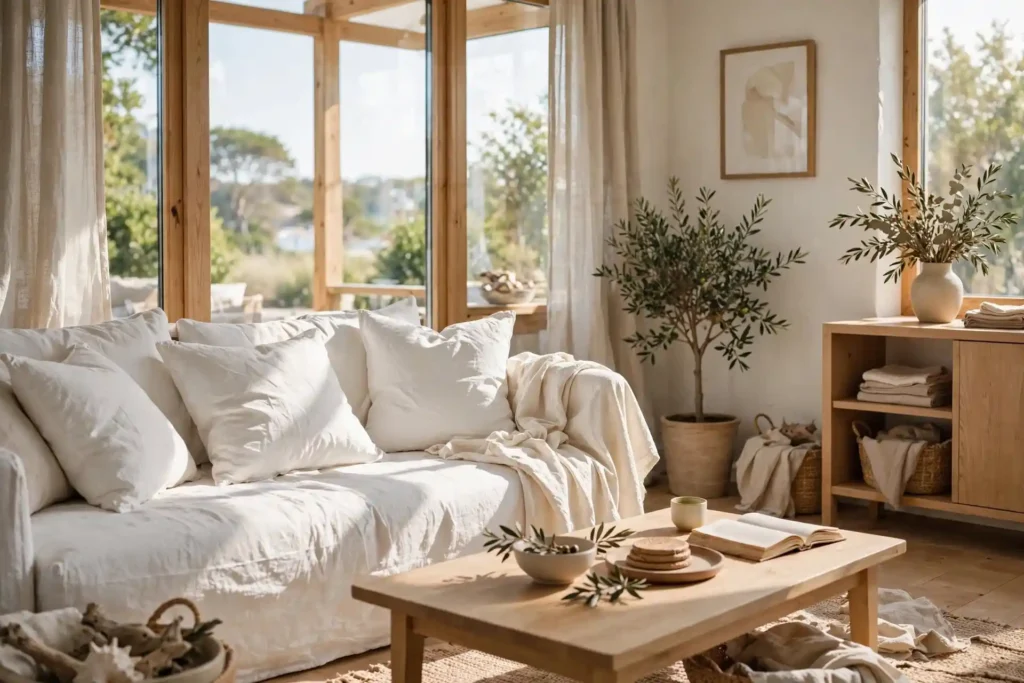
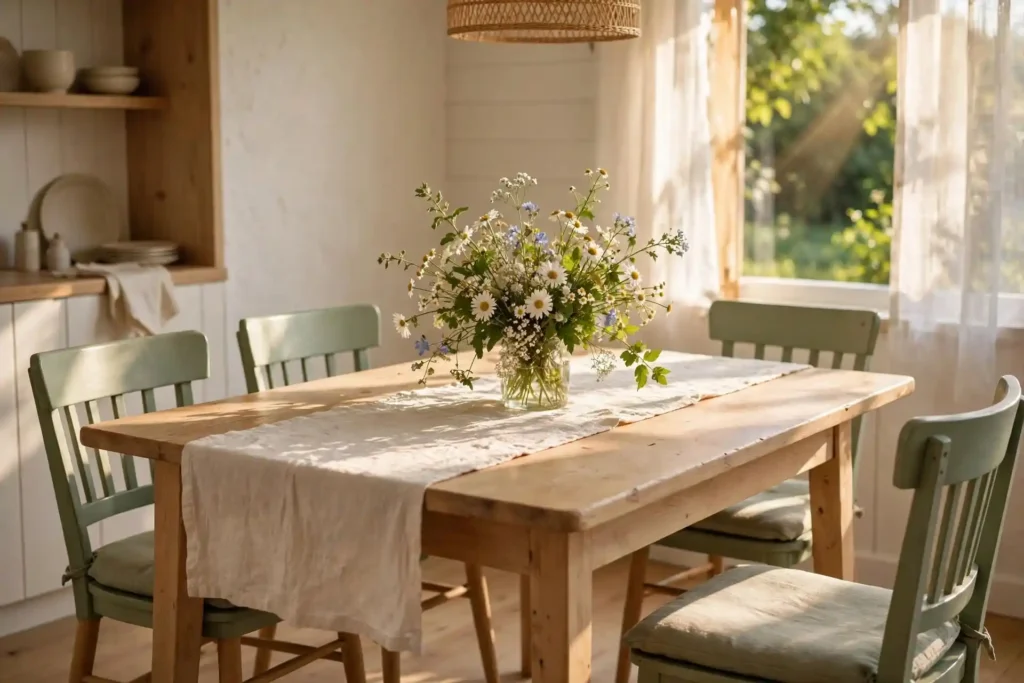
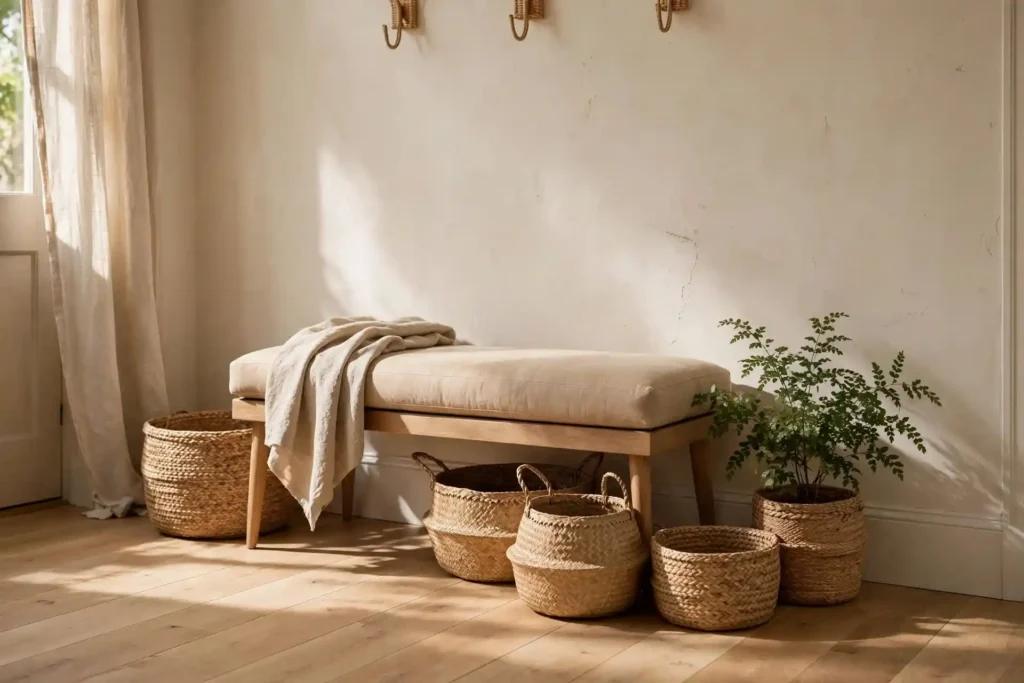
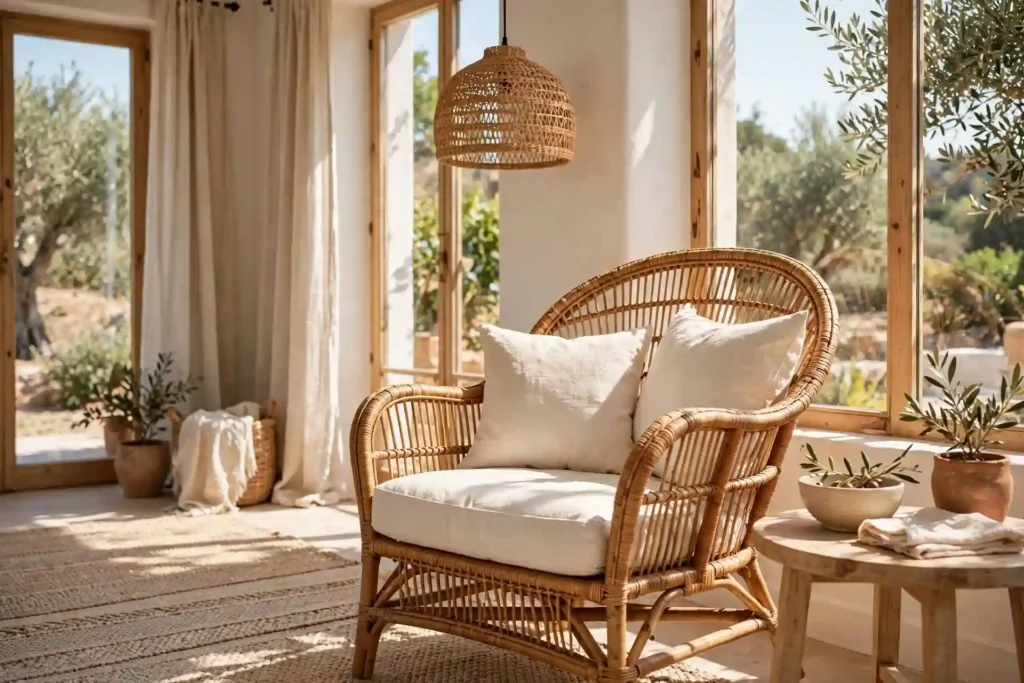
A farmhouse living room should feel comfortable the moment you walk in. Think soft fabrics, natural wood, cozy seating, vintage touches, and a few imperfect details that make the room feel lived in rather than staged.
The best part is that you do not need a complete renovation to get the look. Swapping a few pillows, adding a woven basket, changing your lighting, or bringing in an old-fashioned piece of furniture can make a big difference.
If you are looking for farmhouse living room decor ideas, these 23 looks offer plenty of ways to create a warm and inviting space while keeping your own personality in the room.
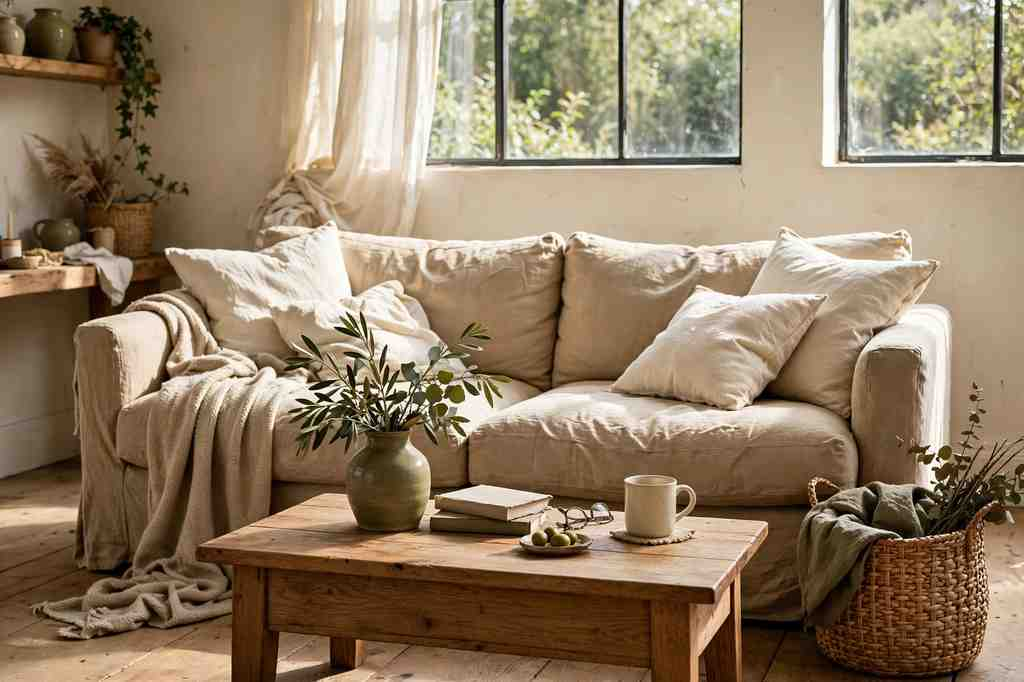
1. Start With a Neutral Sofa
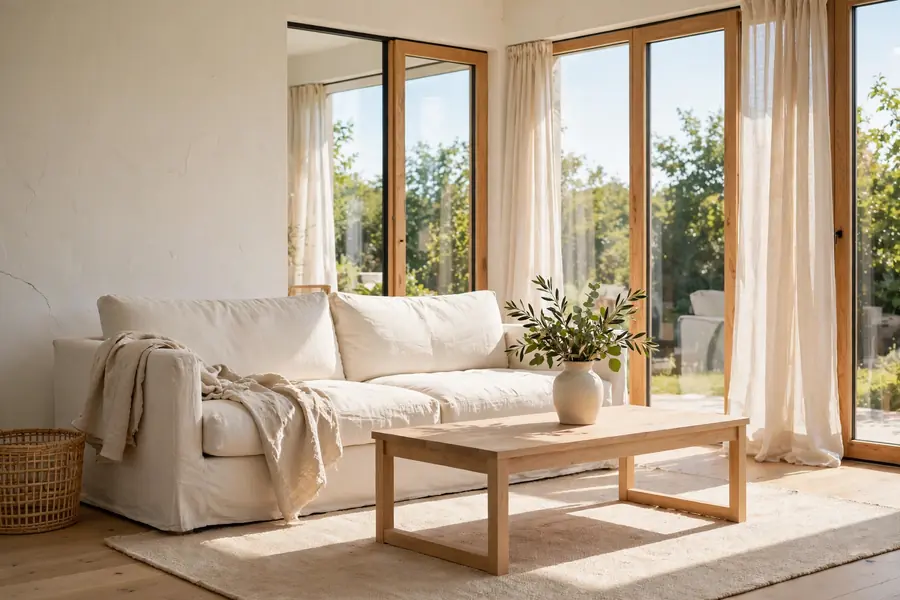
A cream, beige, or soft gray sofa gives you an easy foundation for farmhouse decorating.
You can keep the main furniture simple and add personality through cushions, throws, artwork, and accessories. Linen and cotton upholstery also work particularly well because their relaxed texture suits the farmhouse style.
For a family room, choose a practical fabric that can handle everyday use rather than focusing only on appearance.
2. Add a Rustic Wood Coffee Table
A chunky wood coffee table can become the centerpiece of a farmhouse living room.
Look for natural wood grain, slightly distressed finishes, or a simple reclaimed-wood appearance. You do not need matching wood throughout the room. Mixing lighter and darker wood tones can make the space feel more collected.
Style the table with a small tray, a few books, a ceramic vase, or fresh greenery while leaving enough open space for everyday use.
3. Layer in a Cozy Farmhouse Rug
A rug helps define the seating area and adds warmth underfoot.
For a traditional farmhouse room, try muted patterns such as faded checks, subtle stripes, vintage-inspired motifs, or neutral geometric designs.
If the furniture is already visually busy, choose a simpler rug. A quieter pattern will keep the room from feeling crowded.
4. Use Black Metal Accents
Black metal is an easy way to add contrast to a room filled with soft neutrals and natural wood.
Try it on:
- Floor lamps
- Curtain rods
- Picture frames
- Coffee table legs
- Wall shelves
- Small decorative objects
A few black accents are usually enough. Repeating the same dark finish in several places creates a more intentional look.
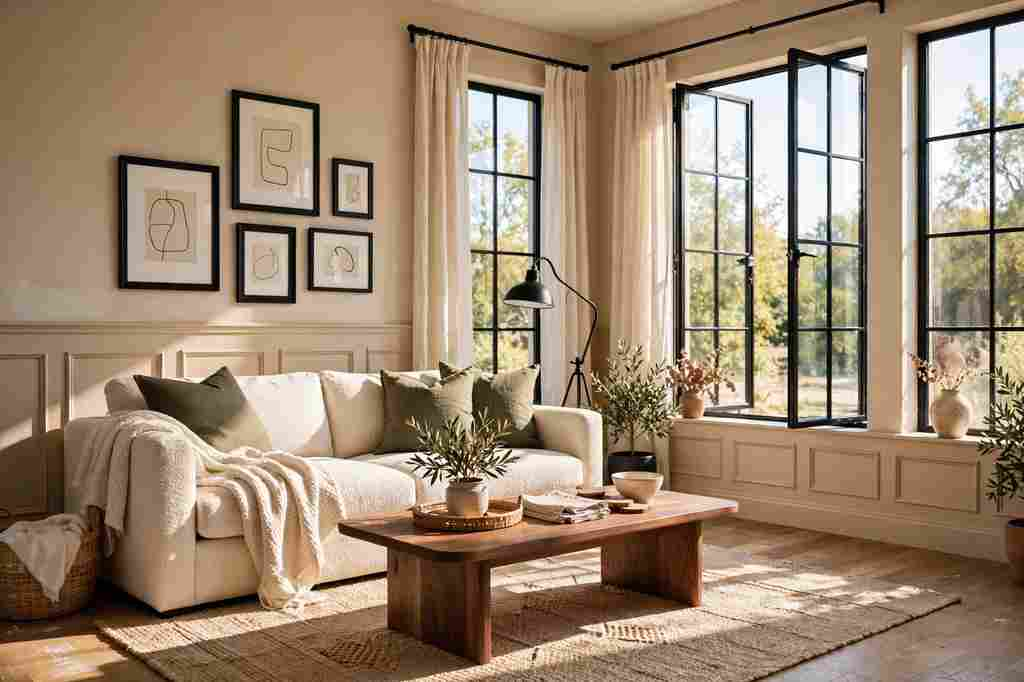
5. Decorate With Woven Baskets
Woven baskets bring both texture and useful storage into the living room.
Place a large basket beside the sofa for blankets, use a smaller one under a console table, or keep everyday items inside a lidded basket.
Seagrass, rattan, jute, and similar natural materials pair beautifully with farmhouse furniture.
6. Hang a Vintage-Inspired Mirror
A vintage-style mirror can add character to an otherwise simple wall.
Choose a wooden frame for a softer rustic look or a distressed metal frame if you want more contrast. A large mirror can also help reflect light and make a smaller living room feel more open.
Instead of automatically hanging it above the sofa, consider placing it opposite a window where it can reflect natural daylight.
7. Create a Shiplap Accent Wall
Shiplap is closely associated with farmhouse interiors, but it does not have to cover every wall.
A single accent wall behind the sofa or television can provide the texture you want without making the room feel overly themed.
White is the classic choice, but warm beige, muted gray, or a soft sage tone can create a more updated farmhouse look.
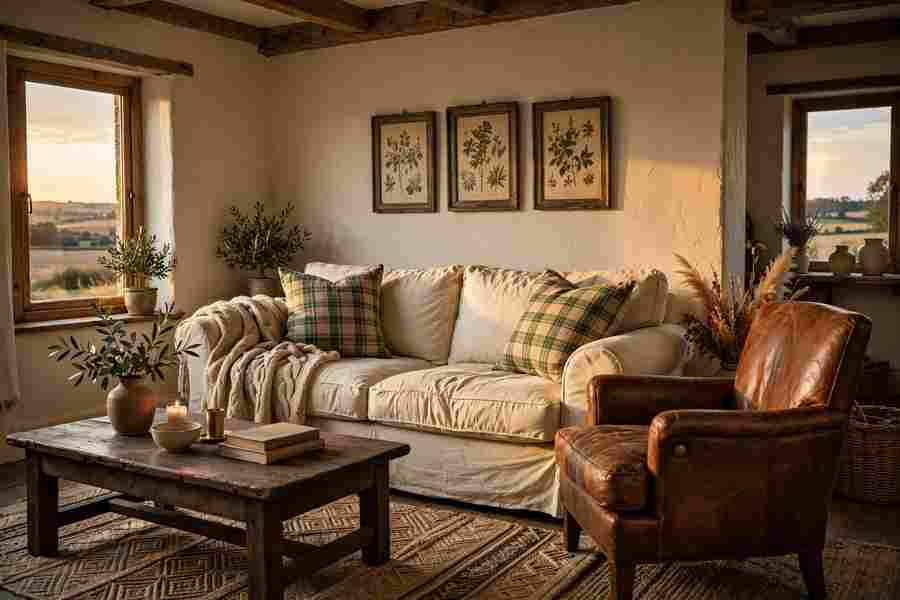
8. Bring in Soft Plaid Patterns
Plaid instantly adds a cozy country feeling.
Use it in small doses through a throw blanket, cushion cover, ottoman, or upholstered chair. Brown, cream, charcoal, olive, and muted navy are easy colors to work into a farmhouse palette.
Mix plaid with solid fabrics and one additional pattern rather than covering the whole room in checks.
9. Add an Oversized Farmhouse Clock
A large wall clock can fill an empty wall while adding a practical decorative element.
Look for simple numerals, aged wood, black metal, or a lightly distressed finish. The clock does not need to look genuinely antique. A well-made vintage-inspired design can create a similar visual effect.
Keep the rest of the wall fairly simple so the clock has room to stand out.
10. Mix Old and New Furniture
A farmhouse living room feels more interesting when every piece does not look like it came from the same furniture collection.
Pair a modern cream sofa with an antique-looking side table. Add a vintage cabinet beside a contemporary floor lamp. Place a newer armchair next to a rustic wooden coffee table.
This mix gives the room a sense of history without sacrificing comfort.
11. Use Soft Sage Green
If you want to introduce color without losing the farmhouse feeling, sage green is a great option.
Try it on:
- Accent cushions
- Curtains
- A painted cabinet
- Artwork
- A small accent chair
- Decorative ceramics
Sage works especially well with warm white, natural wood, cream, and aged brass.
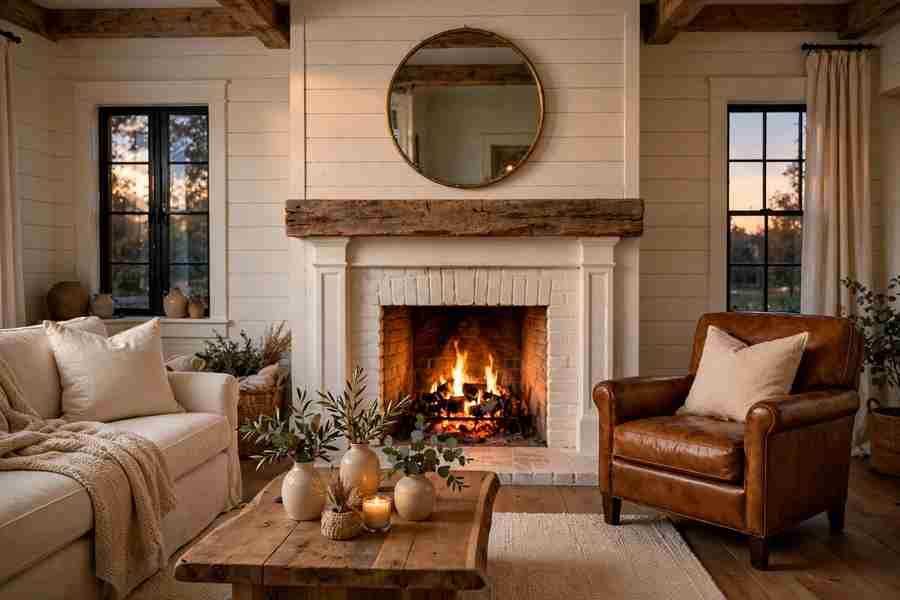
12. Create a Fireplace Focal Point
A fireplace naturally becomes the heart of a living room.
If your home has one, keep the surrounding decor simple. A wooden mantel, a large mirror, a few ceramic pieces, and some greenery may be all you need.
For a fireplace without a mantel, consider a simple arrangement of artwork or a large mirror above it. Avoid filling every available surface.
13. Style Open Shelves With Restraint
Open shelves are useful for displaying farmhouse accessories, but too many objects can quickly make them look cluttered.
Try grouping items by height and texture. For example, combine a small plant, a ceramic vase, a few books, and one wooden object.
Leave some empty shelf space. The open areas help the decorative pieces stand out.
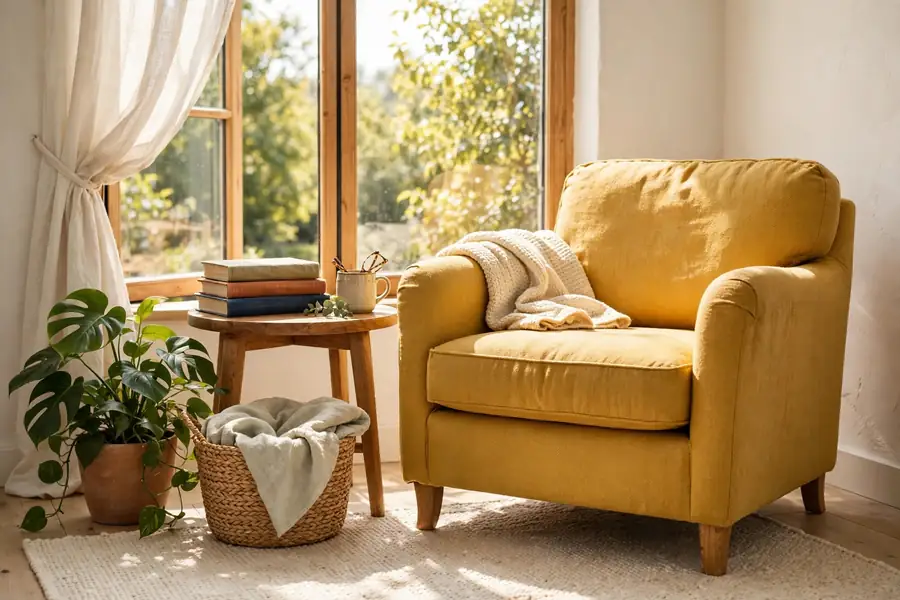
14. Add a Comfortable Farmhouse Armchair
Every living room benefits from a chair that looks inviting enough to sit in.
Choose a linen, cotton, leather, or textured fabric chair depending on the style of your room. A slipcovered chair creates a relaxed country look, while worn leather brings a stronger rustic feel.
Place a small side table nearby so the chair becomes a useful reading or coffee corner.
15. Try Warm Cream Instead of Bright White
Bright white can sometimes make a farmhouse room feel cold.
Warm cream, ivory, and off-white create a softer background that works beautifully with wood and natural textures.
If your walls are already white, introduce warmer tones through rugs, curtains, cushions, lampshades, and furniture.
16. Bring Nature Indoors
Farmhouse decorating works particularly well with natural elements.
Add fresh branches in a tall vase, a leafy houseplant, dried grasses, or a small collection of potted herbs near a bright window.
You can also decorate with natural wood, stone, woven fibers, and ceramics to give the room more visual texture without adding lots of color.
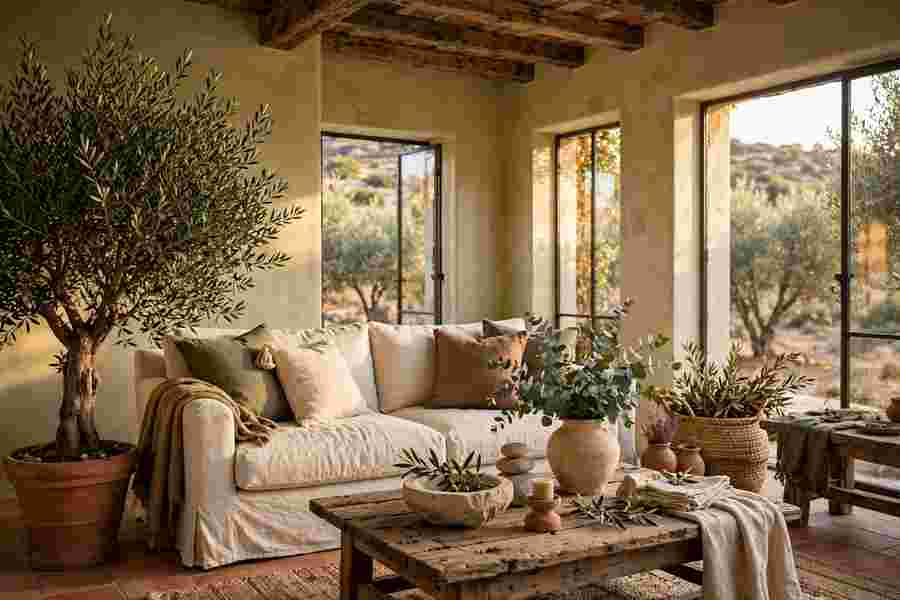
17. Hang Simple Farmhouse Artwork
Artwork can make a neutral living room feel personal.
Try botanical illustrations, countryside landscapes, vintage-style signs, simple sketches, or muted abstract artwork.
For a cohesive gallery wall, use frames in two or three finishes rather than choosing a completely different frame for every piece.
18. Add a Chunky Knit Throw
A chunky throw draped over the arm of a sofa makes the room look instantly more comfortable.
Choose a neutral shade such as cream, oatmeal, taupe, or soft gray. If your room already has plenty of neutral colors, a muted rust, olive, or navy throw can add some warmth.
The goal is to make the blanket look ready to use, not perfectly folded like a showroom display.
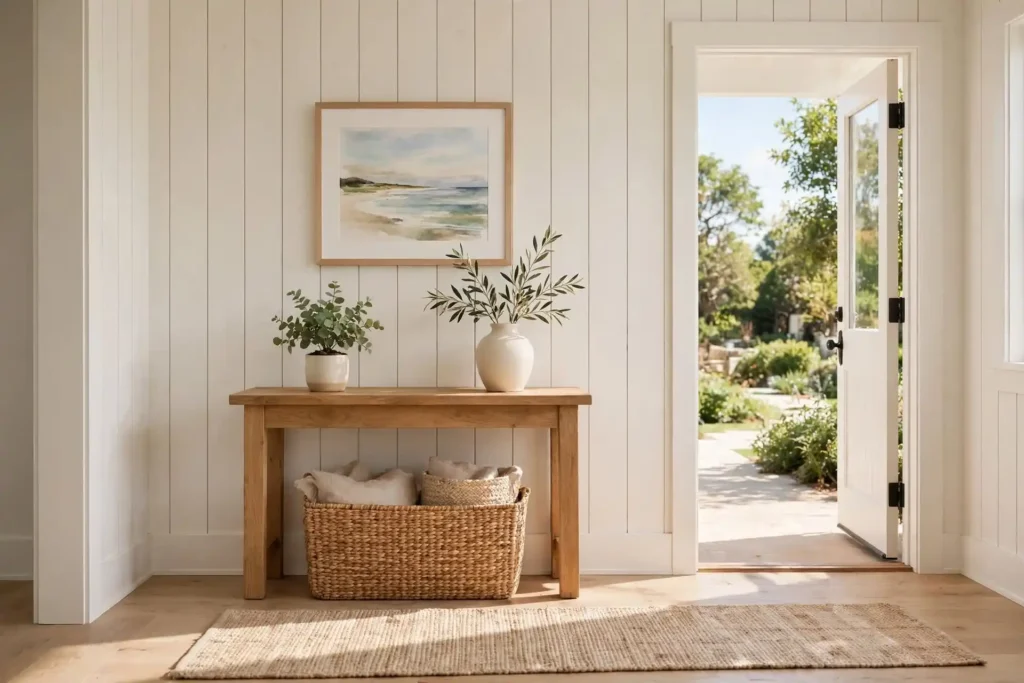
19. Use a Rustic Console Table
A console table behind the sofa or against an empty wall can give you another place to display useful decor.
Keep the arrangement simple with a table lamp, framed artwork, a small vase, and one woven basket underneath.
A console can also be a practical place to store keys, books, remotes, or other everyday items when your living room needs more organization.
20. Add Antique or Vintage Finds
Farmhouse style does not need to look brand new.
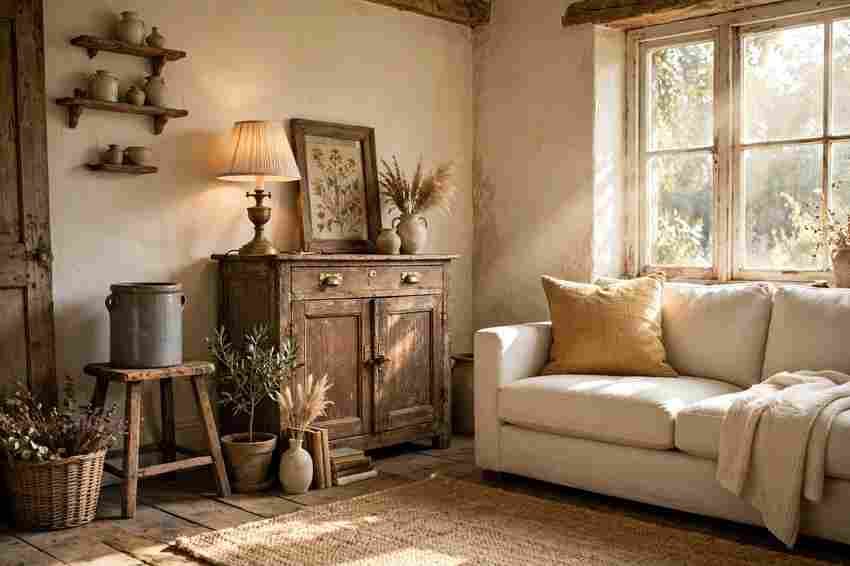
Look for pieces with character, such as an old wooden stool, vintage picture frame, ceramic crock, weathered box, or antique-style lamp.
You only need a few pieces. One distinctive vintage item can have more impact than a room full of artificial distressed decor.
21. Combine Wood With Natural Stone
Wood and stone make a beautiful farmhouse combination.
If your living room has a stone fireplace, let its natural texture become part of the design. You can echo it with stone accessories, a simple side table, or a neutral-colored vase.
The contrast between rough stone and warm wood gives the room depth without relying on bright colors.
22. Give Your Windows a Relaxed Look
Window treatments can change the entire atmosphere of a farmhouse living room.
Linen or cotton curtains in cream, beige, soft white, or muted stripes create a relaxed appearance. Hang them high enough to visually extend the height of the windows, while making sure they are the correct length for the room.
If the space receives strong afternoon sunlight, combine decorative curtains with practical shades or blinds.
23. Keep the Room Comfortable, Not Perfect
This may be the most useful farmhouse decorating rule.
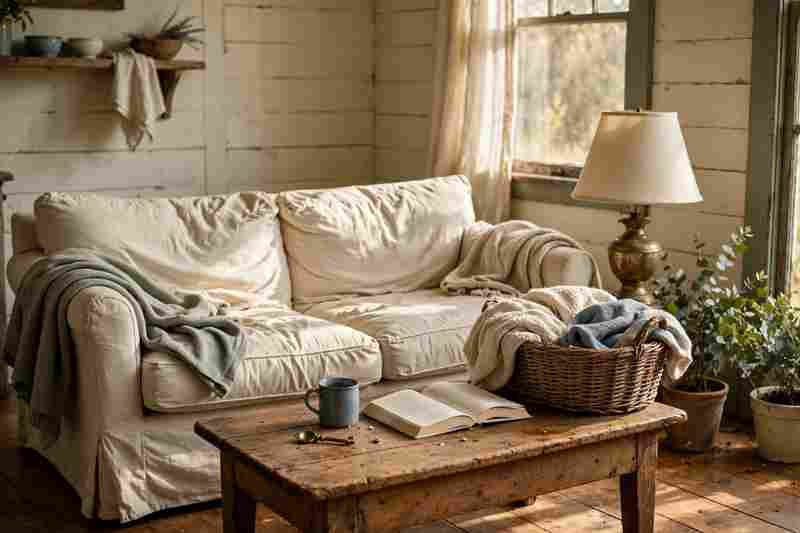
A farmhouse living room should look like people actually use it. A slightly rumpled cushion, a stack of books, a basket of blankets, or a favorite chair can make the room feel warmer than perfectly arranged accessories.
Focus on comfort first, then add decorative details around the things you genuinely use.
How to Choose the Right Farmhouse Look for Your Home
Farmhouse style can lean in several different directions. You do not have to follow one exact version.
Traditional Farmhouse
Use:
- Warm wood
- Cream and beige
- Plaid
- Vintage accessories
- Rustic furniture
- Aged finishes
This approach feels classic, cozy, and collected.
Modern Farmhouse
Choose:
- Cleaner furniture lines
- Warm whites
- Black accents
- Simple artwork
- Natural wood
- Minimal accessories
This is a good option if you like farmhouse warmth but prefer a less rustic appearance.
Rustic Farmhouse
Lean into:
- Reclaimed wood
- Worn leather
- Stone
- Vintage pieces
- Earthy colors
- Heavy woven textures
The result feels more casual and connected to the countryside.
Easy Farmhouse Updates That Do Not Require New Furniture
You can change the look of your living room without replacing the major pieces.
Try this weekend refresh:
- Remove accessories you no longer like.
- Replace dark cushion covers with cream, sage, or muted plaid.
- Add one woven basket.
- Rearrange your coffee table.
- Bring in fresh greenery.
- Move a favorite vintage piece somewhere more visible.
- Add a soft throw to the sofa.
- Change one piece of artwork.
- Rearrange the furniture to improve conversation and movement.
- Keep a little empty space between decorative pieces.
These small changes can make the room feel completely different without turning decorating into a major project.
Common Farmhouse Decorating Mistakes
Using Too Many Rustic Accessories
A few rustic pieces create character. Too many can make the room feel more like a themed display.
Making Everything Distressed
Farmhouse does not mean every piece needs chipped paint or a weathered finish. Mix aged pieces with clean, modern furniture for a more natural result.
Ignoring Comfort
A beautiful sofa that nobody wants to sit on is not a successful living room. Choose comfortable furniture and build your decor around it.
Using Only One Wood Tone
Different wood finishes can work together. Repeat each tone at least once or twice so the combination feels intentional.
Filling Every Surface
Leave breathing room on shelves, tables, and consoles. Empty space can make your favorite pieces more noticeable.
A Simple Farmhouse Living Room Color Palette
If you are starting from scratch, try this easy combination:
Base: Warm white or cream
Wood: Natural oak or medium brown
Accent: Sage green
Contrast: Matte black
Optional pop: Muted rust or navy
This palette gives you enough contrast to keep the room interesting while maintaining that comfortable farmhouse feeling.
If you are also planning larger home improvements, it helps to think about the exterior as part of the overall property. For homeowners considering roof work, you can explore roof replacement options before starting an exterior refresh.
Frequently Asked Questions
What makes a living room look farmhouse?
Farmhouse living rooms usually combine comfortable furniture, natural wood, neutral colors, woven textures, simple patterns, and vintage or rustic accents. The overall space should feel relaxed rather than overly formal.
What colors are best for a farmhouse living room?
Warm white, cream, beige, sage green, muted blue, brown, charcoal, and soft rust all work well. Choose a few rather than using every farmhouse color at once.
How can I make my living room look farmhouse on a budget?
Start with small changes. Add woven baskets, thrifted vintage pieces, inexpensive cushion covers, greenery, a cozy throw, or a rustic-looking tray. Rearranging existing furniture can also make a noticeable difference.
Can farmhouse decor work in a small living room?
Yes. Keep the color palette light, avoid oversized furniture, and use storage baskets to reduce visual clutter. A mirror can also help reflect natural light and make the room feel more open.
Is farmhouse decor still popular?
Farmhouse style remains a popular decorating approach because it combines comfort, natural materials, and practical pieces. You can also update it with cleaner furniture, softer colors, and fewer decorative accessories.
Make Your Farmhouse Living Room Feel Like Home
The most inviting farmhouse living rooms are not the ones with the most decorations. They are the ones that balance comfort, texture, natural materials, and personal details.
Start with one change that excites you. Maybe it is a rustic coffee table, a sage green cushion, a vintage mirror, or simply a better arrangement of the furniture you already own.
Once the room feels comfortable, add only the pieces that make you want to spend more time there.