 Home Decor & Interior Design
A great backyard does not have to be enormous, expensive, or professionally designed. Sometimes the biggest difference comes from a few smart changes that make the space easier to use and more enjoyable.
Whether you want a cozy garden retreat, a better entertaining area, a low-maintenance yard, or simply more privacy, the right backyard landscaping ideas can completely change how your outdoor space feels.
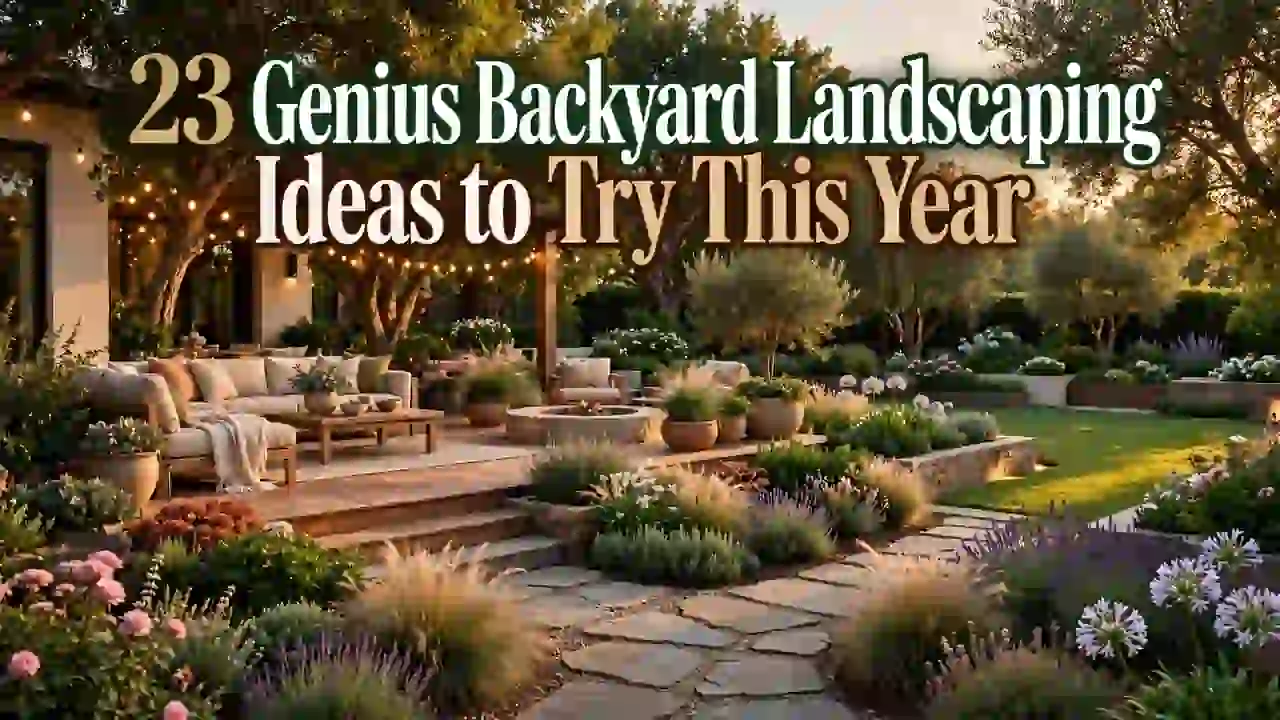
These 23 ideas range from simple weekend projects to larger landscaping upgrades, so you can find options that fit your yard, budget, and personal style.
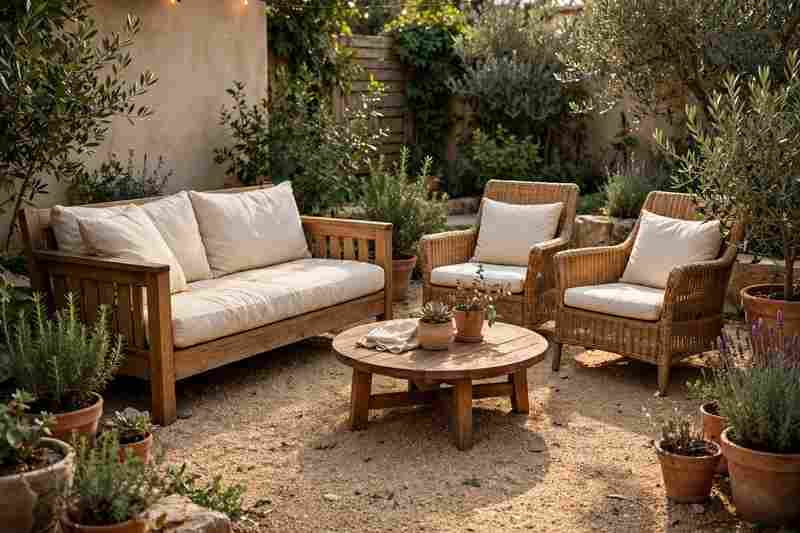
1. Create a Cozy Backyard Seating Area
Start with a dedicated spot where you can actually relax.
A simple outdoor sofa, two comfortable chairs, and a small coffee table can turn an unused corner into a favorite part of the yard. Add an outdoor rug, cushions, and a few potted plants to make the area feel more connected to the house.
For a natural look, combine wood furniture with neutral fabrics and plenty of greenery.
2. Add a Curved Garden Border
Curved planting beds can make a backyard feel softer and more thoughtfully planned.
Instead of drawing straight lines around the lawn, create gentle curves around trees, patios, or seating areas. Fill the beds with a mix of shrubs, flowering plants, grasses, and ground cover.
Keep the curve broad rather than overly complicated. Simple shapes are usually easier to maintain and look more natural.
3. Build a Backyard Fire Pit Area
A fire pit can give your backyard a clear gathering point.
Surround it with comfortable chairs or built-in seating, then define the area with gravel, stone, brick, or pavers. Leave enough space around the fire feature for safe movement and follow local fire regulations.
For a polished look, repeat the same stone or material elsewhere in the yard.
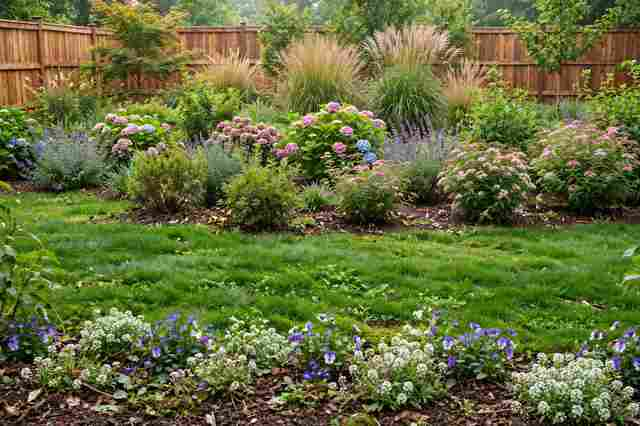
4. Use Layered Planting for a Fuller Garden
If your garden beds look flat, think vertically.
Place taller shrubs or ornamental trees toward the back, medium-height plants in the middle, and low-growing flowers or ground covers toward the front.
This layered approach creates depth without requiring dozens of different plant varieties.
Choose plants based on your local climate, sunlight, soil, and watering conditions rather than choosing only by appearance.
5. Install a Simple Backyard Pathway
A pathway can make a backyard feel more organized while guiding people toward different areas.
Use stepping stones, gravel, brick, natural stone, or concrete pavers to connect the patio, garden, shed, fire pit, or seating area.
You do not necessarily need a perfectly straight path. A gentle curve can make the destination feel more interesting and give plants room to soften the edges.
6. Add Privacy With Layered Greenery
Privacy does not always require a tall fence.
Evergreen shrubs, ornamental grasses, small trees, climbing plants, and dense planting can create a natural screen while making the yard feel greener.
For the best result, combine plants at different heights instead of creating one solid wall of greenery.
If you are planting near a property boundary, check mature plant sizes before choosing species.
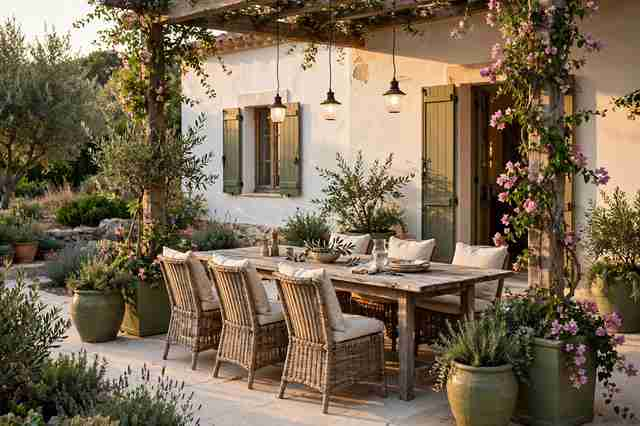
7. Create a Backyard Dining Zone
If you regularly eat outdoors, give your dining area a proper place in the landscape.
A sturdy outdoor table, comfortable chairs, overhead lighting, and nearby plants can make an ordinary patio feel like an outdoor dining room.
Position the table somewhere convenient to the kitchen if possible. You’ll appreciate the shorter trips when carrying food, drinks, and dishes.
8. Replace Part of the Lawn With Garden Beds
A large lawn can be beautiful, but it is not always the best use of every square foot.
Consider replacing an unused section with planting beds, gravel, ground cover, or a small outdoor living area. This can add visual interest while reducing the amount of grass that needs mowing.
Keep some lawn if you enjoy using it. The goal is not to eliminate grass completely, but to make the yard work better for you.
9. Add Ornamental Grasses
Ornamental grasses bring movement and texture to backyard landscaping.
Their soft foliage can look especially beautiful around patios, pathways, fences, and garden borders. Many varieties also add seasonal interest when their seed heads catch the light.
Use groups of the same grass rather than scattering single plants everywhere. Repetition creates a more intentional look.
10. Design Around a Mature Tree
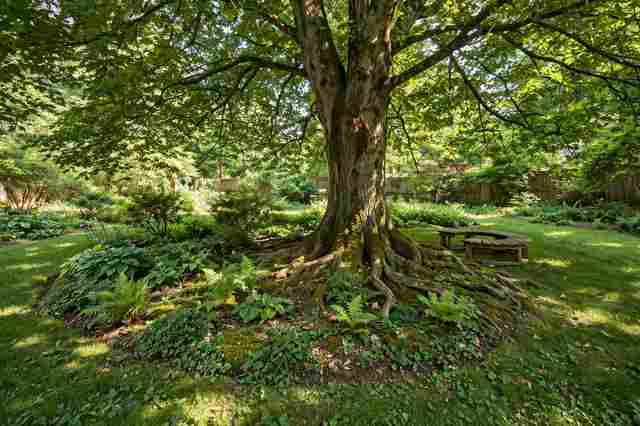
A mature tree can become the centerpiece of your backyard.
Instead of treating it as an obstacle, build the landscaping around it. Add a curved planting bed, a circular seating area, shade-loving plants, or a small pathway that leads toward the tree.
Be careful not to pile soil against the trunk or disturb the tree’s root zone. The landscaping should work with the tree rather than compete with it.
11. Add a Small Water Feature
You do not need a huge pond to introduce water into the garden.
A compact fountain, bubbling urn, small pond, or recirculating water feature can add sound and movement to a quiet backyard.
Place it where you can actually hear or see it from your seating area. A feature hidden behind dense plants may look nice but provide less enjoyment.
12. Create a Cottage-Style Backyard Garden
For a softer, more romantic backyard, try a cottage garden approach.
Mix flowering perennials, herbs, shrubs, climbing plants, and informal pathways. Allow some plants to spill slightly over borders instead of keeping every edge perfectly clipped.
Use a relaxed palette of whites, pinks, lavender, blues, and soft greens for a classic cottage feel.
13. Add a Pergola Over the Patio
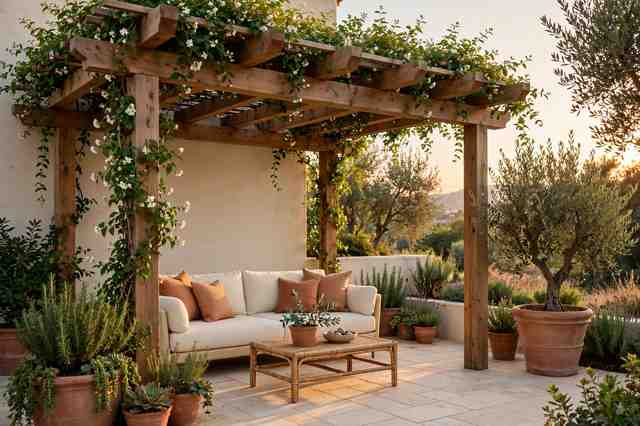
A pergola can give an outdoor living area more structure without completely enclosing it.
Use it to define a dining space, lounge area, or outdoor kitchen. Climbing plants can soften the structure over time, while curtains or outdoor shades can provide additional privacy and protection from the sun.
Choose a size that feels proportional to the patio. An oversized structure can make a small yard feel crowded.
14. Use Large Planters as Landscape Anchors
Large planters are an easy way to add structure without changing the entire yard.
Place matching containers near a patio entrance, along a pathway, beside outdoor steps, or around a dining area.
Choose plants that suit the amount of sun available. Large containers are particularly useful when you want to introduce color or greenery without committing to a permanent garden bed.
15. Create a Low-Maintenance Gravel Garden
If mowing and constant garden maintenance are not your thing, consider a gravel-focused landscape.
Combine decorative gravel with drought-tolerant plants, ornamental grasses, stone features, and a few larger architectural plants.
The trick is to create deliberate planting zones rather than covering the entire backyard in random gravel. A restrained material palette usually looks much more polished.
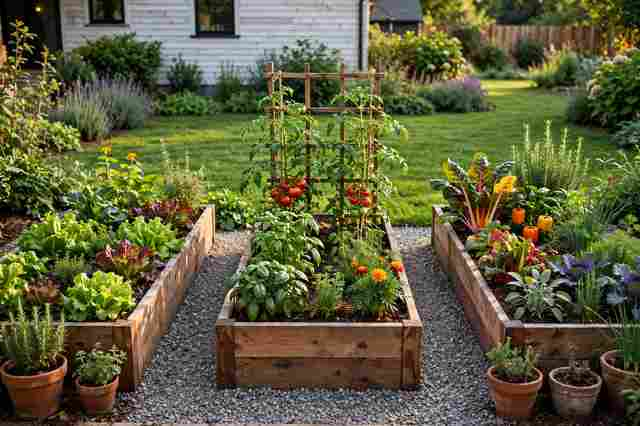
16. Build a Raised Vegetable Garden
A backyard can be beautiful and productive at the same time.
Raised garden beds make it easier to organize vegetables, herbs, and edible flowers while giving the garden a defined structure. Cedar or other suitable outdoor materials can create attractive borders.
Place the beds somewhere that receives the amount of sunlight required by the crops you plan to grow, and keep paths wide enough for comfortable access.
17. Add Warm Outdoor Lighting
Good lighting can completely change a backyard after sunset.
Use pathway lights to guide movement, subtle uplighting to highlight trees, and warm accent lights around patios and seating areas.
Avoid lighting every corner equally. A few carefully placed lights with darker areas between them usually create a more comfortable atmosphere.
18. Create a Secret Garden Corner
An unused corner can become one of the most charming parts of the backyard.
Use a small arch, climbing plants, dense shrubs, or a simple gate to create a sense of separation. Add a bench or small bistro table inside.
This does not need to be large. Even a few feet of tucked-away planting can create the feeling of a private garden retreat.
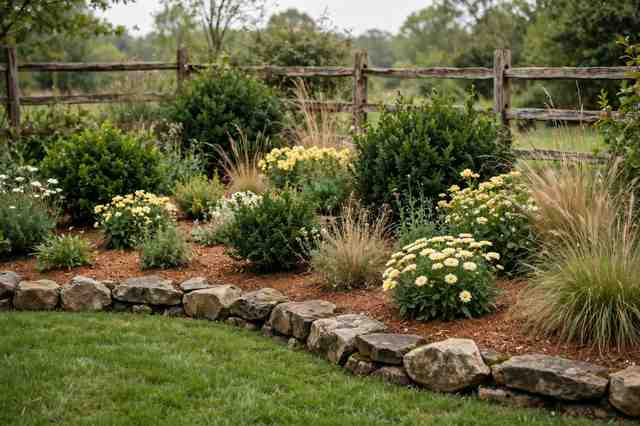
19. Use Natural Stone for Garden Edging
Natural stone can give planting beds a finished appearance without making them feel too formal.
Use flat stones, fieldstone, or another locally appropriate material to define the edge between lawn and garden. Repeat the stone near pathways or patios for a more cohesive landscape.
Avoid overly perfect lines if you want an organic garden style.
20. Create a Backyard Outdoor Kitchen
If you spend a lot of time entertaining outside, an outdoor kitchen can be a worthwhile upgrade.
Even a compact setup with a grill, countertop, storage, and nearby dining space can make outdoor cooking much easier.
Plan the layout around how you actually prepare meals. Keep frequently used cooking, prep, and serving areas close together.
21. Mix Evergreen and Seasonal Plants
A backyard can look bare when everything blooms during the same short period.
Create more year-round interest by combining evergreen shrubs with seasonal flowers, grasses, trees, and plants that provide changing foliage.
Evergreens provide the foundation, while seasonal plants bring color and variety throughout the year.
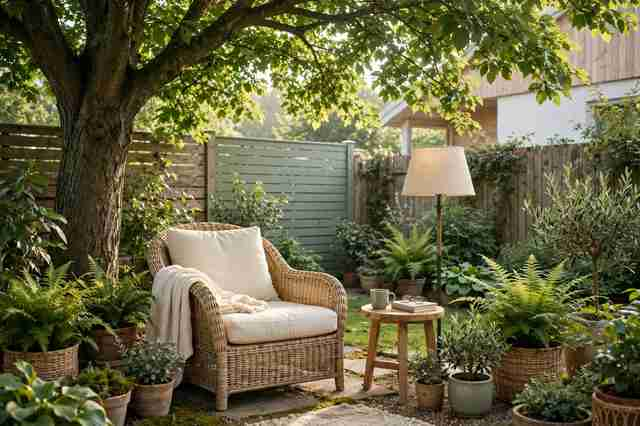
22. Turn a Small Corner Into a Reading Retreat
You do not need a huge backyard to create a personal outdoor escape.
Find a shaded corner and add a comfortable chair, small side table, outdoor cushion, and a few surrounding plants. A compact pergola or umbrella can provide additional shade where appropriate.
Keep the design simple. The purpose is to create somewhere you’ll actually want to sit.
23. Connect the Backyard to the House
The most successful backyard landscapes often feel like an extension of the home’s interior.
Repeat colors, materials, and textures from the house outdoors. If your interior uses warm wood and neutral fabrics, carry those tones onto the patio. If your home has stone details, consider repeating the stone in a pathway or garden wall.
This visual connection makes the entire property feel more cohesive.
How to Plan a Backyard Landscaping Makeover
Before buying plants or ordering materials, spend some time looking at how your backyard currently works.
Start With the Layout
Mark the areas that receive full sun, partial shade, and deep shade. Note existing trees, drainage issues, property boundaries, utilities, and places where water collects.
Then decide what you want the yard to do.
Do you need more entertaining space? Better privacy? A children’s play area? More garden space? A quiet place to relax?
Your answer should guide the design.
Choose a Few Main Zones
Instead of trying to improve everything at once, divide the yard into practical zones.
For example:
- Dining area
- Lounge area
- Garden beds
- Pathway
- Fire pit
- Vegetable garden
- Private retreat
Clear zones make a backyard feel organized without requiring a complicated landscape design.
Repeat Materials and Plants
Repetition is one of the easiest ways to make a landscape look professionally planned.
Repeat a particular stone along the patio and pathway. Use the same shrub in several planting beds. Repeat one accent color through flowers and outdoor cushions.
This creates rhythm without making everything identical.
Backyard Landscaping Ideas on a Budget
You can make a noticeable difference without rebuilding the entire yard.
Start with projects that have a strong visual impact:
- Refresh existing garden beds with new mulch
- Add several large containers
- Create a simple gravel seating area
- Install solar or low-voltage pathway lighting
- Edge the lawn and planting beds cleanly
- Paint or stain an existing pergola
- Add outdoor cushions and a rug
- Plant inexpensive ground cover
- Create a small herb garden
- Reorganize existing plants into groups
Sometimes cleaning up what you already have makes a bigger difference than buying more.
Common Backyard Landscaping Mistakes
A beautiful landscape still needs to be practical.
Avoid planting trees too close to structures, choosing plants that are poorly suited to your climate, overcrowding garden beds, or creating pathways that are too narrow.
It is also easy to underestimate mature plant sizes. A small shrub at the garden center can become a much larger plant after several years.
Think about maintenance before committing to the design. A yard that looks fantastic but requires hours of weekly work may quickly become frustrating.
A Simple Backyard Landscaping Checklist
Save this list before starting your project:
☐ Identify sunny and shady areas
☐ Decide how you want to use the backyard
☐ Create practical outdoor zones
☐ Plan pathways between major areas
☐ Consider privacy needs
☐ Choose plants for your climate and soil
☐ Check mature plant sizes
☐ Repeat materials for a cohesive look
☐ Add lighting for evening use
☐ Plan irrigation and drainage
☐ Choose realistic maintenance levels
☐ Leave room for plants to grow
Frequently Asked Questions
What is the easiest backyard landscaping idea to try?
Adding large planters, refreshing garden beds, creating a simple seating area, or installing a small pathway can produce noticeable results without major construction.
How can I make my backyard look more expensive?
Use repetition, keep the material palette limited, define outdoor zones, add layered planting, and improve lighting. A clean, intentional layout often looks more polished than a yard filled with expensive but unrelated features.
What is a good low-maintenance backyard landscaping idea?
Gravel gardens, evergreen shrubs, appropriate ground covers, ornamental grasses, and well-planned planting beds can reduce maintenance. Choose plants that naturally suit your local climate rather than forcing high-maintenance varieties to survive.
How do I add privacy to my backyard without a fence?
Layered greenery is one option. Combine evergreen shrubs, small trees, ornamental grasses, and climbing plants to create visual screening while keeping the yard feeling natural.
How do I make a small backyard feel bigger?
Keep the layout simple, use fewer but more intentional planting zones, create a clear pathway, and avoid filling every corner with furniture or plants. Using similar materials across the patio and garden can also make the space feel more connected.
Final Thoughts
The best backyard landscaping ideas are the ones that make your outdoor space easier and more enjoyable to use.
You might start with something small, such as a curved garden bed or a cozy seating corner, and build from there. Or you may decide your yard needs a larger transformation with a pergola, outdoor kitchen, new pathway, and layered planting.
Whatever direction you choose, focus first on how you want to live in the space. Once the function is right, the plants, materials, colors, and decorative details become much easier to choose