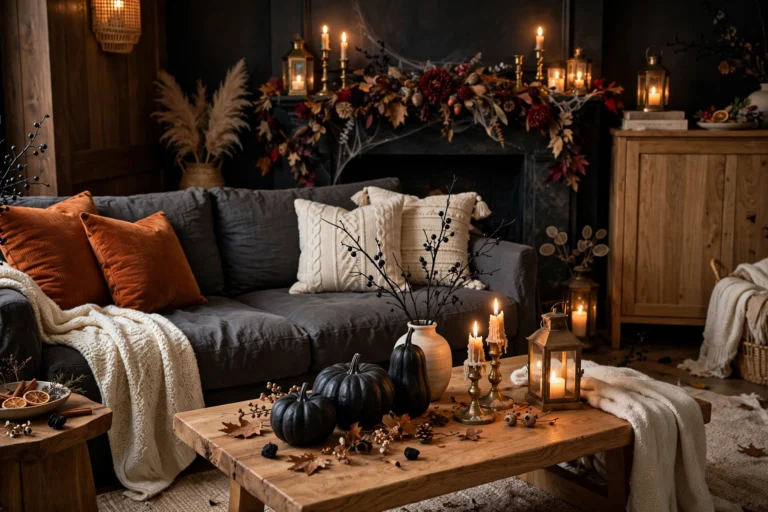
A small living room does not need an unused corner to become a reading nook. With the right chair, a little lighting, and a few thoughtful details, even a narrow space beside a window or an awkward corner can become a comfortable place to read.
The best small reading nooks are simple. You want enough room to sit comfortably, keep a book nearby, and have good lighting without filling the entire living room with furniture.
Whether you have a tiny apartment, a compact family room, or simply an empty corner beside the sofa, these 21 reading nook ideas can help you create a cozy spot without sacrificing valuable floor space.
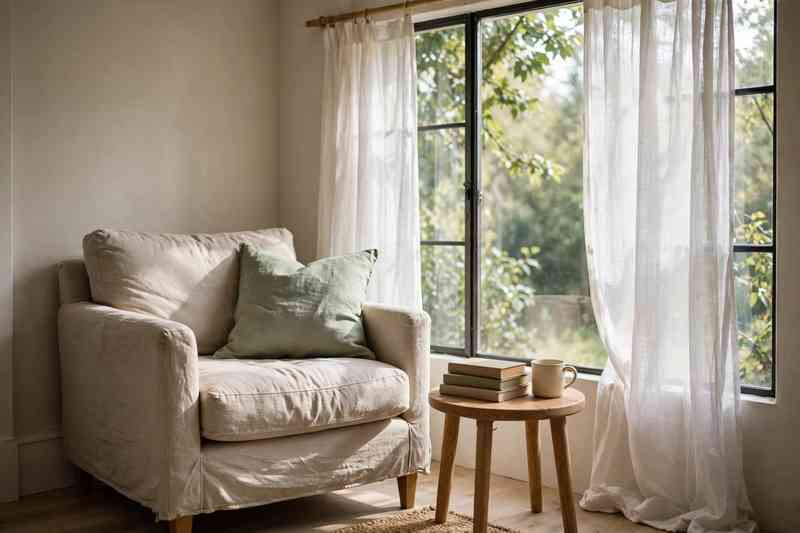
1. Place a Small Armchair Beside the Window
A window corner is one of the easiest places to create a reading nook in a small living room.
Choose a compact armchair that fits comfortably without blocking the walkway. Add a small side table, a soft cushion, and a floor lamp if the natural light is not enough in the evening.
Keep the surrounding area simple so the window remains the main feature.
2. Use a Slim Accent Chair
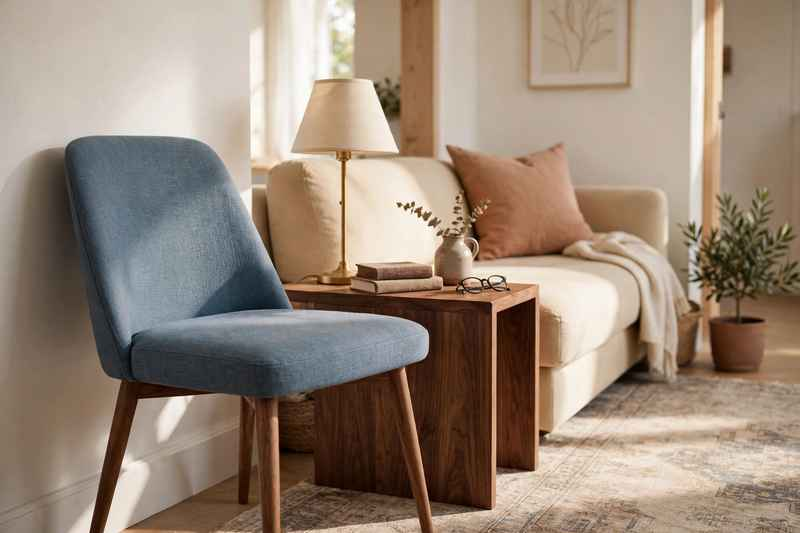
A bulky reading chair can quickly make a small living room feel crowded.
Instead, look for a narrow accent chair with a comfortable seat and relatively small footprint. Upholstered chairs in cream, beige, muted green, or dusty blue can blend easily with existing furniture.
A small lumbar cushion can add comfort without taking up much space.
3. Create a Reading Nook Beside the Sofa
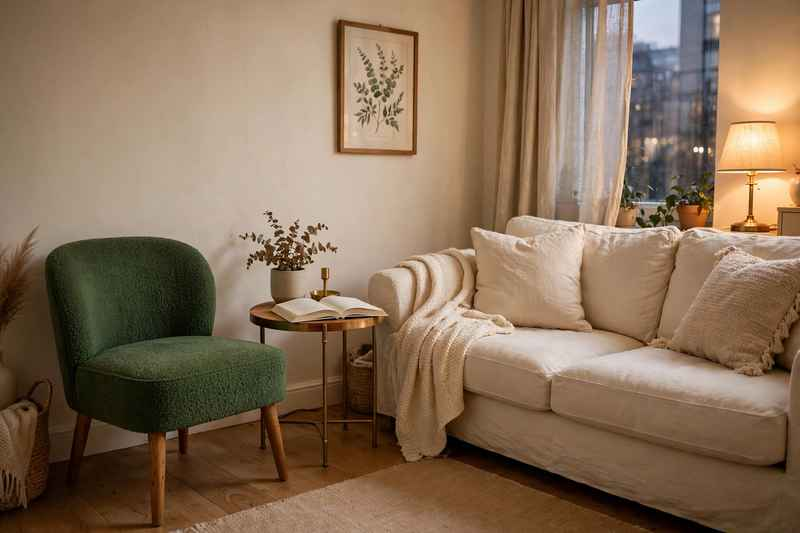
If your living room does not have an obvious empty corner, use the space beside the sofa.
Place a compact chair at the end of the sofa and add a small round side table between them. This keeps the reading area visually connected to the main seating arrangement.
A floor lamp can provide dedicated reading light without requiring another large piece of furniture.
4. Add a Small Round Side Table
A tiny table can make a reading nook much more practical.
Choose a round design when floor space is limited because it does not create sharp corners around the chair. Use it for a book, reading glasses, a mug, or a small lamp.
Avoid filling the table with decorative objects. The reading nook should remain functional.
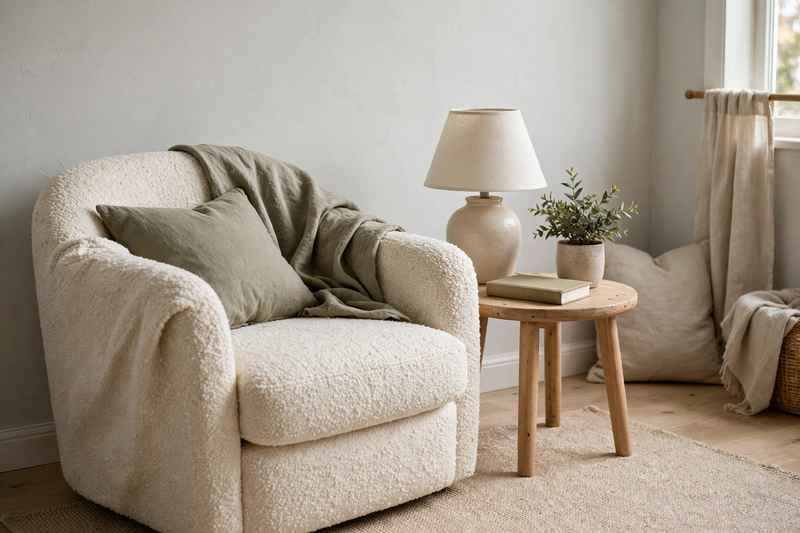
5. Choose a Wall-Mounted Reading Light
Floor lamps can be useful, but they still take up valuable floor space.
A wall-mounted reading light can be a smart solution for a compact living room. Position it beside or slightly behind the chair so the light falls naturally onto the book.
Choose a simple adjustable sconce if you want flexibility for different reading positions.
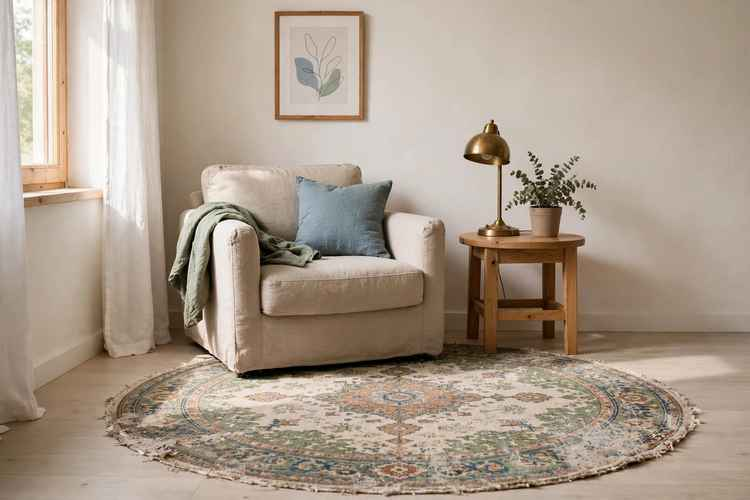
6. Add a Cozy Floor Lamp
If you prefer not to install anything on the wall, use a slim floor lamp.
An arched lamp can extend over a chair without requiring a large table. A traditional brass lamp can suit a classic room, while a simple black or white design works well with modern decor.
Choose a warm bulb rather than very cool, harsh lighting for a more relaxing atmosphere.
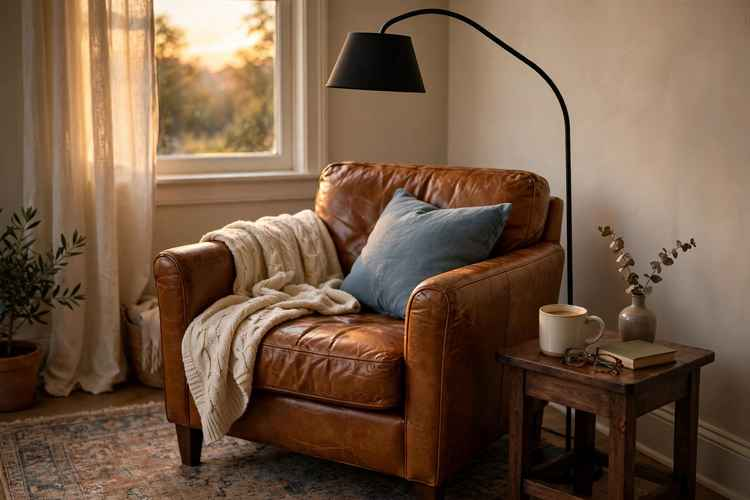
7. Turn an Empty Corner Into a Reading Spot
Even an awkward corner can become useful.
Place a compact chair diagonally into the corner rather than pushing every piece of furniture directly against the walls. Add a small table and lamp, then use a rug to visually define the area.
This approach works especially well when the reading nook needs to share space with the living room.
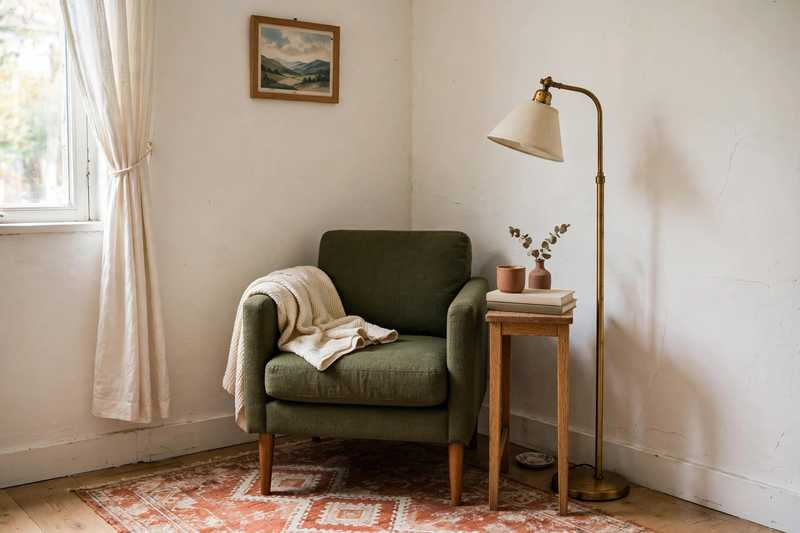
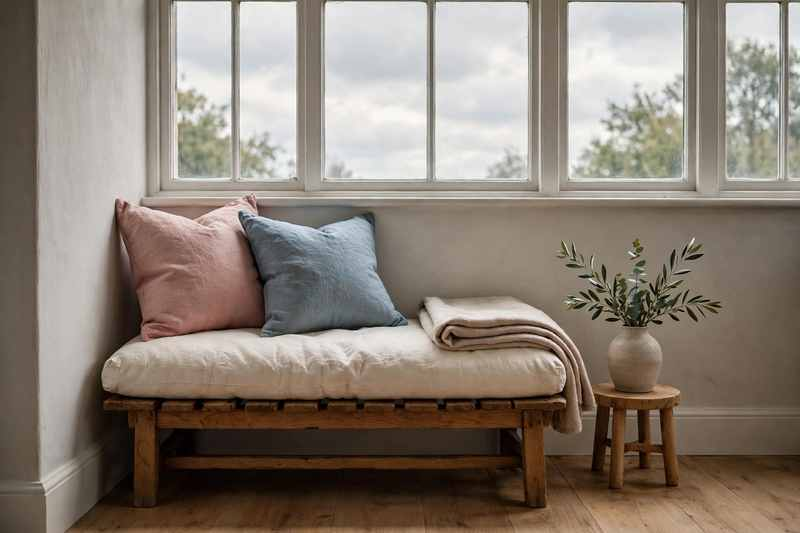
8. Use a Small Bench With Cushions
A narrow bench can be a practical alternative to a traditional armchair.
Choose a cushioned bench with a supportive back if possible, then layer it with one or two pillows and a soft throw.
This works particularly well underneath a window where a larger chair might block natural light or interfere with the room’s layout.
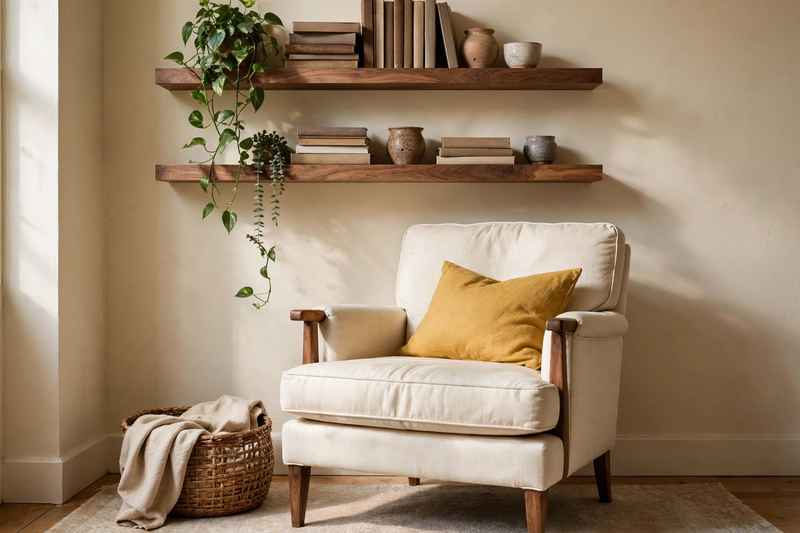
9. Create a Reading Nook Under Floating Shelves
Floating shelves can provide storage without taking up floor space.
Install one or two shelves above the reading chair and use them for books, small artwork, a plant, or a few decorative objects.
Keep the shelves relatively simple. Too many items above a small chair can make the nook feel visually heavy.
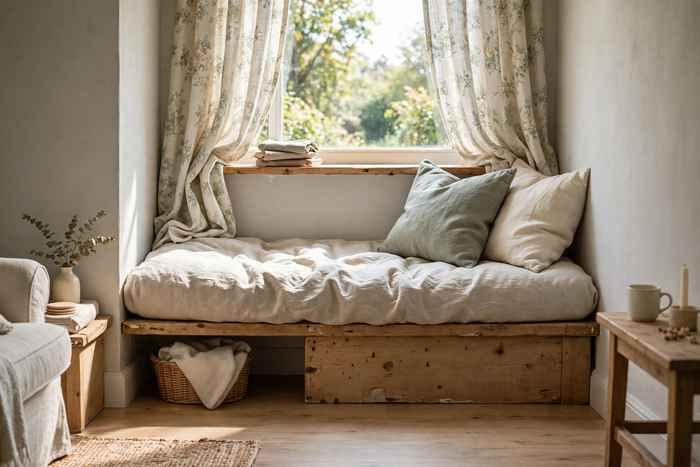
10. Add a Built-In Window Seat
If your living room has a deep window ledge or suitable alcove, consider turning it into a compact window seat.
A custom cushion can create a comfortable place to read without adding another piece of furniture to the floor.
Use washable fabric if the space will get frequent use, and add a few cushions for back support.
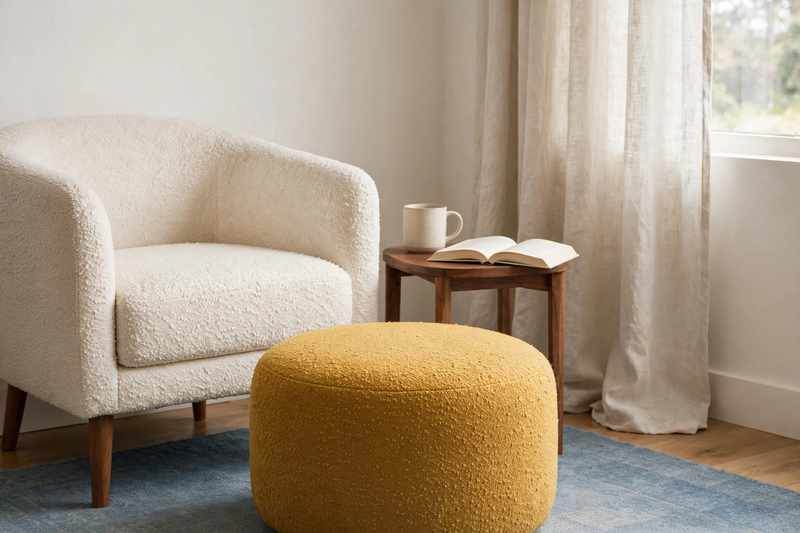
11. Use a Pouf or Ottoman for Flexible Seating
A small pouf or ottoman can make a reading nook more flexible.
Use a comfortable chair as the main seat and place a compact ottoman in front for your feet. When you need extra seating, the ottoman can also be moved elsewhere in the living room.
Choose a textured fabric such as boucle, linen, cotton, or woven material to add warmth.
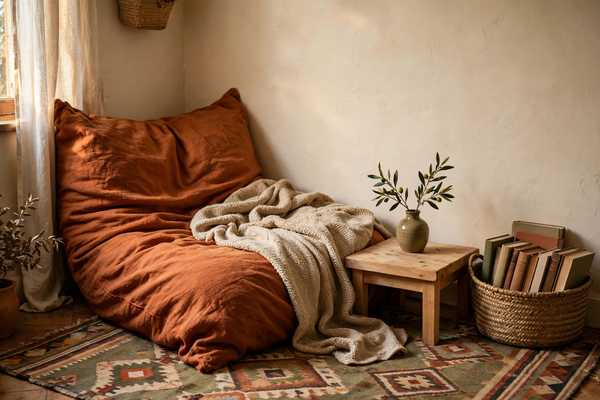
12. Create a Cozy Reading Nook With a Floor Cushion
For a relaxed, casual reading area, consider a large floor cushion.
This works particularly well in homes where a traditional armchair would take up too much space. Place the cushion near a low table, add a back cushion against the wall, and layer a soft rug underneath.
This style is especially suitable for casual, minimalist, or bohemian living rooms.
13. Add a Small Bookcase Beside the Chair
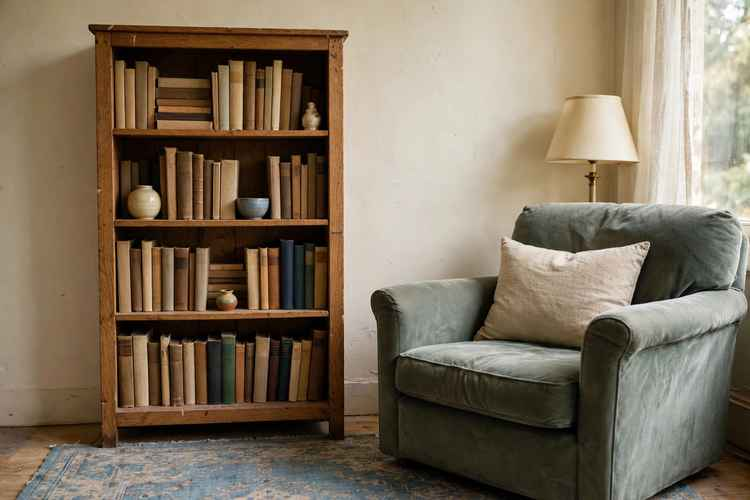
A narrow bookcase can give the reading nook its own identity.
Choose a tall, slim bookshelf rather than a wide unit. Keep your favorite books within easy reach and use one or two shelves for small decorative items.
If the room is very small, a ladder-style shelf can provide storage while maintaining an open visual appearance.
14. Use a Narrow Console Behind the Reading Chair
A slim console can work surprisingly well behind a reading chair.
It can provide a place for a small lamp, artwork, basket, or a few books while taking up very little depth.
Choose a console that leaves enough clearance behind the chair so the space remains comfortable to walk through.
15. Add a Soft Area Rug to Define the Nook
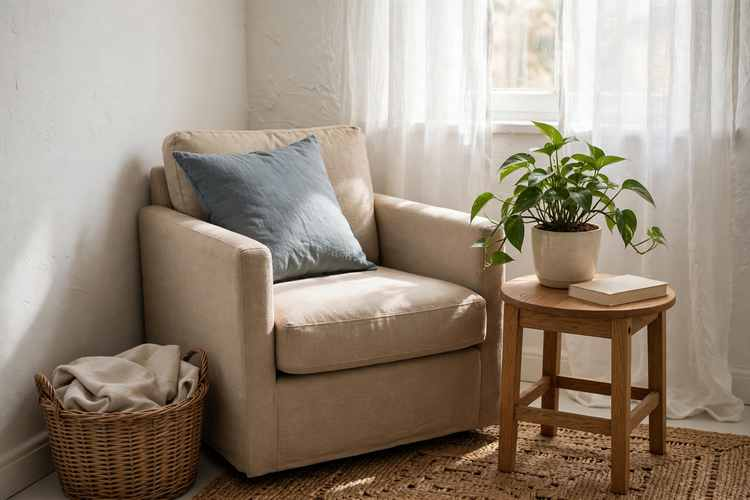
A rug can make a reading nook feel like a separate little zone without adding walls or bulky furniture.
Choose a small round or rectangular rug that fits underneath the chair and side table. Soft beige, cream, faded blue, sage, or muted terracotta can work well with neutral living rooms.
A subtle pattern can also help distinguish the reading area from the rest of the space.
16. Create a Reading Nook With a Compact Recliner
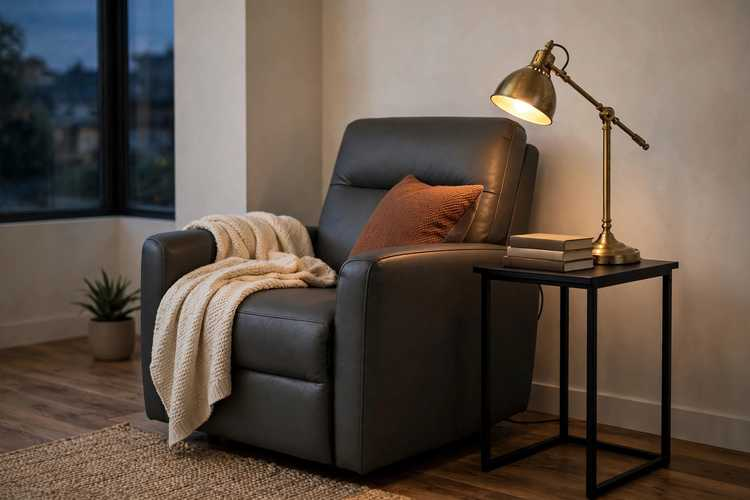
If comfort is your top priority, a small recliner can work in a reading nook.
Look for a streamlined design that does not dominate the room. Place it where the reclining mechanism has enough clearance to operate safely.
Pair it with a slim side table and wall-mounted or floor lighting to keep the rest of the area uncluttered.
17. Style the Nook With a Cozy Throw
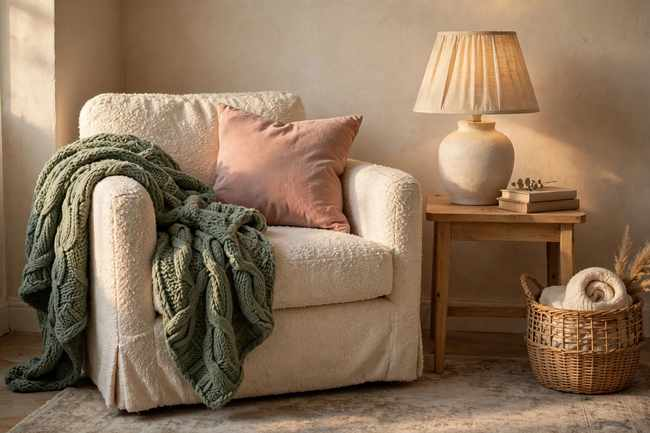
A reading chair can look much more inviting with a soft throw draped casually over one arm.
Choose cotton, linen, wool, or chunky knit depending on the season. Warm beige, cream, muted green, rust, or dusty blue can add color without overwhelming the small space.
The throw should look useful rather than perfectly arranged.
18. Add a Small Plant for a Fresh Touch
A little greenery can make a reading corner feel calmer and more connected to the rest of the home.
Choose a small potted plant for the side table or a taller plant that fits beside the chair. Avoid oversized plants if floor space is limited.
Simple greenery works particularly well with natural wood, cream upholstery, and woven textures.
19. Create a Minimalist Reading Nook
A minimalist reading nook can be ideal when the living room is already visually busy.
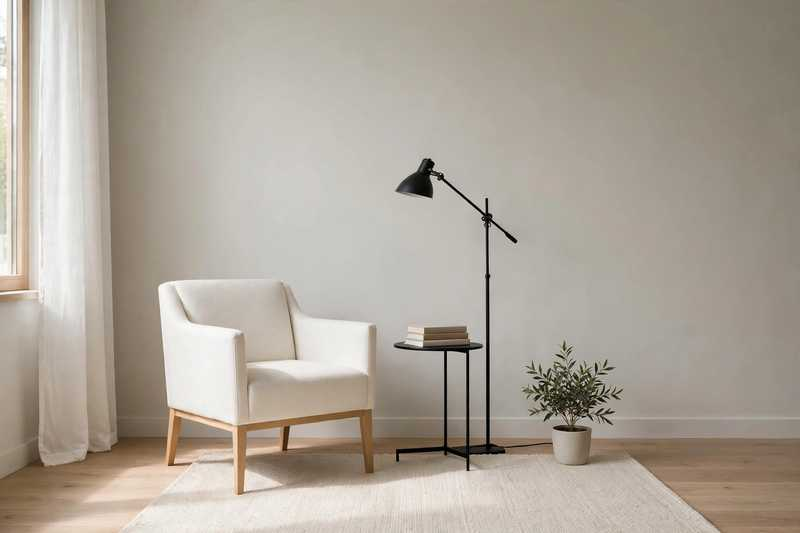
Use a simple chair, slim side table, one reading lamp, and a small stack of books. Keep the color palette limited to two or three shades.
Without excess accessories, the chair itself becomes the focal point.
20. Make a Cozy Reading Nook With Warm Neutrals
Warm neutral colors can make a small reading area feel especially comfortable.
Combine cream upholstery, beige textiles, light oak, warm white walls, and subtle tan or caramel accents.
Add a textured cushion and warm lighting to prevent the neutral palette from feeling flat.
21. Create a Collected Reading Nook With Personality
Your reading nook does not have to match the rest of the living room perfectly.
Mix a vintage-style chair with a modern side table, a traditional rug, personal artwork, a ceramic lamp, and a few favorite books.
The small details can make the space feel personal rather than staged. Just keep the furniture footprint small and leave enough open space around the nook.
How to Create a Reading Nook in a Small Living Room
Start by identifying the least-used corner of the room. This might be beside a window, next to the sofa, under a staircase, or along a short empty wall.
Then choose the seating first. Measure the available area before buying anything, especially if the room has narrow walkways.
After the chair is in place, add only the essentials:
- A small side table
- Dedicated reading light
- Comfortable cushion
- Soft throw
- Small rug
- Nearby book storage
You do not need all six. In a very small room, a chair, wall light, and narrow shelf may be enough.
Best Furniture for a Small Reading Nook
The most useful pieces are compact and easy to move.
Consider:
- Slim accent chairs
- Small upholstered armchairs
- Window benches
- Compact recliners
- Storage ottomans
- Narrow bookcases
- Round side tables
- Floating shelves
- Small floor lamps
- Wall-mounted sconces
Always measure both the furniture and the clearance around it. A beautiful chair is not useful if it blocks the main walkway.
Best Colors for a Cozy Reading Nook
The right color depends on the rest of your living room, but softer shades usually work well in compact spaces.
Try:
- Cream and warm white
- Beige and light oak
- Sage green and ivory
- Dusty blue and cream
- Taupe and soft brown
- Muted terracotta and beige
- Caramel and warm white
- Olive green and natural wood
If the living room already has a neutral palette, use the reading nook to introduce one deeper accent color through a chair, cushion, rug, or artwork.
How to Make a Small Reading Nook Feel Cozy
Comfort comes from layers, not clutter.
Start with a supportive chair, then add a soft cushion and throw. Use warm lighting and introduce natural textures such as wood, linen, wool, cotton, or woven materials.
A small rug can visually anchor the space, while a few books and one personal decorative object can give the nook character.
The goal is to make the area feel inviting without filling every available surface.
Reading Nook Ideas for Apartments
Apartments often have limited floor space, so focus on furniture that performs more than one job.
A storage ottoman can provide seating and foot support. A bench can work as both seating and display space. Floating shelves can hold books without taking up floor area.
For rental homes, removable wall shelves, plug-in sconces, floor lamps, rugs, and freestanding furniture can create a reading nook without permanent changes.
Common Small Reading Nook Mistakes
Choosing an oversized chair: Measure before buying and leave enough space around the chair.
Using only overhead lighting: Add a dedicated reading lamp for better comfort.
Adding too many accessories: A small nook can quickly become cluttered.
Ignoring the walkway: Never position the chair where people have to squeeze past it.
Choosing style over comfort: A beautiful chair is not useful if you cannot sit in it comfortably for an extended period.
Using a tiny table with no practical surface: Make sure the table can hold the essentials you actually use.
Forgetting power outlets: If you plan to use a lamp, check the outlet location before finalizing the furniture arrangement.
Small Living Room Reading Nook Checklist
Before finishing your reading nook, make sure you have:
- Comfortable seating
- Enough legroom
- Good natural or artificial lighting
- A small surface for books or drinks
- Easy access to your favorite books
- A soft cushion
- A cozy throw
- A small rug if space allows
- Clear walking paths
- Colors that work with the living room
- A few personal details
- Minimal visual clutter
Frequently Asked Questions
What is the best chair for a small reading nook?
A slim armchair, compact accent chair, or small upholstered chair is usually a practical choice. Look for comfortable seating with a relatively small footprint.
How much space do you need for a reading nook?
There is no single required size. A chair, small table, and lamp can fit into a surprisingly compact corner, but you should always leave enough room for comfortable movement around the furniture.
How do I create a reading nook without a window?
Use layered lighting instead. A warm floor lamp, wall-mounted reading light, or adjustable table lamp can provide the illumination you need. Add artwork, books, plants, and comfortable textiles to create atmosphere.
Can a reading nook fit beside a sofa?
Yes. A compact chair beside the sofa can create a natural reading area without requiring a separate room. A small round table and floor lamp can complete the setup.
How do I make a reading nook cozy without clutter?
Focus on comfort rather than decoration. Choose one comfortable chair, one useful table, warm lighting, a soft throw, and a few favorite books. Leave the surrounding space relatively open.
Final Thoughts
A small living room can still have a beautiful reading nook. The secret is choosing pieces that fit the space instead of trying to recreate a full-sized library corner.
Start with comfortable seating, add good lighting, and then introduce just a few details that make you want to sit down and stay awhile.
Whether you choose a window seat, compact armchair, floor cushion, or a simple chair beside the sofa, a thoughtfully planned reading nook can turn an overlooked corner into one of the most enjoyable parts of your living room.