A small home does not need expensive furniture or a huge decorating budget to look polished. In fact, smaller rooms can often feel more intentional because every piece has a purpose.
The trick is to spend less on quantity and more on a few details that make a room feel finished: good lighting, coordinated colors, attractive textiles, natural materials, and smart storage. You can also make inexpensive furniture look far more expensive by choosing the right proportions and keeping the room visually calm.
If you are decorating a small apartment, studio, bedroom, living room, or compact home, these affordable home decor ideas can help you create a stylish space without filling it with unnecessary stuff.
1. Choose a Warm Neutral Color Palette
One of the easiest ways to make a small room look expensive is to keep the main color palette simple.
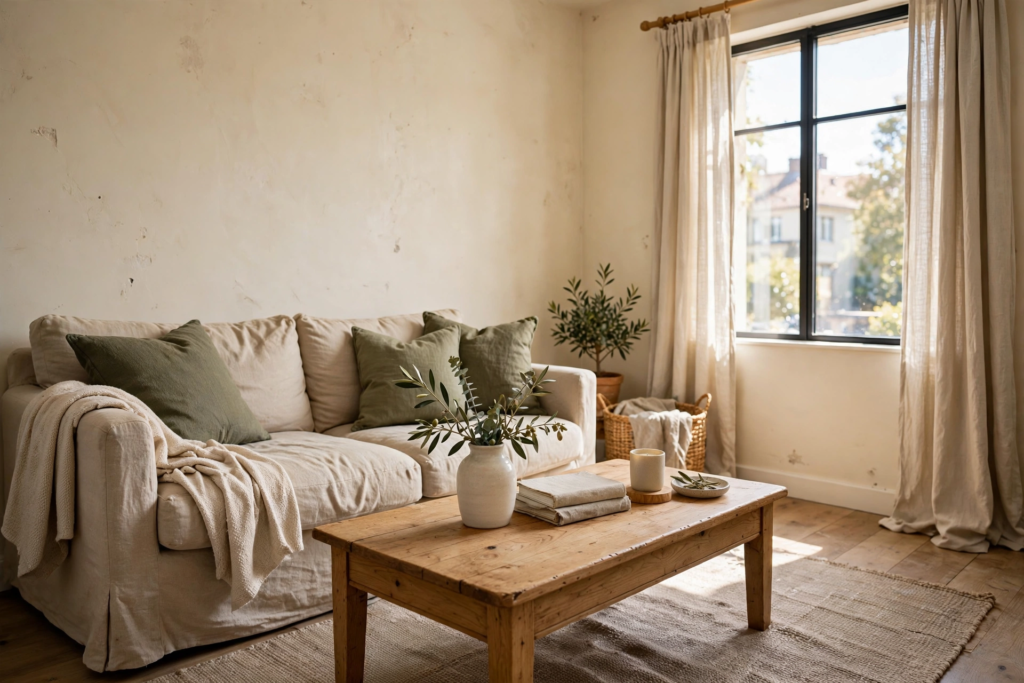
Warm white, cream, beige, taupe, soft gray, and light brown create a calm background that allows furniture and accessories to stand out.
You do not need everything to be the same color. Instead, layer slightly different shades. A cream sofa, beige rug, light wood table, and oatmeal curtains can create much more depth than several unrelated colors.
For a small space, keep the larger pieces neutral and introduce stronger colors through pillows, artwork, flowers, or smaller accessories.
2. Add One Large Mirror
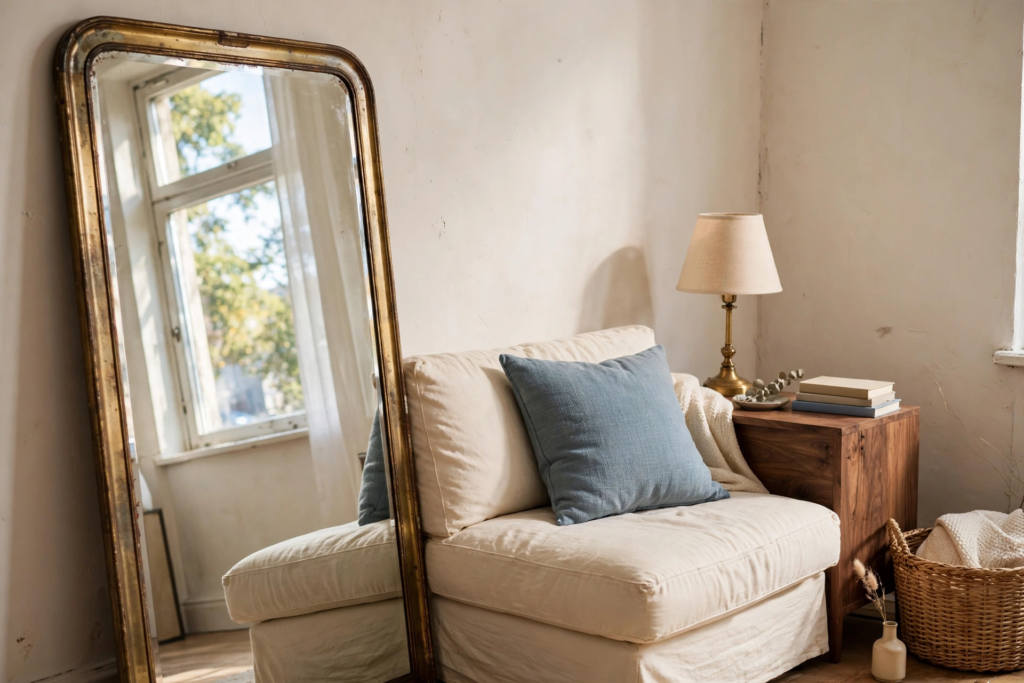
A well-placed mirror can make a small room feel brighter and more open while also acting as a decorative feature.
Instead of covering a wall with several small mirrors, try one larger mirror with a simple frame.
Place it opposite a window when possible so it can reflect natural light. A vintage-style gold frame can add warmth, while a thin black frame works well in a modern space.
You can often find attractive mirrors at thrift stores or discount home stores, making this one of the easiest budget upgrades.
3. Use Curtains From Ceiling to Floor
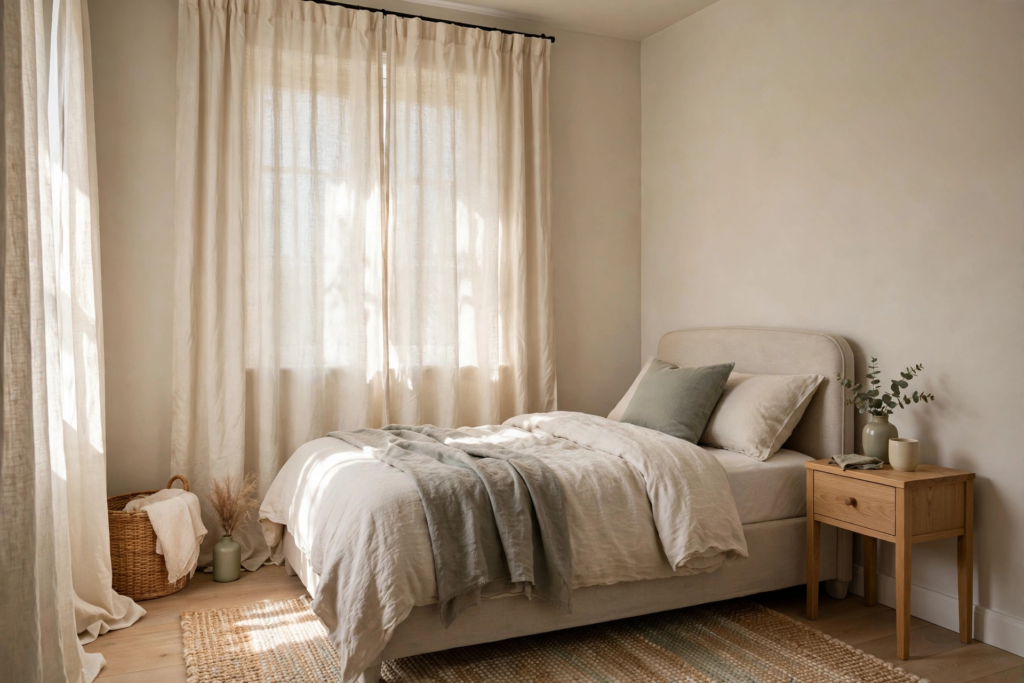
Short curtains can make a small room look chopped up. Hanging curtains closer to the ceiling and letting them fall almost to the floor creates a taller, more finished appearance.
Choose simple linen-look, cotton, or textured curtains in cream, oatmeal, beige, or soft white.
You do not need extremely expensive window treatments. The important part is getting the length and placement right.
For an especially polished look, let the curtains gently frame the window instead of covering most of the glass.
4. Upgrade the Lighting
A single bright ceiling light can make even beautiful furniture look ordinary.
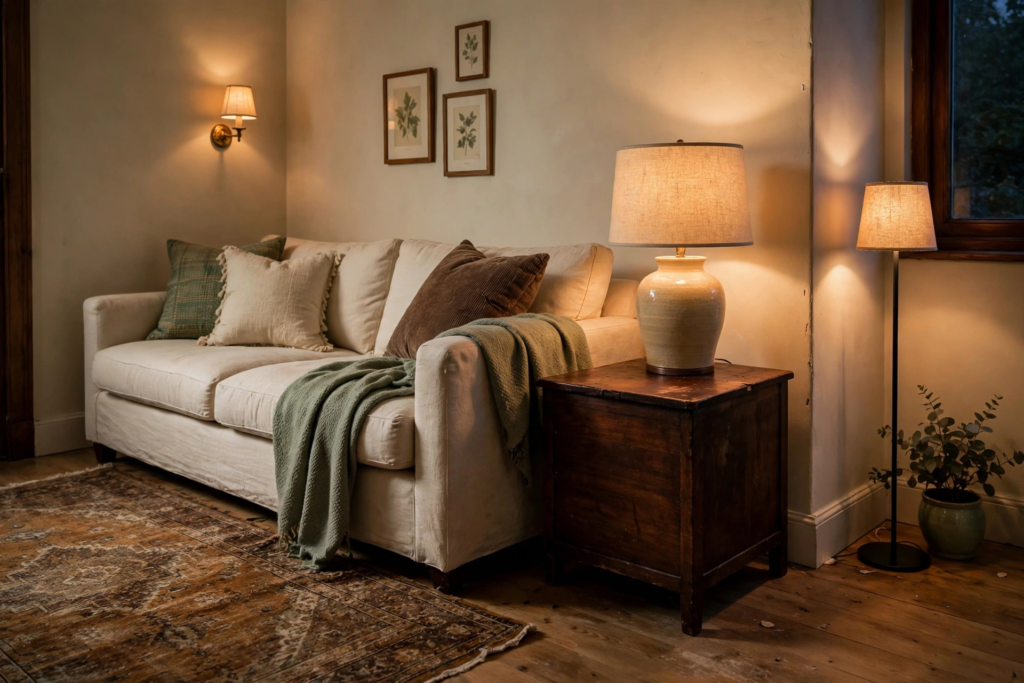
Instead, create layers of light with affordable table lamps, floor lamps, wall sconces, and warm bulbs.
A small lamp on a side table can make a living room feel much more inviting. In a bedroom, use matching or coordinated bedside lamps to create symmetry.
Look for lamps with ceramic, glass, linen, wood, or aged-metal details. The shade often makes a bigger visual difference than the price of the lamp.
5. Add a Large Area Rug
A properly sized rug can make a small room feel more cohesive.
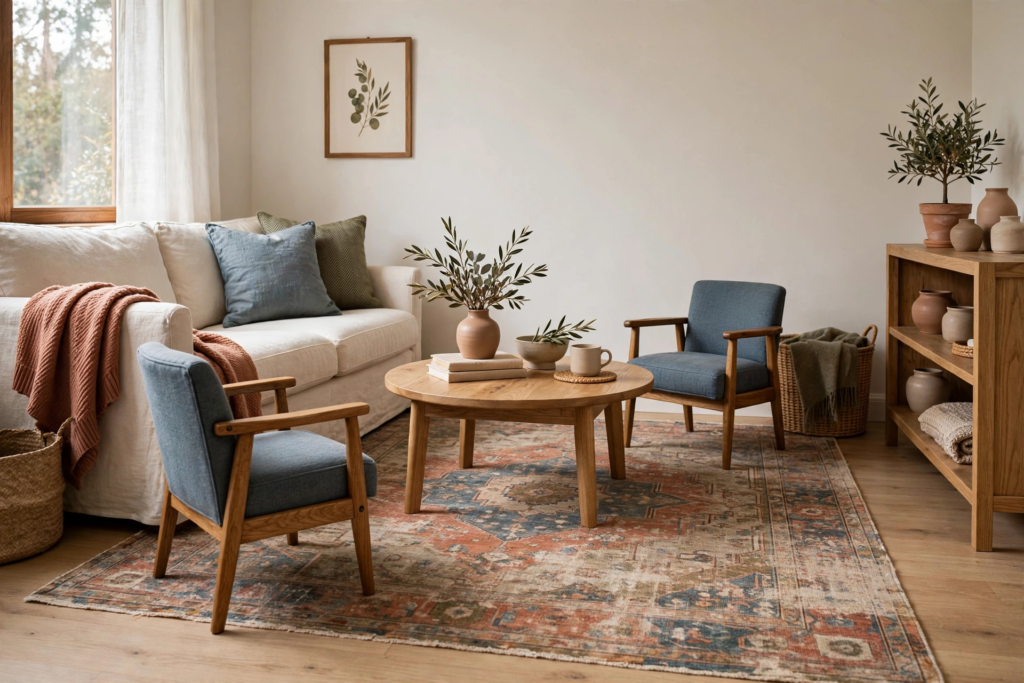
A common mistake is choosing a tiny rug that sits only under the coffee table. A larger rug that reaches under the front legs of your sofa or chairs can visually connect the entire seating area.
Look for affordable rugs with subtle vintage patterns, natural textures, or soft neutral colors.
If you love patterned rugs, choose one with several muted colors so it can work with different cushions and accessories.
6. Use Matching or Coordinated Throw Pillows
Throw pillows are an inexpensive way to change the look of a room.
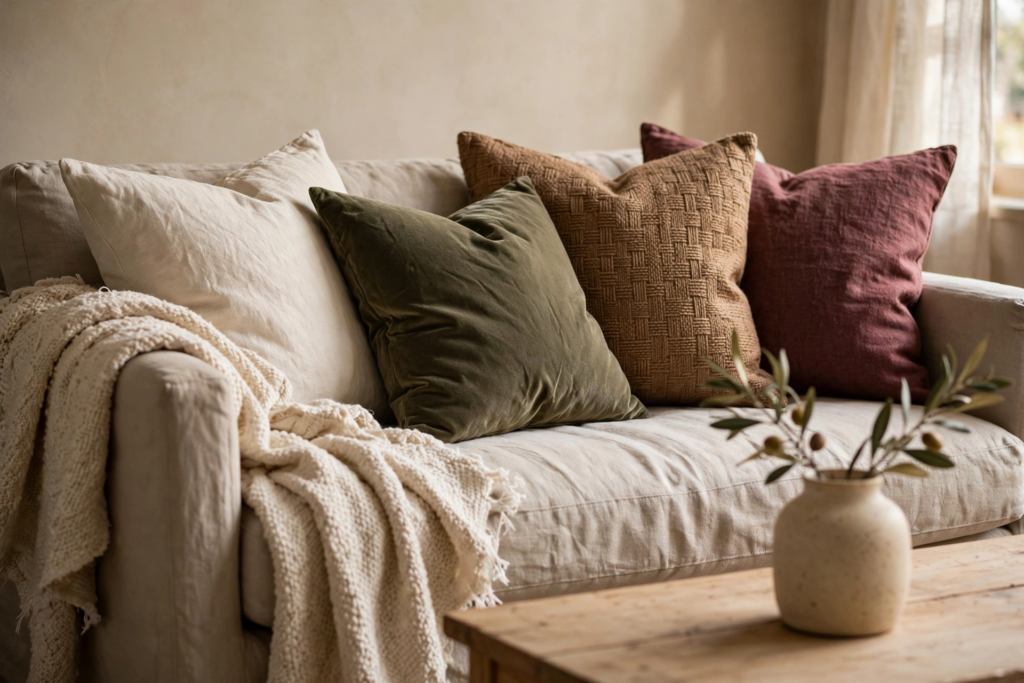
Instead of buying a completely different pattern for every pillow, choose two or three colors and repeat them throughout the space.
For example, combine cream, olive green, and warm brown. Or try beige, dusty blue, and muted burgundy.
Mix textures such as linen, cotton, velvet, and woven fabric. Even inexpensive pillows can look sophisticated when their colors and textures work together.
7. Choose a Small Coffee Table With Character
Your coffee table does not need to be large to look beautiful.
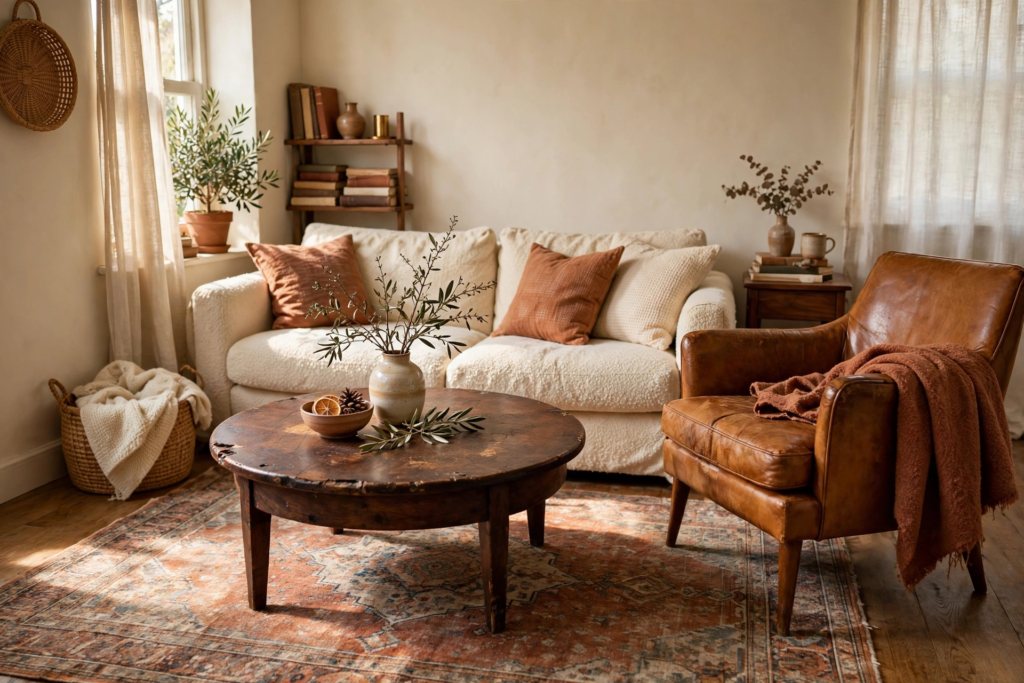
In a small living room, choose a table that leaves enough space to walk around it. Round or oval designs can be especially useful because they create softer pathways.
Look for natural wood, dark-stained wood, glass, or simple metal designs.
A vintage secondhand table can sometimes look more expensive than a brand-new budget piece because the material has natural character.
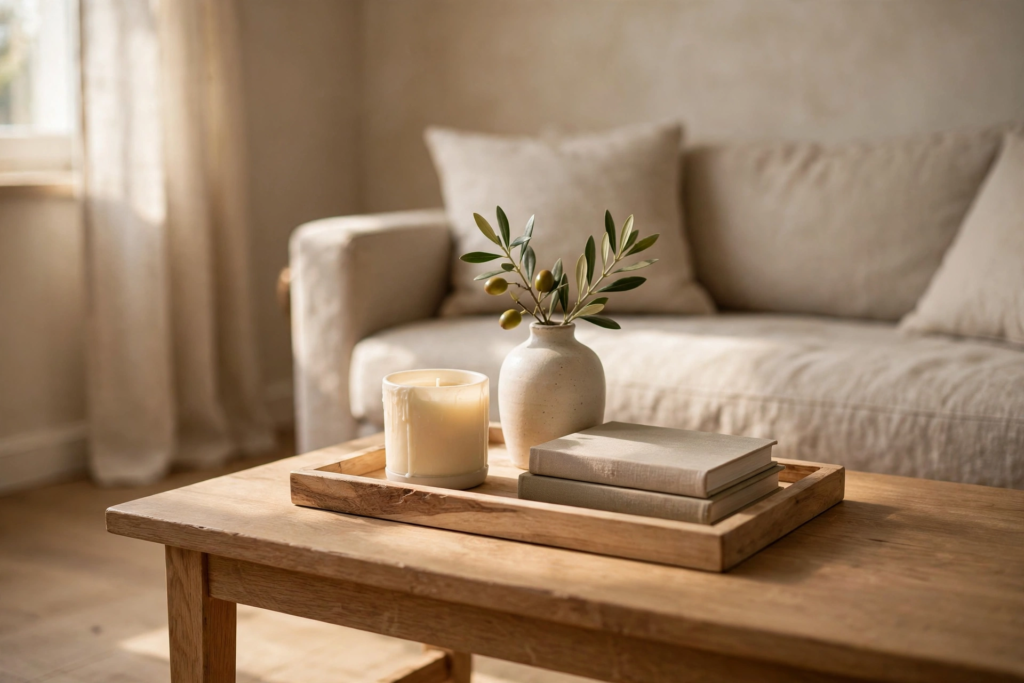
8. Create a Simple Styled Tray
A decorative tray is one of the easiest ways to make everyday objects look intentional.
Place a tray on your coffee table, ottoman, kitchen counter, or bedroom dresser. Add two or three items such as a candle, small vase, ceramic bowl, or stack of books.
Keep the arrangement simple.
The goal is not to fill the tray. Leaving some empty space makes the entire arrangement feel more refined.
9. Bring in Affordable Natural Materials
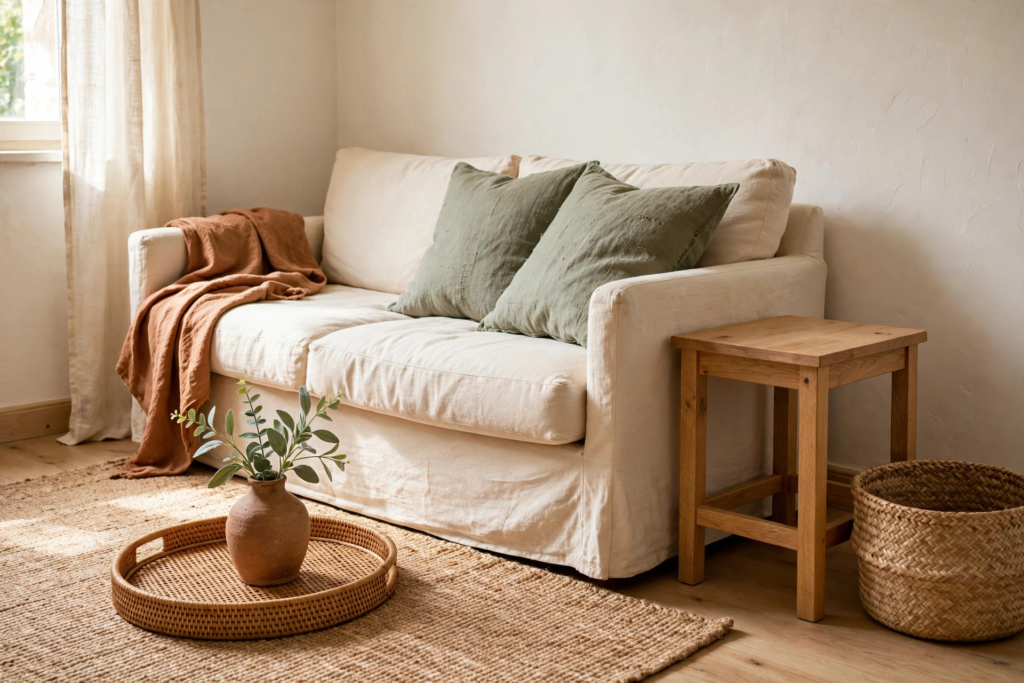
Natural materials instantly add texture to a room.
You do not need expensive furniture made from premium materials. Small additions can make a difference.
Try:
- Woven baskets
- Wooden bowls
- Rattan trays
- Jute rugs
- Linen-look curtains
- Ceramic vases
- Stoneware dishes
- Wooden picture frames
Combining these materials with neutral colors creates a relaxed, expensive-looking atmosphere without requiring a luxury budget.
10. Use One Statement Piece of Artwork
You do not need an entire gallery wall to make a room interesting.
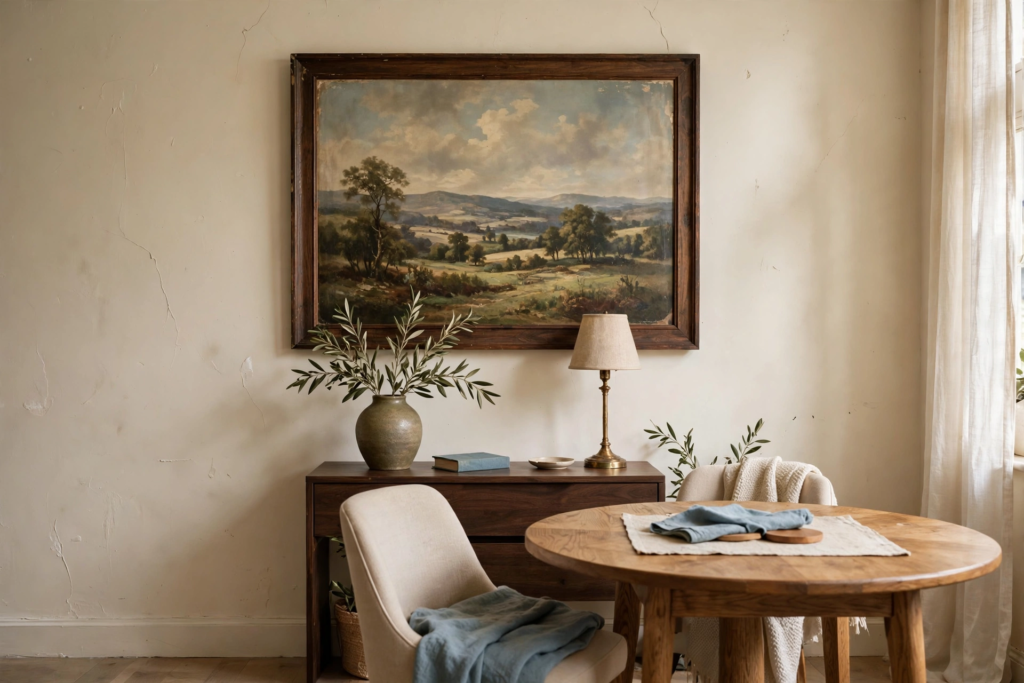
Choose one larger piece of artwork that works with your color palette. A landscape painting, abstract print, botanical illustration, or vintage-style artwork can become the room’s focal point.
Affordable downloadable prints can work well when printed and framed properly.
For a more expensive appearance, choose a simple frame with some visual weight rather than an overly decorative frame.
11. Make Your Bookshelf Look Collected
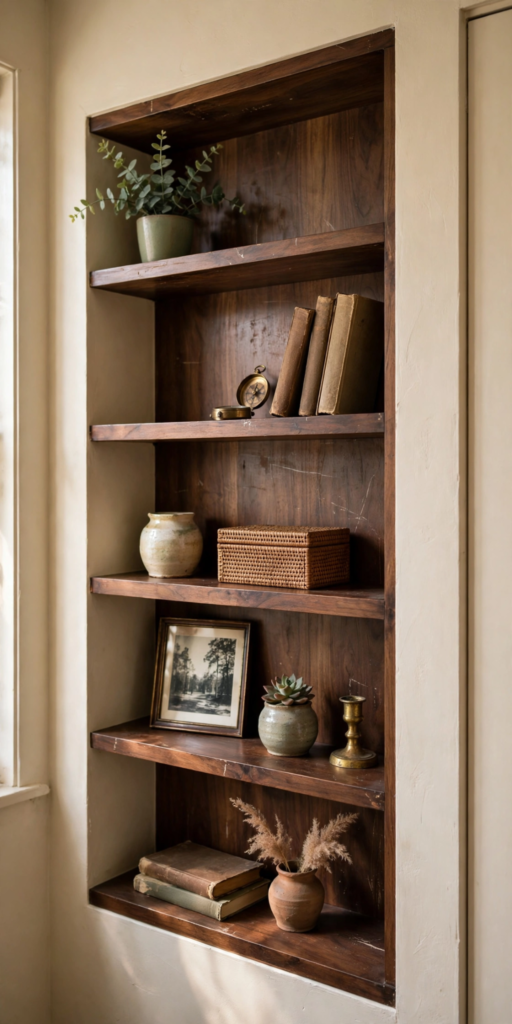
Open shelves can quickly become cluttered, especially in a small home.
Instead of filling every inch, leave some empty space and group objects together.
Mix books with:
- Small plants
- Framed photos
- Ceramic pieces
- Decorative boxes
- Candles
- Small baskets
Place some books vertically and others horizontally. Vary the height of objects so the shelves feel balanced without looking overly arranged.
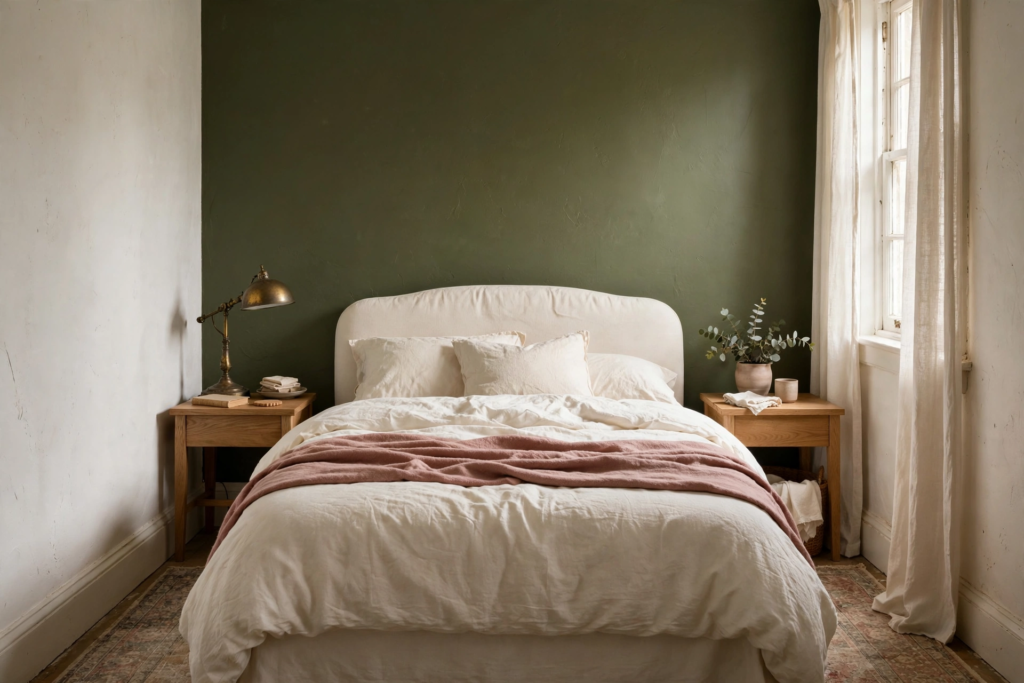
12. Paint an Accent Wall
If your budget does not allow you to repaint an entire room, paint one wall.
A deep olive green, warm taupe, muted blue, dusty rose, or chocolate brown can completely change the atmosphere.
In a bedroom, the wall behind the bed is an obvious choice. In a living room, try the wall behind the sofa or media console.
Keep the remaining walls lighter so the room still feels open.
13. Add Greenery in Simple Pots
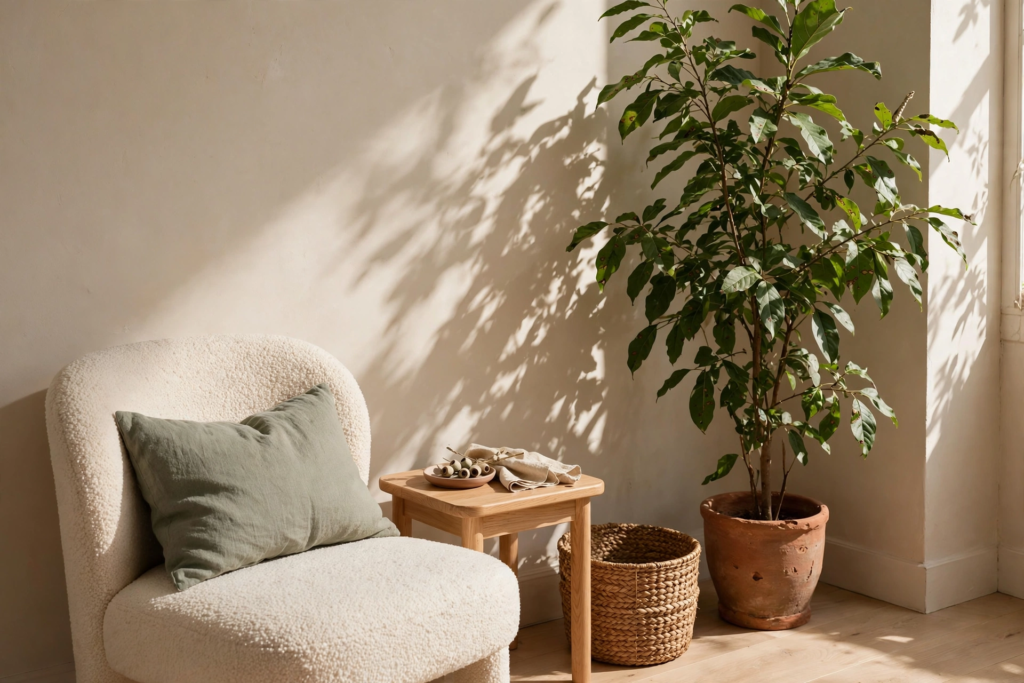
Plants bring color and life into a small room without requiring a large decorating budget.
Choose plants based on the light available in your home rather than buying something simply because it looks good.
Use inexpensive ceramic pots, woven baskets, terracotta planters, or even attractive secondhand containers.
A single large plant in an empty corner can have more impact than several tiny plants scattered across every surface.
14. Make Your Bed Look Like a Boutique Hotel
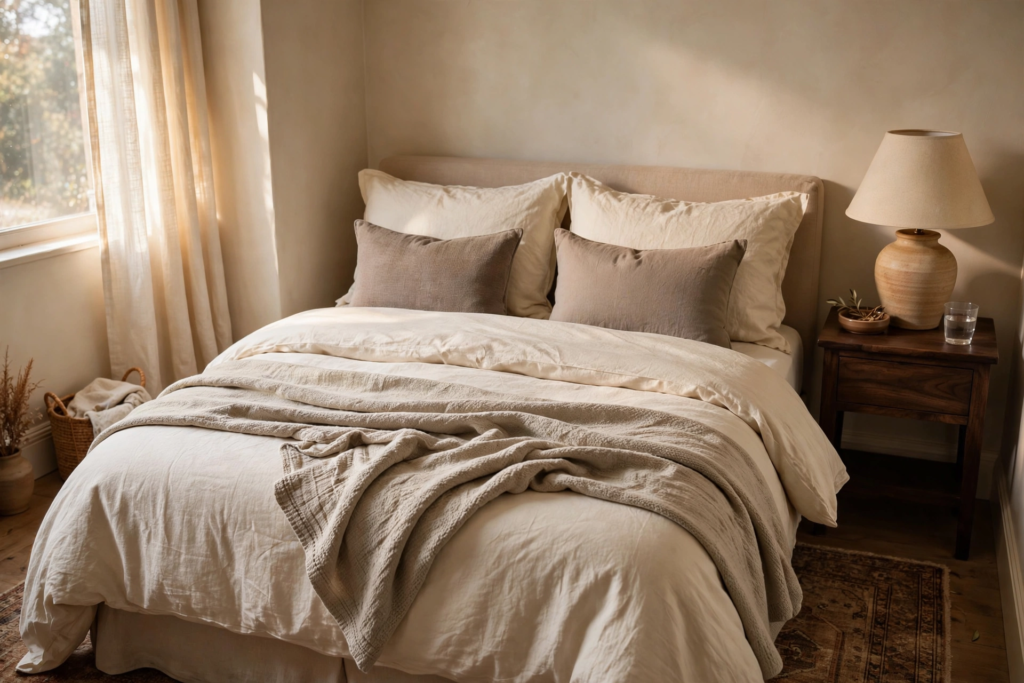
You do not need expensive bedding to make a bedroom look polished.
Start with a simple neutral duvet or comforter. Add two or three sleeping pillows, a couple of decorative cushions, and one textured throw at the foot of the bed.
Keep most of the bedding in one color family. Cream, white, oatmeal, beige, or soft gray are easy to layer.
The finishing touch is making the bed neatly without making it look overly stiff.
15. Replace Small Decor With Fewer Larger Pieces
Too many tiny decorative objects can make a small home feel crowded.
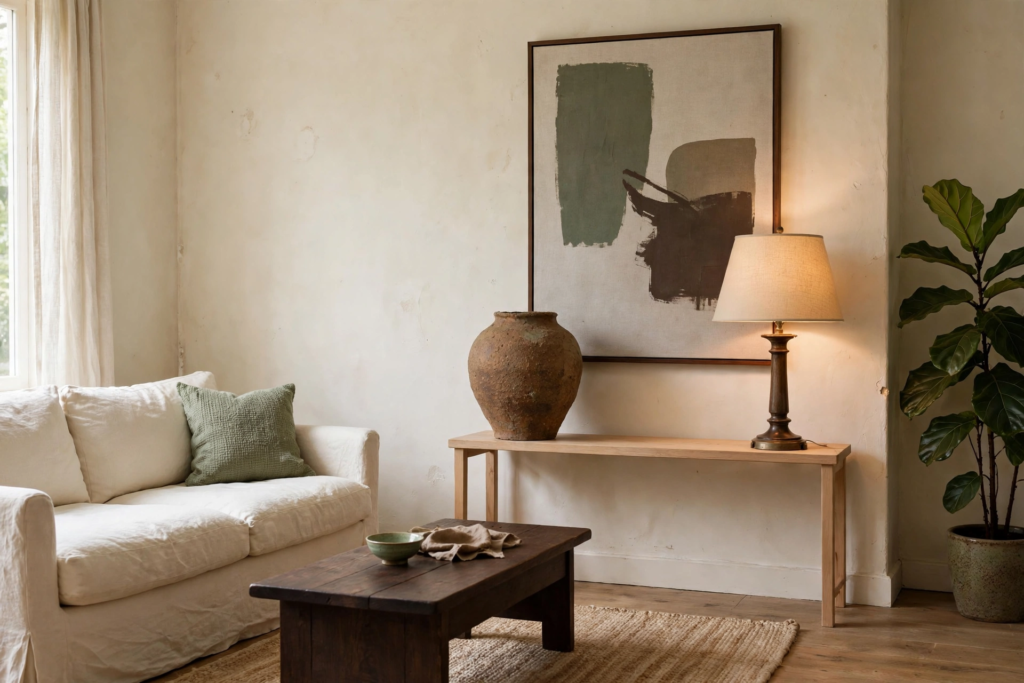
Instead of displaying ten inexpensive accessories, choose three or four pieces with more visual presence.
A large ceramic vase, substantial lamp, framed artwork, or oversized plant can make a stronger impression than a collection of small objects.
This approach also makes cleaning and reorganizing much easier.
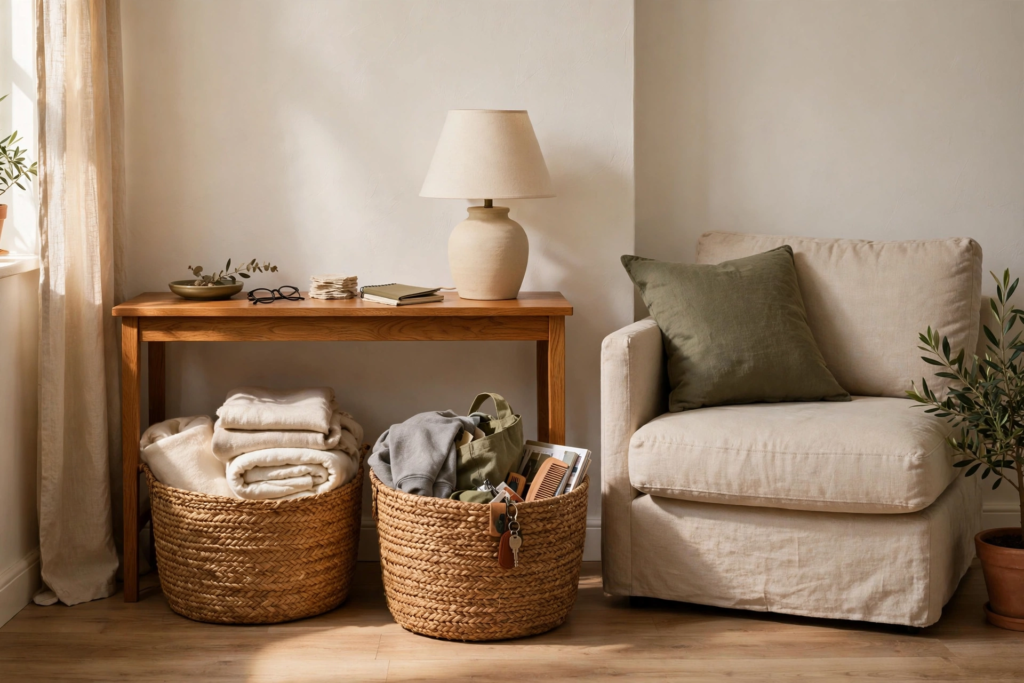
16. Use Baskets for Attractive Storage
Storage can become part of the decor when you choose attractive containers.
Use woven baskets under a console table, beside the sofa, near the bed, or on open shelving.
They can hide blankets, shoes, children’s items, magazines, or everyday clutter.
Natural woven baskets work especially well with neutral interiors, while darker baskets can add contrast to lighter rooms.
17. Choose Furniture With Exposed Legs
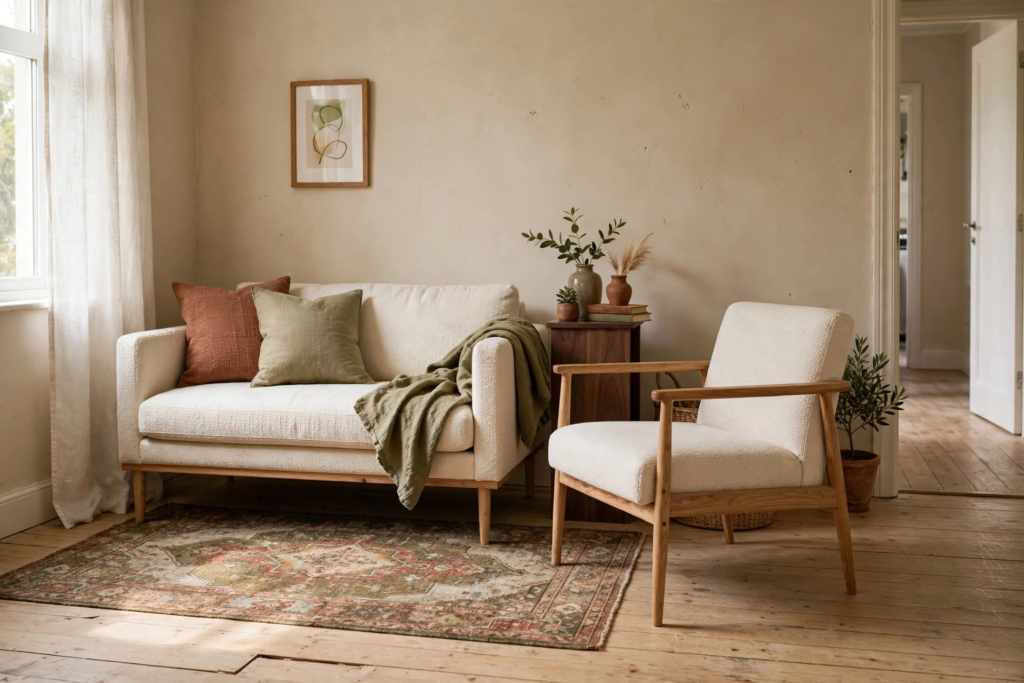
Furniture that sits directly on the floor can make a small room feel visually heavy.
Sofas, chairs, cabinets, and beds with exposed legs allow more of the floor to remain visible, which can make the room feel lighter.
This does not mean every piece needs to have tall legs. Even a sofa with a slim wooden or metal base can create more visual breathing room.
18. Create a Small Dining Nook
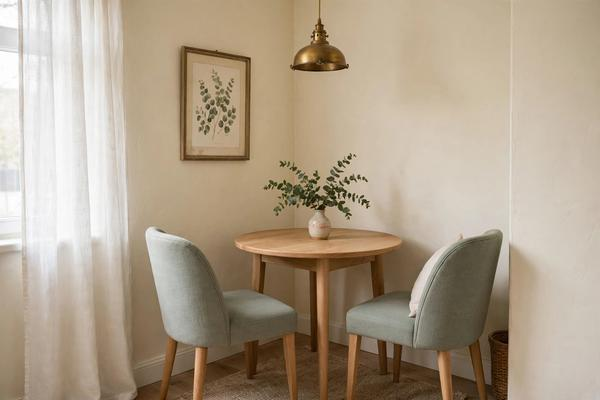
If you do not have space for a full dining room, create a compact dining corner.
A small round table can fit into an unused corner while two comfortable chairs keep the setup practical.
Add a pendant light or small wall artwork above the table. A simple centerpiece such as a ceramic vase with branches can make the area feel intentional.
Round tables are particularly useful in tight spaces because there are no sharp corners interrupting the walkway.
19. Upgrade Hardware Instead of Replacing Furniture
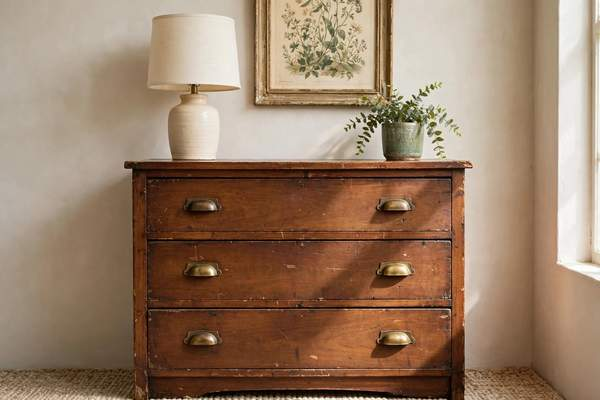
Before replacing an inexpensive cabinet or dresser, consider changing the hardware.
New knobs or handles can completely change the appearance of basic furniture.
Try aged brass for a traditional look, matte black for something modern, or brushed nickel for a cleaner style.
This small change works particularly well on kitchen cabinets, bathroom vanities, dressers, nightstands, and storage units.
20. Keep Countertops and Surfaces Mostly Clear
A room can look expensive simply because it feels organized.
You do not have to remove everything from your counters and shelves. Instead, choose a few useful or beautiful objects and store the rest.
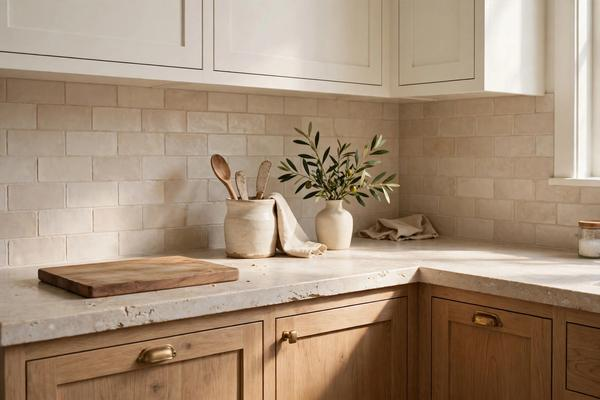
On a kitchen counter, for example, keep a wooden cutting board, ceramic utensil holder, and small plant while putting less attractive items away.
The same idea works in bathrooms, bedrooms, and living rooms.
A little empty space makes the pieces you do display feel more important.
21. Create a Collected Look With Secondhand Finds
The most affordable way to make a small home feel unique is to mix budget pieces with secondhand finds.
Visit thrift stores, flea markets, estate sales, and local resale marketplaces for lamps, mirrors, wooden furniture, artwork, baskets, ceramics, and vintage accessories.
Do not worry about matching everything perfectly.
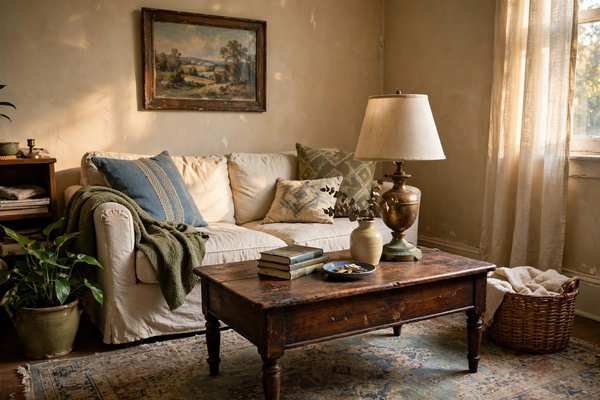
A modern sofa paired with a vintage coffee table and an old-fashioned lamp can feel far more interesting than a room where every piece came from the same collection.
The goal is for your home to look collected rather than decorated all at once.
How to Make a Small Home Look Expensive on a Budget
You do not need to spend a lot of money at once. Start with the changes that affect the room most.
First, simplify the color palette. Then improve the lighting, add a properly sized rug, introduce natural textures, and remove unnecessary clutter.
After that, look for one or two statement pieces. A beautiful mirror, vintage table, large plant, or substantial piece of artwork can give the room a focal point.
The biggest difference often comes from presentation rather than price.
Affordable Color Combinations That Look Expensive
If you are unsure where to start, try one of these combinations:
Cream + Warm Brown + Olive Green
Earthy and relaxed, especially good with wood furniture.
Beige + Black + Warm White
Simple and modern with plenty of contrast.
Dusty Blue + Cream + Natural Wood
Soft, timeless, and easy to use in bedrooms or living rooms.
Taupe + Burgundy + Brass
A richer combination that works beautifully in small dining rooms and living spaces.
Soft White + Sage Green + Light Oak
Fresh without feeling overly bright.
How to Decorate a Small Home Without Making It Feel Cluttered
Before buying something new, ask whether it serves a purpose or adds something meaningful to the room.
Try to keep walking paths open and avoid placing furniture directly in front of windows whenever possible.
Use vertical space for storage, choose furniture that fits the scale of the room, and rotate decorative accessories instead of displaying everything you own at the same time.
A small home usually looks better when it has fewer, better-chosen pieces.
Common Small Home Decorating Mistakes
One of the most common mistakes is buying furniture that is too large. Always measure your room and check the dimensions of furniture before purchasing.
Another problem is using too many unrelated colors. A simple palette will make a compact space feel much more cohesive.
Tiny rugs can also make furniture arrangements look disconnected, while excessive small decorations create visual clutter.
Finally, do not sacrifice comfort just to make your home look stylish. The best small spaces are attractive and genuinely easy to live in.
Small Home Decor Checklist
Before you finish decorating, check whether your space has:
- A simple, coordinated color palette
- At least one good source of layered lighting
- A properly sized rug
- Curtains that make the windows feel taller
- One statement artwork or mirror
- Natural materials and textures
- A few plants or branches
- Attractive storage
- Comfortable furniture
- Some clear surfaces
- A few larger decorative pieces
- Personal or secondhand items
You do not need to complete everything at once. Even a few changes can make a noticeable difference.
FAQ About Affordable Decor for Small Homes
How can I make my small home look expensive on a budget?
Start with a cohesive color palette, better lighting, properly sized rugs, attractive curtains, natural textures, and less clutter. Then add one or two statement pieces instead of buying lots of inexpensive decorations.
What colors make a small home look more expensive?
Warm neutrals such as cream, beige, taupe, soft white, and warm gray are easy choices. Add muted green, dusty blue, burgundy, or brown for depth.
What should I avoid in a small home?
Avoid oversized furniture, too many tiny decorative pieces, undersized rugs, excessive colors, and blocked walkways. These can make a room feel smaller and more cluttered.
How can I decorate a small apartment cheaply?
Use secondhand furniture, affordable textiles, removable artwork, plants, mirrors, baskets, and updated hardware. Concentrate your budget on pieces that have a large visual impact.
Does small furniture always work better in a small room?
Not necessarily. A room filled with lots of tiny furniture can feel more cluttered than one with a few well-proportioned pieces. Focus on the right scale rather than simply choosing the smallest options.
Final Thoughts
Making a small home look expensive is less about buying expensive things and more about making thoughtful choices.
A warm color palette, good lighting, natural textures, a properly sized rug, attractive storage, and a few meaningful statement pieces can completely change how a room feels.
Take your time, shop secondhand when possible, and avoid filling every empty corner. When each piece has a purpose, even a compact home can feel polished, comfortable, and personal.